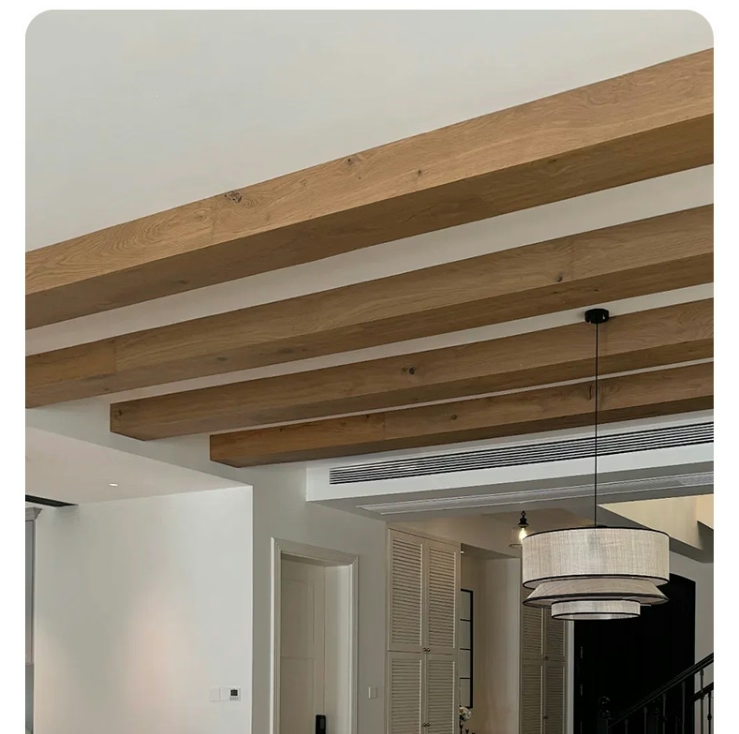
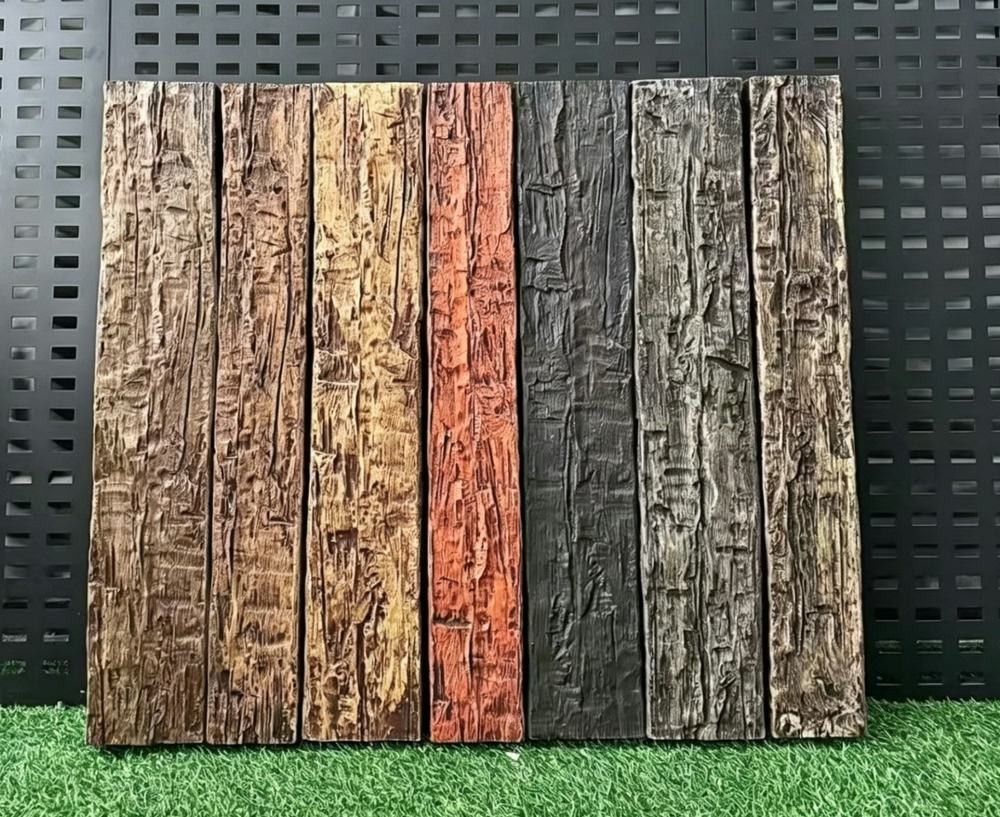
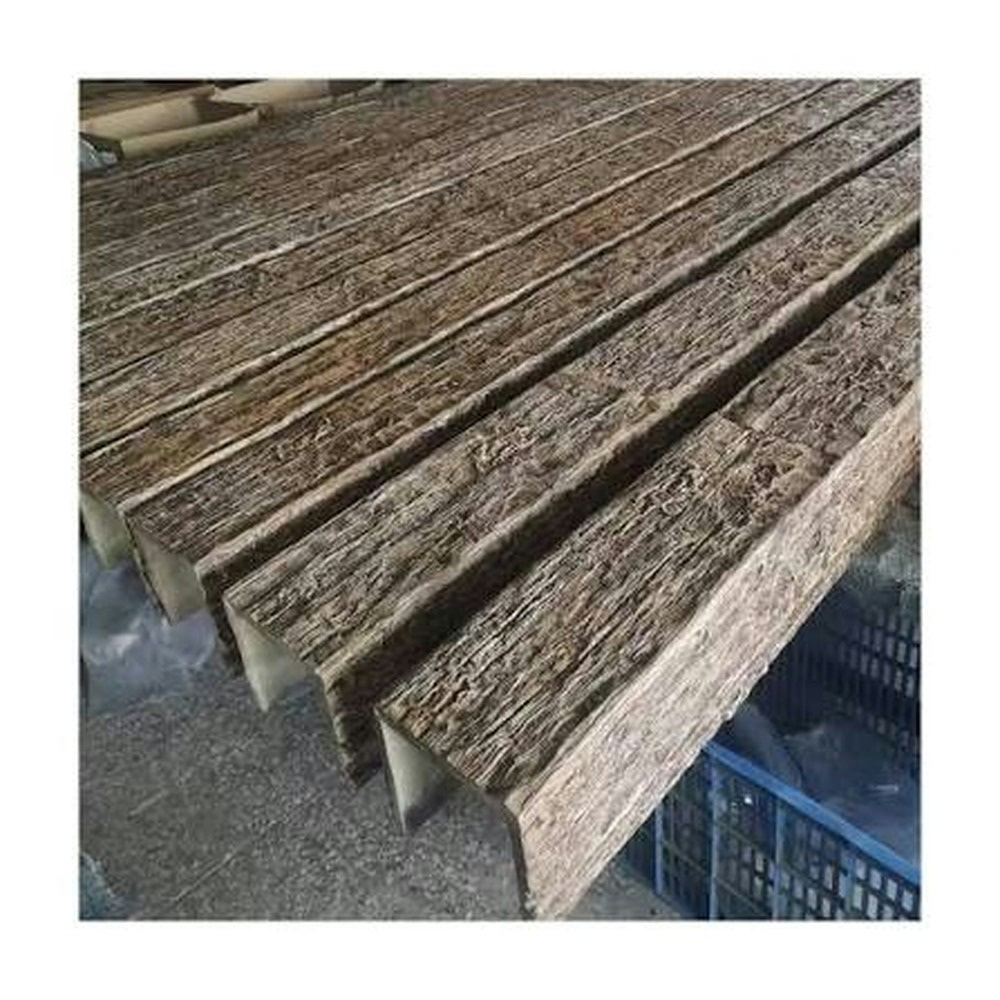
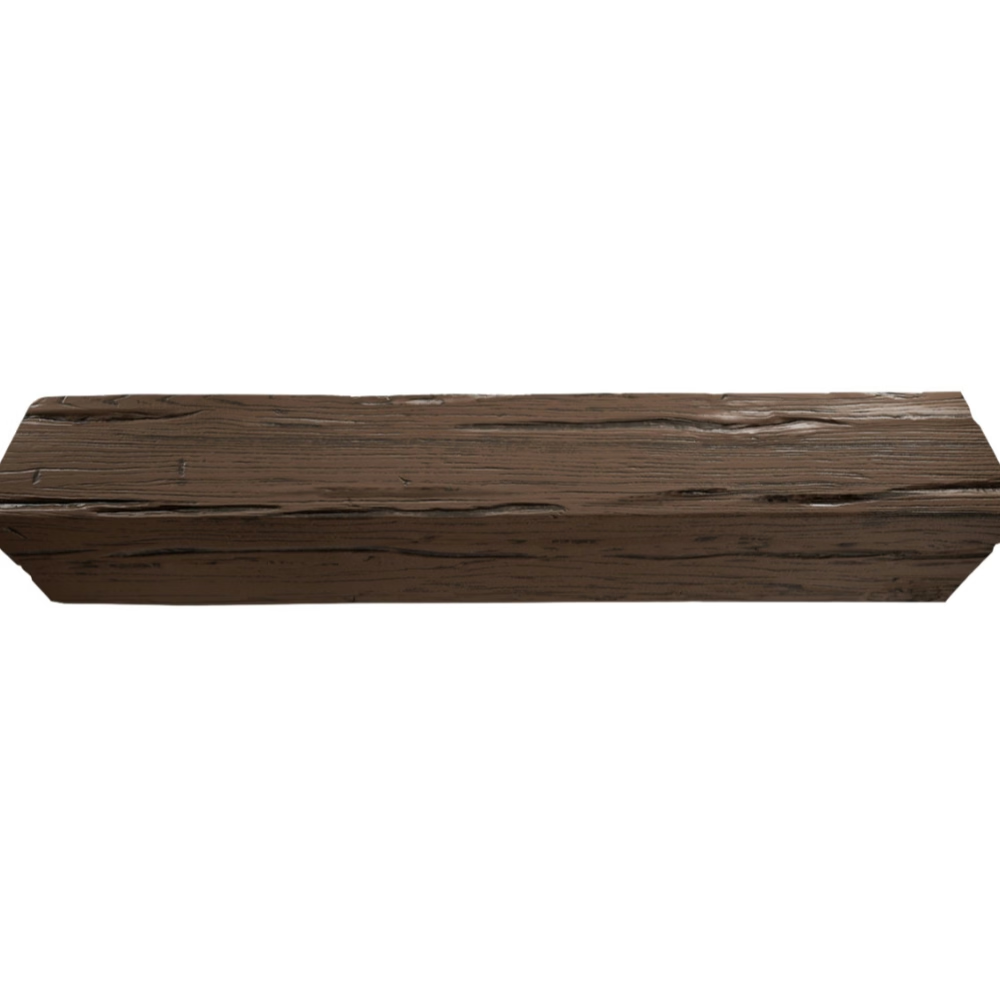
All-In-One PU Resin Rafter Tails & Faux Beam Combination Packages
Authentic timber construction reveals itself in the rafter tails—the extending end pieces that peek out from under roof eaves, creating shadow lines and visual weight that define traditional architectural character. Replicating this detail with modern materials requires understanding how rafter tails function structurally and aesthetically within the overall beam system. Combination packages that address both elements simultaneously deliver results that standalone products simply cannot match.
The Architectural Logic of Rafter Tails
In original timber frame construction, rafter tails served practical purposes: they supported gutter systems, provided attachment points for soffit materials, and channeled water away from wall surfaces. Their visual presence became architectural shorthand for structural authenticity—a building vocabulary that modern construction gradually abandoned as cost pressures encouraged simpler roof geometries.
Faux beam manufacturers rediscovered rafter tail detailing when designers began demanding more than flat-ended beam profiles. A beam that terminates flat against a wall lacks the dimensional interest that characterizes historic architecture. Rafter tail extensions create the impression of beams extending through wall planes, suggesting depth and structural honesty even in rooms where the roof structure remains hidden.
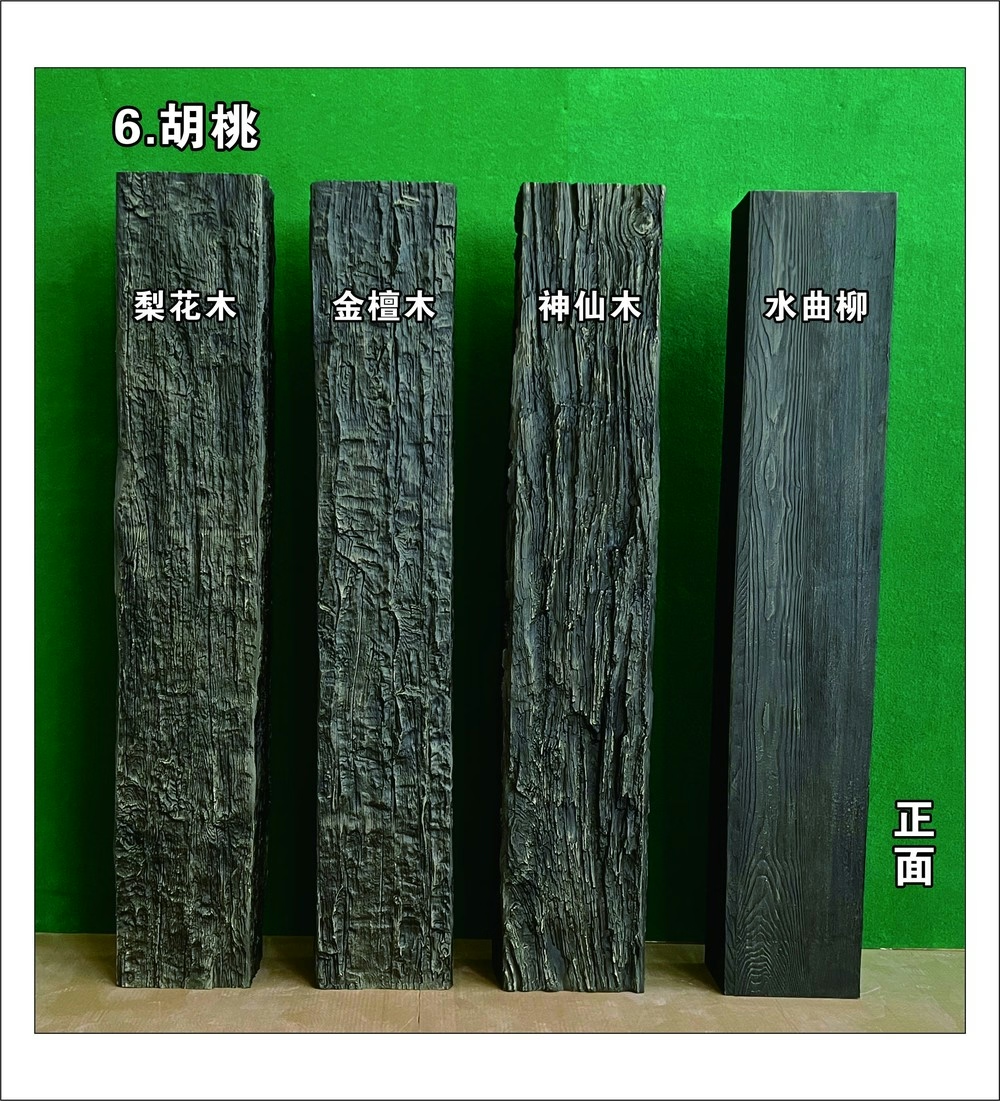
Why Combination Packages Outperform Component Shopping
The technical challenge with combining rafter tails and beams lies in dimensional coordination. Rafter tails must align perfectly with beam faces, match texture patterns continuously across joints, and present consistent color when viewed from typical sight angles. Achieving this coordination when sourcing beams and tails separately requires extensive on-site adjustment—cutting, filling, touching up—that introduces variability and delays.
Factory-combined packages eliminate this variability. Beams and tails are manufactured as matched systems, processed through identical texture and color workflows, and shipped ready for installation without field modification. The joint between beam body and rafter tail arrives pre-finished, requiring only standard adhesive application and mechanical fastening.
Profile Matching and Style Coordination
Different architectural styles demand different rafter tail profiles. Craftsman-style homes feature square-cut tails with subtle chamfered edges. Victorian and Queen Anne architectures showcase more elaborate scroll-sawn profiles. Mediterranean and Spanish Colonial styles often use curved corbel-style tails that reference historic roof construction. Combination packages address this variety by offering multiple profile options that pair with corresponding beam styles.
The color-matching process accounts for how rafter tails read against beam faces under various lighting conditions. Outdoor installation reveals color variations that interior viewing might not expose, making exterior-grade combination packages particularly attentive to UV-stable pigmentation and consistent finish application.
Installation Workflow Advantages
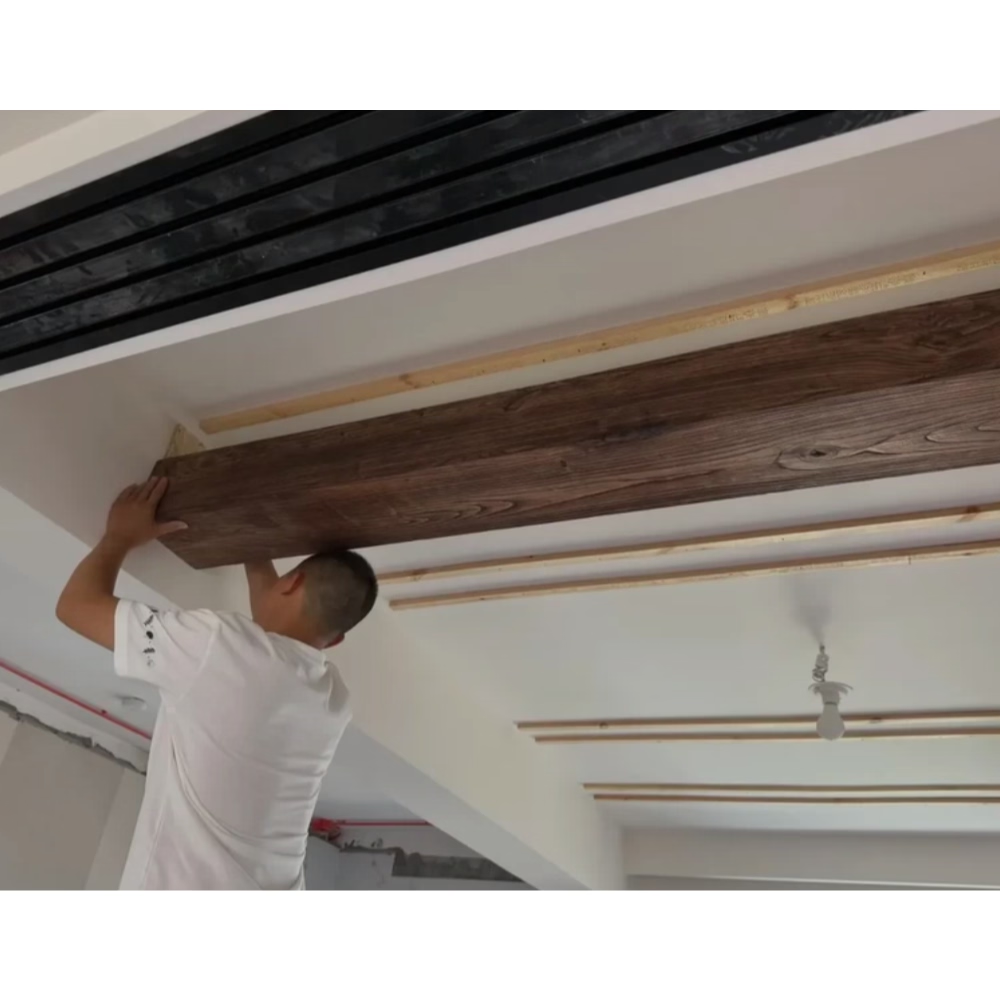
Contractors who have installed both combined and separate rafter tail systems report meaningful efficiency gains with integrated packages. The mounting sequence simplifies: instead of positioning beams, then measuring and installing separate tails, combined units position and mount as single elements. This reduces installation steps by approximately 40% for typical gable-end or exposed-eave applications.
For multi-unit construction where identical rafter tail and beam combinations repeat across many roof planes, consolidated packages enable standardized installation procedures that accelerate worker training and maintain consistent quality across the project scope.
International Market Considerations
Export packages for international markets must account for varying roof construction standards and aesthetic preferences. European markets often favor more subtle rafter tail profiles than North American equivalents. Middle Eastern projects may specify larger-scale rafter tail extensions that accommodate specific shade and shadow requirements. Combination packages that offer modular rafter tail options—interchangeable tails that mount to standard beam bodies—provide flexibility for these diverse market requirements without multiplying inventory complexity.
Technical References
ASTM standards cited in every specification
Test Data
Lab results from internal testing program
Updated 2026
Reviewed against current product specs