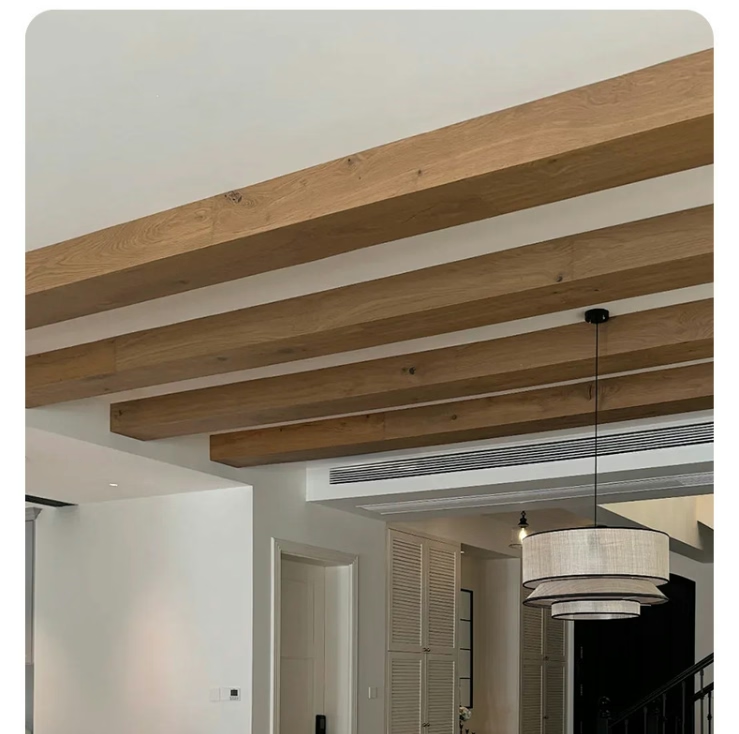
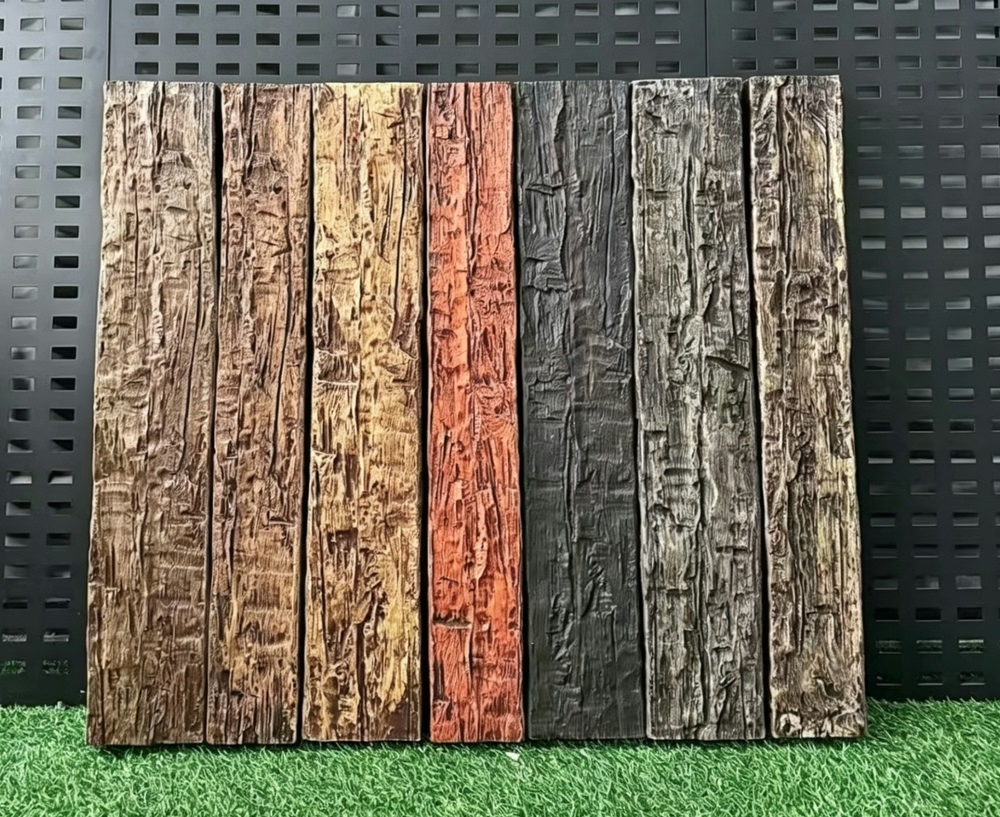
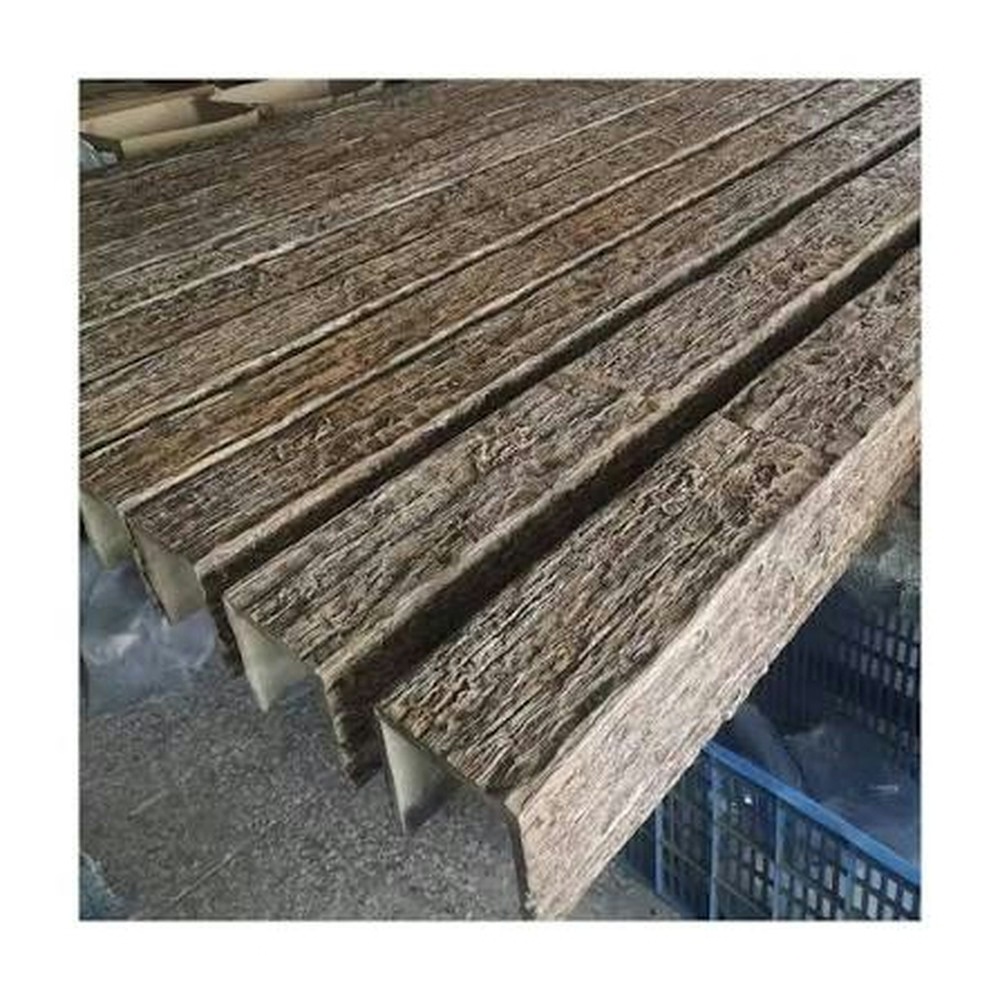
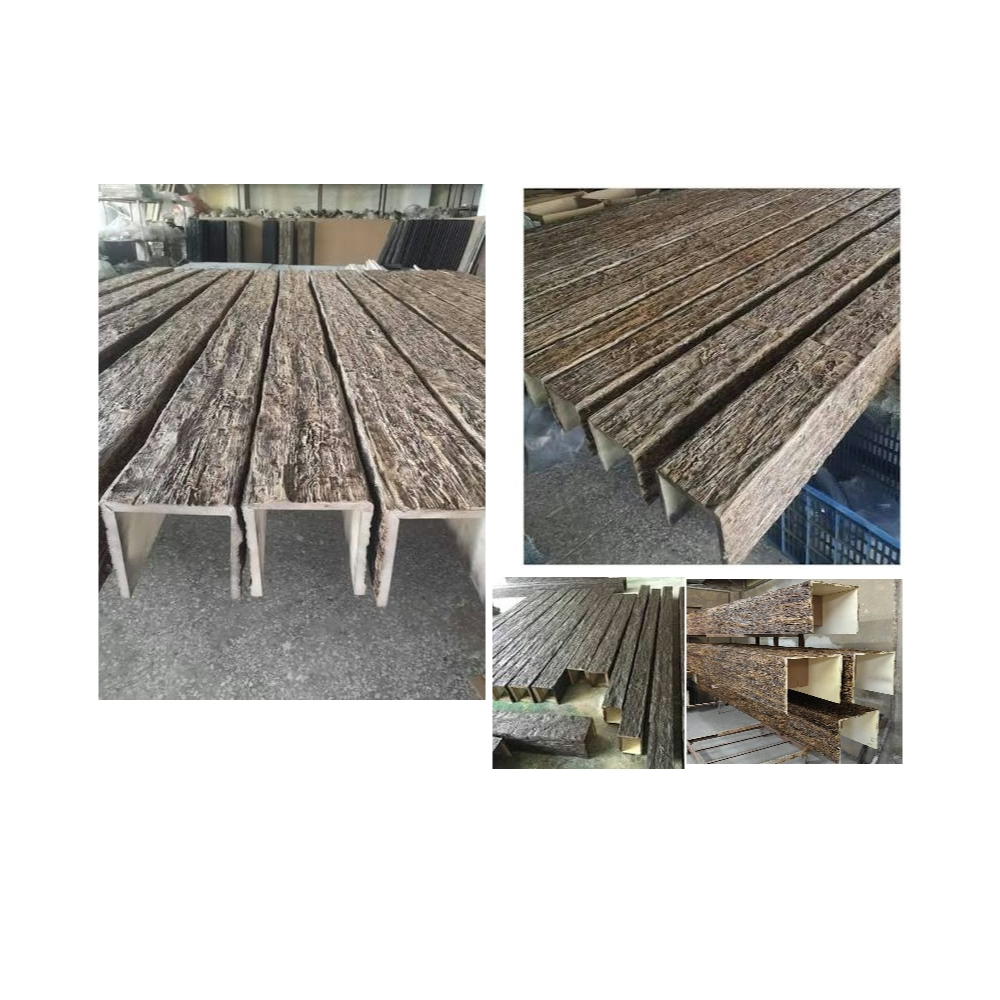
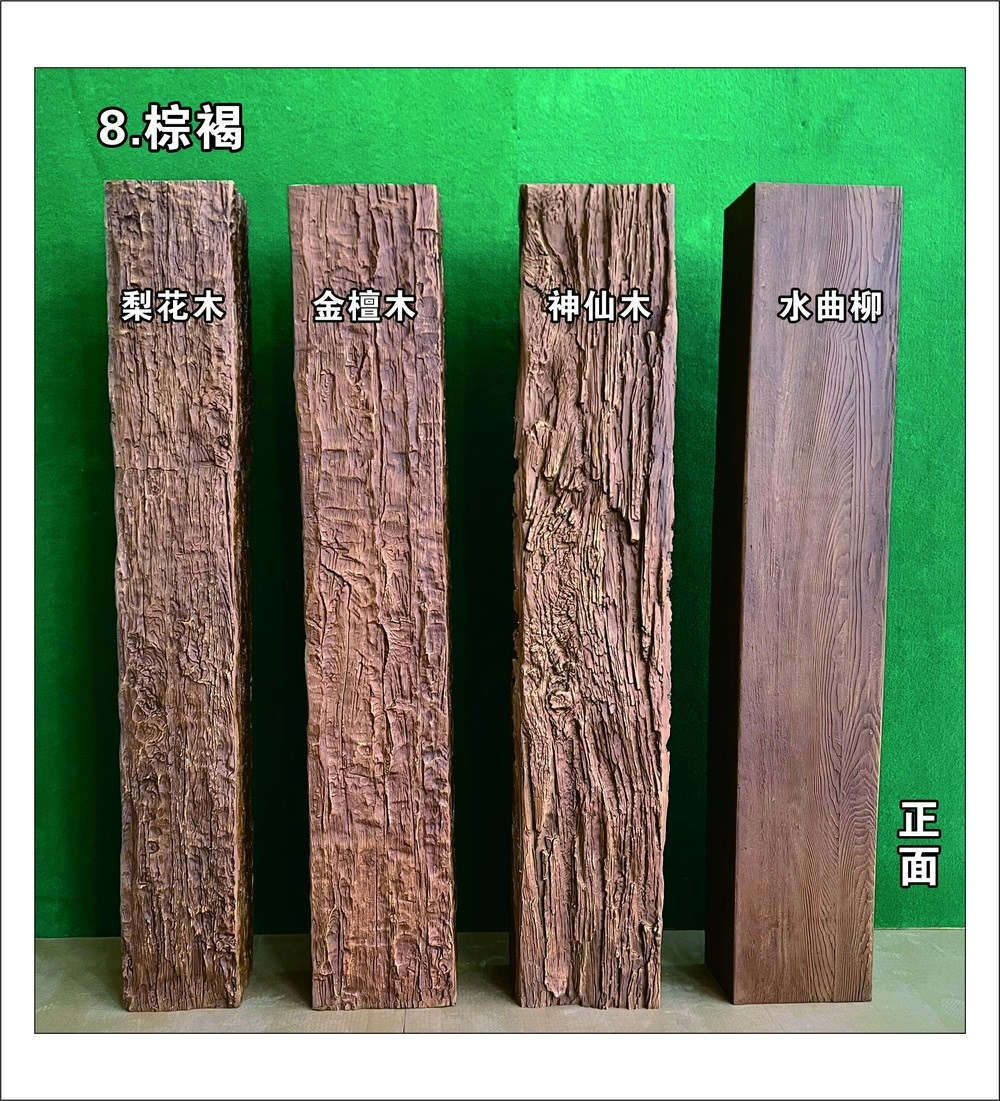
Amazon Popular PU Faux Wood Beams for Global Home Decoration Sales
The home decoration market has embraced polyurethane faux wood beams with remarkable enthusiasm, driven by social media visibility, home improvement television influence, and the growing DIY confidence of mainstream consumers. Amazon's marketplace has become the primary discovery and purchase channel for this product category, with certain beam styles consistently outperforming others in sales velocity, review frequency, and repeat purchase behavior.
What Makes Faux Beams Popular on Amazon
Consumer purchasing behavior on Amazon reveals clear patterns that distinguish successful products from underperforming alternatives. For faux wood beams, several factors correlate strongly with bestseller status:
First-mover advantage matters significantly in this category. Products that established review accumulation and search ranking early in category growth captured disproportionate market share that later entrants struggle to displace. These established products benefit from the visibility algorithm that rewards historical performance, creating a self-reinforcing advantage that only substantial marketing investment can challenge.
Aesthetic mainstream alignment influences purchasing decisions strongly. Beams that reflect current design trends—grey washes, whitewashed finishes, natural oak appearances—outperform specialty products that require specific stylistic alignment. Consumers shopping for faux beams often lack the confidence to deviate from proven looks, preferring products that their social media browsing has already validated.
Price sensitivity in the category has increased as competition intensified. Products that occupy the middle price tier—neither budget廉价的 nor premium-priced—capture the largest customer segment, though this segment experiences the fiercest competitive pressure from new entrants.
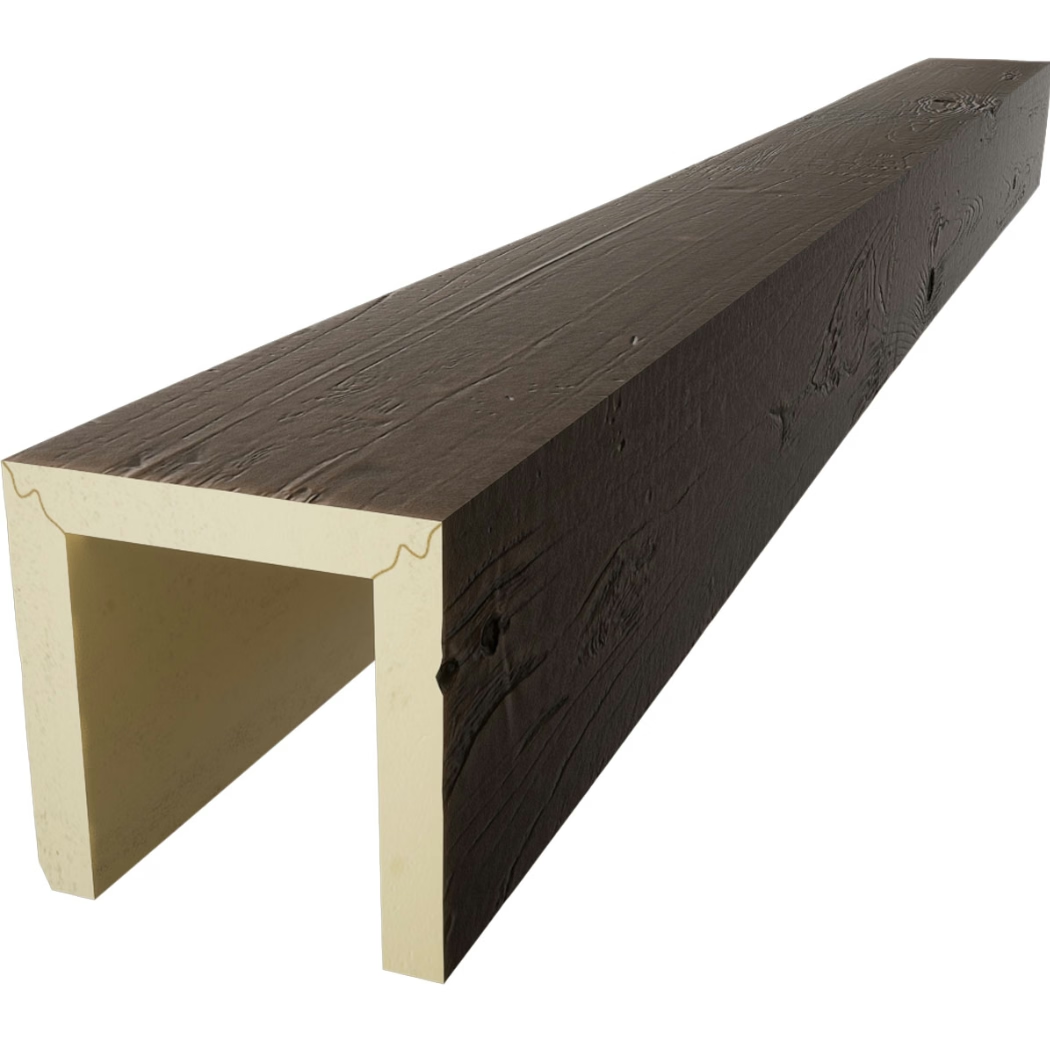
Global Market Variations
The popularity hierarchy varies meaningfully across Amazon marketplaces serving different regions. North American customers show strongest preference for rustic and farmhouse styles, reflecting the enduring influence of Joanna Gaines-style interior design across US markets. European buyers gravitate toward more refined profiles with subtle textures, aligning with traditional European architectural preferences that favor craftsmanship over刻意做旧 (deliberate artificial aging).
Middle Eastern markets favor larger-scale beams appropriate to the generous ceiling heights common in regional architecture, while Asian markets demonstrate preference for smaller proportions that complement more modest residential scales. These variations suggest that globally successful faux beam sellers customize their offerings by market rather than pursuing one-size-fits-all standardization.
Review Velocity and Rating Impact
Amazon's algorithm weights recent review activity alongside aggregate ratings, meaning that products generating steady review accumulation maintain ranking advantages over competitors with higher lifetime ratings but declining review rates. This dynamic rewards consistent marketing investment over one-time promotional spikes.
Sellers have discovered various approaches to review solicitation, from packaging inserts that guide customers toward review submission to post-purchase email sequences that request feedback. These approaches operate in tension with Amazon's policies prohibiting review manipulation, requiring careful implementation that provides value to reviewers without incentivizing specific ratings.
Seasonal Pattern Recognition
Faux beam purchases follow predictable seasonal patterns that sophisticated sellers exploit. Spring and early summer see elevated purchase activity as homeowners tackle outdoor projects and covered patio installations. Late summer and fall purchases support indoor projects that address back-to-school and pre-holiday renovation timelines. Winter months see reduced primary purchases but elevated accessory and replacement part orders as existing beam installations require touch-up or repair.
Inventory planning based on these patterns prevents both stockouts during peak demand and carrying cost accumulation during seasonal troughs. Sellers who master this rhythm achieve inventory turns that maximize profitability within limited working capital constraints.
Competitive Positioning Strategies
Entering established categories requires clear differentiation that gives new products a compelling reason to capture market share. Successful approaches include:
Niche specialization that addresses underserved segments—exterior-only products, fire-rated formulations, oversized beams for commercial applications. Bundle strategies that combine beams with mounting hardware, adhesives, or finishing materials in packages that simplify purchasing decisions. Quality differentiation that justifies premium pricing through documented specifications, extended warranties, or third-party certification.
Each strategy carries different risk profiles and margin potential, requiring seller analysis of their specific competitive position before committing to approach.
Technical References
ASTM standards cited in every specification
Test Data
Lab results from internal testing program
Updated 2026
Reviewed against current product specs