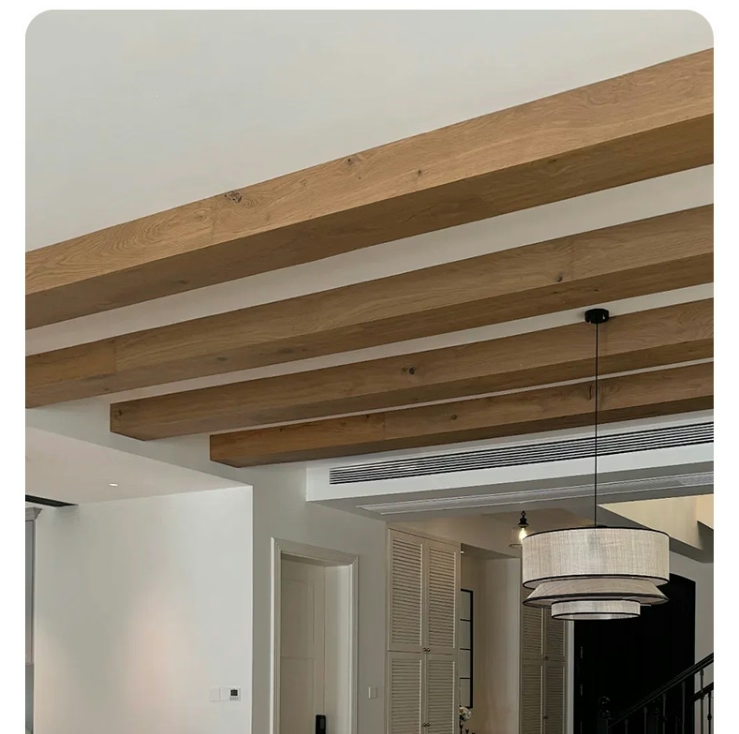
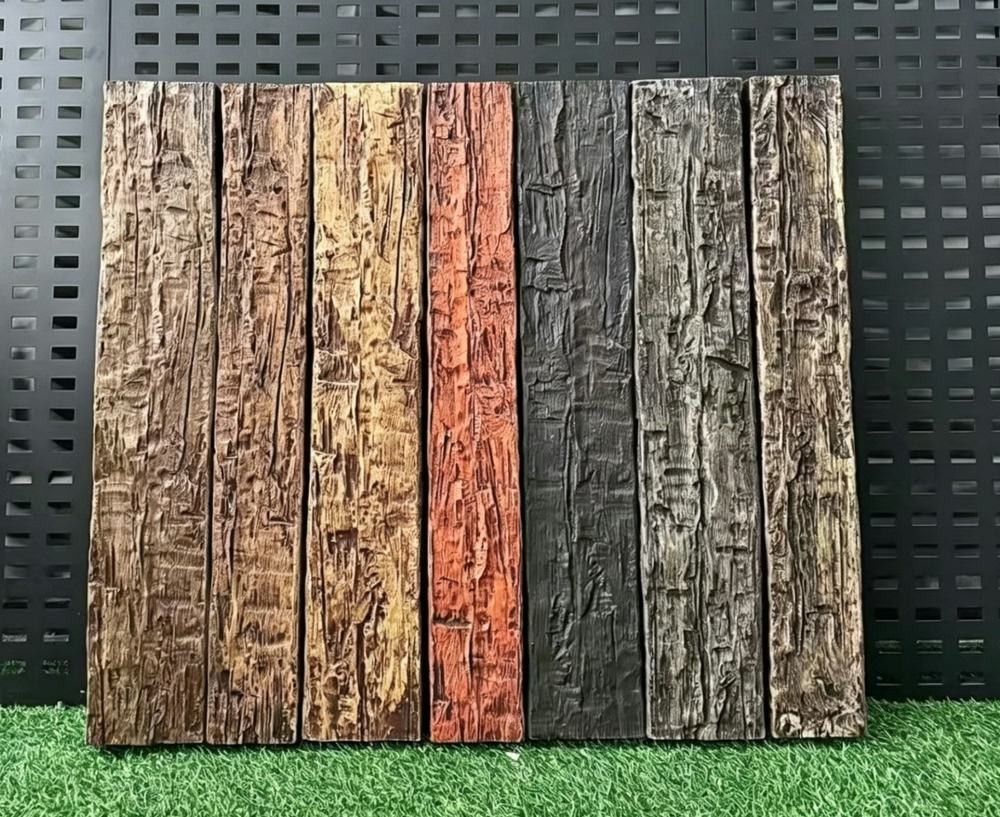
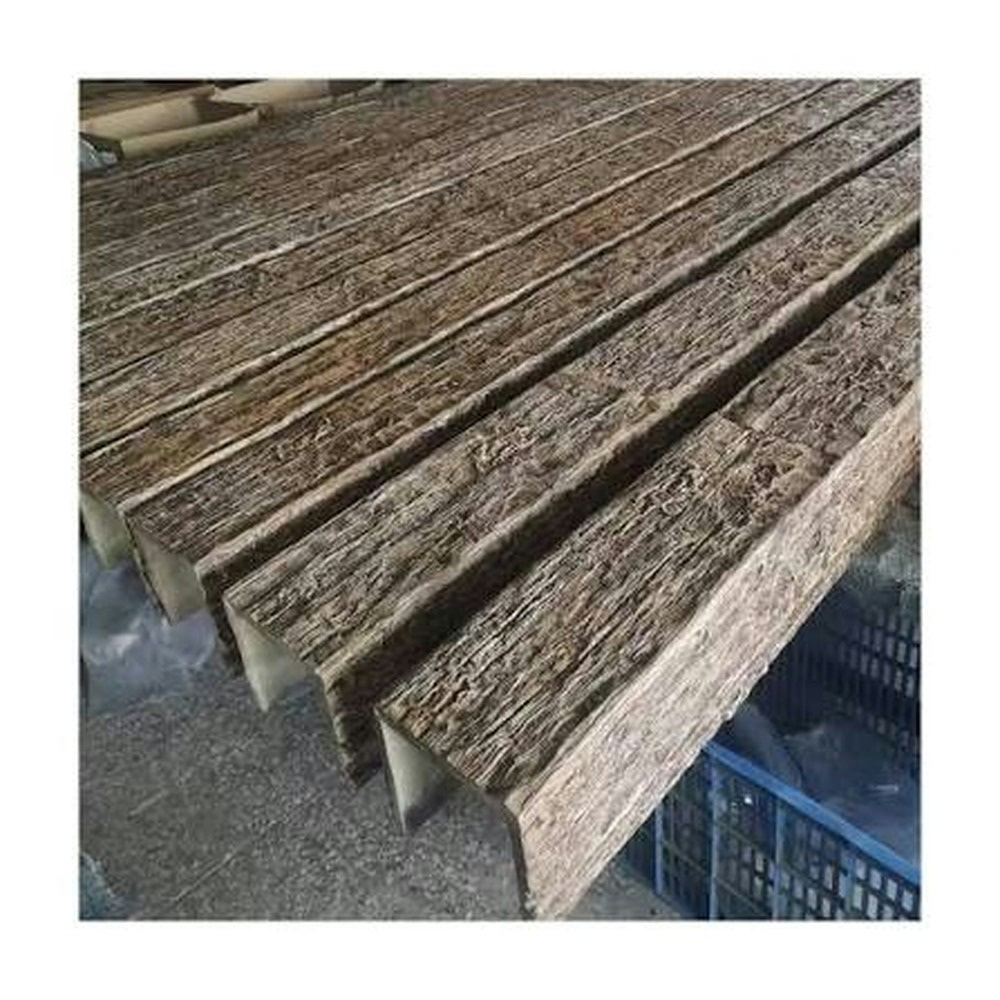
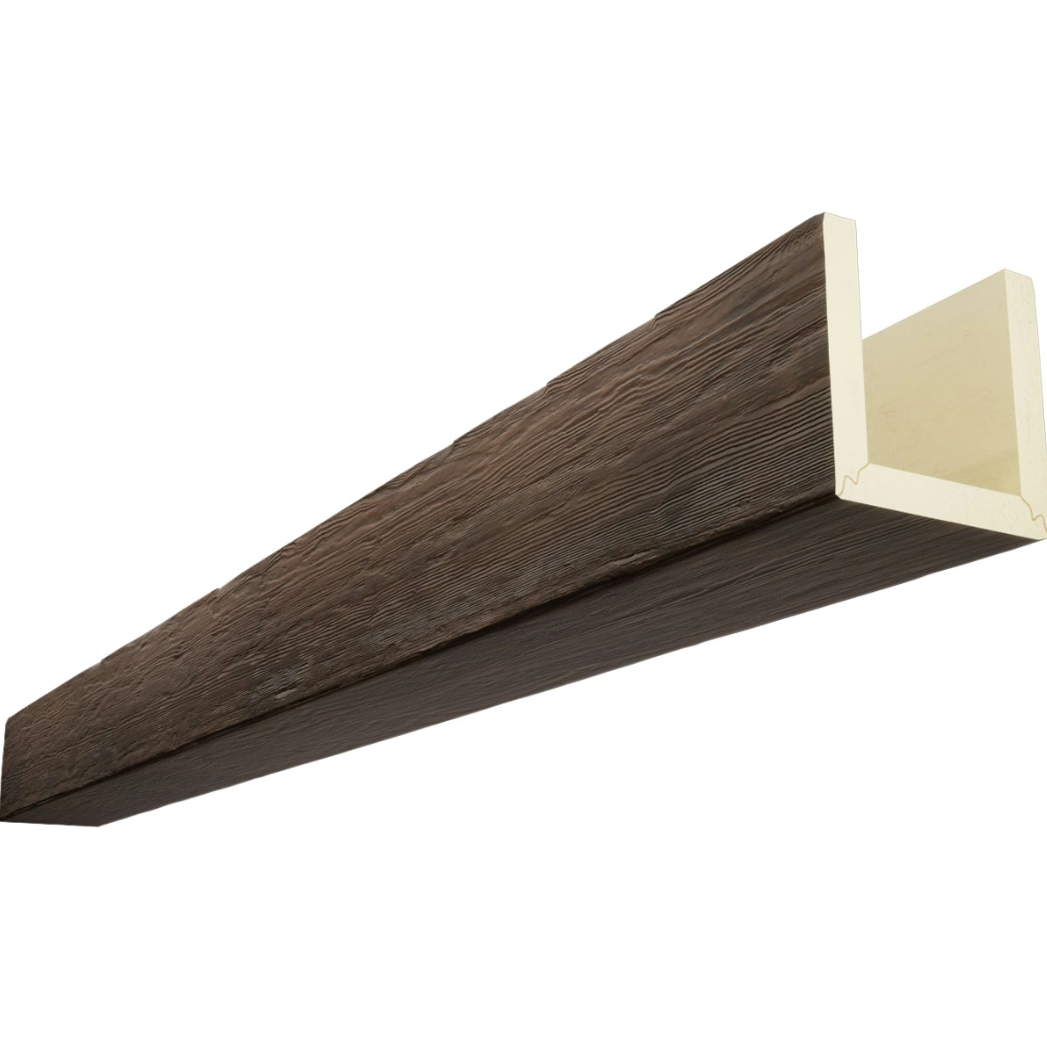
Amazon Top Selling PU Faux Wood Ceiling Beams for Global Wholesale
Wholesale buyers sourcing faux wood beams for resale face different decision frameworks than individual consumers. Volume purchasing, margin requirements, shipping logistics, and product consistency across multiple shipments all factor into procurement choices that consumer-focused marketing rarely addresses. Understanding what makes certain beams top sellers in wholesale channels reveals the commercial dynamics that drive this market segment.
Wholesale Buyer Priorities
Professional buyers evaluating faux beam products prioritize different characteristics than retail shoppers. Consistency ranks highest: when resellers commit to a product line, they need assurance that subsequent orders will match previous purchases exactly. Color variations, texture differences, and dimensional inconsistencies that might be acceptable in one-time consumer purchases become disqualifying defects when customers expect product matching across multi-piece installations.
Price-per-unit economics drive purchasing decisions at scale. While consumers compare total costs and shipping fees, wholesale buyers calculate landed costs per unit including shipping, handling, customs duties, and the inventory carrying costs that bulk purchasing entails. Products that appear economical at unit pricing may prove expensive when total landed costs are calculated.
Lead time reliability matters enormously to resellers managing customer expectations. When contractors and homeowners expect installations on specific dates, supply chain delays translate directly into professional reputation damage. Wholesale suppliers that consistently meet committed delivery windows build relationships that outlast marginal price differences.
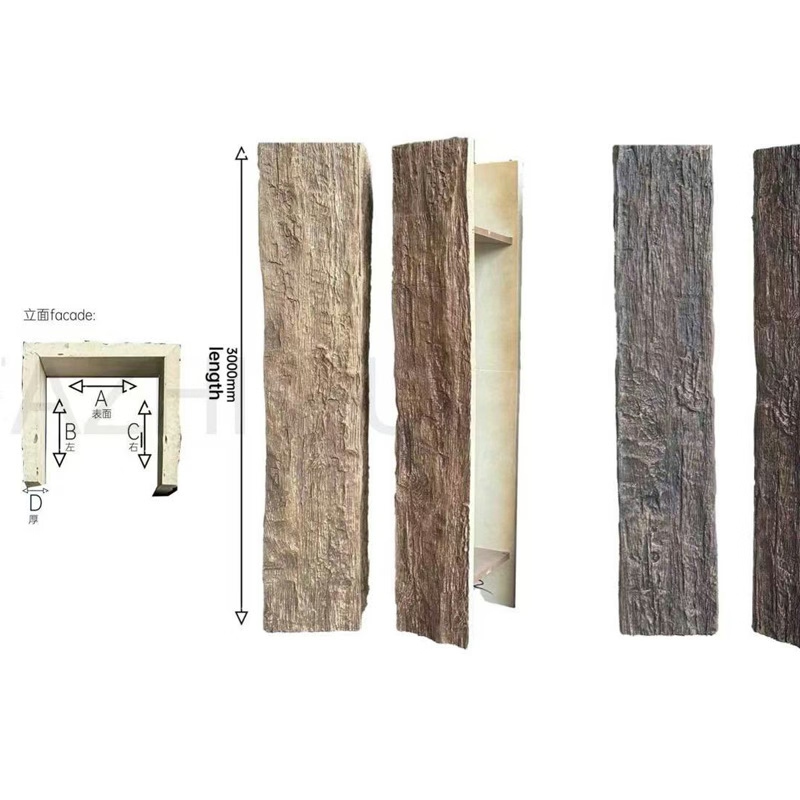
Top Selling Styles in Commercial Channels
Wholesale purchasing data reveals clear style preferences that differ from retail bestseller patterns. Commercial buyers favor:
Clean-profile beams that appeal to broader customer bases rather than specialized aesthetics. Standard dimensions that simplify inventory management and enable rapid fulfillment without custom order requirements. Neutral finishes that accept staining or painting if customers desire customization. Structural simplicity that reduces installation complexity and associated liability.
These preferences reflect commercial buyers' need to minimize inventory risk on products that must appeal to unknown future customers rather than specific design intentions they control.

Global Wholesale Market Structure
The faux beam wholesale market operates across multiple tiers: manufacturers selling directly to large retailers, distributors supplying independent home improvement stores, and importers serving regional wholesale operations. Each channel involves different margin structures, service expectations, and quality requirements.
Asian manufacturers, particularly Chinese producers, dominate volume production for this category, benefiting from raw material costs, manufacturing scale, and logistics infrastructure that enables competitive landed pricing in North American and European markets. Quality variation among manufacturers remains significant, requiring buyer diligence to identify suppliers capable of consistent quality at scale.
Export Documentation and Compliance
International wholesale transactions involve documentation requirements that domestic shipments bypass. Commercial invoices, certificates of origin, packing lists, and export declarations all require accurate completion to enable customs clearance at destination ports.
Polyurethane products face specific regulatory considerations in various markets. European REACH compliance requirements, US EPA regulations on chemical content, and regional chemical registration requirements all impose compliance obligations that ethical manufacturers address proactively. Wholesale buyers should verify supplier compliance documentation before committing to substantial orders.
Building Supplier Relationships
Successful wholesale relationships extend beyond transactional purchasing into partnership territory where both parties benefit from long-term stability. Manufacturers willing to invest in relationship development offer benefits that transactional suppliers cannot match: custom color development, exclusive product arrangements, flexible minimum order quantities during demand fluctuations, and priority allocation during supply shortages.
Wholesale buyers who cultivate these relationships develop competitive advantages through access to products and pricing that transactional competitors cannot access. The investment in relationship building—regular communication, prompt payment, constructive feedback on quality issues—generates returns that compound over time.
Technical References
ASTM standards cited in every specification
Test Data
Lab results from internal testing program
Updated 2026
Reviewed against current product specs