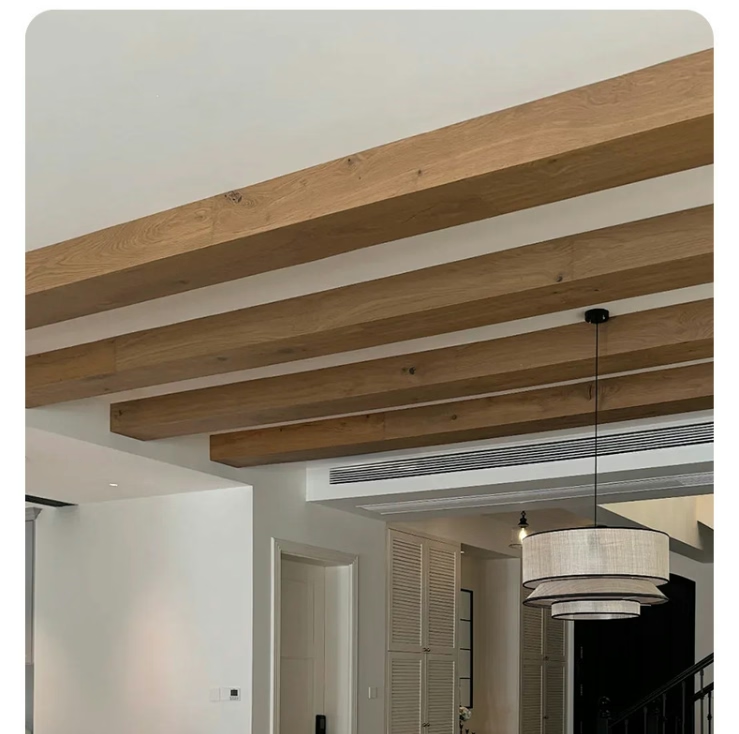
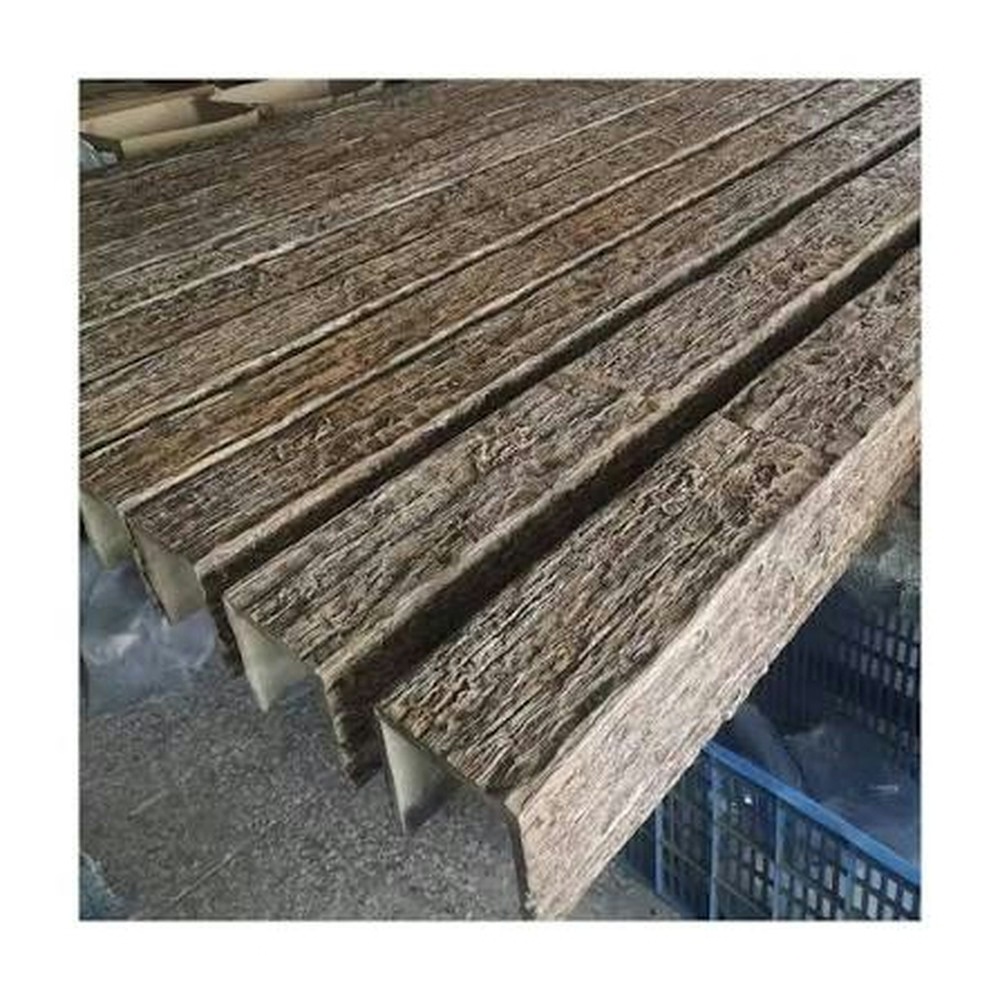
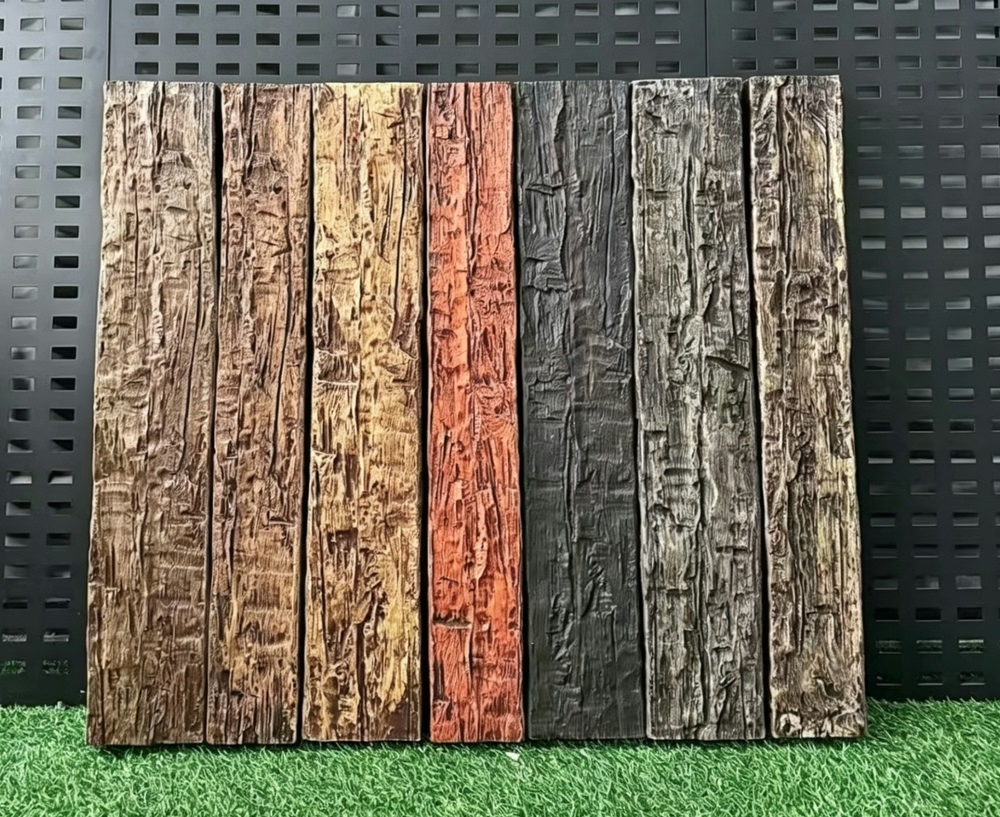
Anti-Aging Wear-Resistant PU Resin Decorative Ceiling Faux Beams
The passage of time affects all materials, but premium polyurethane formulations resist the aging processes that degrade natural wood and lesser synthetics. Anti-aging wear-resistant decorative beams represent material science advances that extend product lifespans dramatically while maintaining the aesthetic qualities that make faux beams desirable. Understanding what wear resistance means in this context helps buyers evaluate products and set realistic performance expectations.
The Aging Challenge for Decorative Materials
Building materials face multiple aging mechanisms simultaneously. Physical aging occurs through temperature cycling that creates stress microcracks, through moisture absorption and release that warps and twists, and through mechanical loading that compresses and distorts. Chemical aging involves oxidation reactions that degrade polymer structures, UV exposure that breaks molecular bonds, and biological processes that colonize surfaces.
These mechanisms operate slowly under favorable conditions but accelerate dramatically when materials face challenging environments. A beam installed in a climate-controlled living room faces different aging pressure than one in an unconditioned porch, which faces different challenges than an exterior installation in a harsh climate.
PU Resin Technology for Longevity
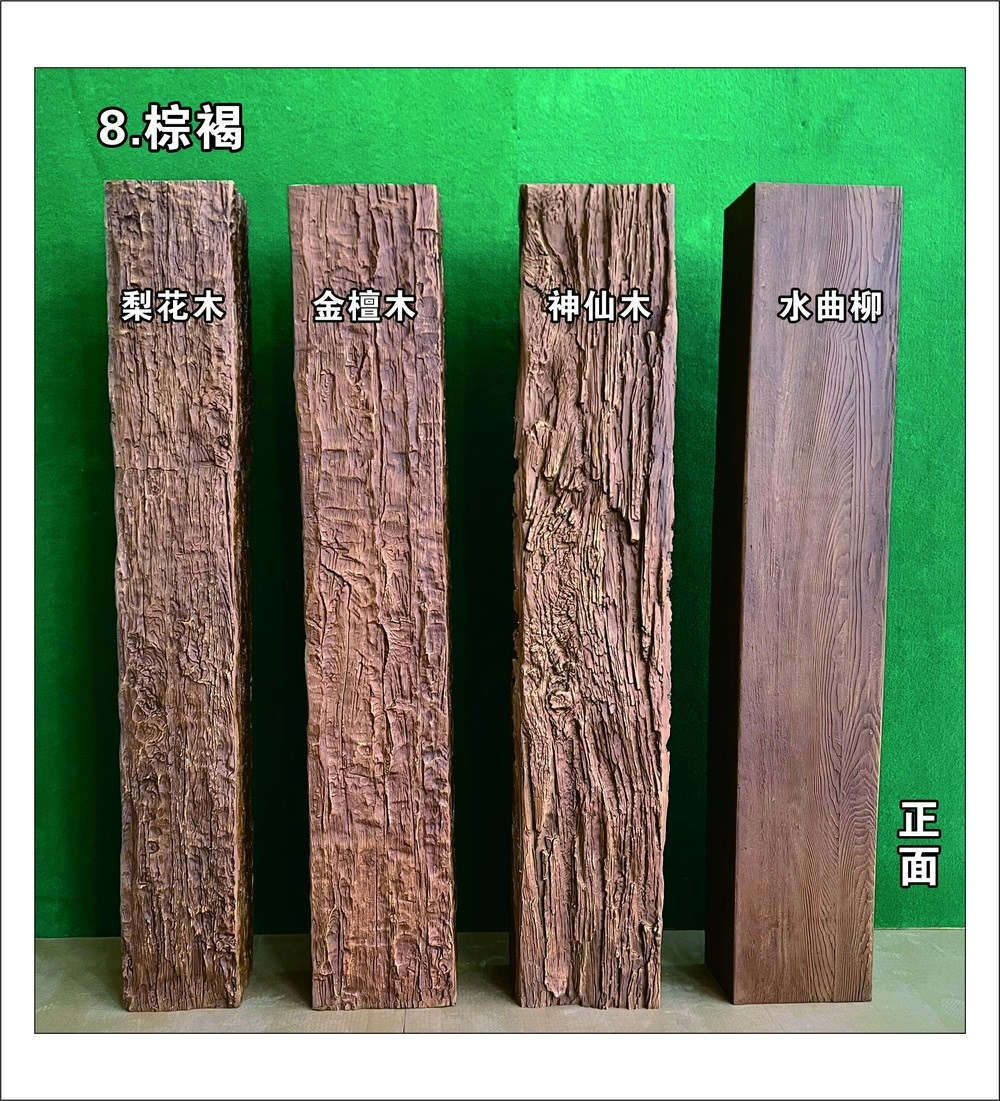
Polyurethane resin formulations incorporate stabilizers that interrupt or slow aging mechanisms. Antioxidants neutralize the oxidation reactions that degrade polymer chains. UV stabilizers absorb or scatter ultraviolet radiation before it breaks molecular bonds. Impact modifiers allow the material to flex under stress rather than crack under load.
The specific stabilizer packages vary by manufacturer and by product grade. Interior-grade products may use fewer stabilizers, optimizing for cost rather than maximum longevity. Exterior-grade products incorporate comprehensive stabilization addressing all relevant aging mechanisms. The performance difference between grades manifests primarily in long-term durability rather than initial appearance.
Wear Resistance Specifications
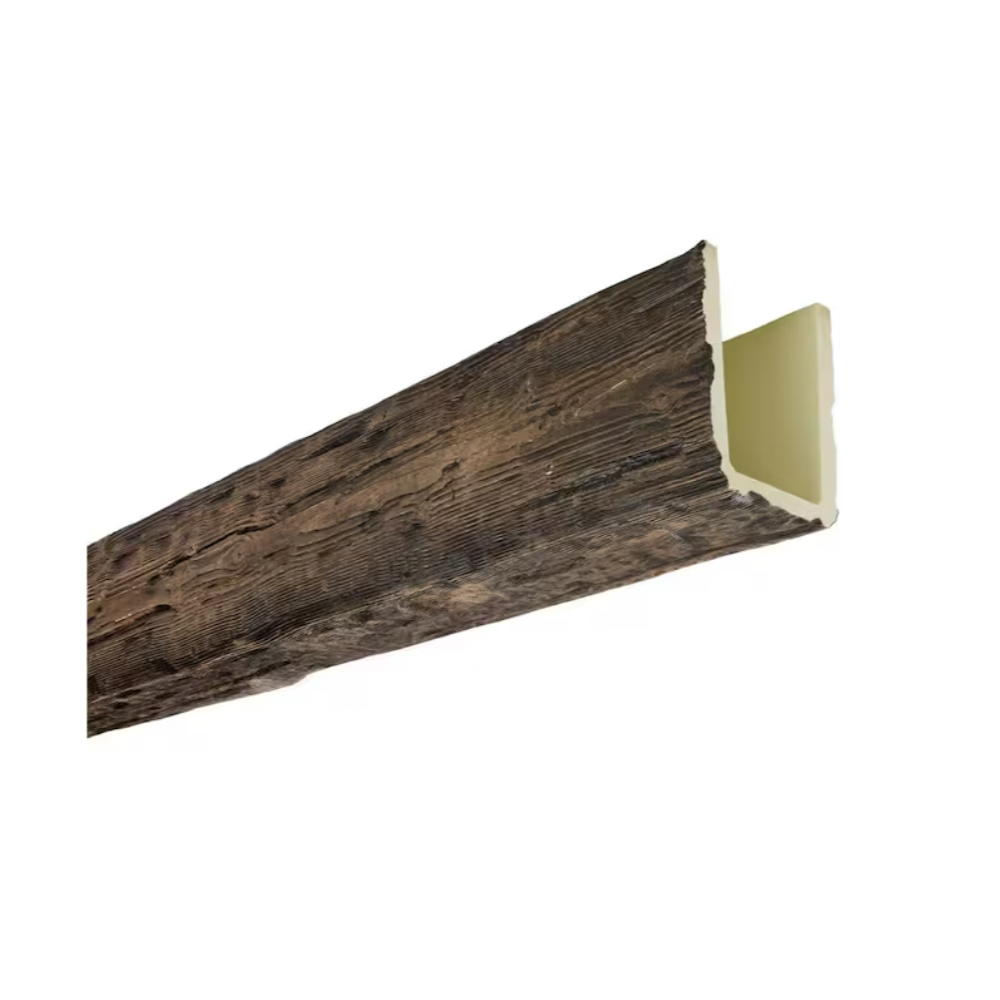
Wear resistance describes how materials withstand surface abrasion—the friction and impact that daily use imposes. For ceiling beams, direct wear is minimal since people rarely contact ceiling surfaces, but indirect wear occurs through cleaning, maintenance contact, and air movement that carries abrasive particles.
Surface hardness correlates with wear resistance but doesn't determine it exclusively. The best wear-resistant formulations balance surface hardness with flexibility and impact resistance, creating materials that resist scratching without becoming brittle. This balance distinguishes premium products from hard but fragile alternatives.
Professional specifications may reference ASTM or ISO test methods that quantify wear resistance numerically. While these values matter for commercial specification, residential buyers benefit from understanding that higher-quality products demonstrate superior wear resistance through years of problem-free service rather than through laboratory comparisons.
Maintenance Implications
Wear-resistant materials reduce maintenance requirements proportionally to their resistance level. Surfaces that resist scratching maintain their appearance through routine cleaning without special care. Materials that resist staining simplify the removal of accumulated grime. Impact resistance prevents the dents and dings that require repair or replacement.
The maintenance advantage compounds over time: a beam that requires refinishing every five years versus every fifteen years represents dramatically different lifetime costs. When buyers evaluate initial price against projected maintenance, wear-resistant premium products often prove more economical despite higher upfront costs.
Warranty as Quality Indicator
Manufacturers willing to warranty their products against aging-related failure demonstrate confidence in their formulations. Short warranties indicate manufacturer uncertainty about long-term performance. Extended warranties—ten years, fifteen years, or lifetime coverage—suggest formulations tested extensively and proven in service.
Buyers should read warranty terms carefully to understand what failures are covered and what conditions void coverage. Some warranties cover only manufacturing defects while others address aging-related performance loss. Understanding these distinctions prevents unpleasant surprises when warranty claims are evaluated.
Technical References
ASTM standards cited in every specification
Test Data
Lab results from internal testing program
Updated 2026
Reviewed against current product specs