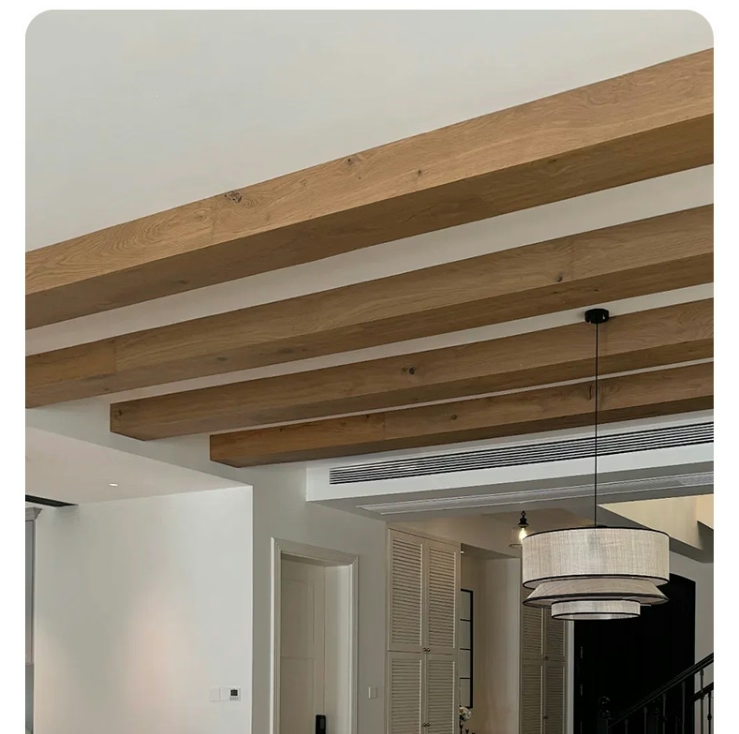
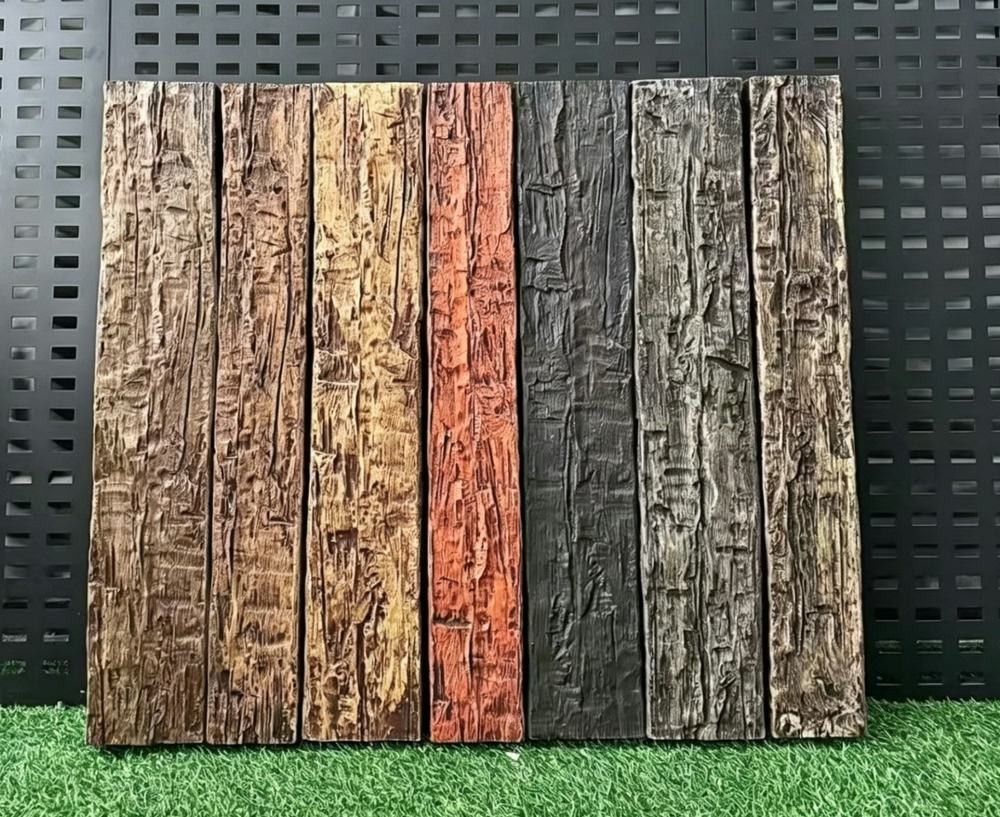
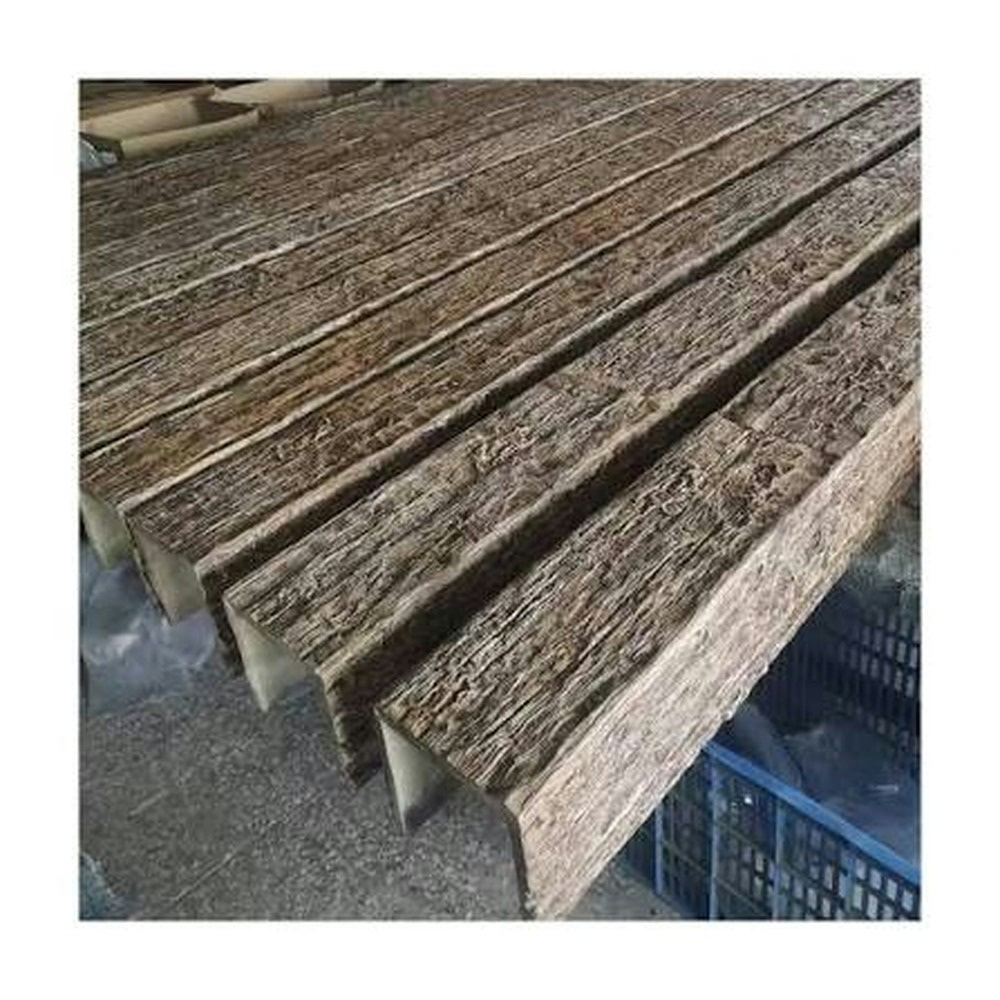
Anti-Fungal Anti-Mold PU Faux Timber Beams for Damp Spa and Wine Cellar Interiors
Spa environments and wine cellars share a common enemy: persistent humidity that creates conditions favorable to biological growth. Natural wood materials struggle in these applications—moisture absorption leads to mold colonization, structural degradation, and the persistent musty odors that contradict the fresh, clean atmosphere these spaces should provide. Polyurethane faux timber beams with anti-fungal and anti-mold properties address these challenges directly, providing aesthetic warmth without the biological vulnerability that limits natural wood in damp interiors.
Why Damp Spaces Challenge Conventional Materials
Humid environments create continuous moisture exposure that tests material limits. Unlike occasional spills or transient humidity that normal spaces experience, spa and wine cellar conditions maintain elevated moisture levels constantly. This sustained exposure overwhelms the natural defenses that wood species deploy against biological threats.
Mold and fungus require three elements to colonize surfaces: organic material as food source, adequate moisture, and suitable temperature. Conventional polyurethane provides the first element—some formulations contain organic compounds that mold can metabolize. Premium anti-fungal formulations eliminate this food source or add compounds that prevent metabolic function even when moisture and temperature favor growth.
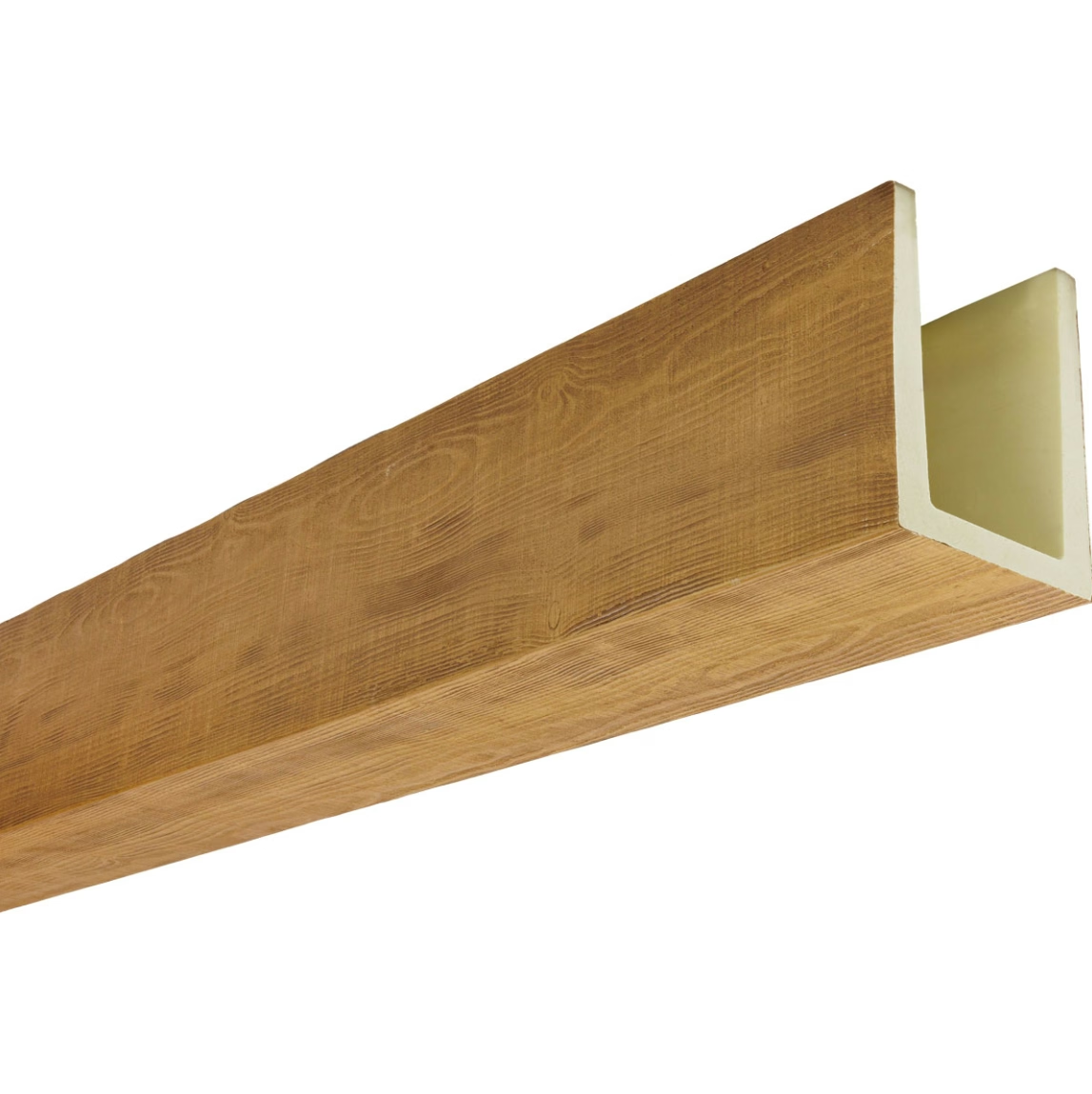
Antimicrobial Additive Technologies
Modern antimicrobial treatments operate through several mechanisms:
Biostatic agents inhibit microbial reproduction without killing organisms directly. When surface colonization cannot proceed, the material remains free of visible growth even if initial contamination occurs. Contact-killing agents destroy organisms on contact through membrane disruption or metabolic interference. This approach provides more aggressive protection but requires direct organism contact with treated surfaces.
The most effective anti-fungal beam formulations combine both approaches, providing immediate contact kill and sustained inhibition against future colonization. These combination systems cost more than single-mechanism treatments but deliver comprehensive protection that single-mechanism approaches cannot match.
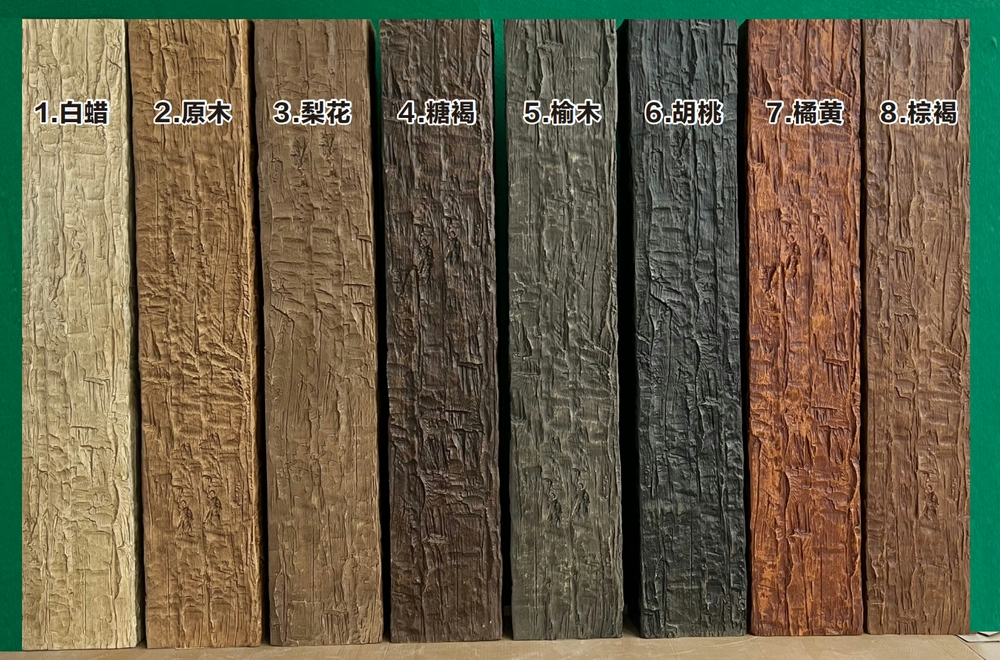
Spa Environment Specifications
Spa interiors face the most demanding humidity conditions in residential and commercial construction. Indoor pools, steam rooms, and hydrotherapy facilities maintain relative humidity levels between 60% and 80% routinely, with temperature elevated beyond normal interior conditions. These parameters create ideal mold growth conditions that challenge even premium materials.
Anti-fungal beams for spa applications must address humidity exposure, elevated temperature, and chemical exposure from chlorine or bromine sanitizers. The antimicrobial treatment must remain effective despite continuous chemical contact, and the base material must resist the degradation that pool chemicals accelerate.
Professional spa designers verify that all materials in humid zones—including beams—carry appropriate certifications for the specific conditions involved. This verification prevents the specification changes that code compliance issues force during construction.
Wine Cellar Considerations
Wine cellars present different but equally demanding conditions. Temperature control maintains conditions between 55°F and 58°F (13°C to 14°C) with humidity typically elevated to 50% to 70% for proper wine storage. These conditions promote mold on organic surfaces while remaining comfortable enough for human occupation.
The cork-forward aesthetic of traditional wine cellars—where natural cork panels and wooden racks create the classic cellar atmosphere—conflicts with the mold-prone nature of organic materials. PU faux timber beams provide the warmth and character of wood without creating the biological vulnerability that authentic timber would exhibit.
Wine cellar beams benefit additionally from the dimensional stability that polyurethane provides. Natural wood expands and contracts with humidity changes, potentially cracking plaster, distorting frames, or creating gaps that admit pests. PU beams maintain their dimensions regardless of cellar humidity, preserving the sealed environment that proper wine storage requires.
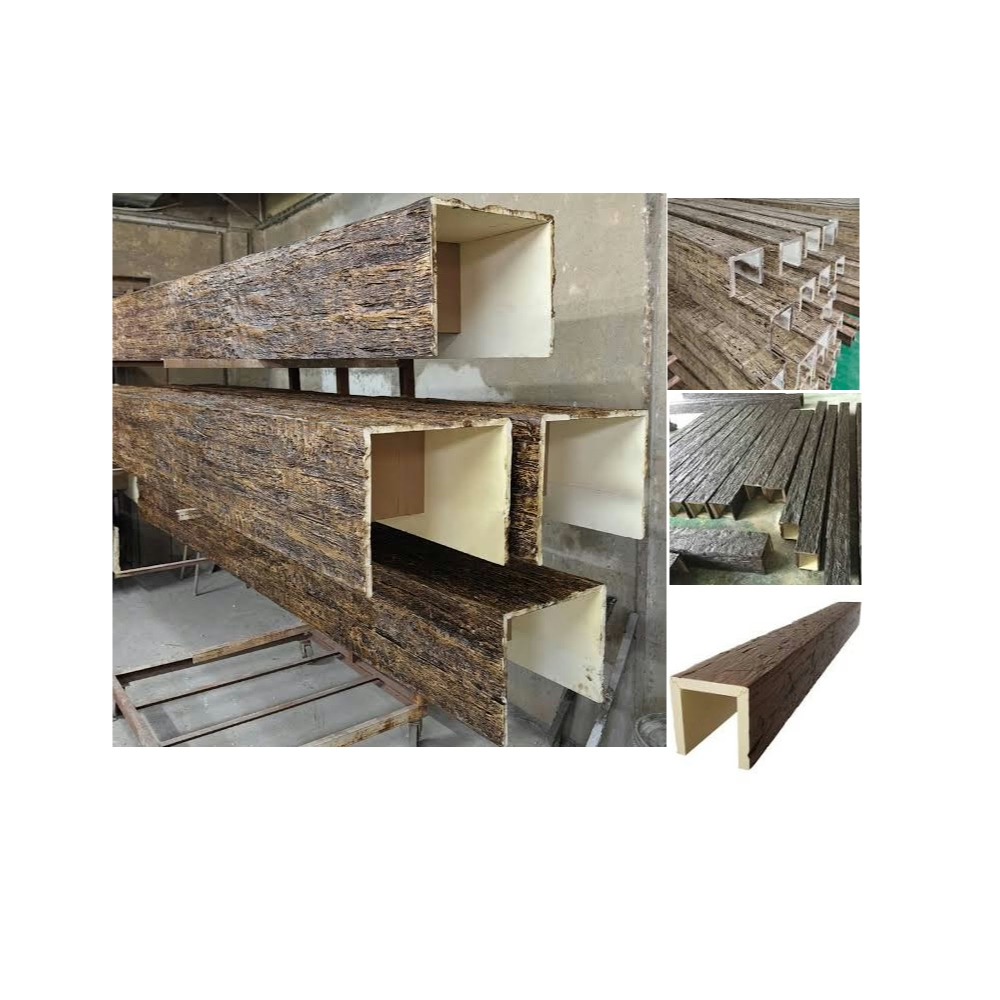
Installation in High-Humidity Environments
Proper installation technique becomes particularly important in damp spaces. Gaps or voids between beams and mounting surfaces create spaces where moisture accumulates, potentially creating localized conditions that overwhelm even anti-fungal treatments. Complete adhesive coverage that eliminates voids addresses this risk directly.
Ventilation system design affects long-term performance in ways that installation alone cannot resolve. Spaces with inadequate air circulation maintain humidity stratification that creates localized high-humidity zones even when overall space conditions appear acceptable. Working with mechanical engineers to ensure adequate ventilation protects beam investments along with other finishes.
Technical References
ASTM standards cited in every specification
Test Data
Lab results from internal testing program
Updated 2026
Reviewed against current product specs