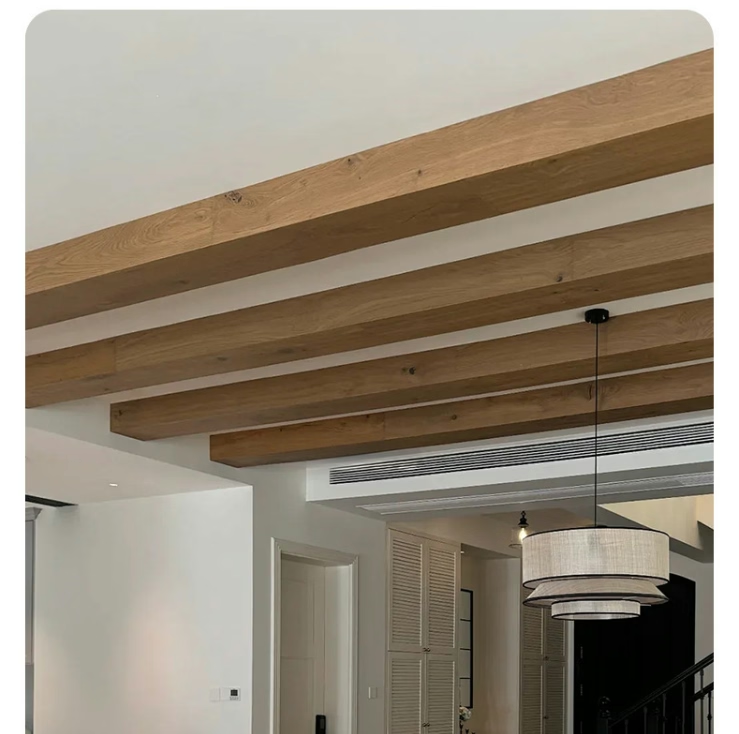
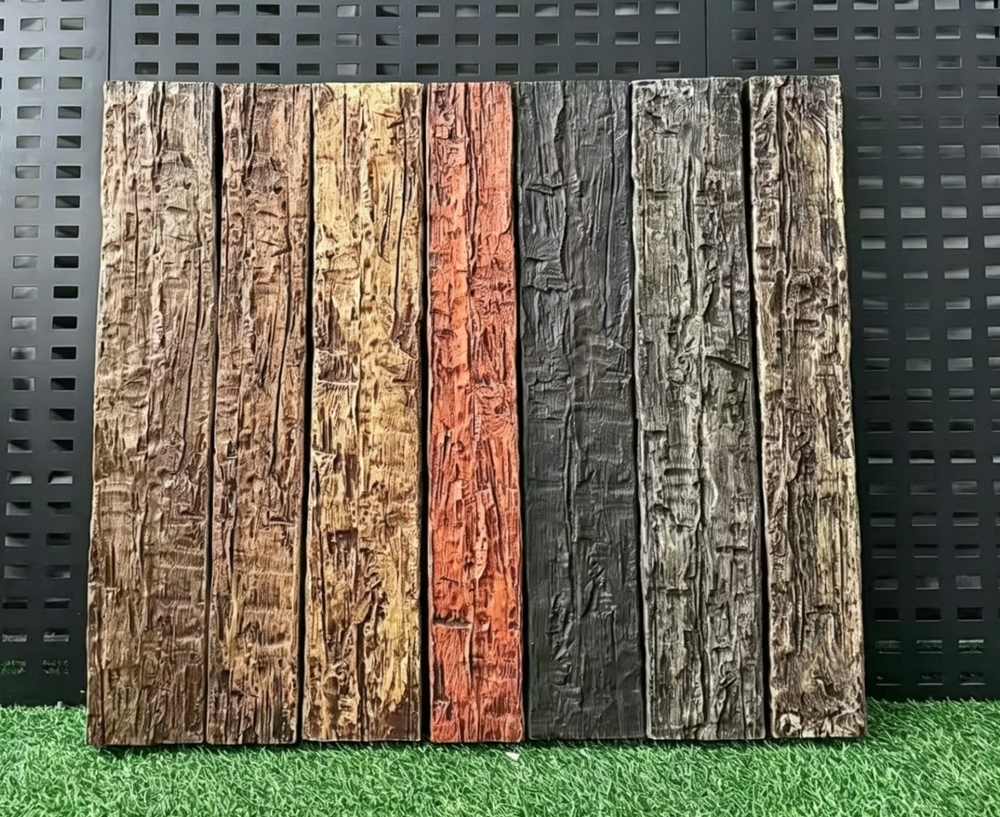
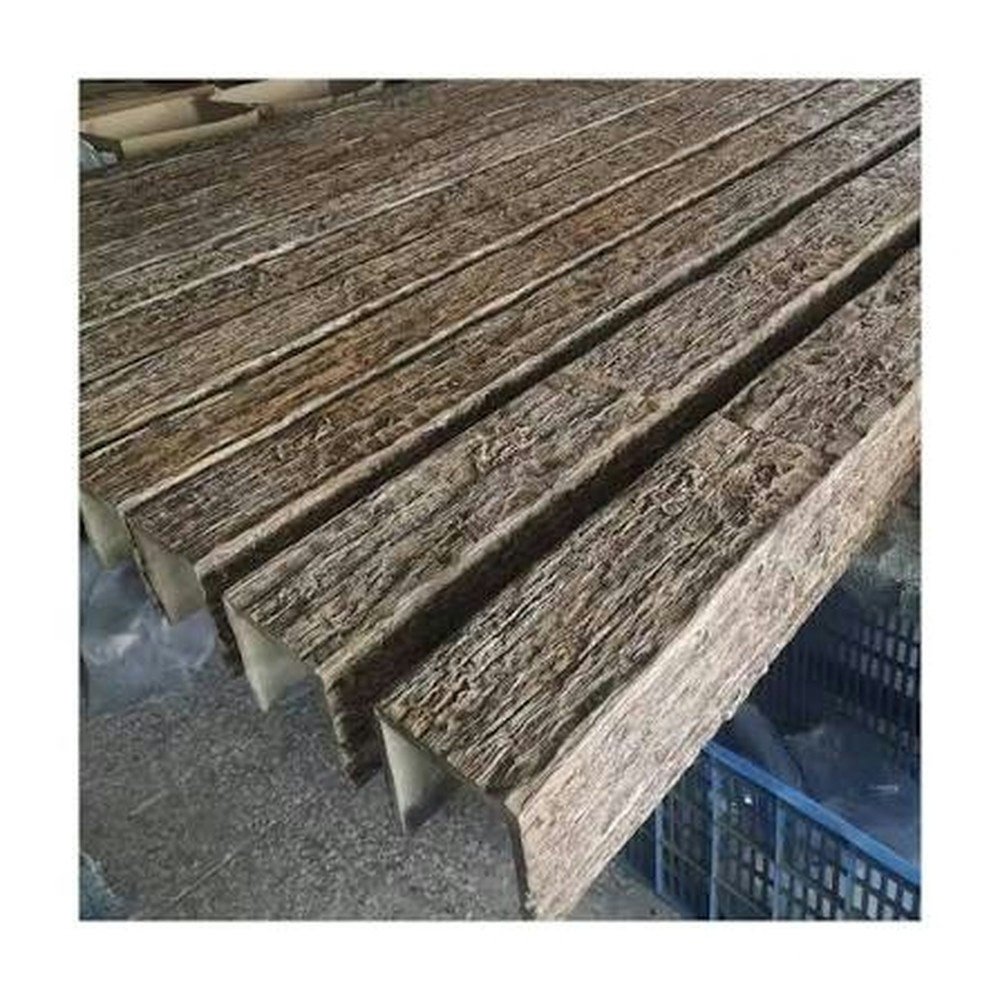
Anti-Mold Mildew-Resistant PU Faux Beams for Humid Indoor Environments
The distinction between mold and mildew often blurs in casual discussion, but building science recognizes important differences between these fungal forms. Both create aesthetic problems on building surfaces, both present health concerns for sensitive occupants, and both require similar prevention strategies. Anti-mold mildew-resistant polyurethane faux beams address both biological threats comprehensively, providing protection against the full spectrum of fungal colonization that humid interiors face.
Understanding Mold and Mildew Differences
Mold typically grows within porous materials—wood, paper, fabric—penetrating deep into substrate surfaces. Mildew grows on surfaces, creating the powdery or velvety coatings that commonly appear on shower tiles and bathroom caulking. Both organisms require similar growth conditions: moisture, organic food sources, appropriate temperature, and adequate time.
The treatment overlap between mold and mildew protection means that comprehensive anti-fungal formulations address both threats. Products claiming only "mildew-resistant" without mold protection may leave installations vulnerable to the deeper colonization that mold causes. Genuine protection requires anti-fungal technology effective against the full range of biological threats.
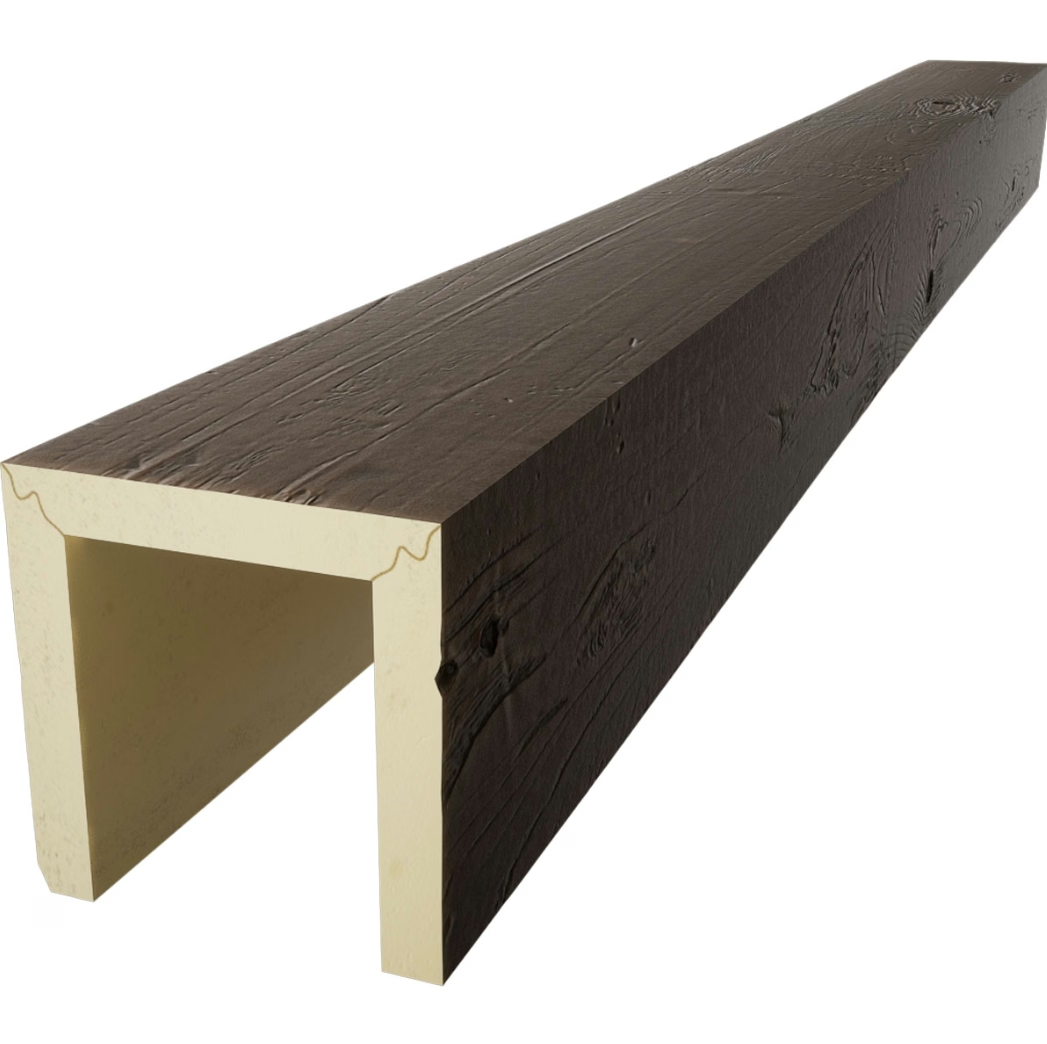
Indoor Humidity Patterns
Different indoor environments create different humidity challenges that affect beam specification. Understanding these patterns helps buyers select appropriate protection levels:
Bathrooms experience high peak humidity during and immediately after showering, with humidity returning to normal levels within an hour or two when exhaust fans operate. This intermittent high-humidity pattern challenges materials differently than persistent elevated humidity—the repeated wetting and drying cycles can degrade some materials even if biological growth never occurs.
Kitchens generate humidity through cooking activities, with peak periods during meal preparation and cleaning. Unlike bathroom humidity, kitchen humidity often includes grease particles that deposit on surfaces, providing additional food source for biological colonization.
Basements face humidity challenges even when above-grade spaces remain comfortable. Ground moisture migration, limited air circulation, and temperature conditions create persistent elevated humidity that supports biological growth year-round.
Laundry rooms, mudrooms, and other utility spaces generate humidity through their functions, often without the ventilation that bathrooms and kitchens routinely include.
Performance Testing and Certification
Third-party testing provides the only reliable verification of anti-fungal performance. Manufacturers may claim their products resist mold and mildew, but meaningful claims require test results from independent laboratories using recognized protocols.
ASTM G21 testing evaluates fungal resistance using specific test organisms under controlled conditions. Successful completion indicates that the material resists fungal colonization as tested. UL 2824 and similar certifications provide additional assurance of antimicrobial performance claims.
Buyers should request current test documentation and verify that testing applies to the specific product line under consideration. Generic "our materials are antimicrobial" claims may not apply to the specific product being purchased.
Long-Term Performance Expectations
Anti-fungal treatments provide permanent protection in quality products—the antimicrobial compounds are integrated throughout the material matrix rather than applied as surface treatments that wear away. This permanent integration means protection continues throughout the product lifespan without requiring reapplication.
The durability of this protection depends on manufacturing quality and compound selection. Premium manufacturers use EPA-registered antimicrobial agents with documented long-term effectiveness. Budget products may include nominal antimicrobial compounds that provide initial protection but degrade over time.
Understanding the protection duration helps buyers evaluate lifetime cost: a product requiring reapplication every few years costs more over time than a product with permanent antimicrobial integration, even if the initial price appears higher.
Technical References
ASTM standards cited in every specification
Test Data
Lab results from internal testing program
Updated 2026
Reviewed against current product specs