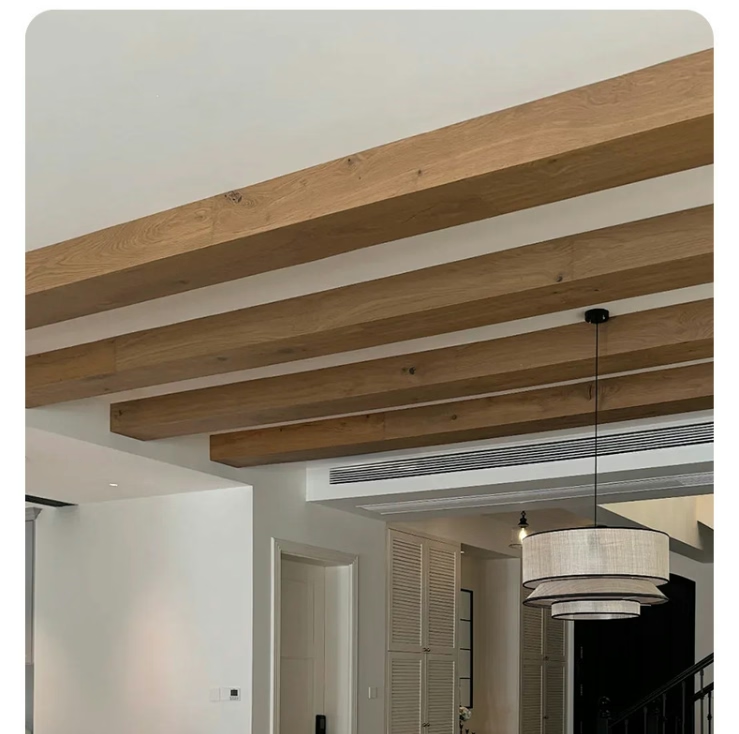
Antique Aged Cedar Texture PU Faux Wood Beams for Vintage Styling
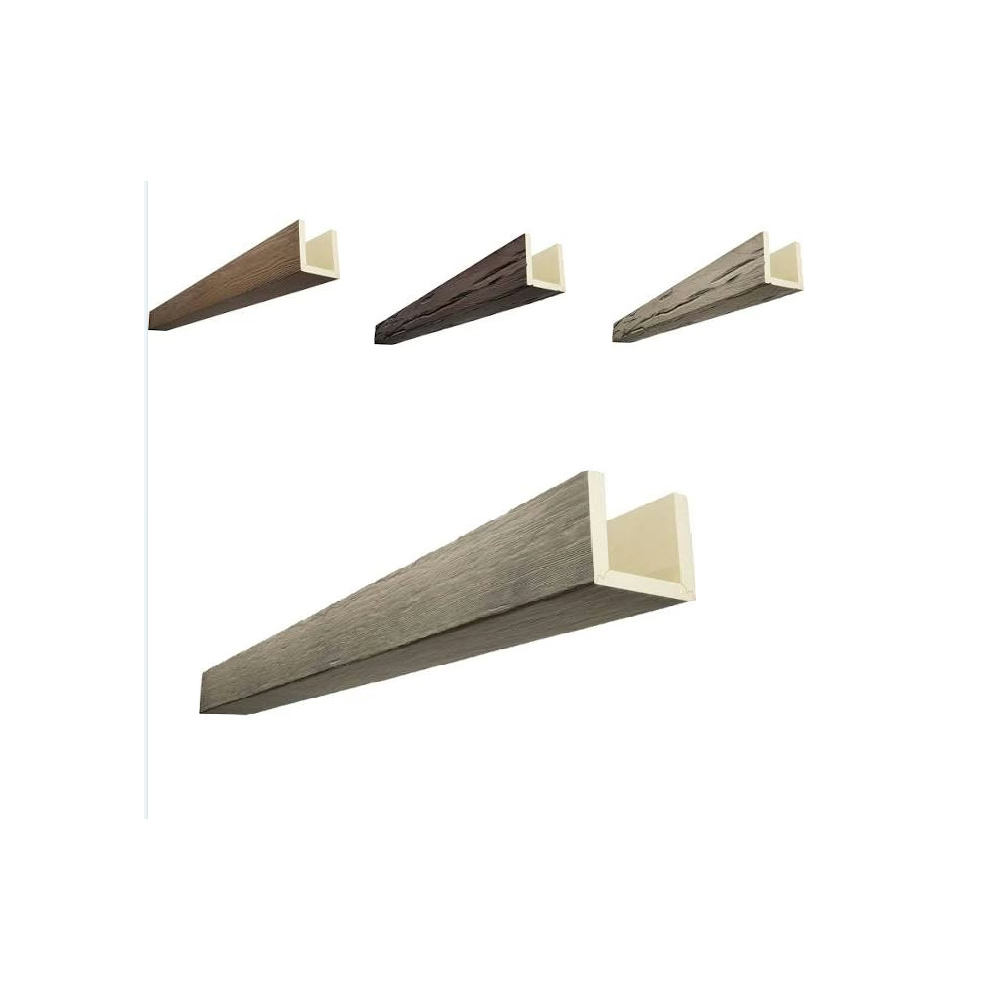
Cedar's distinctive character—its warm reddish tones, pronounced grain patterns, and natural weathering behavior—creates aesthetic qualities that other wood species cannot replicate precisely. Antique aged cedar texture polyurethane faux wood beams capture these characteristics convincingly, providing the vintage mountain cabin atmosphere that genuine cedar creates while eliminating the maintenance burden that natural cedar requires.
The Appeal of Cedar Aesthetics
Cedar has served as a premium building material for centuries, valued for its natural resistance to decay, its dimensional stability, and its distinctive aromatic character. The wood's grain pattern—bold and pronounced, with dramatic color variation between earlywood and latewood zones—creates surface interest that refined hardwoods lack.
Natural cedar weathers to distinctive silver-grey patina that many homeowners consider more attractive than the wood's original coloring. This weathering creates the "barn-board" aesthetic that contemporary designers often specify intentionally, using reclaimed or artificially weathered cedar to introduce character into new construction.
Replicating Cedar Texture in Polyurethane
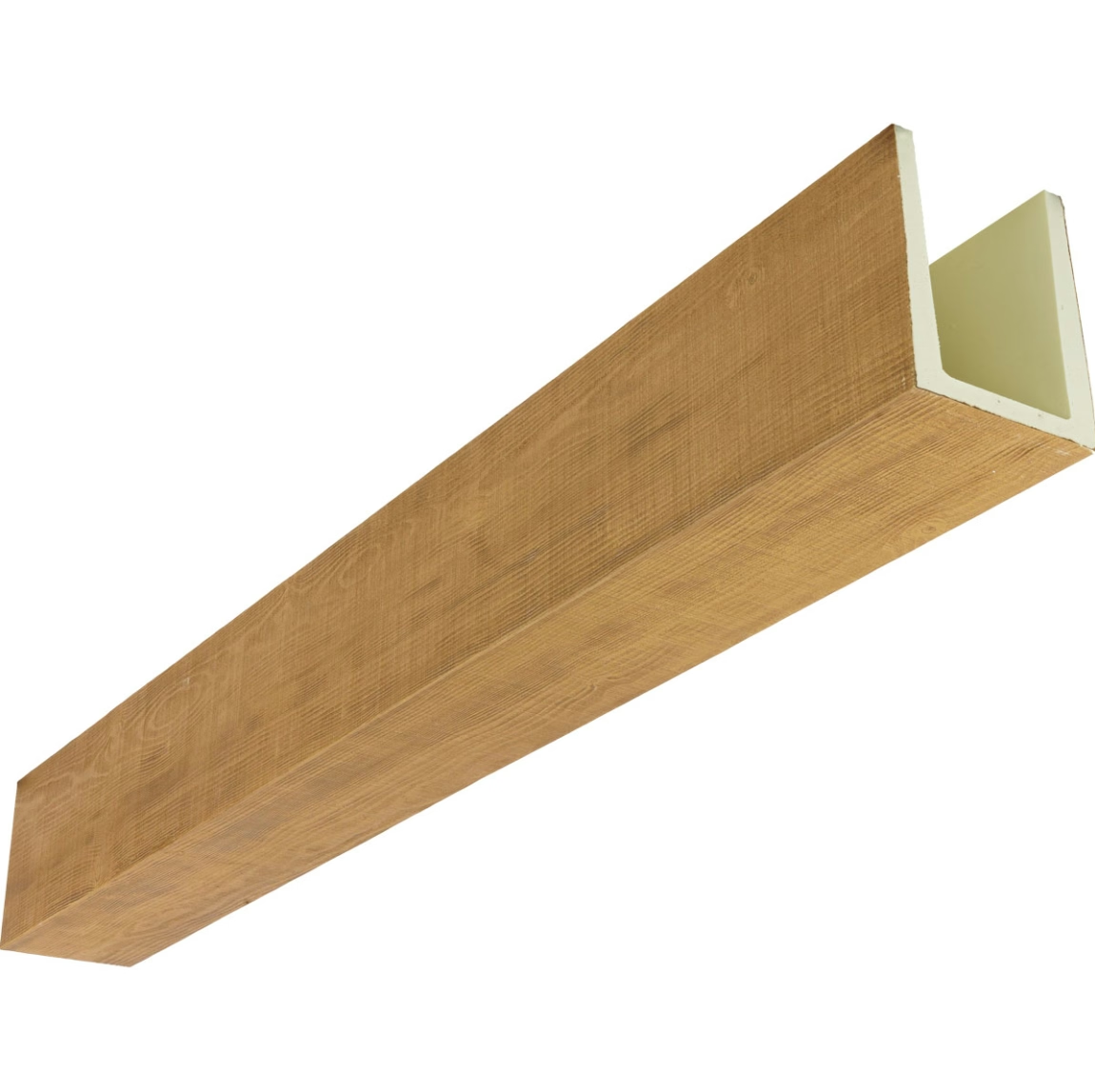
The challenge of replicating cedar appearance in polyurethane involves matching both the color characteristics and the surface texture that define the species. Color matching requires careful formulation: the warm reddish-brown base, the pronounced contrast between grain zones, and the silver-grey aging that cedar develops over time.
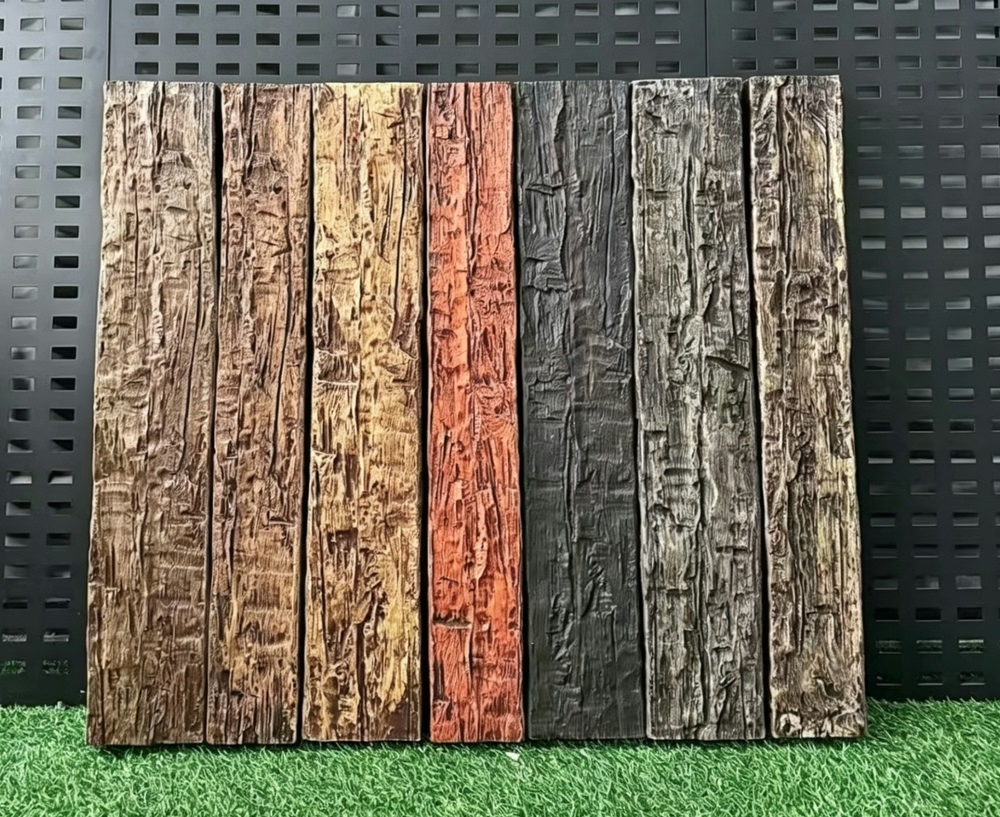
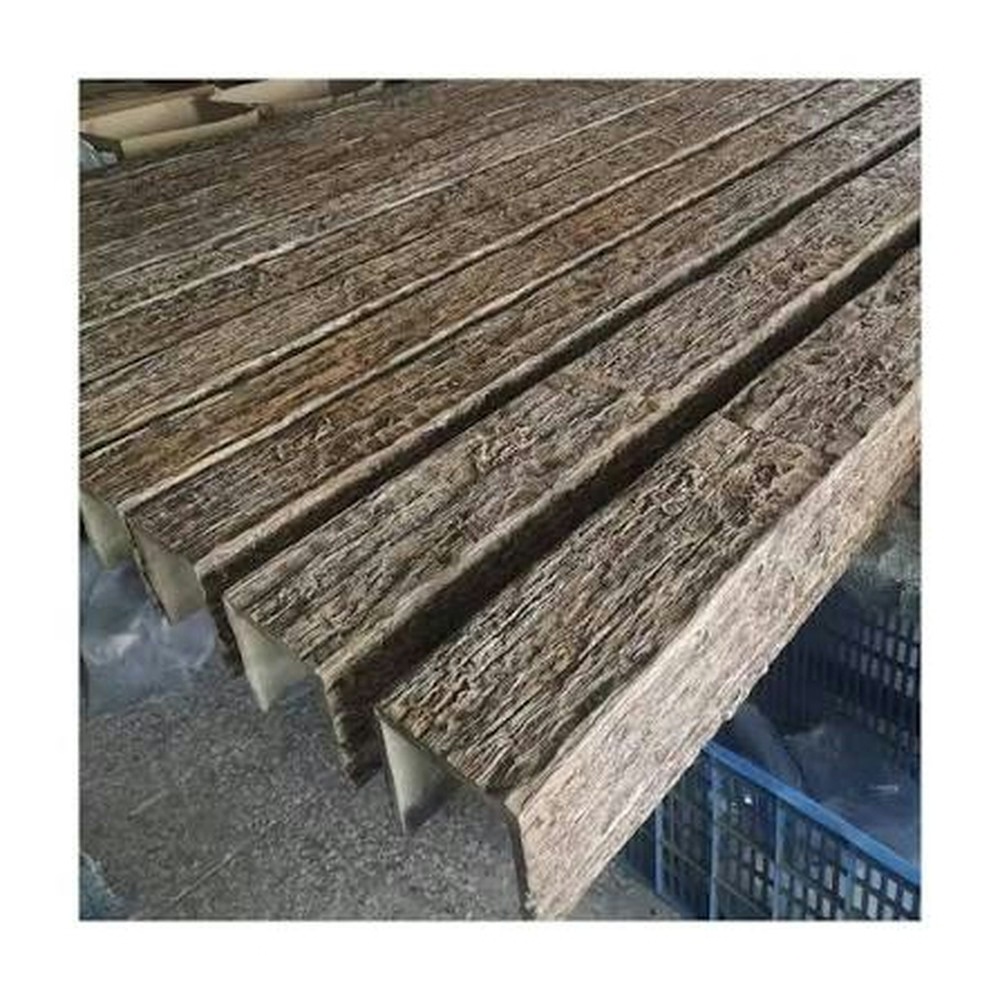
Texture replication addresses the distinctive surface qualities that cedar presents. Natural cedar grain creates raised ridges and valleys that trap light and shadow differently at various angles. Replicating this texture convincingly requires manufacturing processes that capture fine detail consistently across long beam lengths—a technical challenge that distinguishes quality products from budget alternatives.
Aged cedar texture goes beyond simple grain replication to include the weathering effects that characterize antique cedar: slight surface erosion in exposed areas, color fading in UV-affected zones, and the subtle checking (small cracks) that develops as cedar ages. These details create the authentic aged appearance that surface-level replication misses.
Vintage Mountain Styling Applications
Antique cedar beams work best in design contexts that honor the material's heritage. Mountain lodges, ski cabins, and wilderness retreat aesthetics all benefit from the warm character that cedar appearance provides. The reddish-brown tones complement stone surfaces common in mountain architecture, creating material harmony between ceiling beams and fireplace surrounds or accent walls.
Rustic farmhouse interiors embrace cedar aesthetics similarly—the same warmth and character that suits mountain settings works equally well in country settings where natural materials create comfortable atmospheres. The texture detail that distinguishes quality cedar replication reads well against shiplap walls, barn door hardware, and other rustic finish elements.
Maintenance Advantages Over Natural Cedar
Natural cedar requires regular maintenance to preserve its appearance and structural integrity. The wood naturally weathers to grey if left untreated, which many consider desirable but requires acceptance of gradual appearance changes. Left completely untreated, cedar eventually develops surface erosion and checking that compromises appearance, though structural integrity remains high due to cedar's natural decay resistance.
Polyurethane faux beams with cedar texture maintain their appearance indefinitely without refinishing, staining, or sealing. The UV-stable coloration resists the fading that would alter the intended appearance over time. The texture remains consistent whether the beams are new or twenty years old.
This maintenance advantage proves particularly valuable in hard-to-access locations where ceiling beams might require scaffolding for inspection or refinishing. The one-time installation investment delivers permanent aesthetic return without ongoing maintenance costs.
Matching Cedar Appearance to Design Intent
Not all vintage styling requires the same cedar appearance intensity. Some design applications benefit from subtle aged effects—slight texture and muted coloring that suggests cedar without demanding attention. Others require dramatic antique appearance with pronounced weathering and obvious age indicators.
Quality manufacturers offer cedar texture options across a spectrum from "new with character" through "vintage barn wood" to "century-old reclaimed." This range enables precise matching to specific design intentions rather than accepting whatever appearance the product line happens to include.
Technical References
ASTM standards cited in every specification
Test Data
Lab results from internal testing program
Updated 2026
Reviewed against current product specs