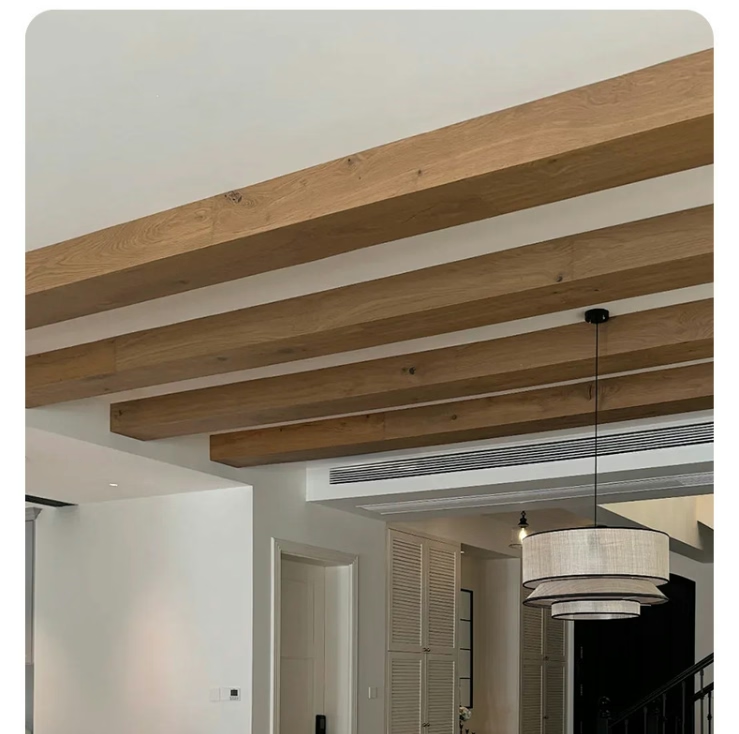
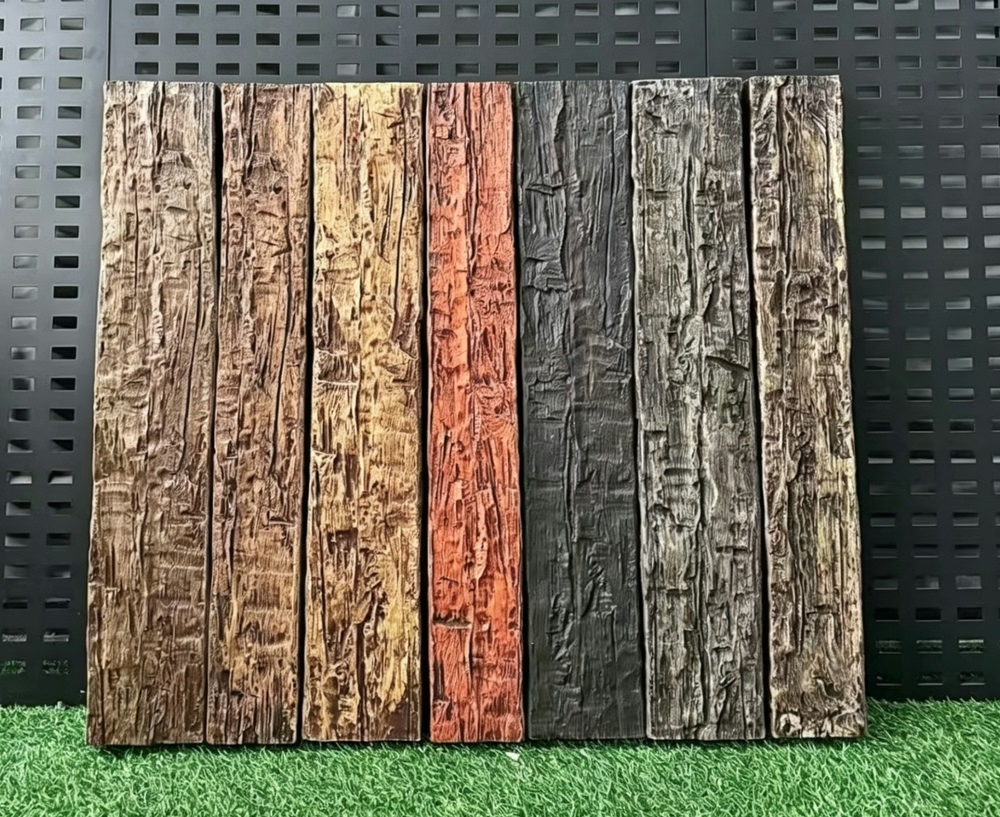
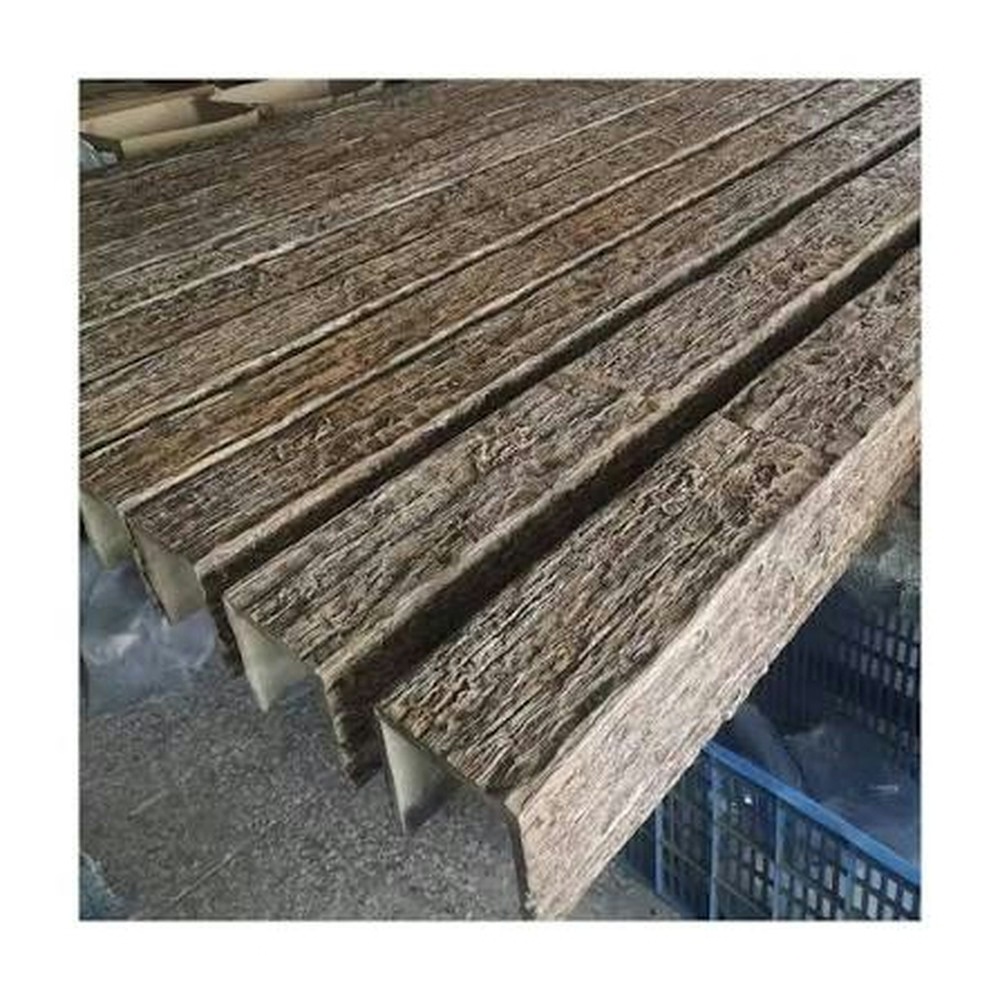
Antique Aged Oak Grain PU Faux Wood Beams for Classic Vintage Decor
Oak represents the traditional choice for formal interior architecture—its strength, workability, and handsome grain have made it the preferred material for fine furniture and architectural millwork across centuries. Antique aged oak grain polyurethane faux wood beams bring this refined heritage into contemporary ceiling applications, providing the character of aged oak without the cost and maintenance requirements that authentic period timber would impose.
Oak's Historical Significance in Architecture
European and American architectural traditions both embrace oak as a premium material. Medieval great halls featured massive oak timbers that demonstrated the owner's wealth and status. Victorian interiors showcased oak's versatility through everything from structural elements to decorative trim. Craftsman and Arts & Crafts movements elevated oak's status through furniture designs that emphasized grain beauty.
The aged appearance that old oak develops—deep amber tones, rich grain patterns, and the subtle patina that only decades of natural aging create—differs substantially from new oak's comparatively pale coloring. Replicating this aged appearance requires understanding what transformation time imposes on oak surfaces.
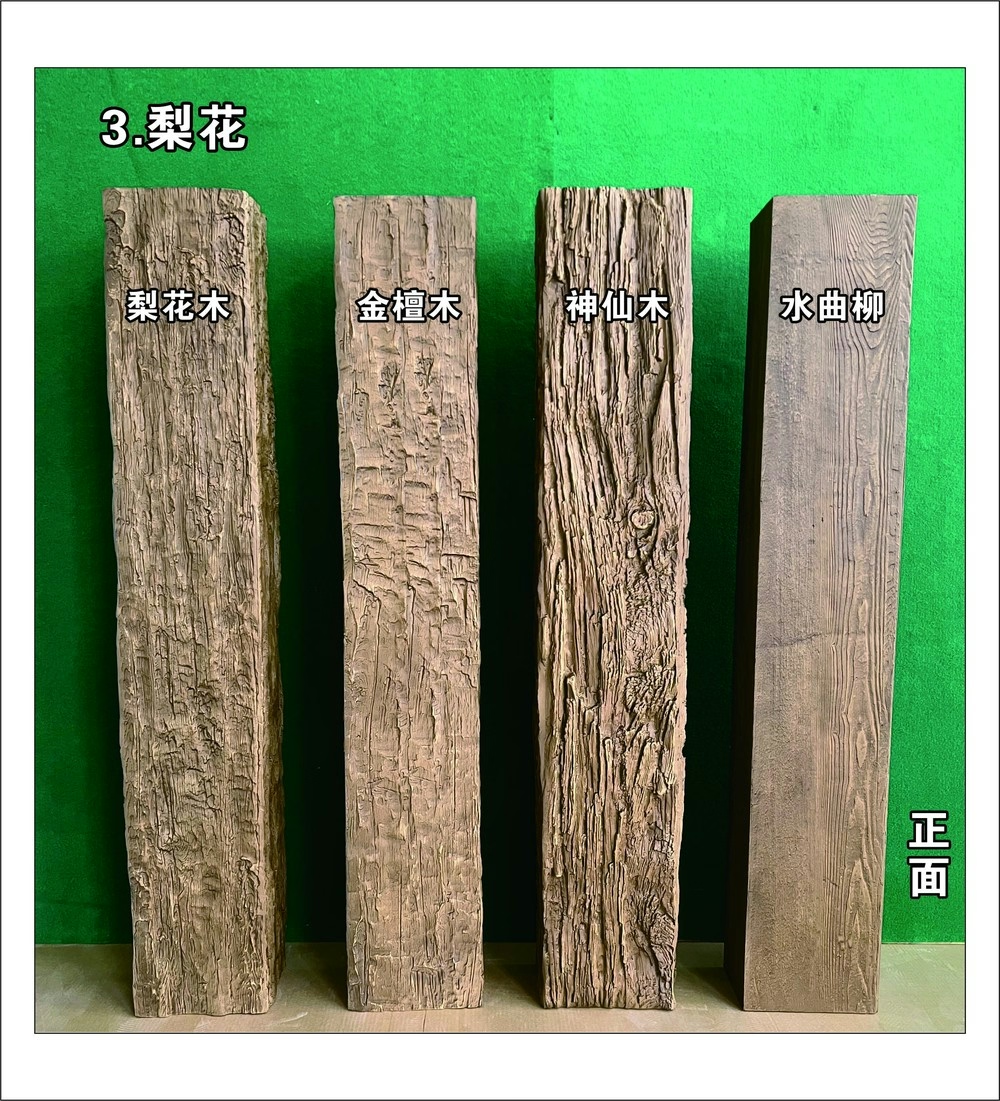
Aging Effects on Oak Appearance
Natural oak aging creates several distinct visual characteristics that quality faux beam manufacturing must replicate:
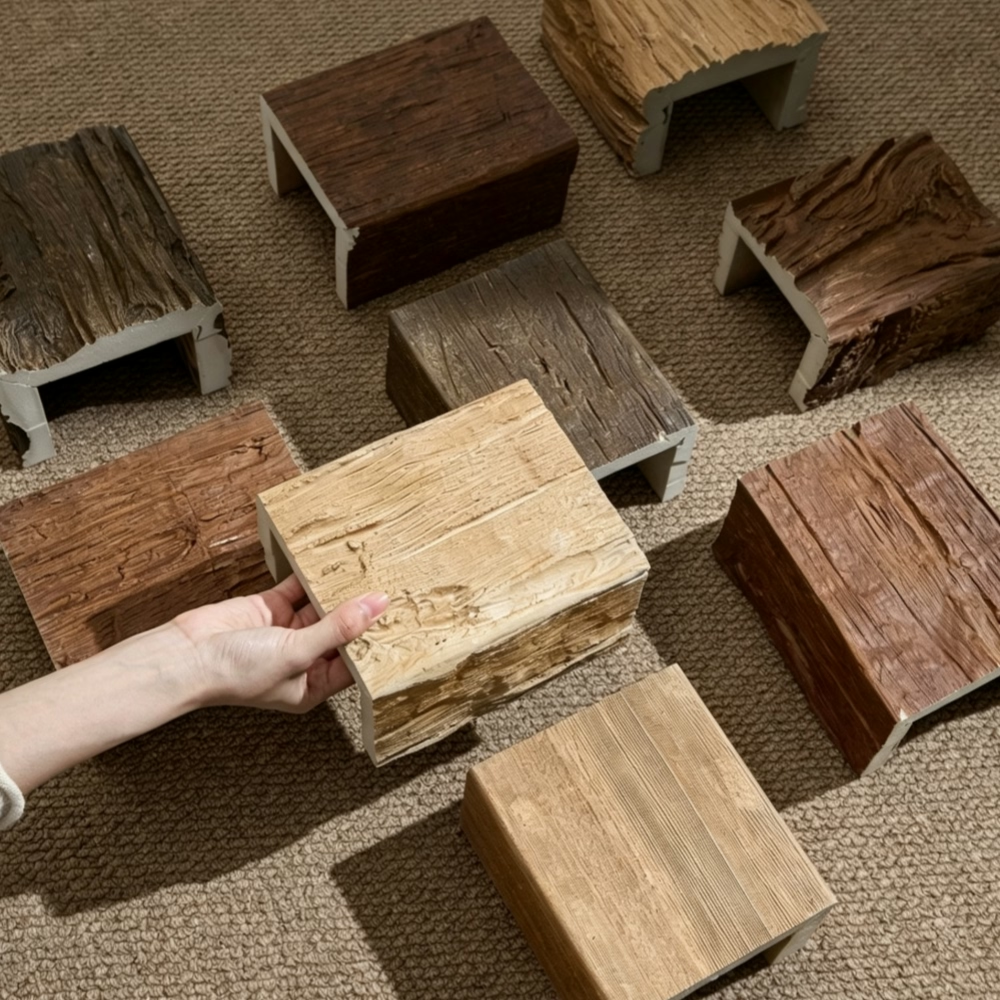
Color transformation deepens the wood's tones from relatively pale yellows and pinks toward rich amber and honey browns. This transformation results from oxidation reactions and UV exposure that alter the wood's light-absorbing characteristics. The aged oak color palette includes deeper tones than new oak ever displays.
Grain pattern emphasis occurs as softer earlywood zones erode slightly faster than denser latewood, creating more pronounced relief between grain lines. This enhanced relief increases the visual depth of grain patterns, making aged oak more dramatic than new material.
Patina development adds subtle warm tones that shift the overall color balance toward amber and honey. This patina reflects light differently than the underlying wood, creating the visual richness that distinguishes genuinely old oak from artificially stained new material.
Surface checking and minor cracking develops on old oak surfaces, particularly near end grain and at stress points. These small imperfections suggest the passage of time without compromising structural integrity—a quality that aged appearance must capture without creating actual vulnerability.
Classic Vintage Interior Applications
Antique oak beams complement traditional interior design directions where refined elegance outweighs rustic character. The wood's relatively consistent grain pattern—compared to more dramatic species like oak's more exotic counterparts—creates sophistication rather than the rugged energy that heavy texture sometimes produces.
Dining rooms and formal living spaces benefit from the warmth that aged oak appearance provides without overwhelming the refined furnishings these rooms typically contain. The classic appearance integrates naturally with traditional upholstery, antique furniture, and period-appropriate decorative elements.
Libraries, studies, and home offices particularly suit aged oak beams, where the wood's scholarly associations enhance the atmosphere these spaces create. The deep amber tones complement leather furniture and brass fixtures, creating the kind of refined masculine character that oak has represented for centuries.
Integration with Period Architecture
Older homes with existing oak trim, hardwood flooring, or period millwork benefit from ceiling beams that match rather than compete. Antique oak faux beams provide the visual weight that historic architecture demands without requiring the structural modifications that authentic timber ceiling elements would require.
This matching approach extends to new construction aiming for period authenticity: ceiling beams in houses designed with traditional styling should reference the material palette that period architecture employed. When oak trim appears on doors and windows, ceiling beams in the same material create the cohesive design that distinguishes intentional design from random accumulation.
Contemporary Interpretation of Classic Oak
Modern interiors sometimes incorporate aged oak aesthetics in ways that differ from traditional applications. Clean-lined contemporary furniture in rooms with aged oak beams creates productive tension between old and new—warm traditional ceiling elements grounding contemporary furnishings.
This interpretation works best when the oak appearance remains subtle enough to complement rather than dominate. Beams with pronounced aging and dramatic grain patterns can overwhelm contemporary furnishings; more restrained aging with refined grain treatment provides warmth without visual competition.
Technical References
ASTM standards cited in every specification
Test Data
Lab results from internal testing program
Updated 2026
Reviewed against current product specs