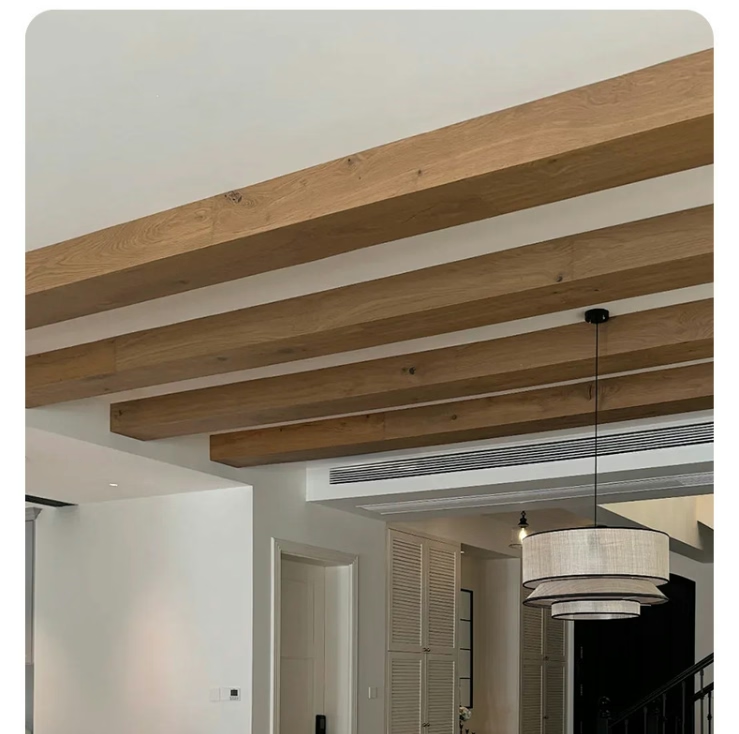
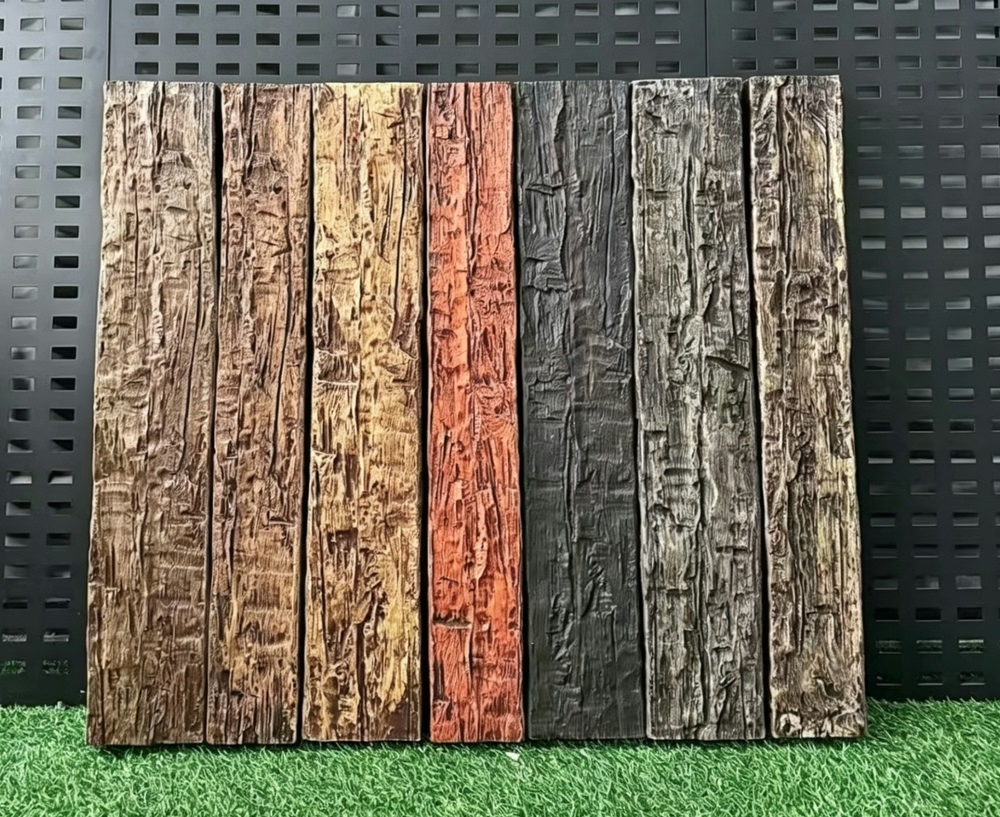
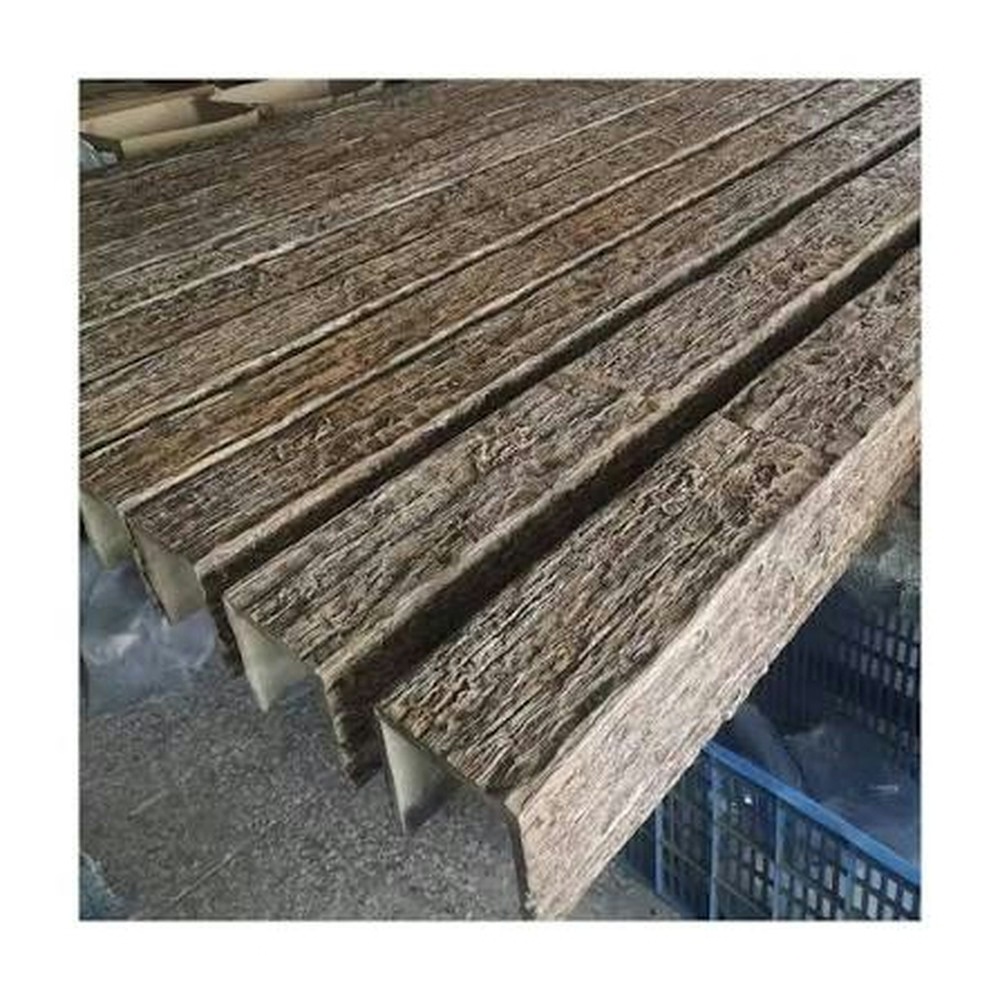
Antique Aged Wood Effect PU Faux Ceiling Beams for Classic Design
Classic design draws from accumulated architectural heritage, referencing proportions, materials, and details that have proven their appeal across generations. Antique aged wood effect polyurethane faux ceiling beams support this design approach by providing authentic-feeling materials that reference traditional construction without requiring the structural commitments or maintenance obligations that genuine antique timber would demand.
The Classic Design Movement
Contemporary classic design rejects the stark minimalism that characterized earlier modern movements, embracing warmth, materiality, and the accumulated character that traditional architecture provides. This shift manifests in interior design through increased use of natural materials, richer color palettes, and decorative elements that reference historical precedent.
Ceiling beams serve classic interiors well because they address scale—the generous ceiling heights that classic architecture employs create visual space that demands substantial treatment. Flat ceiling planes at these heights read as architectural missed opportunities; beams provide the visual weight that proportional design requires.
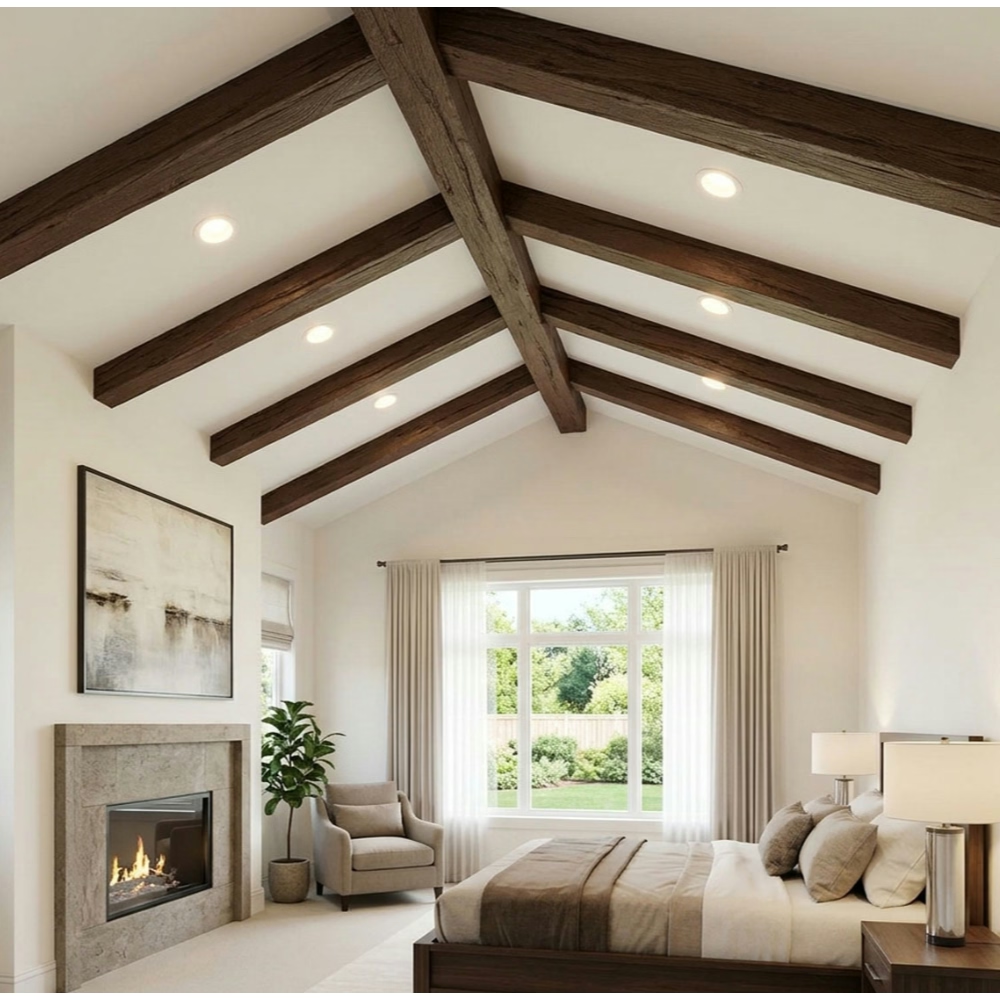
Aged Wood Appearance in Classic Contexts
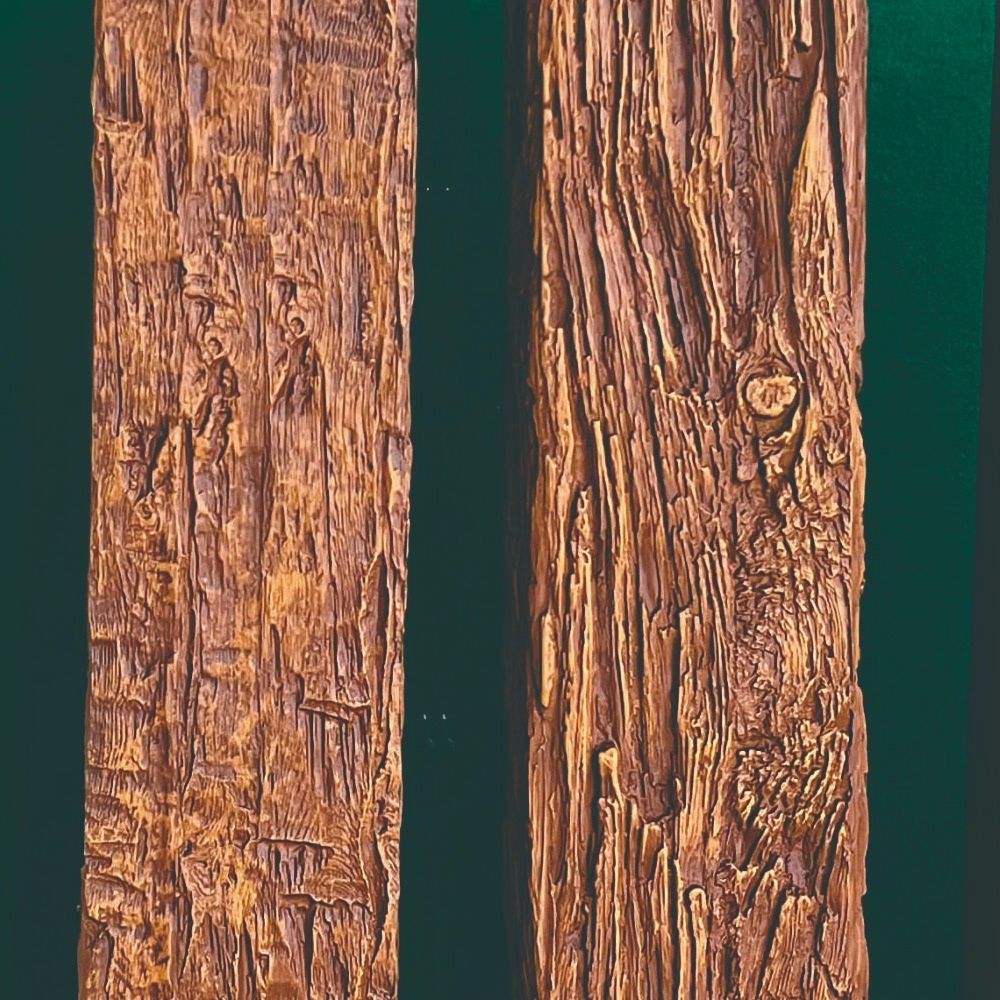
The aged wood aesthetic suits classic interiors particularly well because it references the authentic materials that traditional architecture employed. When classic design uses contemporary materials with traditional appearance, the design succeeds to the degree that the material appearance convinces. Inauthentic appearance undermines even perfectly proportioned and detailed installations.
Aged wood appearance benefits classic design in several ways:
Visual warmth counterbalances the formal proportions that classic architecture employs. The richness of aged wood creates visual comfort that purely architectural spaces lack.
Historical reference connects contemporary interiors to architectural precedent, creating sense of place and continuity that purely modern spaces cannot achieve.
Material authenticity—even simulated authenticity—engages tactile and visual senses in ways that flat painted surfaces cannot. Classic interiors should feel substantial and material-rich.
Color Palette Integration
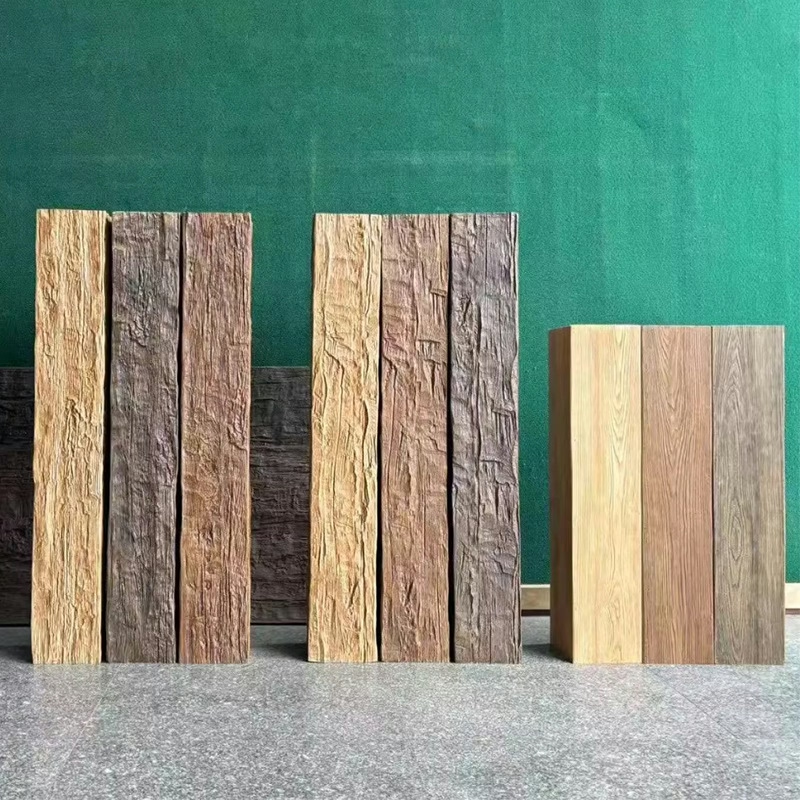
Aged wood appearance introduces complex color relationships that sophisticated design integrates thoughtfully. The amber, brown, and grey tones that aged wood displays interact with wall colors, upholstery fabrics, and decorative accents in ways that either harmonize or conflict.
Classic interior palettes typically include wood tones as foundational elements: hardwood flooring, wood trim, wooden furniture. Ceiling beams that extend this material upward create visual continuity that reinforces the material richness classic interiors pursue.
Warm wall colors—creams, taupes, dusty roses—complement aged wood tones naturally. Cool colors—slate blue, sage green—create productive tension that prevents monotony while requiring more careful balance to avoid appearing discordant.
Proportional Considerations
Classic interiors typically employ generous proportions that must be respected in beam specification. Beams that appear too small relative to ceiling height read as insufficient—underdesigned elements that failed to complete the architectural intention.
The depth-to-width ratio of classic beams should suggest genuine structural members, with proportions that wouldn't look out of place in period architecture. Beams that appear too thin or too wide relative to their depth create visual awkwardness that sophisticated observers notice even if they cannot articulate the problem.
Spacing between beams should reflect classic proportions as well. Tighter spacing creates visual density appropriate to intimate rooms; wider spacing allows ceiling planes to read more openly, suitable for grander spaces.
Classic Design Beyond Ceiling Beams
While ceiling beams contribute significantly to classic interior character, they work best as part of comprehensive design approaches that address all room elements. Classic interiors require:
Appropriate trim and molding that complements beam styling without competing for attention. Door and window casings that reference the same period as ceiling beams. Lighting fixtures that suit classic interiors—chandeliers, wall sconces, and lamps with traditional styling. Furniture and upholstery in classic or traditionally-influenced styles.
When these elements align with ceiling beam choices, the result is coherent interior design that communicates intentional aesthetic direction. When beams clash with surrounding elements, the discord undermines the overall effect regardless of individual element quality.
Technical References
ASTM standards cited in every specification
Test Data
Lab results from internal testing program
Updated 2026
Reviewed against current product specs