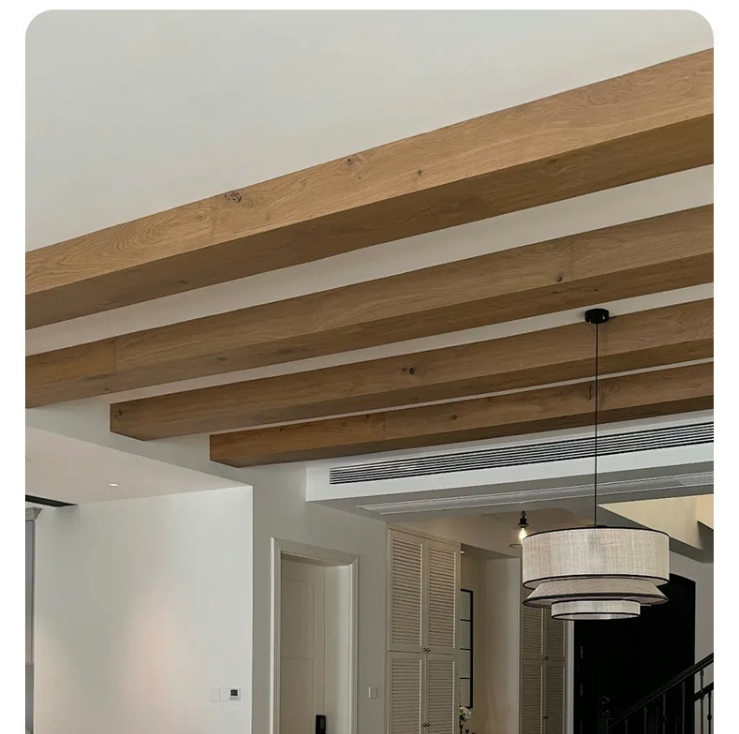
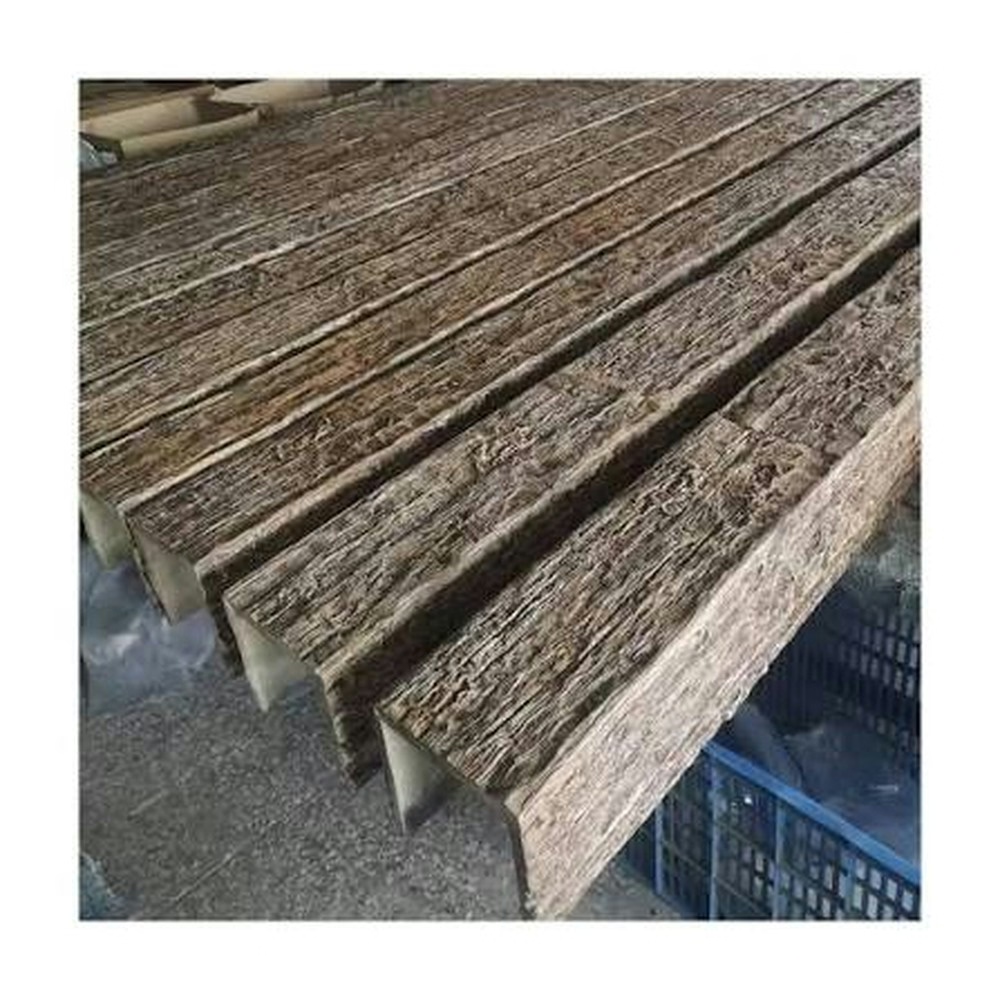
Antique European Aged Timber Faux Beams for Luxury Classic Interiors
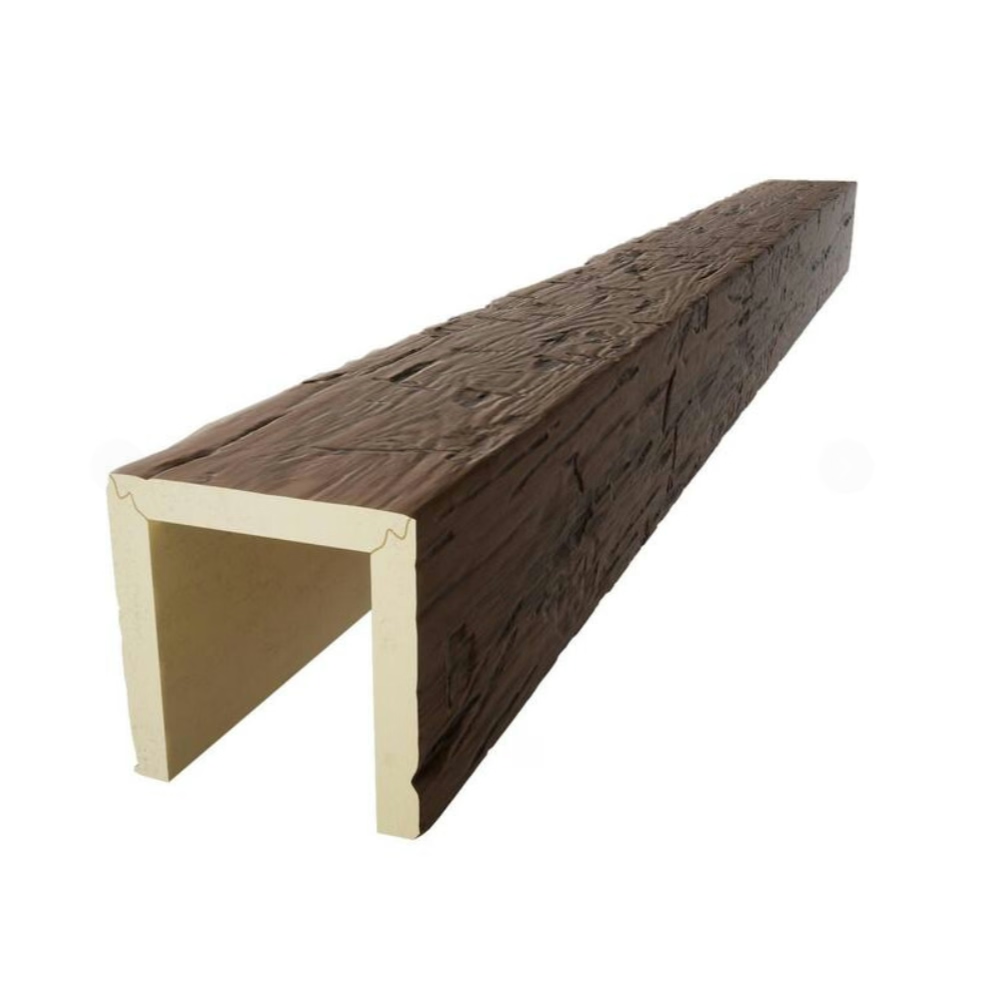
European architectural traditions developed over centuries produced timber construction details that remain influential in luxury interior design worldwide. Antique European aged timber faux beams reference these traditions specifically, offering the refined character that distinguishes European craftsmanship from the more rustic timber aesthetics common in North American design.
European Timber Heritage
European timber construction evolved through periods of scarcity, technical refinement, and stylistic development that created distinctive characteristics:
Medieval European timber framing employed heavy structural members with carved details that demonstrated carpenter skill while serving structural purposes. The joint details—mortise and tenon, dovetail, scarf connections—became decorative elements as well as structural solutions.
Renaissance and Baroque periods refined timber detailing, using lighter members with elaborate carved ornament that emphasized craftsmanship over structural mass. Ceiling coffers and decorative beams in palaces and churches demonstrated what skilled carpenters could achieve given sufficient resources and time.
Georgian and Regency periods in Britain and colonial America introduced more restrained timber details that emphasized proportion and joinery quality over carved ornament. The classic proportions that these periods established continue influencing interior design today.
Characteristics of European Aged Timber
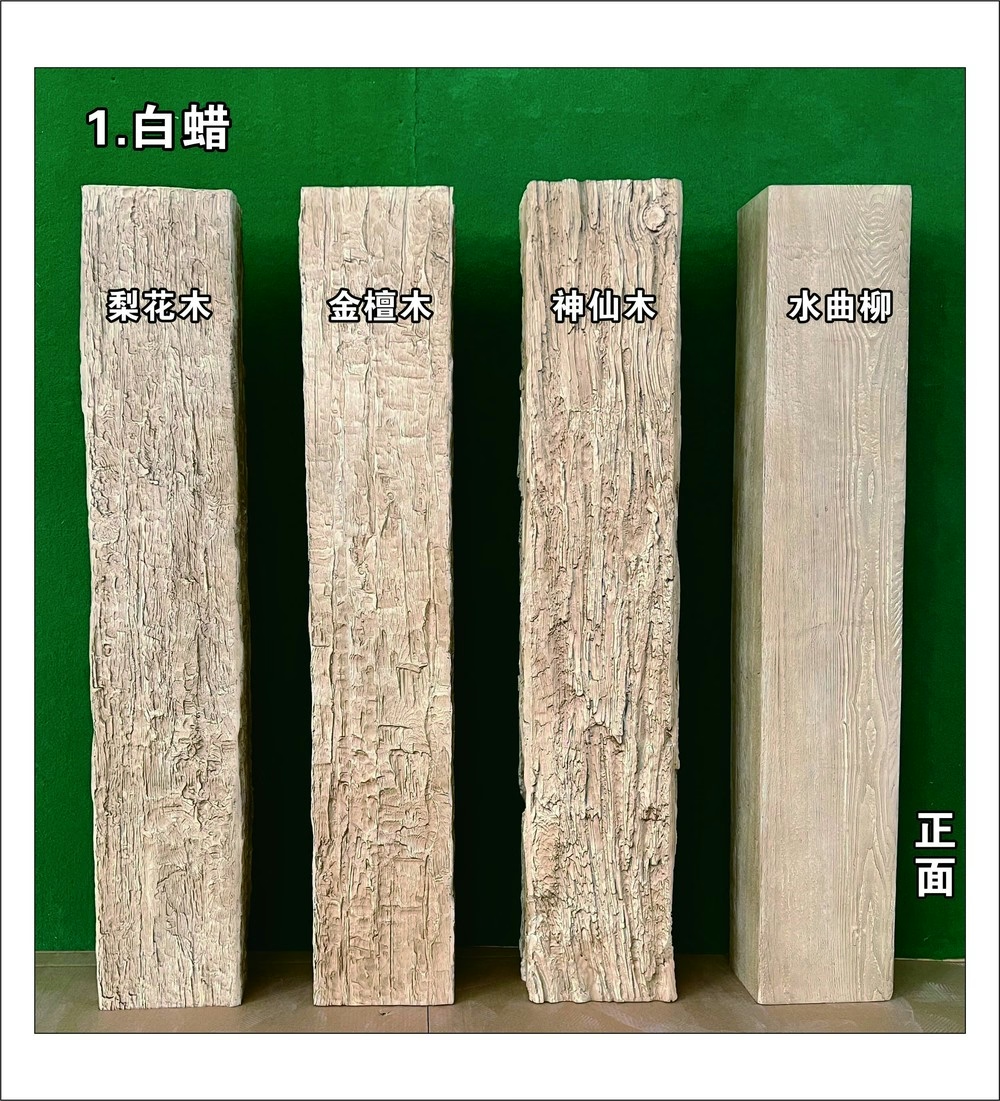
Authentic European aged timber develops appearance characteristics distinct from American alternatives:
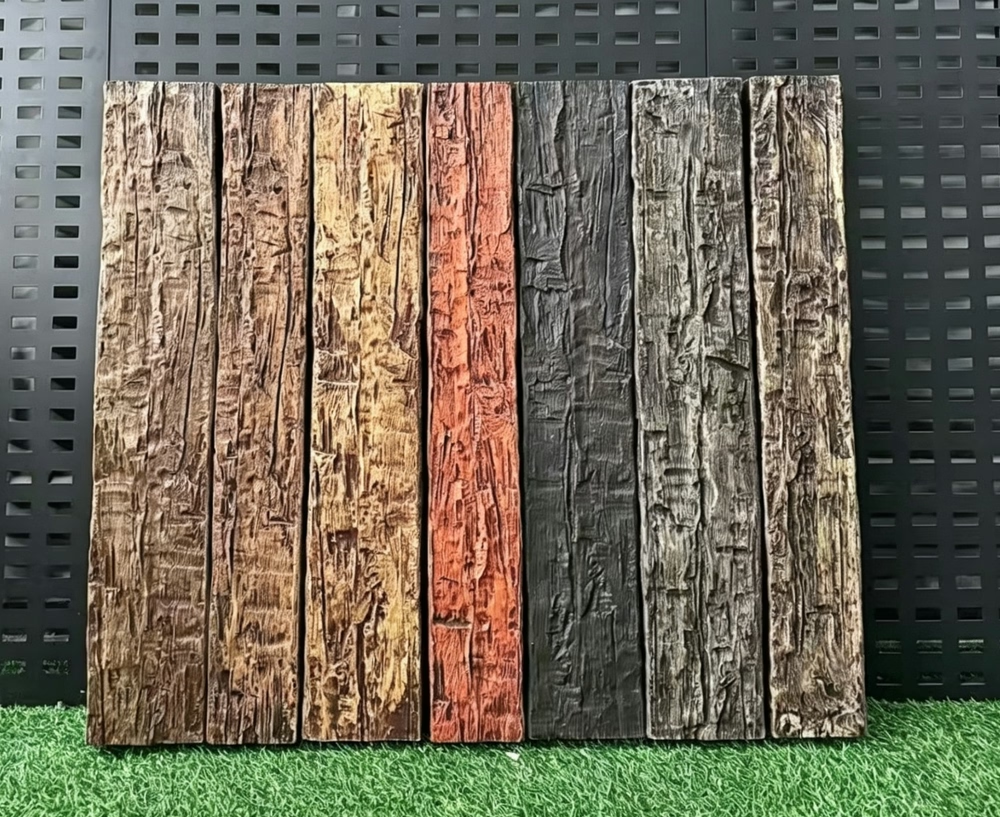
Color palettes tend toward cooler browns and greys, reflecting different wood species and different weathering conditions than North American timber experiences. The muted palette of genuinely old European timber differs from the warmer tones that American species develop.
Joinery quality in European timber construction focused on precision that created crisp intersections and tight-fitting joints. Aged appearance affects these details characteristically: joints remain visible but softened by decades of dust accumulation and subtle movement.
Surface condition reflects different maintenance traditions. European buildings often maintained timber with periodic paint application rather than the natural weathering common in American applications. This tradition produces aged appearance with paint underlayers visible in worn areas—a patina that purely natural aging cannot replicate.
Luxury Interior Applications
European aged timber aesthetics suit luxury interiors where refined character outweighs rustic charm. The subtlety of European timber appearance—compared to dramatically weathered American alternatives—aligns with luxury design's preference for understated quality over obvious decoration.
Grand living rooms, formal dining spaces, and executive offices benefit from ceiling beams that suggest European heritage without demanding the rustic character that heavy American timber would impose. The refined proportions and subtle coloring that European aesthetics provide complement luxury furnishings and sophisticated color palettes.
Hotel lobbies and corporate reception areas in buildings designed around European styling themes similarly benefit from European aged timber beams. The international design language that luxury hospitality employs often references European architectural precedent, making European-style beams an authentic choice rather than stylistic pastiche.
Integration with European Architectural Elements
European aged timber beams work most convincingly in spaces that include other European design elements. Classical detailing, European-inspired millwork, and period-appropriate fixtures all reinforce the European character that beams reference.
Without this supporting context, European-style beams can appear confused—an attempt at elegance that lacks the supporting elements that would make the choice coherent. Designers should evaluate whether the surrounding design vocabulary supports European aesthetic choices before specifying European-style beams.
This integration consideration suggests that European aged timber beams suit new construction or renovation projects where the overall design direction has been established to support European aesthetic elements. Retrofitting European-style beams into spaces with mismatched styling creates visual discord rather than the refined character that luxury interiors pursue.
Technical References
ASTM standards cited in every specification
Test Data
Lab results from internal testing program
Updated 2026
Reviewed against current product specs