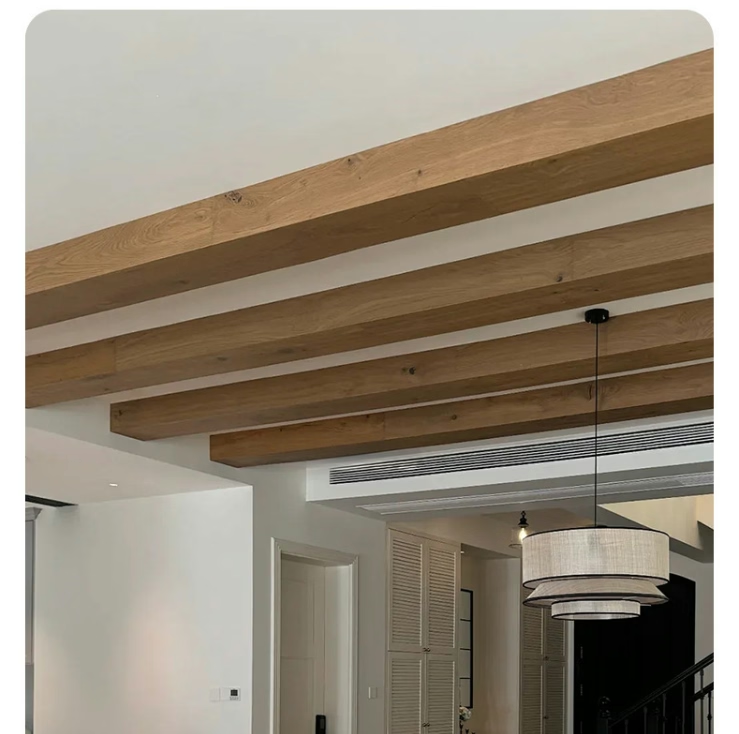
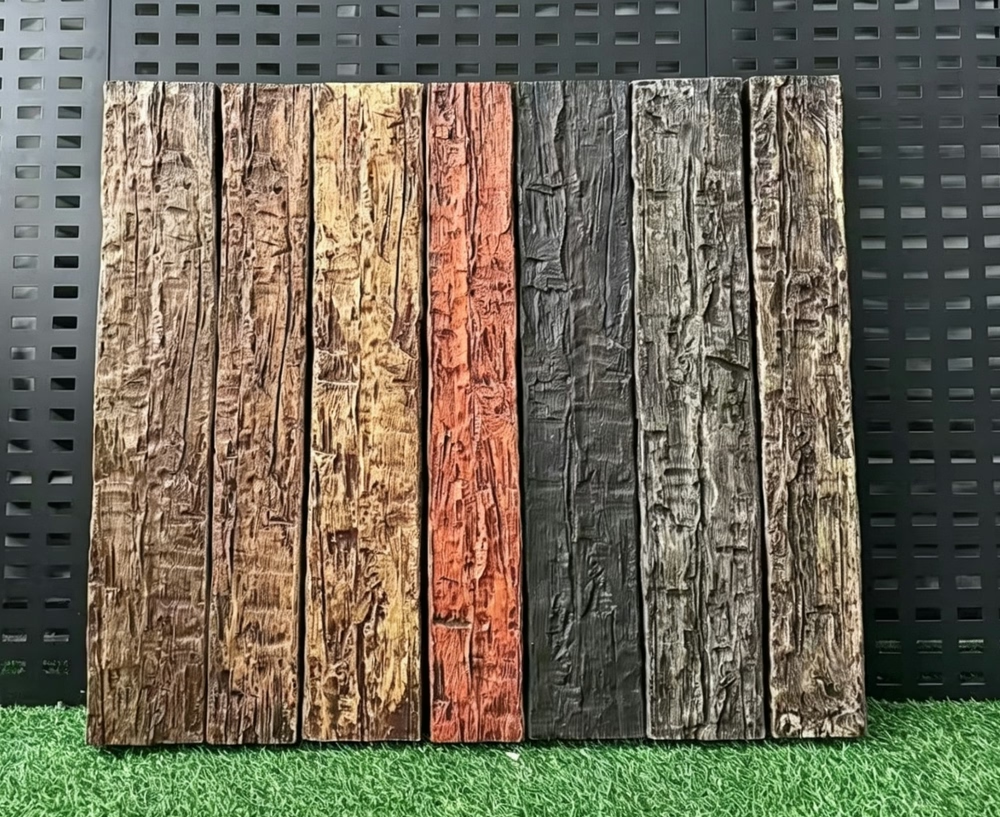
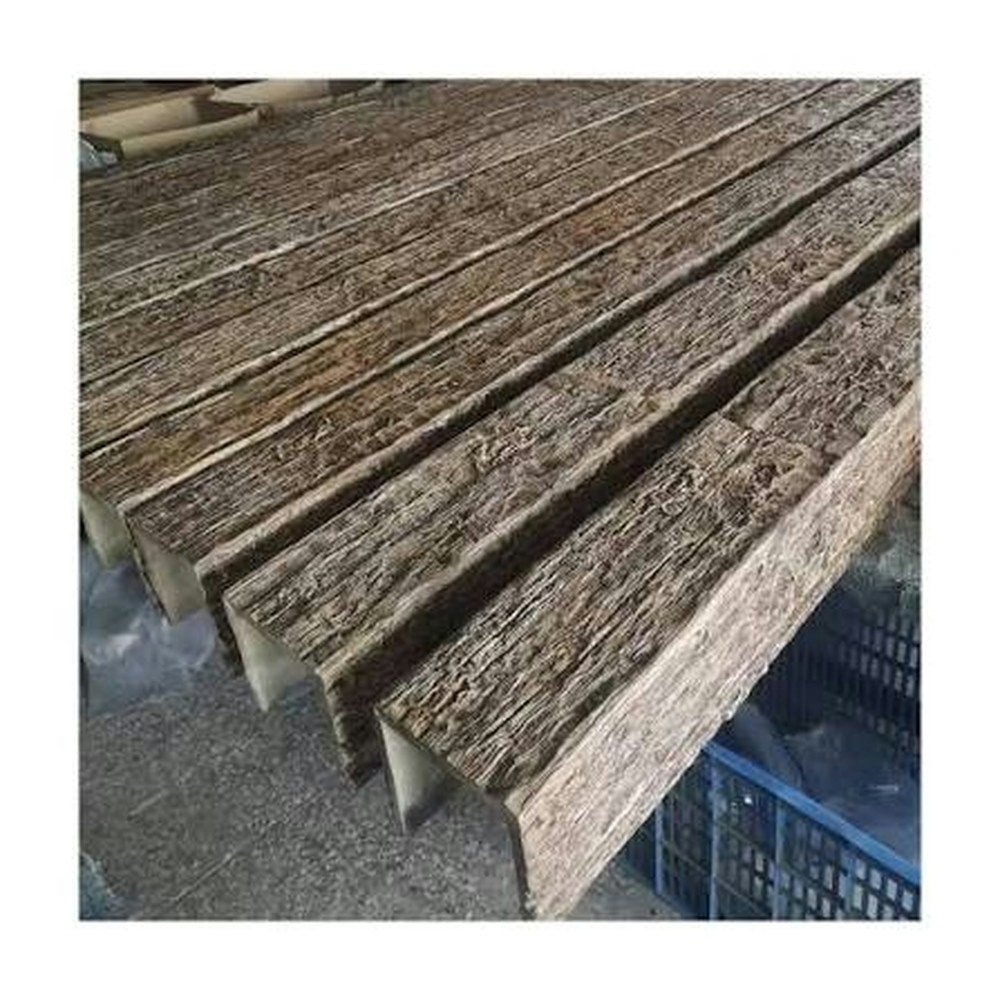
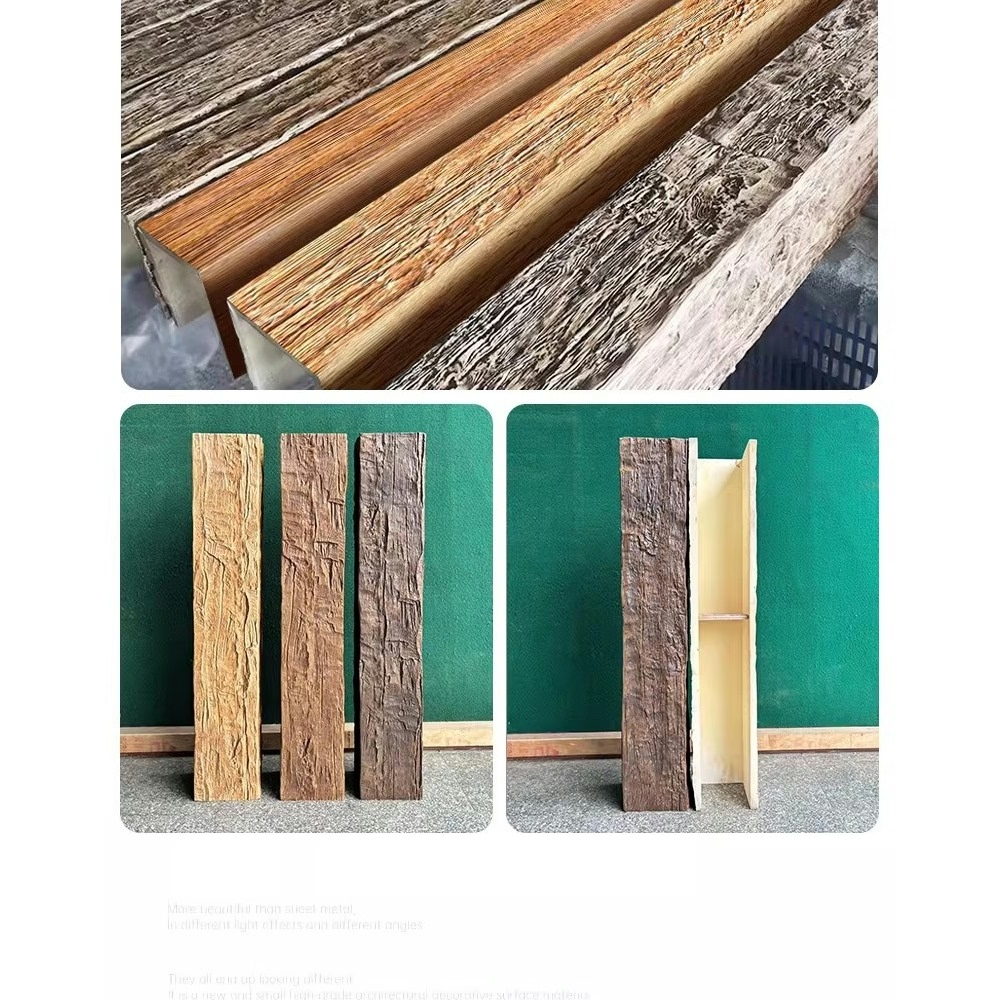
Antique Old-World European Style PU Faux Timber Beams With Aged Patina
The old-world European aesthetic draws from architectural traditions spanning centuries, referencing everything from medieval timber framing through Renaissance refinement to Baroque excess. Polyurethane faux timber beams in this style capture the accumulated character of European architectural heritage through authentic aging effects and period-appropriate details.
European Timber Traditions
European timber construction varied dramatically by region and period, creating distinct aesthetic traditions:
Northern European traditions—Scandinavian, Germanic, Alpine—employed substantial timber framing with pronounced joints and carved ornament. The character that resulted was rustic rather than refined, emphasizing structural honesty over decorative excess.
Mediterranean traditions utilized timber differently, with lighter framing supporting terracotta roof systems and interior ceiling beams that added warmth without massive structural presence. The character here was refined warmth rather than structural mass.
British and French traditions evolved through Gothic, Renaissance, and Baroque periods, with timber details reflecting changing aesthetic priorities. Earlier periods favored honest structural expression; later periods introduced elaborate carved ornament that transformed timber into decorative display.
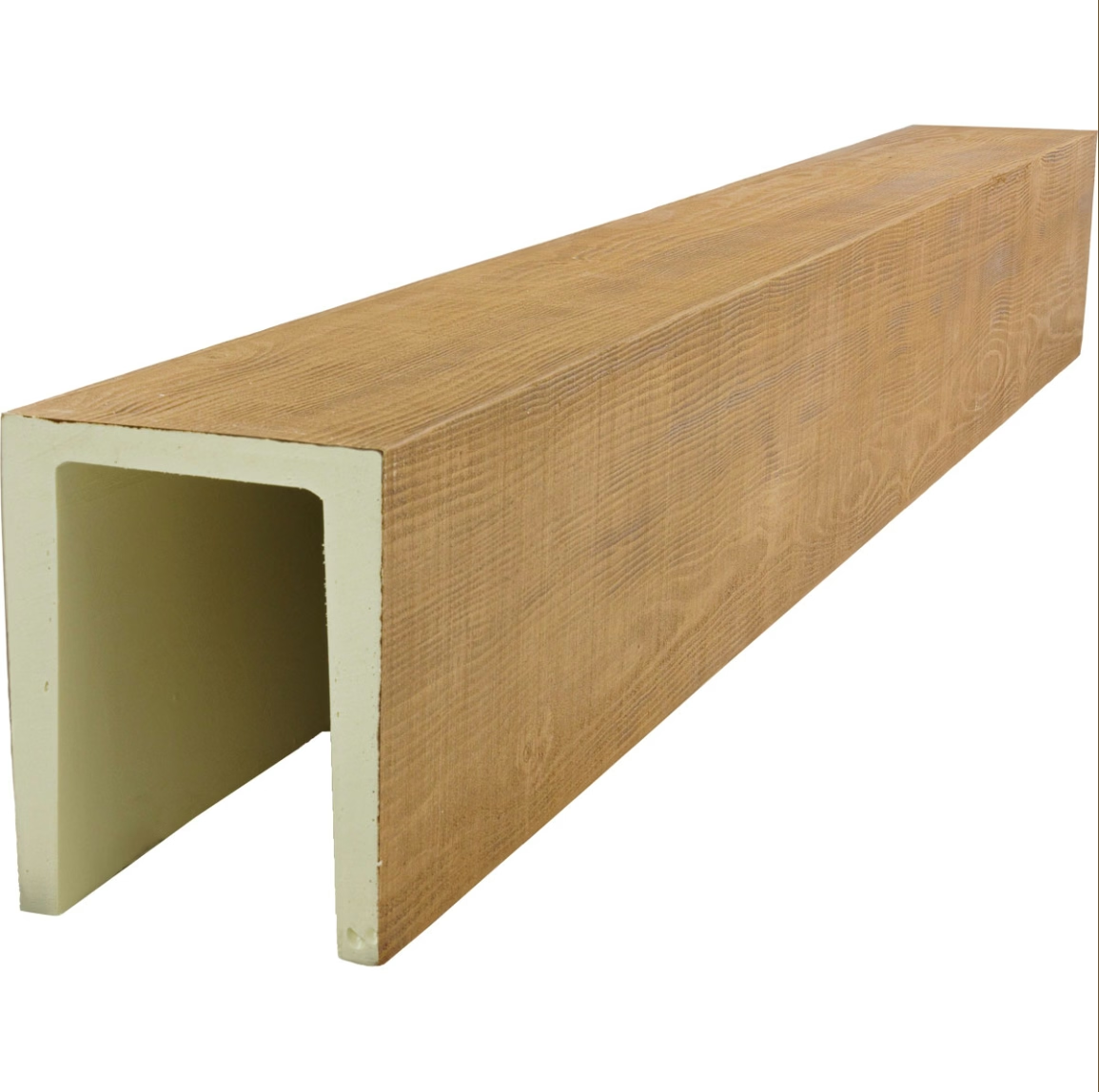
Aged Patina Development
The aged patina that distinguishes old-world European beams develops through specific processes:
Slow oxidation creates the warm color tones that characterize European aged timber—not the dramatic grey of heavily weathered exterior wood, but the subtle amber and honey tones of timber protected from direct weathering while slowly aging in interior conditions.
Dust accumulation and handling wear create localized variations that suggest history and use. High-touch areas develop subtle polish; protected areas retain more matte surface character.
Natural oxidation and light exposure gradually shift colors even in interior applications, with surface cells responding to oxygen and the subtle UV that penetrates window glass.
The combination creates appearance that suggests generations of occupation—character that cannot be manufactured through artificial distressing alone but develops authentically only over extended time.
Old-World European Styling Applications
This aesthetic suits interiors designed around European heritage references:
Tuscan and Mediterranean-inspired interiors employ old-world European beams with warm coloring and refined proportions that complement terracotta tile, stone surfaces, and the earthy color palettes that these styles favor.
French country and Parisian apartment aesthetics benefit from beams that suggest the period construction common to historic European residential architecture. The subtle aging and refined character align with the understated elegance that French interiors pursue.
English manor and hunting lodge styles incorporate old-world European beams as part of comprehensive design approaches that include dark wood paneling, leather furniture, and accumulated decorative objects.
Achieving Authentic European Character
European character requires more than surface appearance—proportion, detail, and installation approach all contribute to convincing results:
Proportional refinement in European timber details differs from American rustic aesthetics. European beams tend toward more refined proportions, with less visual mass relative to room dimensions. Beams that would read as appropriately scaled in an American lodge may overwhelm European-styled interiors.
Joinery quality that European construction emphasized created crisp intersections and tight-fitting joints. These details should appear in beam installations, with the same precision that historic European craftsmanship would have provided.
Supporting architectural elements—crown molding, cornice trim, wall paneling—should reference the same European heritage that beams embody. Without supporting context, beams can appear as foreign elements rather than integrated components.
Maintenance of Old-World Character
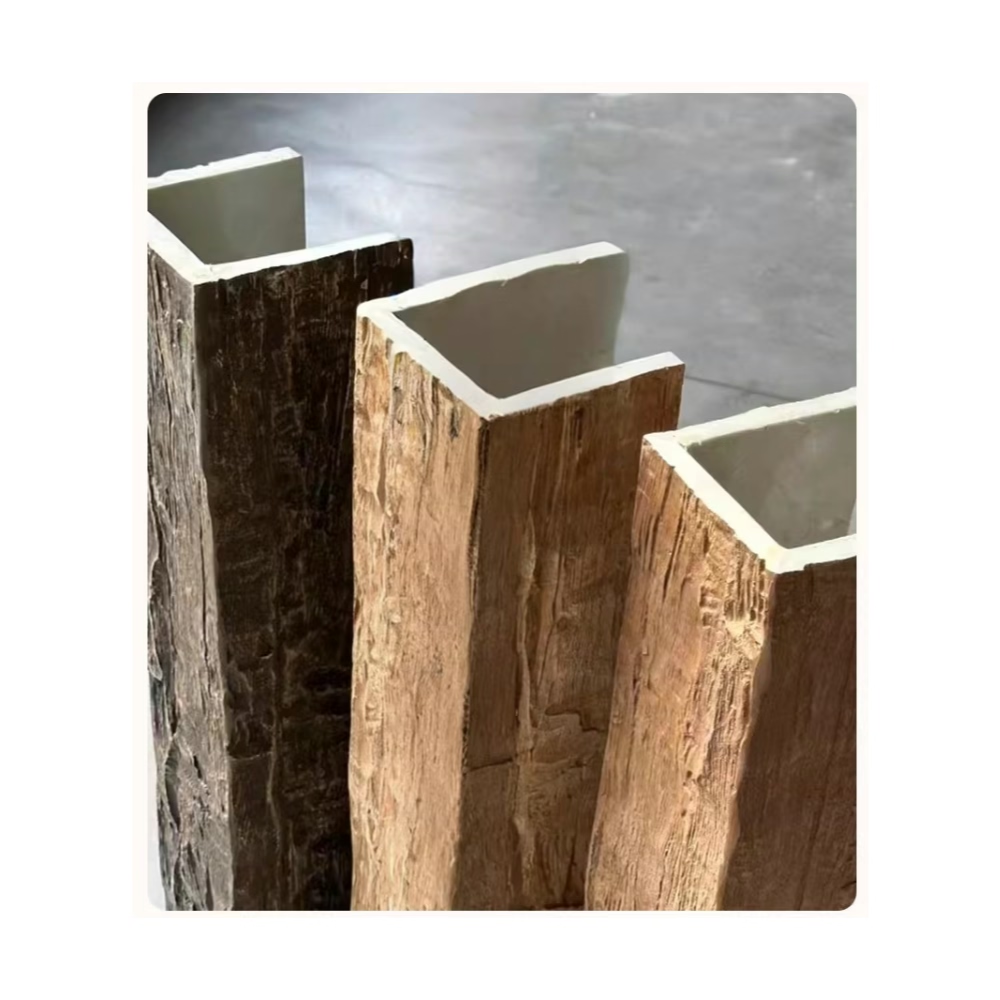
Quality polyurethane beams maintain their aged patina indefinitely without refinishing or touch-up work. The color stability and UV resistance that premium formulations provide preserve the intentional aging effects that distinguish these products from new-appearing alternatives.
This maintenance advantage enables old-world styling in hard-to-access locations—cathedral ceilings, stairwell volumes, and other spaces where routine maintenance would prove difficult or expensive. The beams arrive with aged character already developed and remain unchanged throughout their service life.
Technical References
ASTM standards cited in every specification
Test Data
Lab results from internal testing program
Updated 2026
Reviewed against current product specs