Antique Tuscan Aged Texture PU Faux Beams for Mediterranean Decor
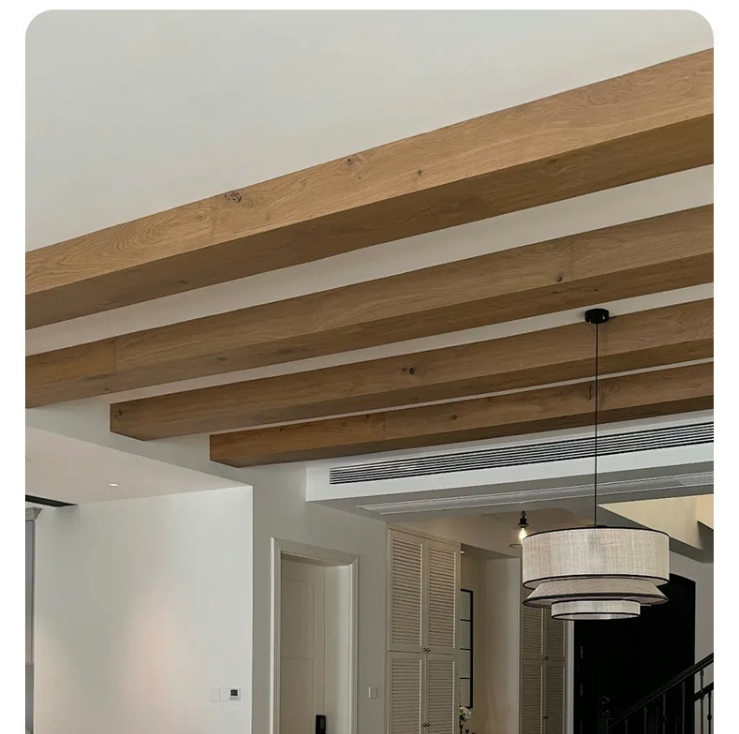
Tuscan interior design has influenced residential architecture worldwide, offering a warm, earthy aesthetic that balances rustic character with Mediterranean refinement. Polyurethane faux beams with Tuscan aged texture bring this character to ceiling applications, providing the sun-baked warmth that Tuscan architecture embodies.
Tuscan Design Influences
Tuscan style draws from the architectural heritage of central Italy, where centuries of building created distinctive characteristics:
Stone and plaster construction dominate Tuscan exteriors, with warm earth tones that reference local materials and the Mediterranean climate. Interior spaces continue this material palette through terracotta tile, rough plaster walls, and wood elements that add warmth to stone and plaster surfaces.
Timber in Tuscan architecture serves primarily as ceiling material rather than structural expression. Exposed ceiling beams provide visual warmth without the massive structural presence that northern European timber framing employs. The character is refined rusticity—rustic materials used with Mediterranean restraint.
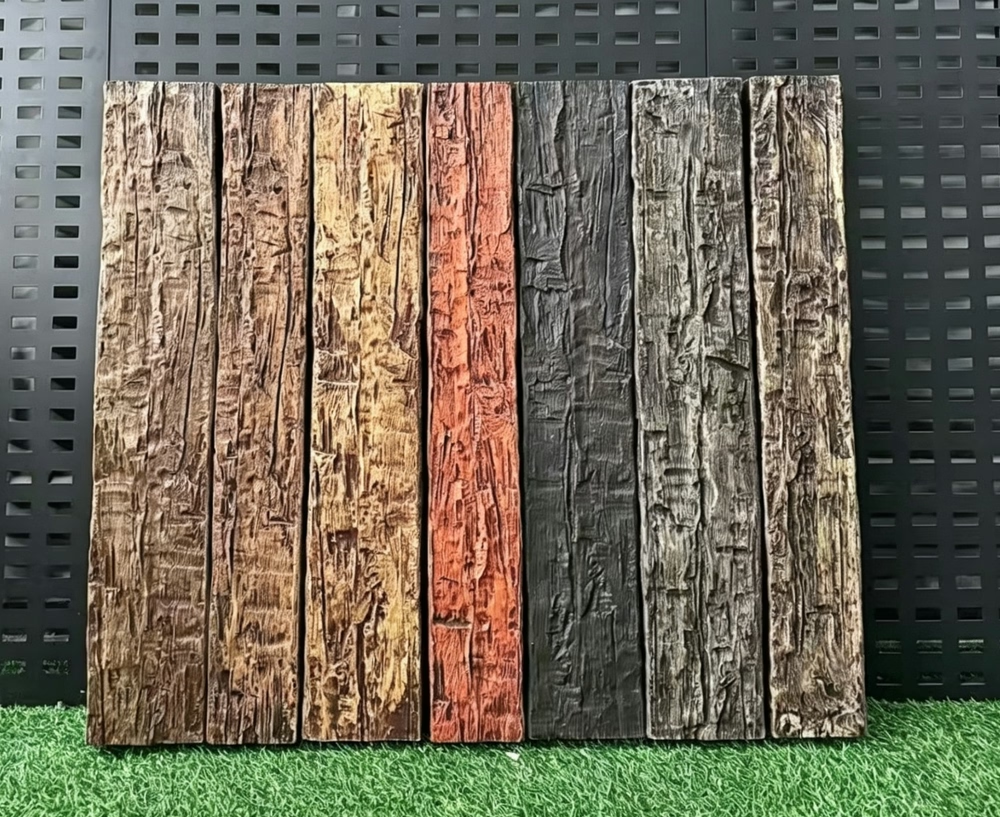
The color palette that Tuscan interiors embrace includes warm ochres, terracotta reds, olive greens, and the golden tones of aged timber. These colors reference the landscape—wheat fields, terracotta roof tiles, olive groves, and weathered wood—that defines the Tuscan countryside.
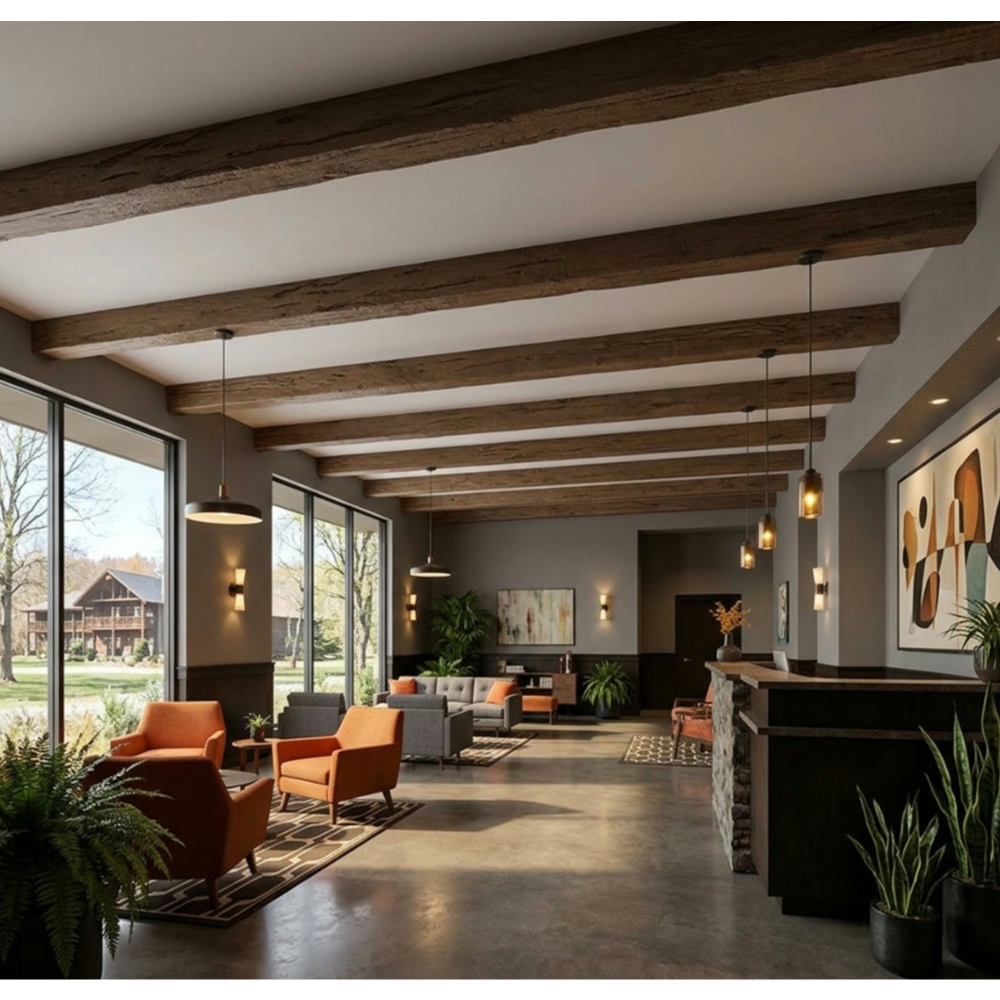
Tuscan Aged Texture Characteristics
Tuscan aged texture differs from northern European rustic aesthetics in several ways:
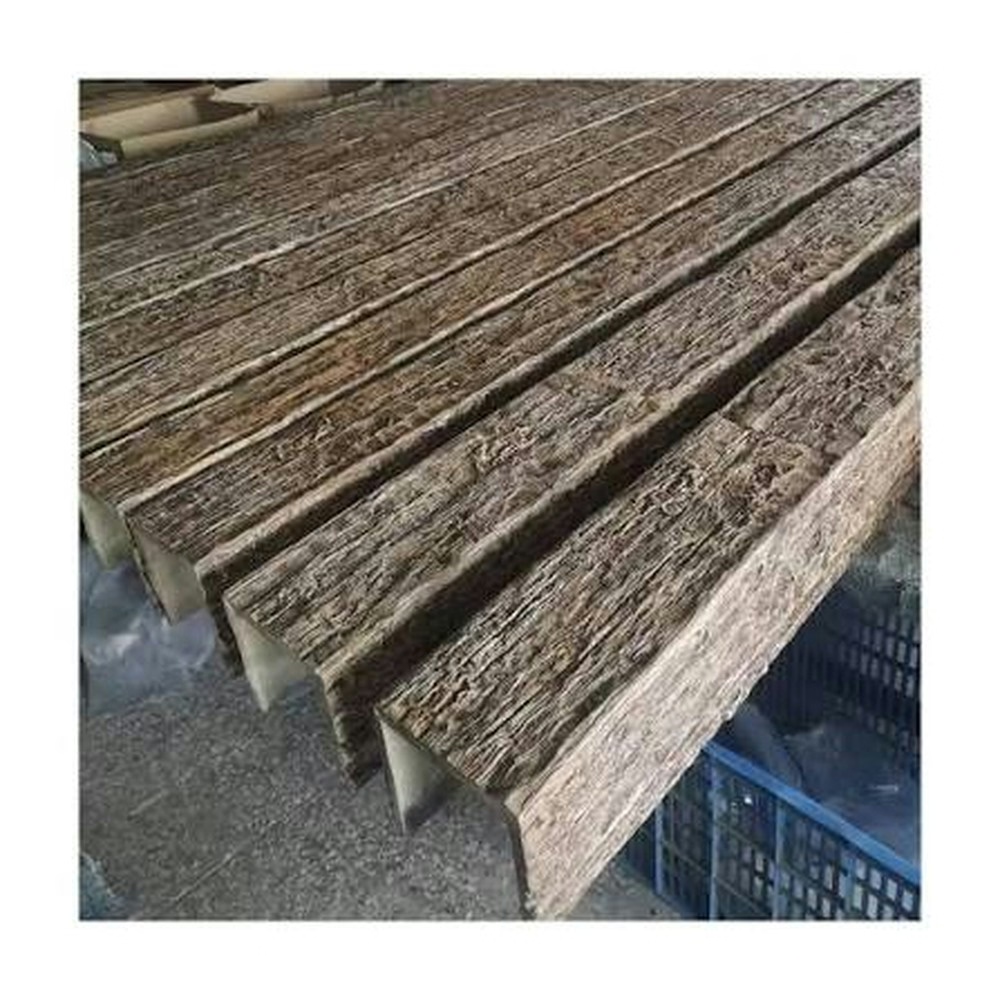
The texture is generally more subtle than heavily distressed barn wood—Tuscan character emphasizes warmth over drama. Surface irregularities are present but refined, suggesting gentle aging rather than harsh exposure.
Color development emphasizes golden and amber tones over the cooler greys that northern weathering produces. The Mediterranean sun creates different aging effects than northern rain and snow, producing warmer overall coloration.
Grain patterns in Tuscan timber typically display less figure than American oak or other dramatic species. The character comes more from color and proportion than from pronounced grain pattern.
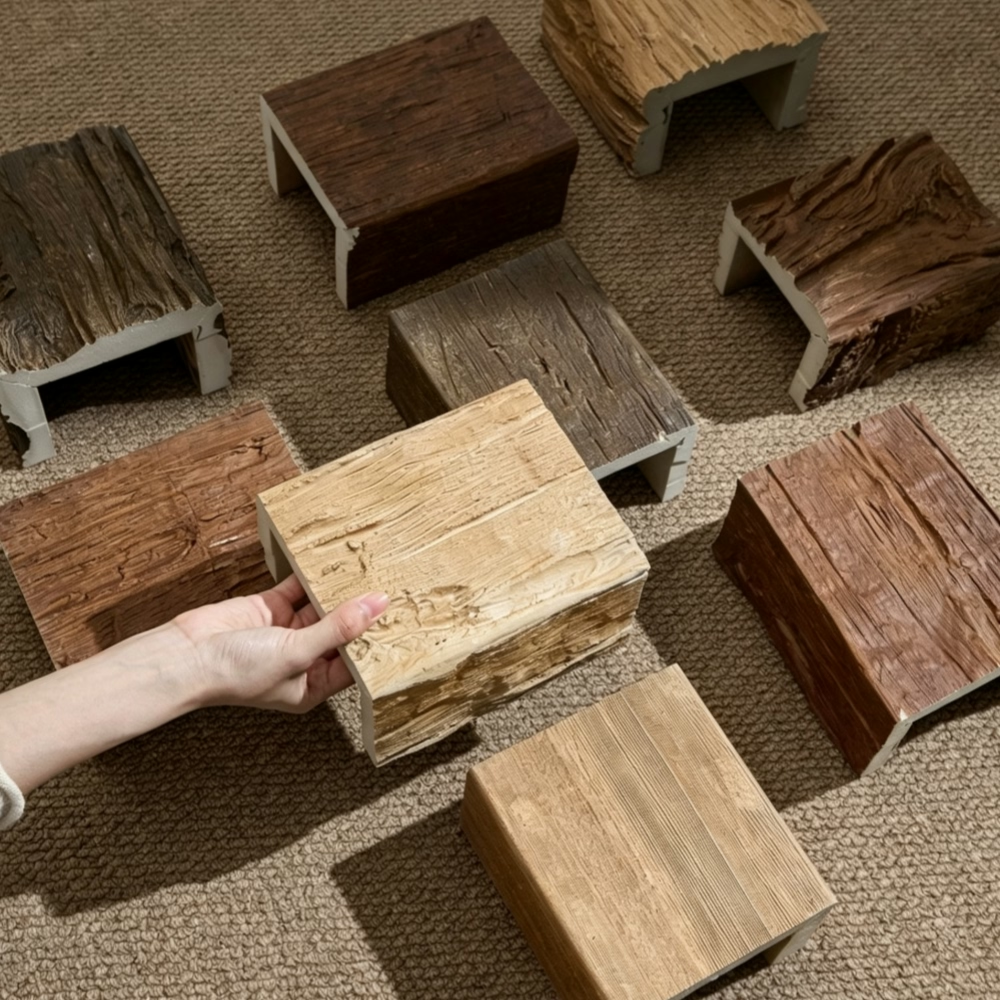
Mediterranean Decor Applications
Tuscan-styled beams serve multiple Mediterranean decorative applications:
Kitchen installations combine naturally with terracotta tile flooring, stone or plaster walls, and the warm wood cabinetry that Tuscan kitchens typically feature. The beams provide ceiling warmth that balances the thermal mass of stone and tile below.
Dining rooms benefit from the welcoming atmosphere that Tuscan styling creates. The warmth that beams provide encourages lingering over meals, supporting the Mediterranean dining culture that many homeowners want to reference.
Outdoor living spaces—covered patios, outdoor kitchens, verandas—can employ Tuscan-styled beams that extend interior warmth to exterior entertaining areas. Exterior-rated formulations maintain the warm character without weather-related degradation.
Material Coordination
Tuscan styling requires material coordination that respects the style's earthy character:
Terracotta elements—tile, pottery, architectural accents—should coordinate with beam coloring to create visual harmony. The warm earth tones that terracotta provides complement aged timber naturally when properly balanced.
Stone surfaces, whether actual stone or stone-appearance materials, work well with Tuscan beams when color relationships are properly managed. The grey and tan variations in natural stone can complement or clash with beam coloring depending on specific selection.
Plaster walls in warm tones create background that allows Tuscan beams to provide visual focus. The contrast between rough plaster texture and the smoother beam surface creates productive visual tension.
Textile elements—upholstery, drapery, area rugs—should embrace the earthy palette that Tuscan styling demands. Colors drawn from the landscape—wheat, olive, terracotta, sky—reinforce the Mediterranean character that beams support.
Scale and Proportion for Tuscan Spaces
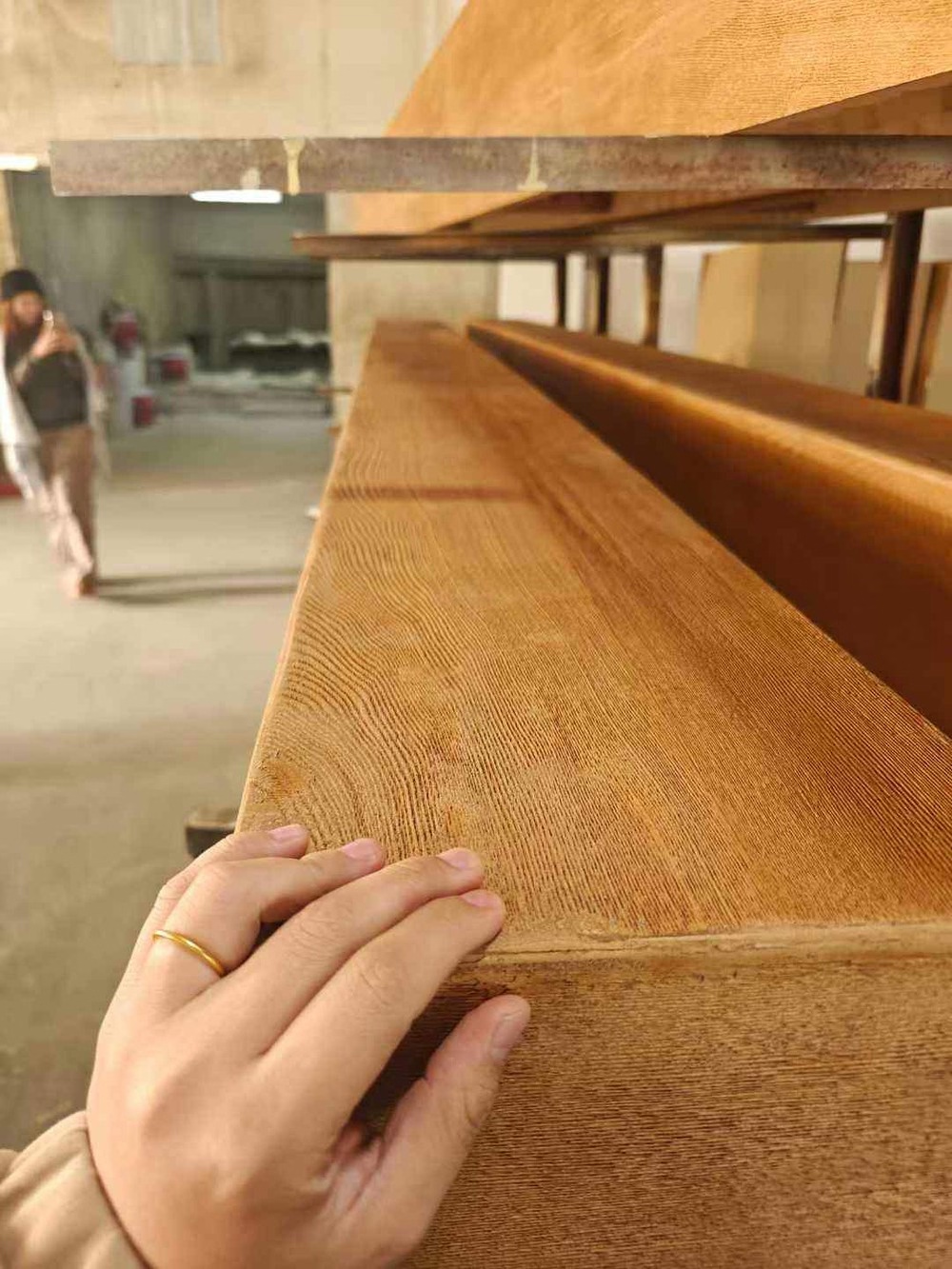
Tuscan architecture typically employs proportional restraint that differs from the dramatic scale that American rustic styling often features. Beams should respect this restraint, providing visual presence without overwhelming the refined proportions that Tuscan interiors pursue.
Beam depth relative to room dimensions matters significantly. Overly massive beams in a modestly-sized Tuscan dining room create visual heaviness that contradicts the airy quality that Mediterranean interiors typically pursue. The goal is warmth, not weight.
Technical References
ASTM standards cited in every specification
Test Data
Lab results from internal testing program
Updated 2026
Reviewed against current product specs