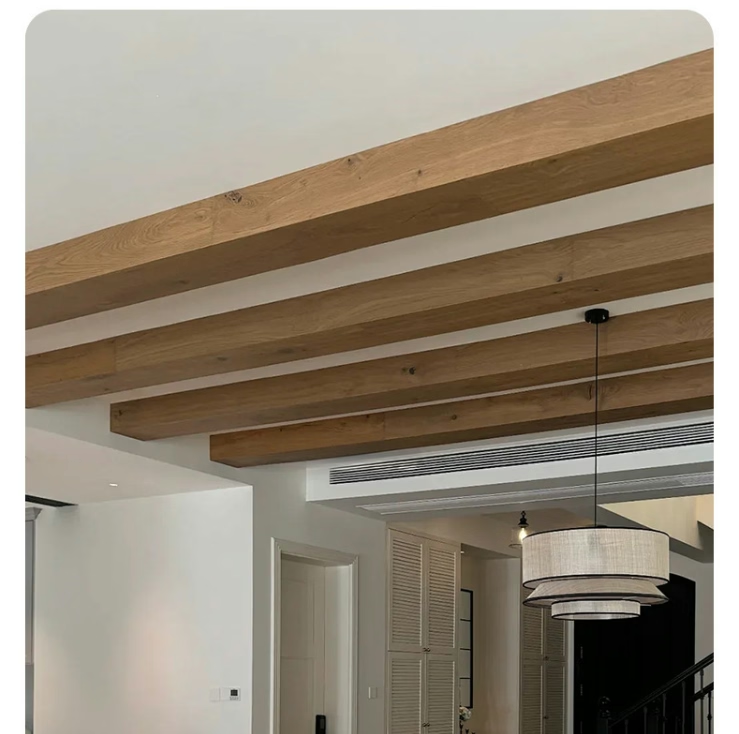
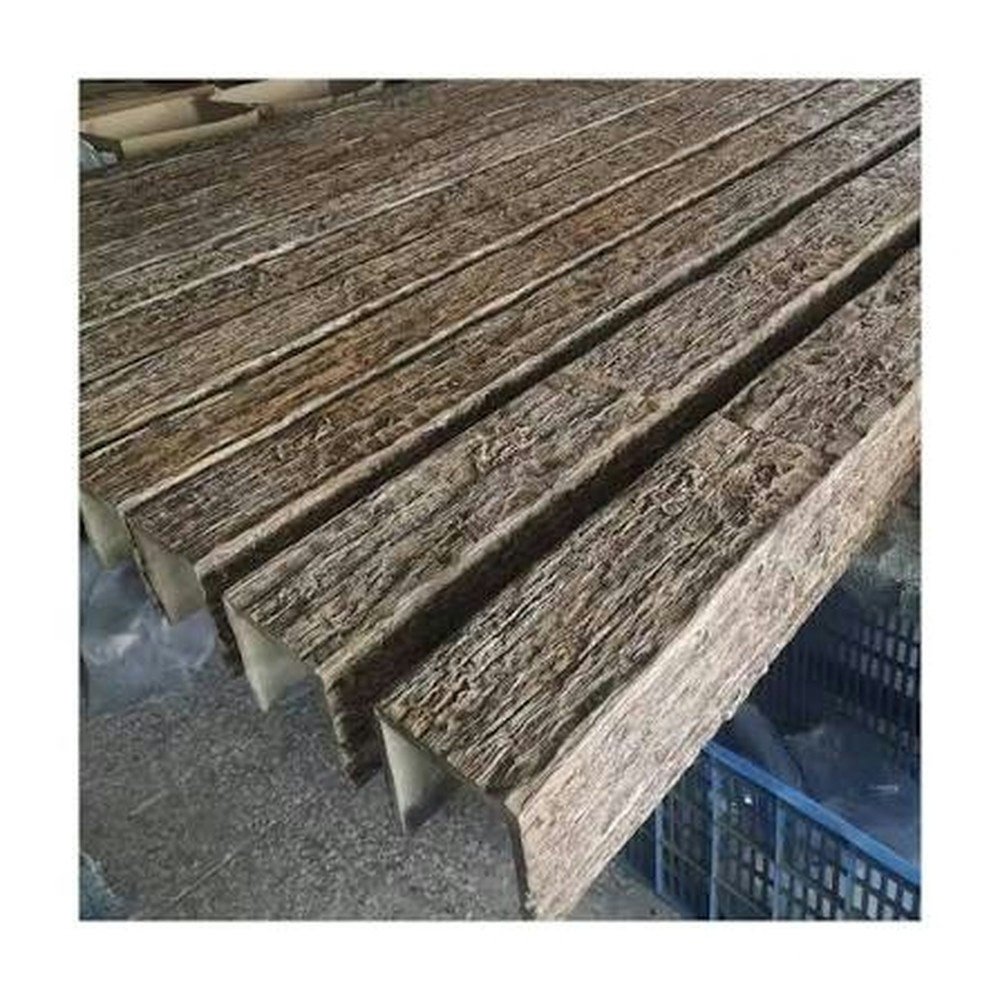
Antique Wood Appearance Faux Beams Built With Modern PU Technology
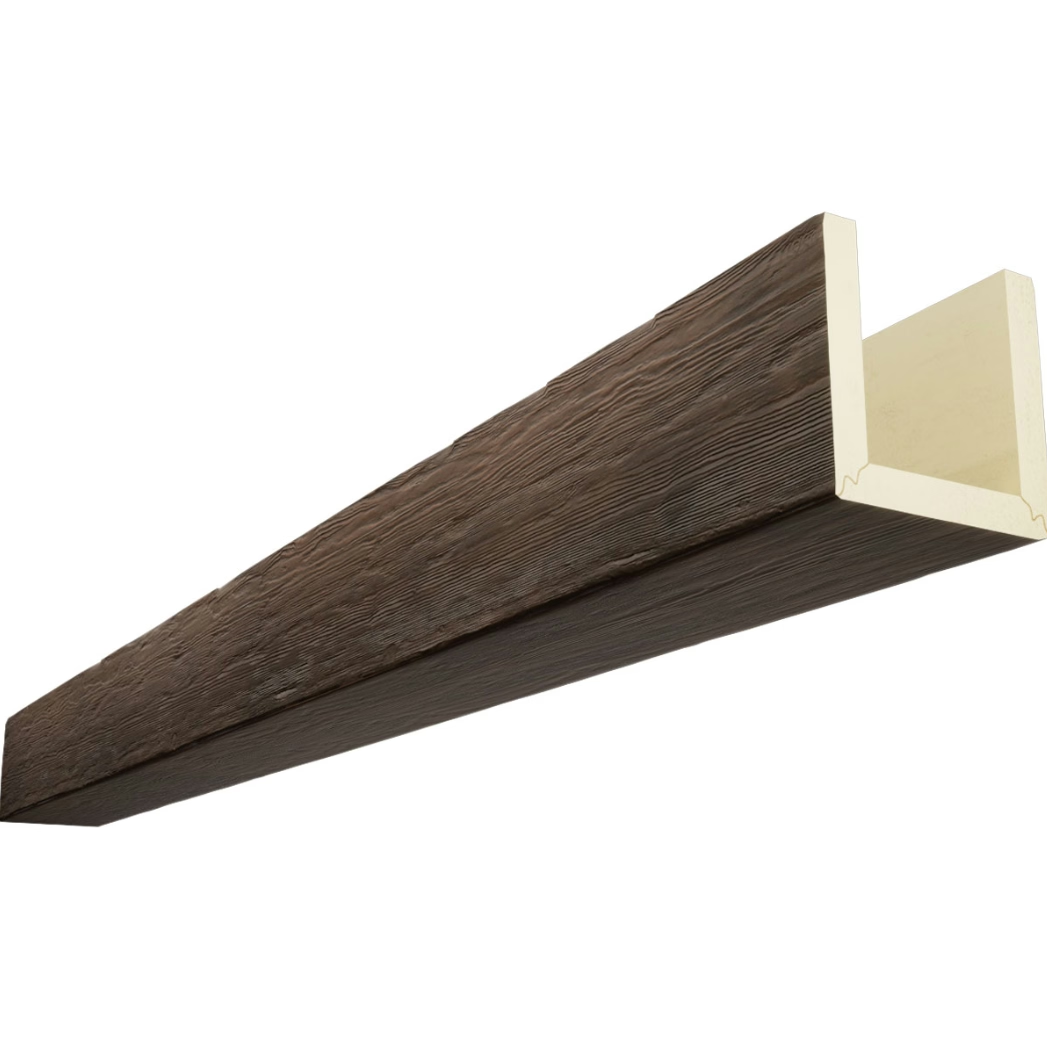
The apparent contradiction between antique appearance and modern technology resolves when we understand what quality polyurethane manufacturing actually achieves. Antique wood appearance faux beams built with modern PU technology deliver the aesthetic qualities of aged timber through contemporary material science, combining authentic appearance with performance characteristics that natural wood cannot match.
Modern PU Technology Capabilities
Polyurethane manufacturing has advanced significantly as the material has found applications across construction, automotive, furniture, and consumer products. These advances enable surface quality and detail retention that earlier polymer materials could not achieve:
High-definition molding captures fine surface detail consistently across production runs, ensuring that each piece matches the original design intent. This capability enables authentic texture reproduction that lesser manufacturing approaches cannot match.
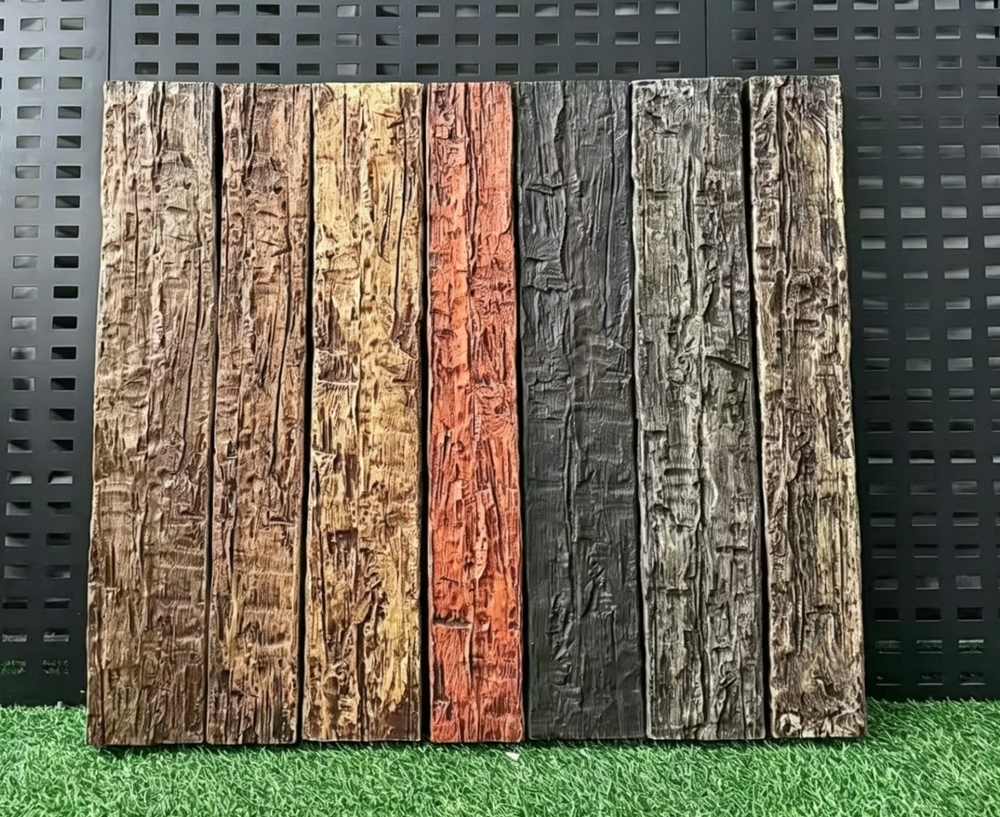
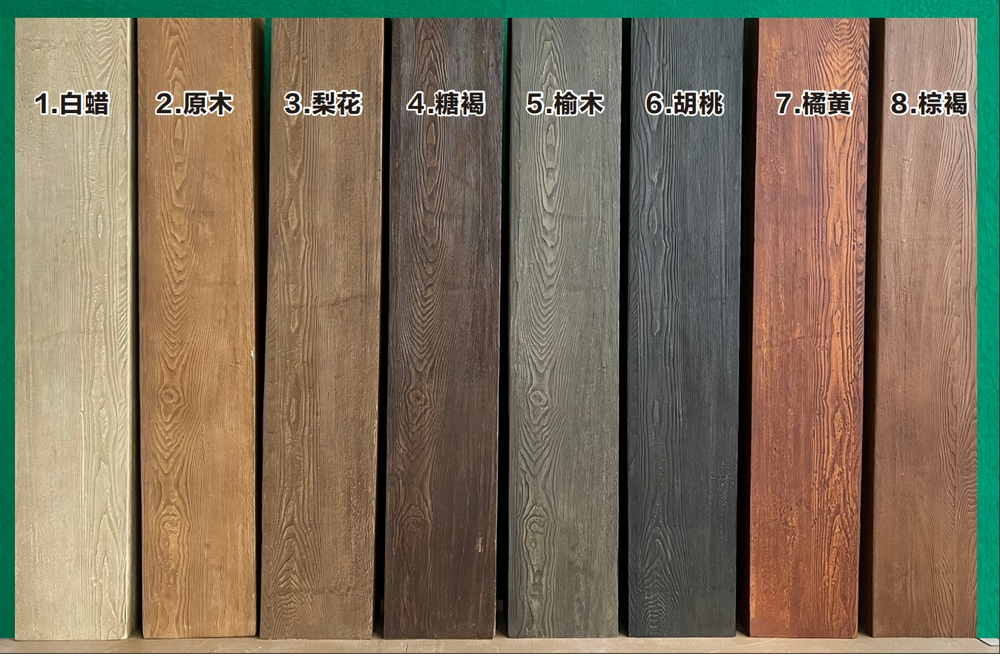
Color pigmentation technology achieves tones and effects that natural materials produce only through decades of aging. Modern pigments can create amber patina, weathered grey, and the full spectrum of aged wood appearance in materials fresh from the mold.
UV stabilization chemistry protects surface appearance from the degradation that would alter intended coloration over time. This technology enables the maintenance-free longevity that distinguishes quality PU products from alternatives.
Surface Detail Reproduction
The key to convincing faux wood appearance lies in surface detail reproduction:
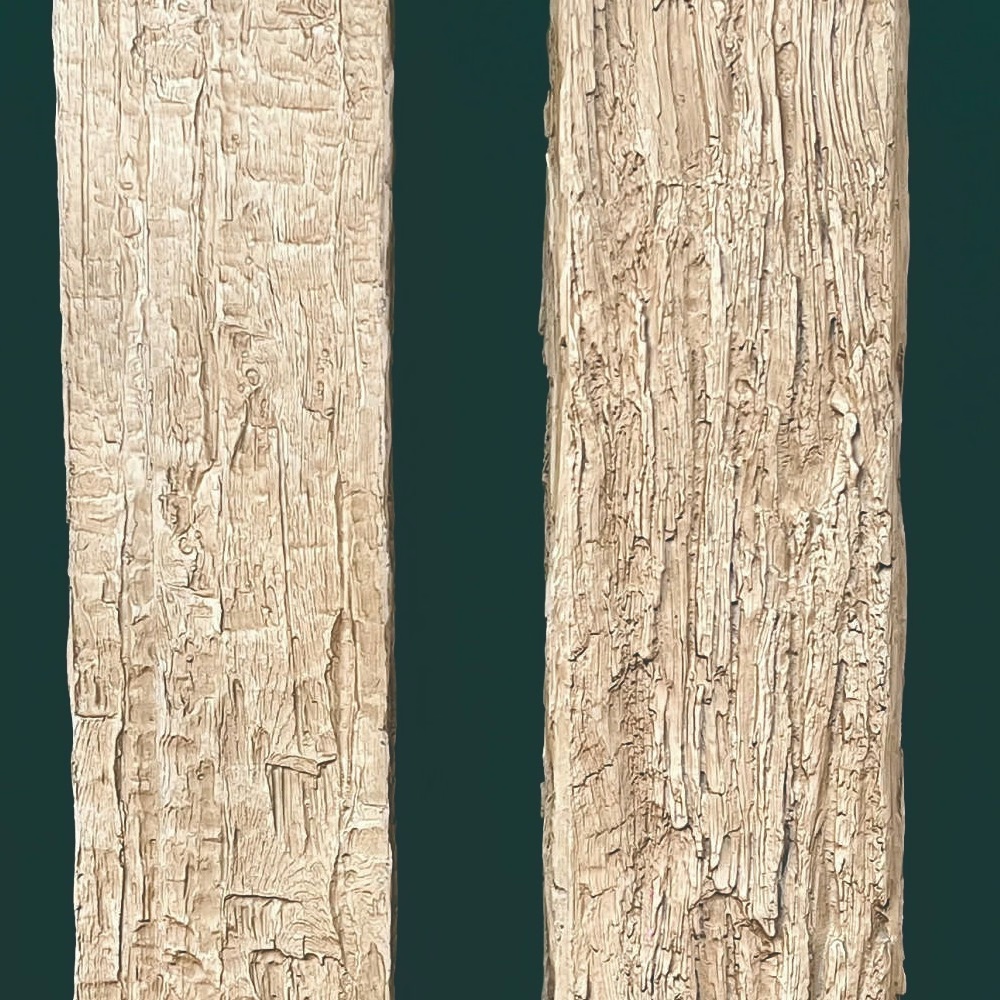
Grain pattern accuracy requires mold surfaces that capture the three-dimensional detail of authentic wood grain—the subtle ridges and valleys that create visual depth, the irregular spacing that prevents pattern repetition, and the species-specific characteristics that distinguish oak from ash or cedar from pine.
Texture variation across beam surfaces replicates the natural variation that genuine wood displays. No authentic wood surface presents uniform texture; quality faux beam manufacturing incorporates controlled variation that suggests natural origin rather than mechanical repetition.
Edge and end treatments should differ subtly from face textures, reflecting the different surface characteristics that wood develops at edges and ends. This detail requires manufacturing processes that address these variations specifically rather than applying uniform texture throughout.
Performance Characteristics
Beyond appearance, modern PU technology provides performance advantages that natural wood cannot match:
Dimensional stability ensures that beams maintain their shape and proportions regardless of humidity changes. Natural wood expands and contracts with moisture variation, creating gaps, warping, and the movement that eventually loosens fasteners. PU beams eliminate these concerns entirely.
Moisture resistance prevents the absorption that leads to rot, mold, and structural degradation. Even in humid environments, quality PU beams maintain their integrity without the protective treatments that natural wood requires.
Insect resistance eliminates pest concerns entirely. Termites and other wood-boring insects cannot damage polyurethane materials, removing one of the most significant maintenance concerns that natural timber installations face.
Lifetime Cost Analysis
While initial cost for quality PU beams may exceed natural wood alternatives, lifetime cost analysis typically favors synthetic materials:
Maintenance requirements for natural wood—staining, sealing, repair of weather damage, pest treatment—accumulate substantial costs over the product lifetime. PU beams require no ongoing maintenance beyond occasional cleaning.
Replacement costs for degraded natural wood can be substantial, particularly in locations difficult to access. PU beams maintain appearance indefinitely, eliminating these replacement scenarios.
Insurance and liability considerations favor non-combustible materials in many applications. Fire-rated PU formulations address these concerns that natural timber cannot.
Buyers should request lifetime cost comparisons that account for all factors, not just initial pricing. The apparent savings from budget alternatives often disappear when full lifecycle costs are properly calculated.
Technical References
ASTM standards cited in every specification
Test Data
Lab results from internal testing program
Updated 2026
Reviewed against current product specs