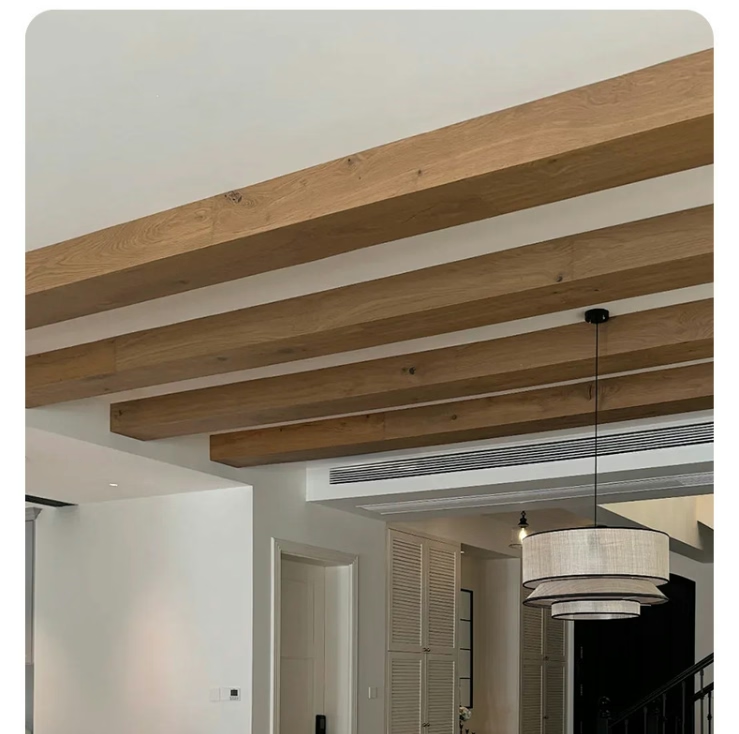
Architect-Approved Faux Timber Beams for High-End Ceiling Installations
High-end ceiling installations demand products that satisfy the most demanding aesthetic and performance requirements. Architect-approved faux timber beams carry the validation that professional specification requires, providing assurance that products have undergone rigorous evaluation and met standards appropriate for sophisticated design applications.
The Approval Process
Architectural approval typically involves multiple evaluation dimensions:
Aesthetic evaluation assesses whether products achieve the visual quality that high-end applications require. This evaluation considers texture accuracy, color consistency, profile precision, and overall appearance quality. Products that satisfy casual consumers may fail professional aesthetic evaluation when scrutinized under design-critical conditions.
Performance verification confirms that products meet specified requirements through testing and documentation review. Fire ratings, structural capacity, environmental performance, and durability characteristics all require verification appropriate to the application.
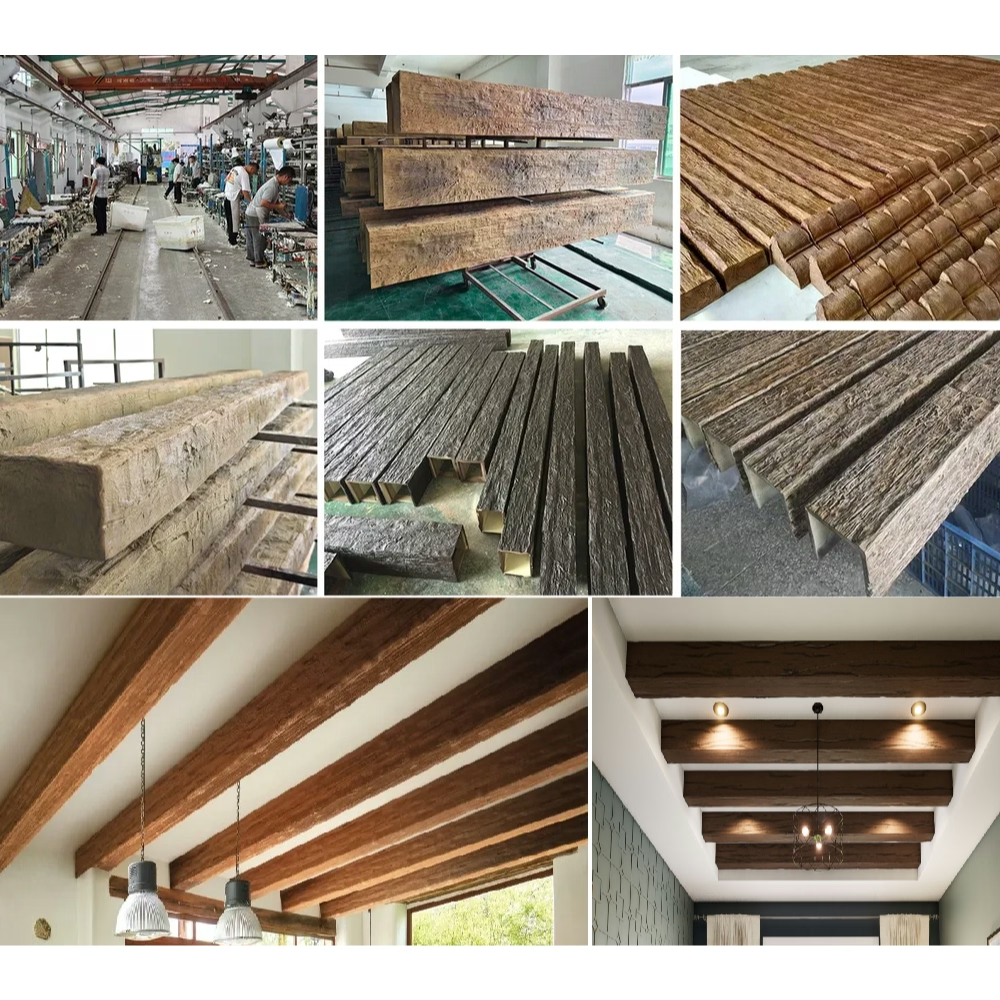
Manufacturing capability assessment evaluates whether producers can deliver the quality, consistency, and timeline reliability that architectural projects demand. This assessment considers production capacity, quality management systems, and track record on similar projects.
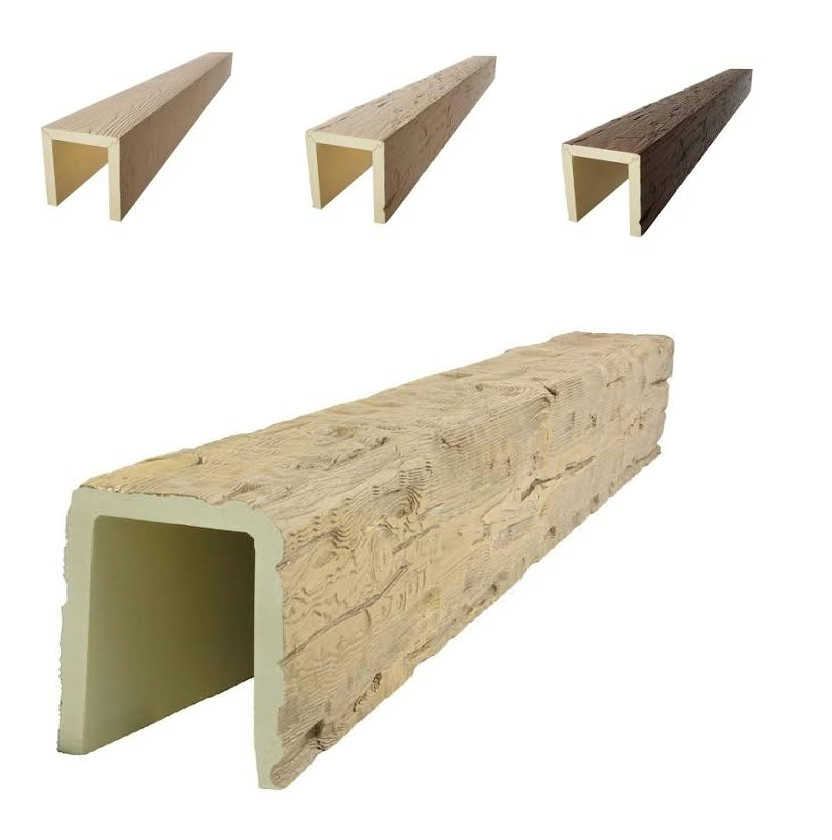
Characteristics of High-End Beam Products
Products worthy of architect approval share several characteristics:
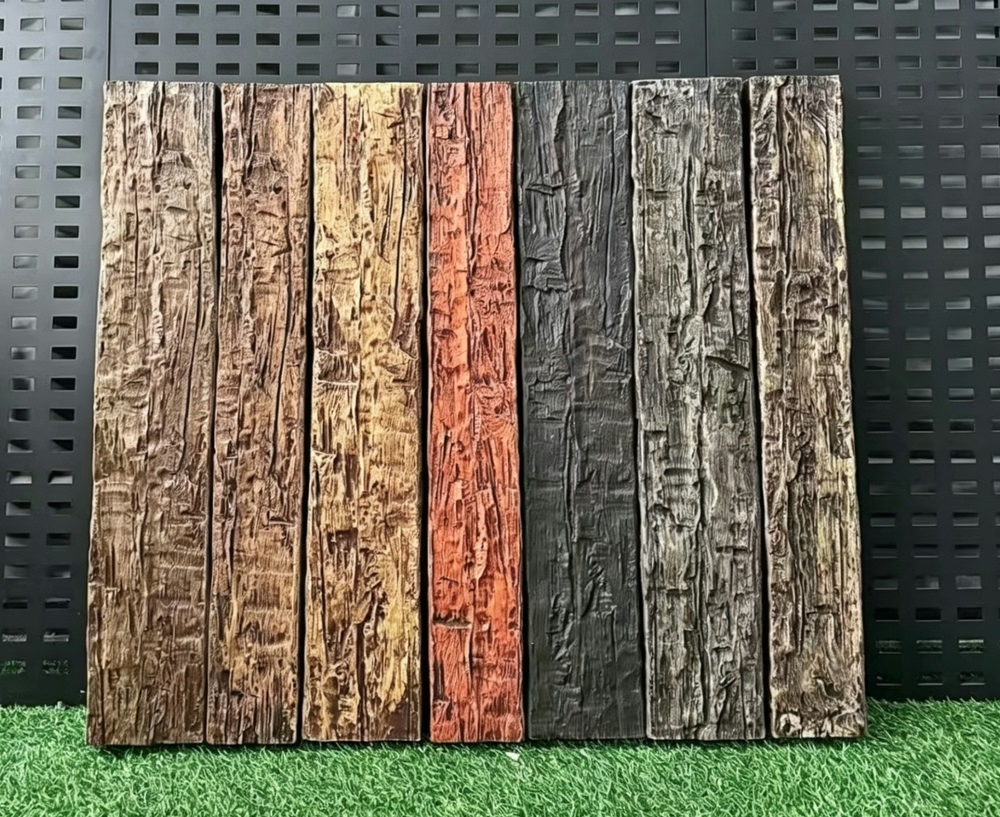
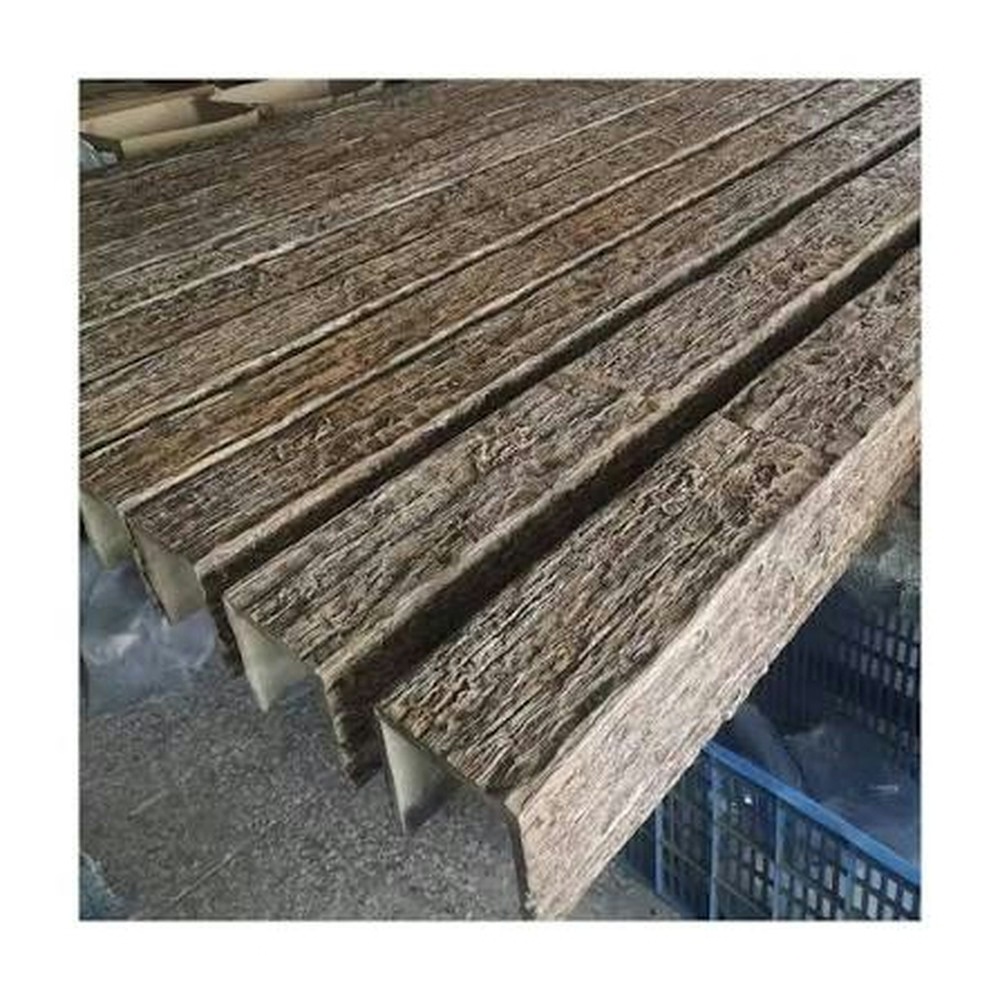
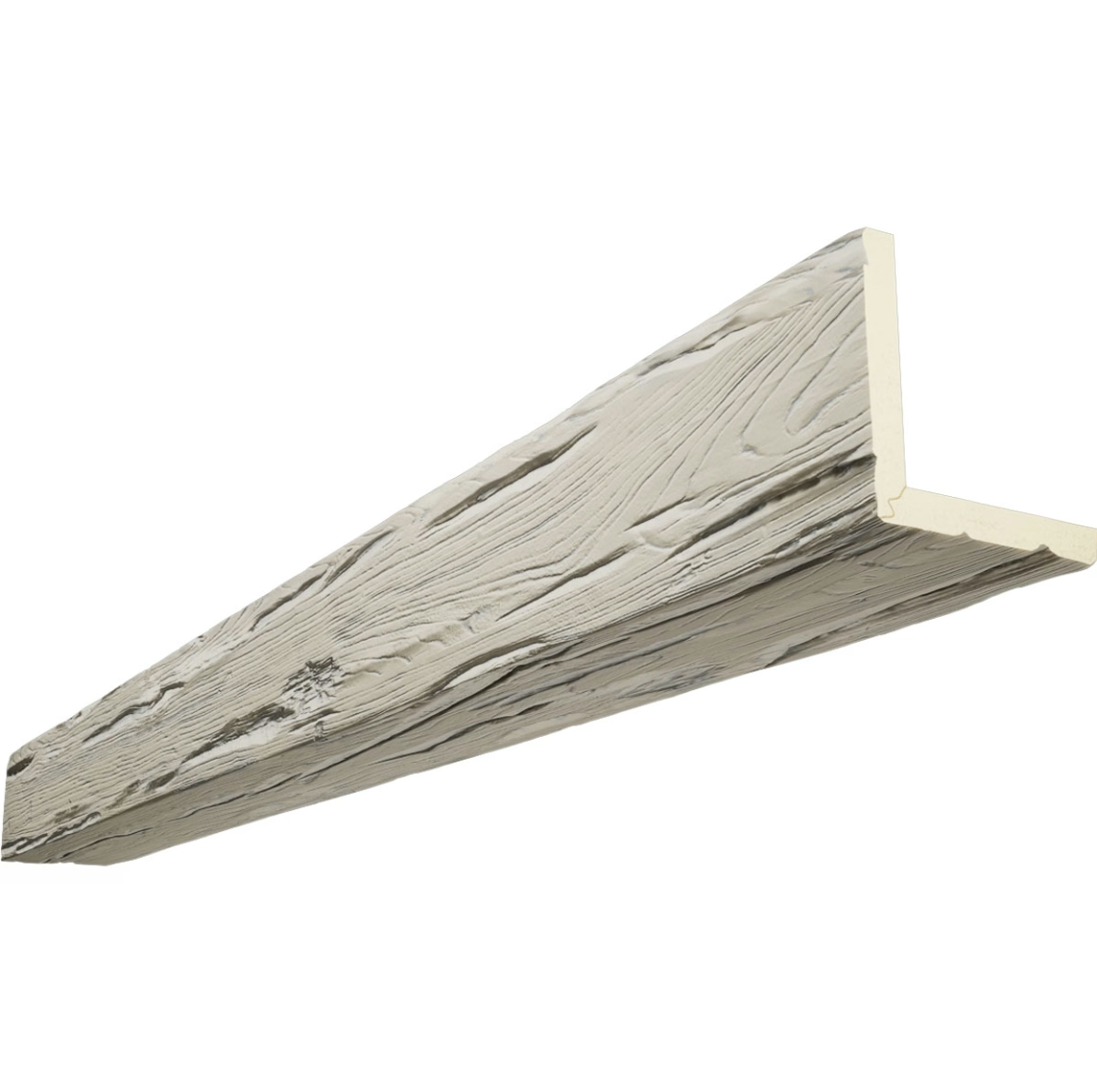
Premium surface quality with texture reproduction that withstands close scrutiny. High-end applications often feature dramatic lighting that reveals surface quality differences invisible under casual observation. Products must satisfy inspection under these demanding conditions.
Consistent color matching across multiple pieces and production runs. Large installations where many beams must coordinate visually require color consistency that lesser products cannot achieve.
Dimensional precision that enables tight joints and clean intersections. High-end installations reveal imperfect alignment that budget tolerances would permit; premium products maintain the precision that architectural quality demands.
Complete documentation supporting specification, substitution review, and code compliance. High-end projects generate extensive documentation requirements that manufacturers must be prepared to satisfy.
High-End Application Contexts
Architect-approved beams serve applications where quality standards are highest:
Luxury residential projects where discerning clients expect perfection and have the expertise to recognize quality differences. These projects tolerate no visible defects and require flawless execution throughout.
Boutique hospitality projects where guest experience depends on atmospheric quality that inferior materials cannot provide. Hotel lobbies, fine dining rooms, and resort common areas all require the ceiling quality that architect-approved products deliver.
Commercial flagship locations where brand image depends on physical environment quality. Retail showrooms, corporate headquarters, and professional offices benefit from the architectural quality that premium products enable.
Specification Support for High-End Projects
Architect-approved products typically provide enhanced specification support:
Dedicated representatives who understand architectural processes and can coordinate between design intent and manufacturing capability. This coordination ensures that specified products will actually achieve what design requires.
Sample services that provide accurate representation of final products. Full-scale samples, finish samples, and texture samples all enable informed evaluation before production commitments.
Custom capability that addresses project-specific requirements beyond standard offerings. High-end projects often involve unique specifications that standard products cannot satisfy; manufacturer flexibility enables these requirements to be met.
Project management coordination ensuring that delivery schedules align with construction timelines. High-end projects typically operate on compressed schedules where delays create cascading problems; reliable delivery coordination prevents these issues.
Long-Term Relationship Value
Architect approval creates relationships that benefit both parties across multiple projects:
Product familiarity that architects develop through successful installations enables faster specification on subsequent projects. Knowing what products will deliver eliminates the evaluation burden on repeat applications.
Manufacturer investment in relationship success through responsive support, flexible accommodation, and consistent quality. This investment pays returns through sustained specification that rewards the manufacturer's commitment.
Industry reputation that approval creates benefits manufacturers and architects alike. Products known to perform reliably become standard specifications; architects known for quality installations build practices that value their expertise.
Technical References
ASTM standards cited in every specification
Test Data
Lab results from internal testing program
Updated 2026
Reviewed against current product specs