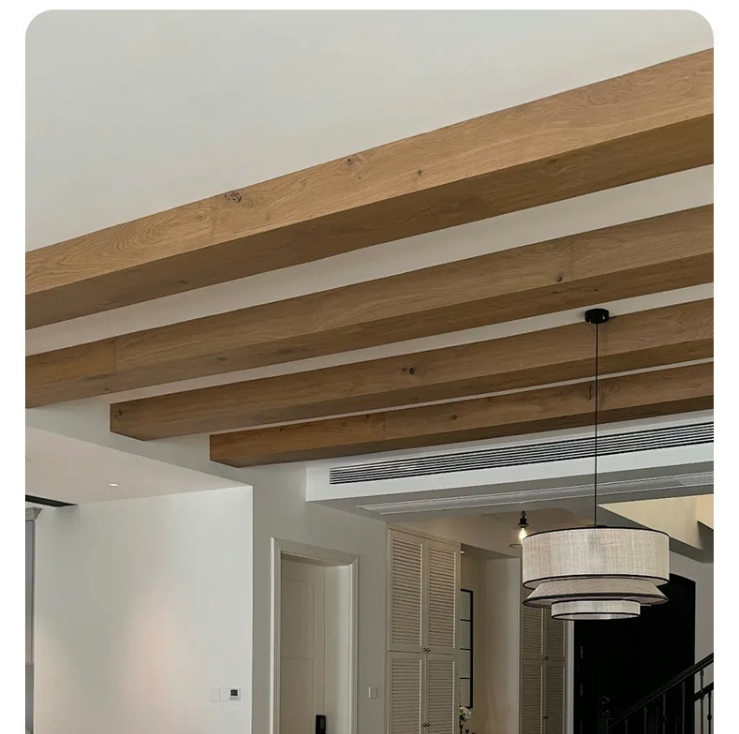
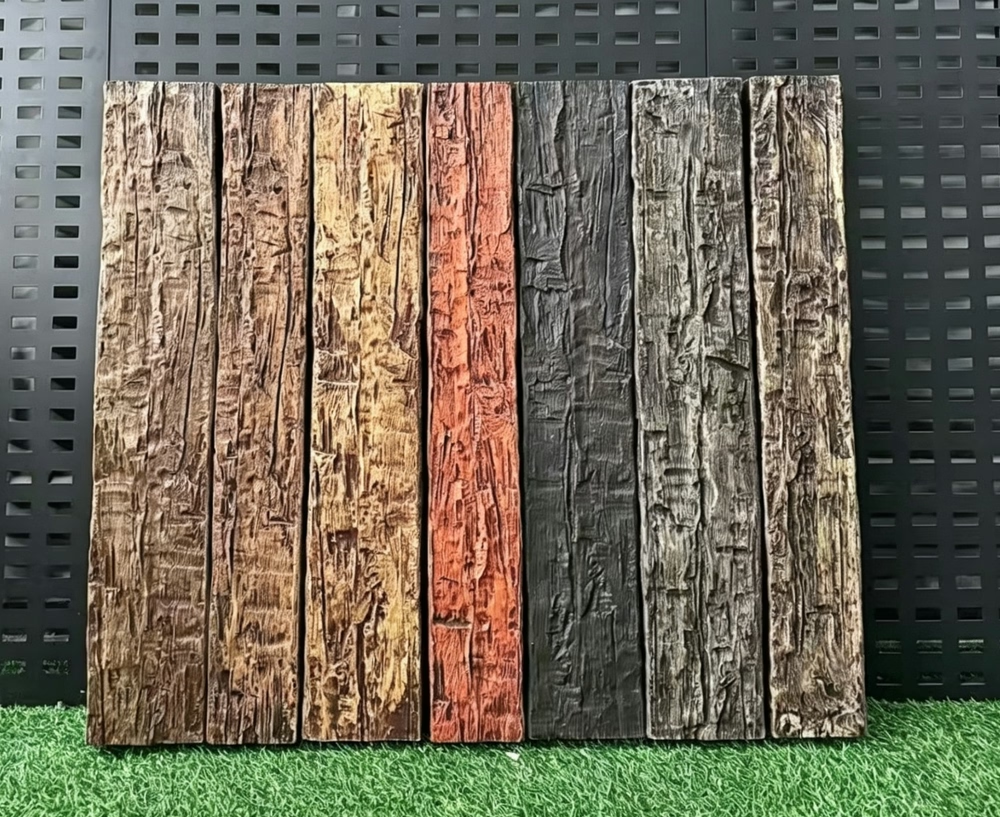
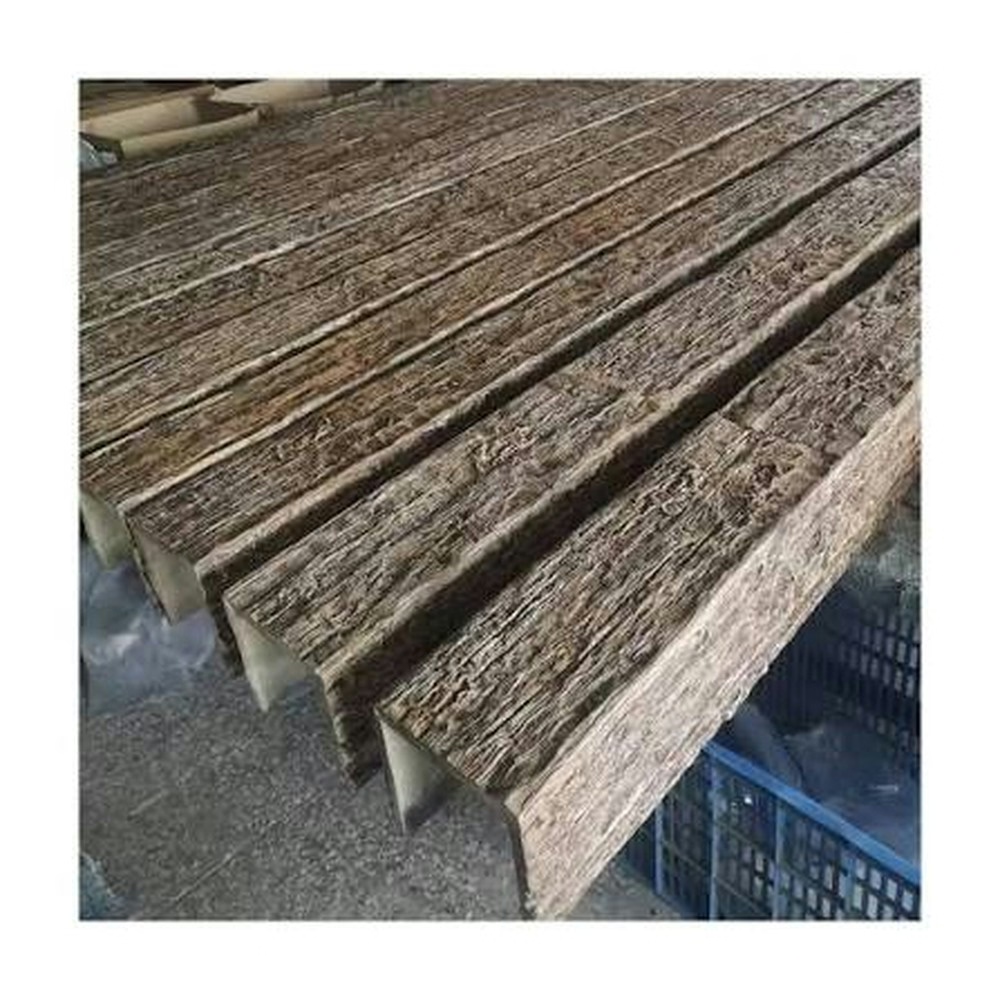
Architect-Approved Structural Grade PU Faux Beams for Professional Projects
While most faux timber beams are purely decorative, professional projects sometimes require elements that combine authentic appearance with enhanced structural characteristics. Architect-approved structural grade polyurethane faux beams address these applications, providing load-bearing or load-supporting capability alongside the aesthetic quality that professional specification demands.
Understanding Structural Grade Requirements
Structural grade designation indicates performance capabilities beyond decorative applications:
Load capacity testing verifies how much weight beams can support safely. This testing covers both point loads at specific locations and distributed loads across beam length.
Fastener capacity determines how much weight mounting hardware can support without pulling free or failing. This specification affects mounting approach selection and installation requirements.
Span capability indicates how far beams can extend between support points without excessive deflection. This characteristic matters when beams must bridge openings or span between structural elements.
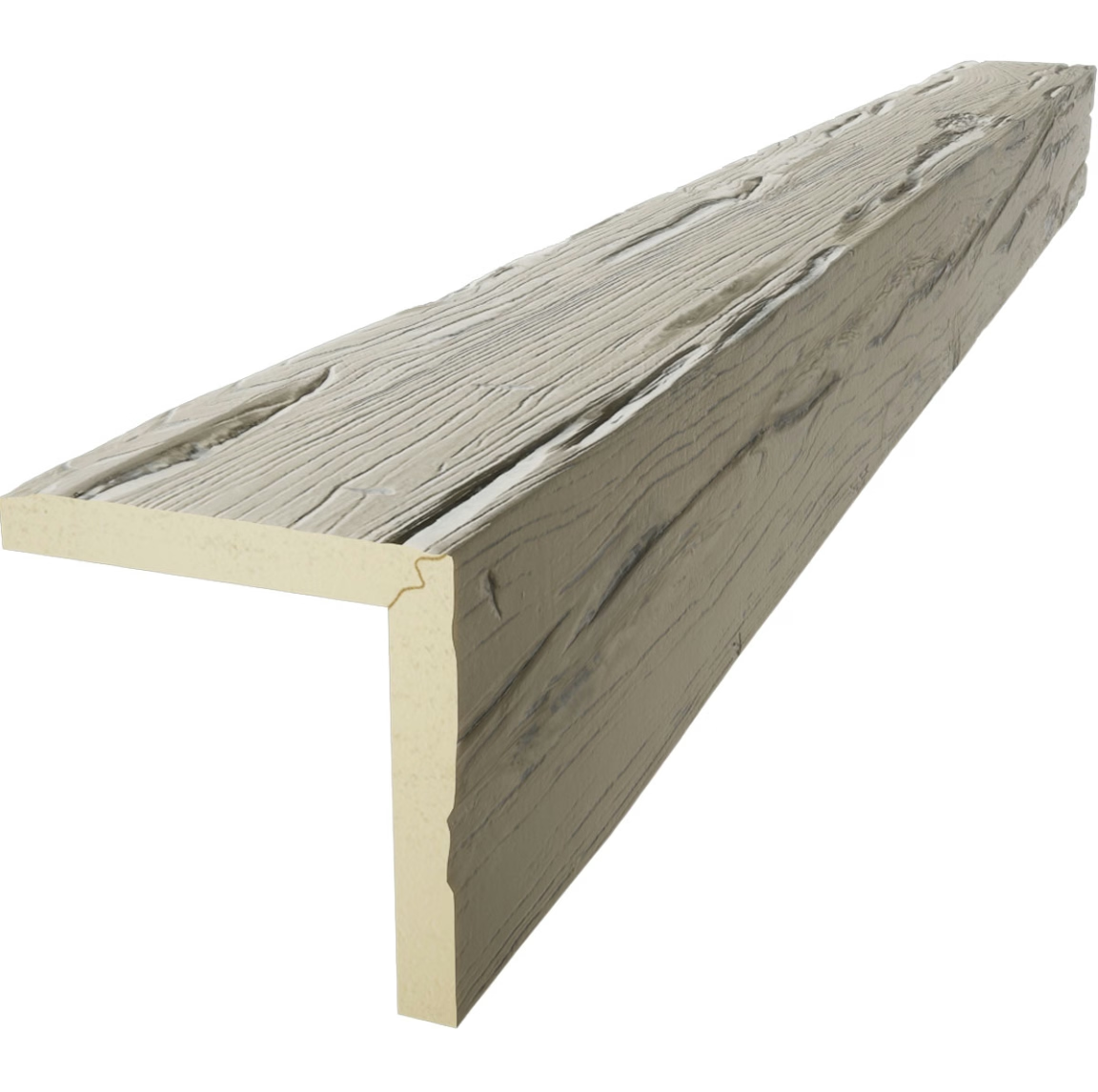
Engineering Documentation
Structural grade products require comprehensive engineering documentation:
Structural calculations showing how beam capacity was determined, what safety factors apply, and what conditions must be met for rated capacity to be achieved. These calculations should be stamped by qualified engineers in jurisdictions that require professional certification.
Load test data documenting actual performance under controlled testing conditions. This data supports calculation claims with empirical verification.
Installation parameters specifying requirements that must be followed for rated performance to be achieved. These parameters typically include mounting approach, fastener specifications, support conditions, and environmental limitations.
Applications for Structural Grade Beams
Structural grade faux beams serve specific application categories:
Pergola and shade structure construction where beams form the primary shade elements without additional roof structure. These applications load beams directly with their own weight plus environmental loads from wind and rain.
Canopy support elements that carry signage, lighting, or other attached items. Beams in these applications may carry substantial dead loads from attached elements.
Patio cover construction where beams span between posts or walls to support roofing materials. The beam capacity must accommodate roofing weight plus snow or rain loads that accumulate.
It is critical to understand that structural grade designation applies to specific products and configurations—using decorative-grade products in structural applications creates serious safety hazards.
Professional Specification Requirements
Structural applications require specification attention that decorative applications may not need:
Peer review of structural calculations by qualified engineers familiar with the application context. This review catches errors and identifies assumptions that may not apply to specific project conditions.
Coordination with structural engineer of record who bears responsibility for overall building structure. Beam specification must integrate with the structural design, not conflict with or duplicate structural functions.
Inspection requirements that verify installed conditions match specified requirements. Post-installation inspection ensures that beams were installed correctly and that rated capacity applies to actual conditions.
Safety Considerations
Structural applications demand safety-conscious specification and installation:
Safety factors that rated capacities include appropriate margins for uncertainty, installation variation, and material degradation over time. Products without adequate safety factors create unacceptable risk.
Documentation that installers can verify correct installation. Products should include clear guidance on how to confirm that installation achieves rated conditions.
Regular inspection schedules for structural elements that catch degradation or damage before failures occur. Even premium materials benefit from periodic professional evaluation.
The professional validation that architect-approval represents provides confidence that structural grade products will perform safely throughout their service lifetime when properly installed and maintained.
Technical References
ASTM standards cited in every specification
Test Data
Lab results from internal testing program
Updated 2026
Reviewed against current product specs