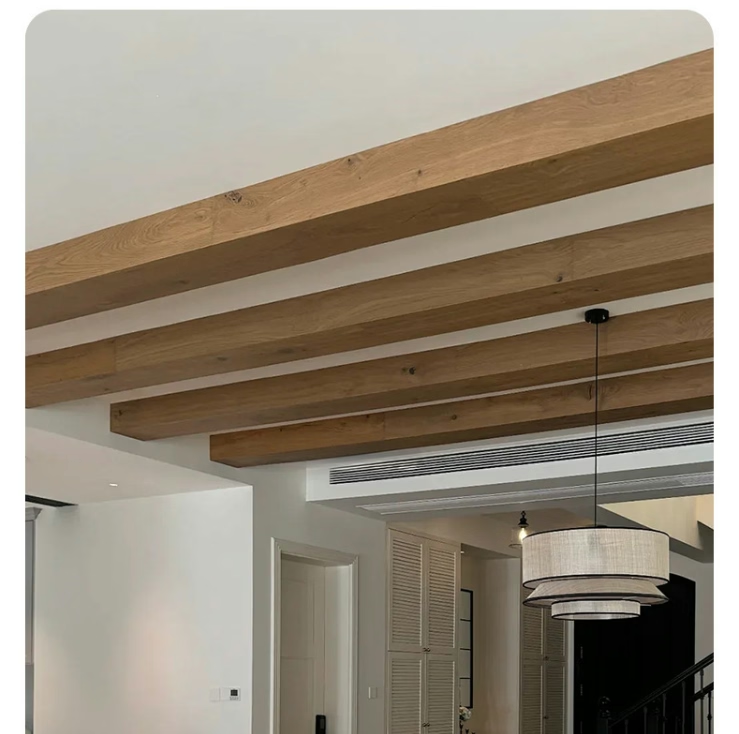
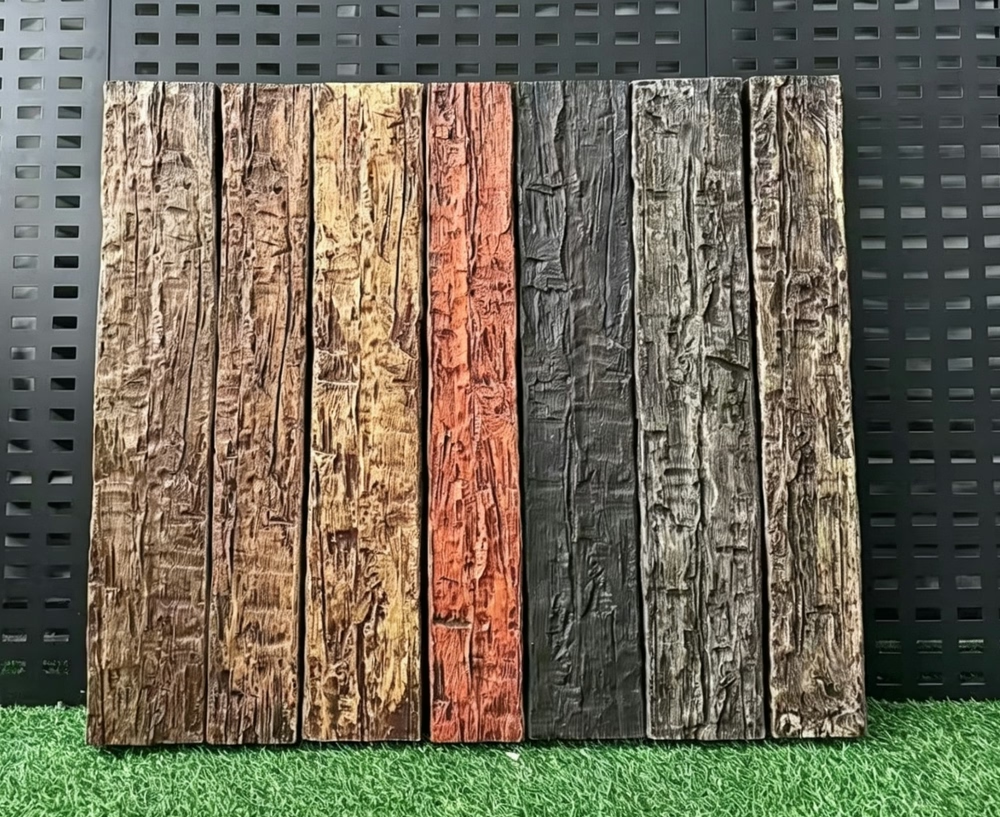
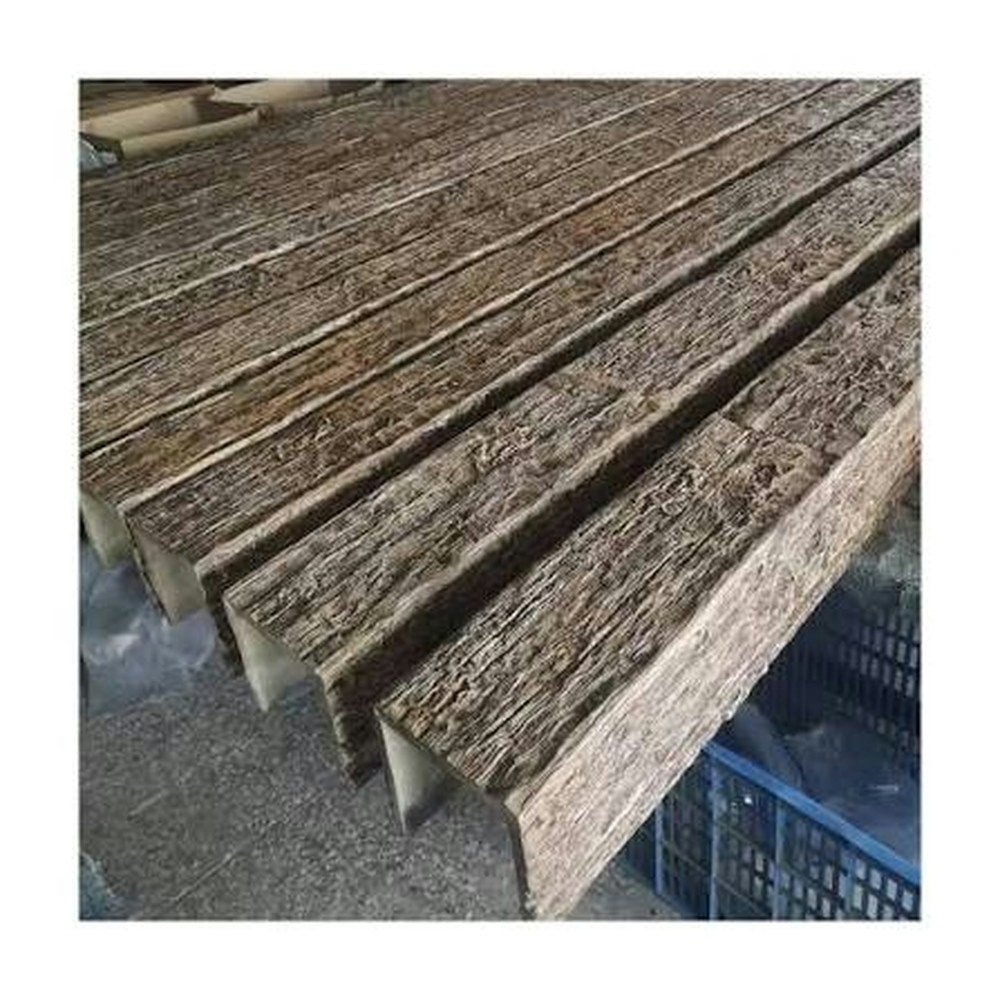
Architectural Building Molding Polyurethane Decorative Ceiling Beams
Beyond ceiling beams themselves, architectural molding systems complete interior design by addressing the transitions, borders, and trim details that connect beams to surrounding surfaces. Polyurethane decorative ceiling beams function within these comprehensive molding systems, providing architectural completion that goes beyond simple beam installation.
Molding System Components
Comprehensive architectural molding systems include multiple element categories:
Crown molding that transitions between ceiling and wall surfaces creates visual completion at the highest wall position. Crown profiles range from simple classic shapes to elaborate period-appropriate ornament that demands attention.
Cornice molding that runs parallel to wall tops provides horizontal visual continuity while concealing the joint between wall and ceiling surfaces. Cornice scale should relate appropriately to beam dimensions and room proportions.
Frieze molding that occupies the horizontal band between crown and cornice offers additional decorative opportunity. This zone can carry simple repeated ornament or elaborate sculptural detail depending on design intent.
Beam trim that addresses the specific transitions between beams and adjacent surfaces—end treatments where beams terminate, intersection details where beams cross, and mounting details where beams attach to ceiling structures.
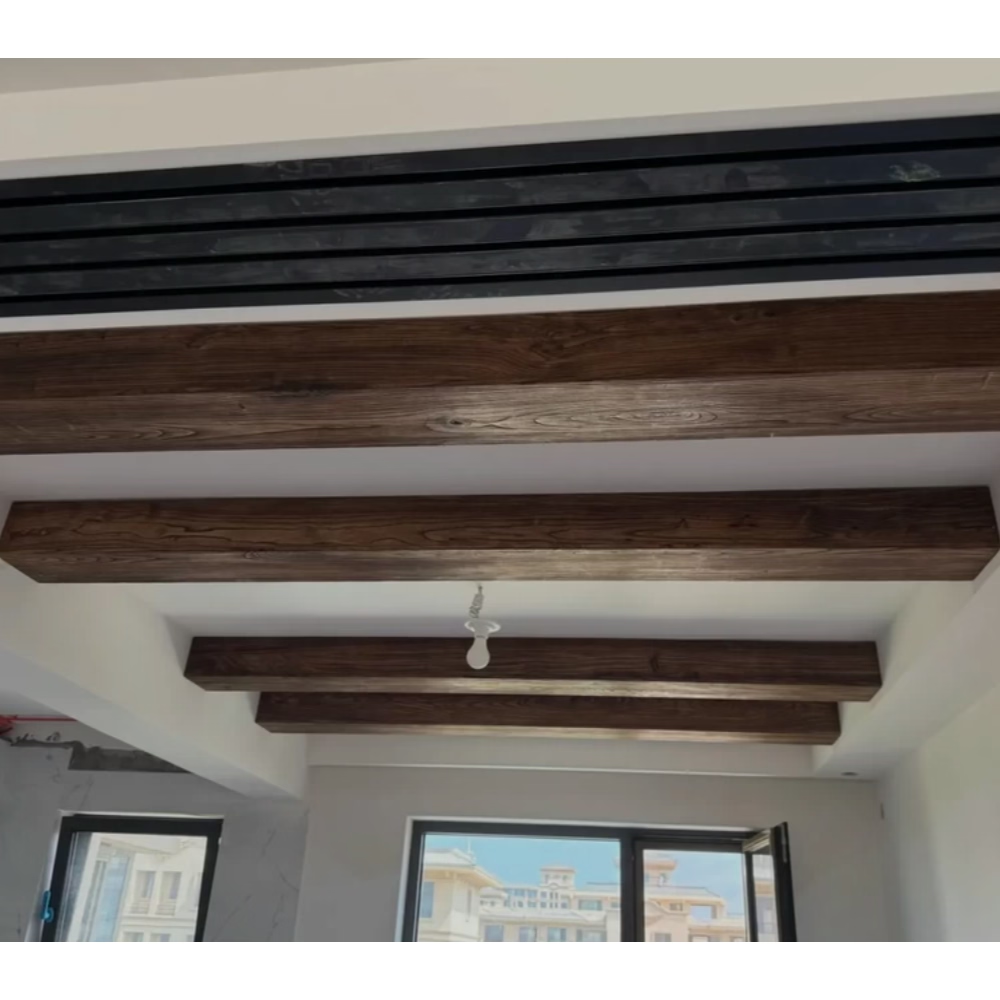
Polyurethane Molding Advantages
Polyurethane molding provides advantages over traditional wood and plaster alternatives:
Dimensional consistency ensures that trim pieces fit together precisely without the gaps, alignment problems, and adjustment work that natural materials require.
Moisture resistance prevents the swelling, warping, and rot that affects wood trim in humid conditions. This resistance proves particularly valuable in kitchens, bathrooms, and other humid areas where wood trim struggles.
Detail retention maintains crispness that plaster alternatives lose through chipping and breakage. The durable surface of polyurethane molding resists the impact damage that plaster experiences routinely.
Lightweight handling simplifies installation dramatically compared to plaster or heavy wood trim. Single-person installation becomes practical for molding that would otherwise require multiple workers.
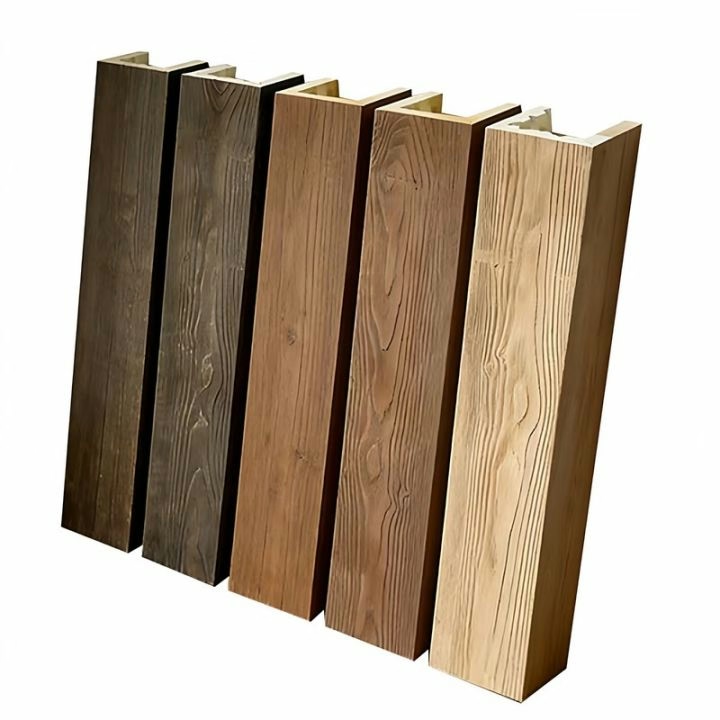
Matching Molding to Beam Styles
Different beam styles suggest different molding approaches:
Traditional beam styles pair naturally with period-appropriate crown and cornice profiles. Victorian beams suggest Victorian crown molding; Craftsman beams align with Mission-style trim. This matching creates coherent design language rather than arbitrary combination.
Contemporary beam profiles work with modern molding that emphasizes clean lines and minimal ornament. The restraint of modern aesthetics rejects the elaborate profiles that traditional styles embrace.
Transitional designs that blend traditional and contemporary elements require molding that bridges both vocabularies—perhaps traditional profiles in simplified forms, or modern profiles with subtle traditional references.
Installation Systematization
Professional molding installation follows systematic approaches:
Dry fit before adhesive application identifies adjustment needs before commitment. Even precision-manufactured polyurethane molding benefits from fit verification before permanent installation.
Sequential installation from top to bottom or bottom to top consistently ensures proper alignment as installation progresses. Working in consistent directions prevents alignment drift that disrupts visual lines.
Joint treatment that creates invisible connections between molding pieces maintains the continuous appearance that trim should provide. Premium polyurethane adhesives that cure without visible residue support this invisible connection requirement.
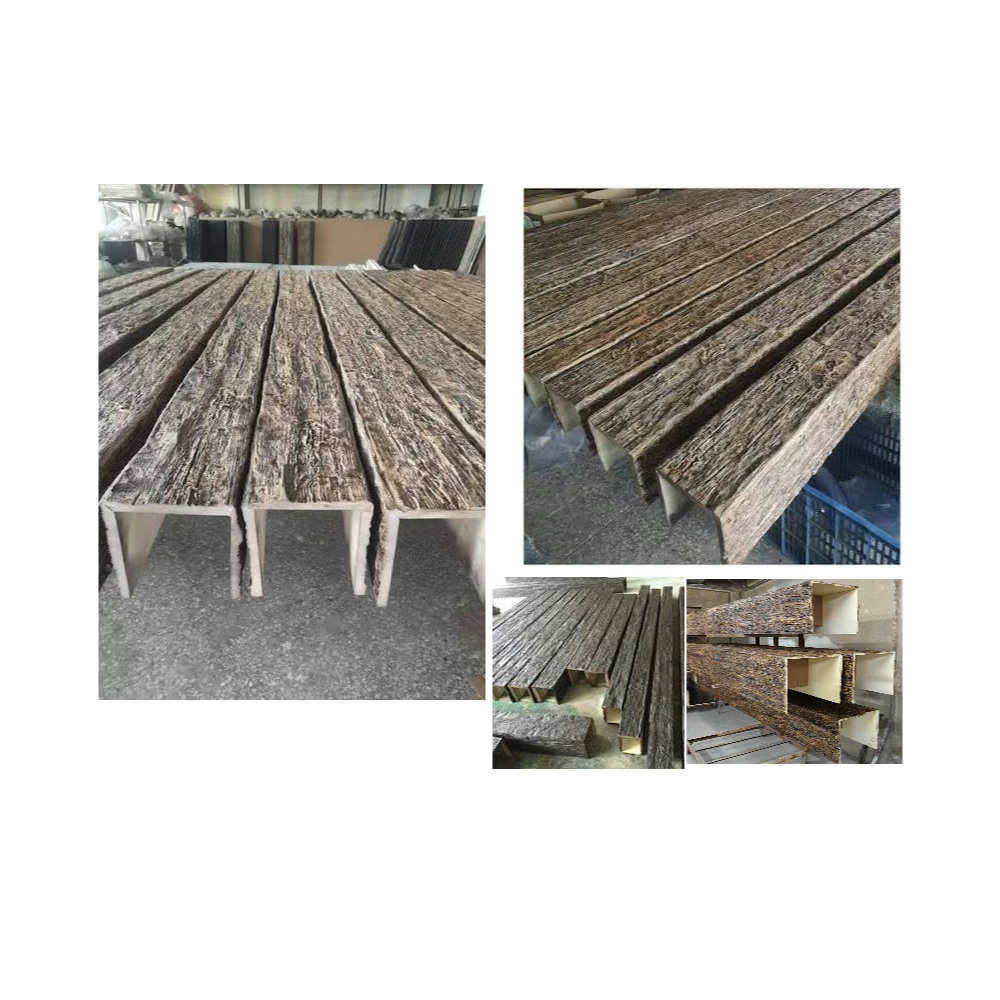
System Design Considerations
Comprehensive molding systems require design attention to:
Proportion relationships between molding scale and room dimensions. Oversized molding in modest rooms creates theatrical effect; undersized molding in grand spaces appears insufficient.
Visual weight balance between molding and beam elements. Heavy beams may require correspondingly substantial molding; lighter beams can accept more delicate trim.
Cohesive detail level throughout the system. Ornate crown molding paired with minimalist beam profiles creates visual conflict; consistent detail intensity throughout the system creates harmonious results.
The best molding systems disappear into the overall design—present to complete transitions and provide finishing without demanding attention for their own sake.
Technical References
ASTM standards cited in every specification
Test Data
Lab results from internal testing program
Updated 2026
Reviewed against current product specs