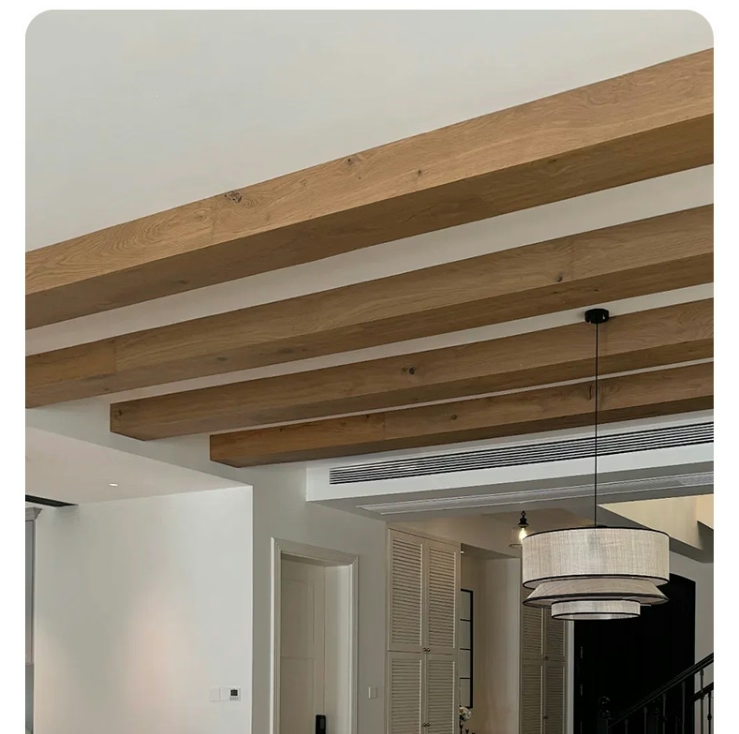
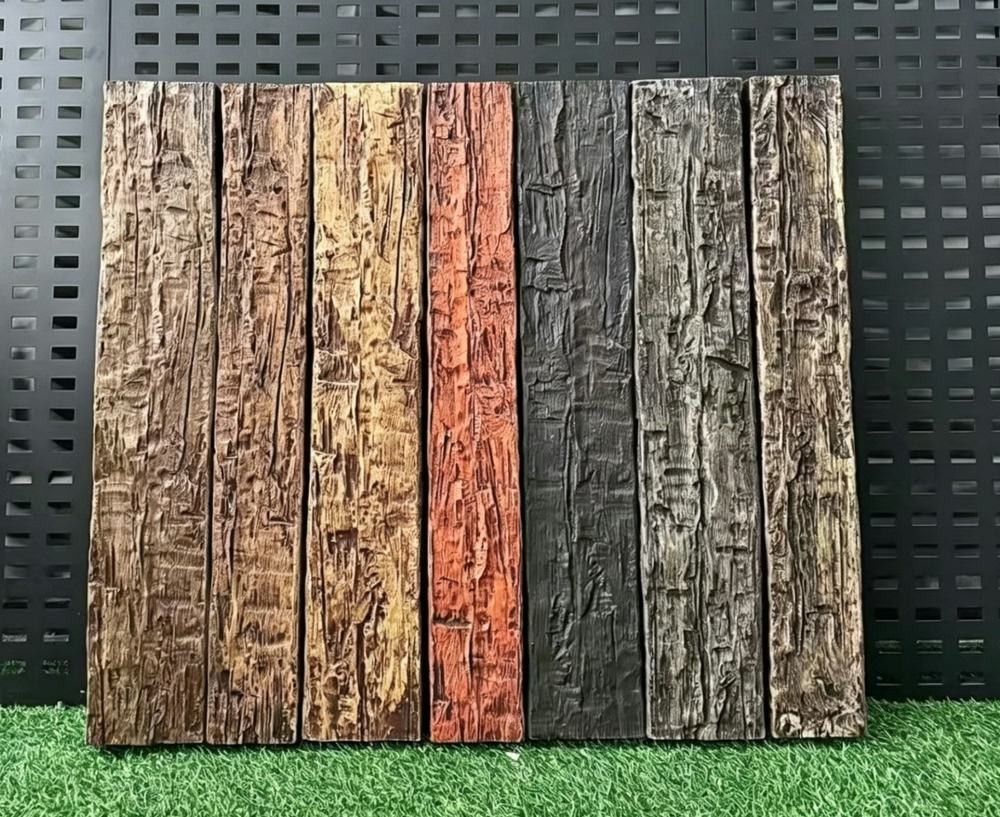
Architectural Faux Beams for Contemporary Museum Interior Design
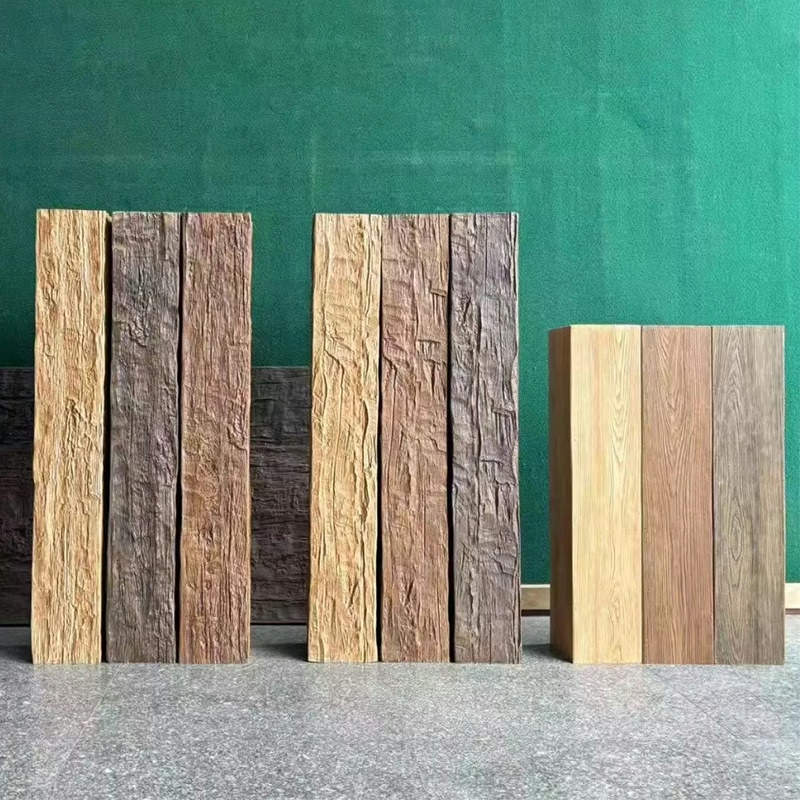
Museum interiors present unique design challenges: spaces must frame artwork without competing with it, support diverse programming requirements, and create environments conducive to extended visitor engagement. Architectural faux beams for contemporary museum interiors address these specific requirements while maintaining the design flexibility that contemporary museum architecture demands.
Museum Environment Requirements
Museum interiors must satisfy constraints that other applications rarely face:
Artwork protection that environmental conditions must support. Relative humidity, temperature stability, and UV control all affect artwork preservation. Beam materials must not off-gas contaminants that sensitive artworks might absorb.
Lighting integration that enables proper artwork illumination without beam interference. Beams should accommodate lighting systems without casting shadows that complicate curatorial lighting design.
Acoustic management that supports both quiet contemplation spaces and active programming areas. Beam installations should contribute to rather than detract from acoustic performance goals.
Flexibility for changing exhibitions that museum programming requires. Beam configurations should accommodate varied spatial arrangements without permanent commitment to specific layouts.
Contemporary Museum Design Vocabulary
Modern museum architecture employs specific design approaches that beams must support:
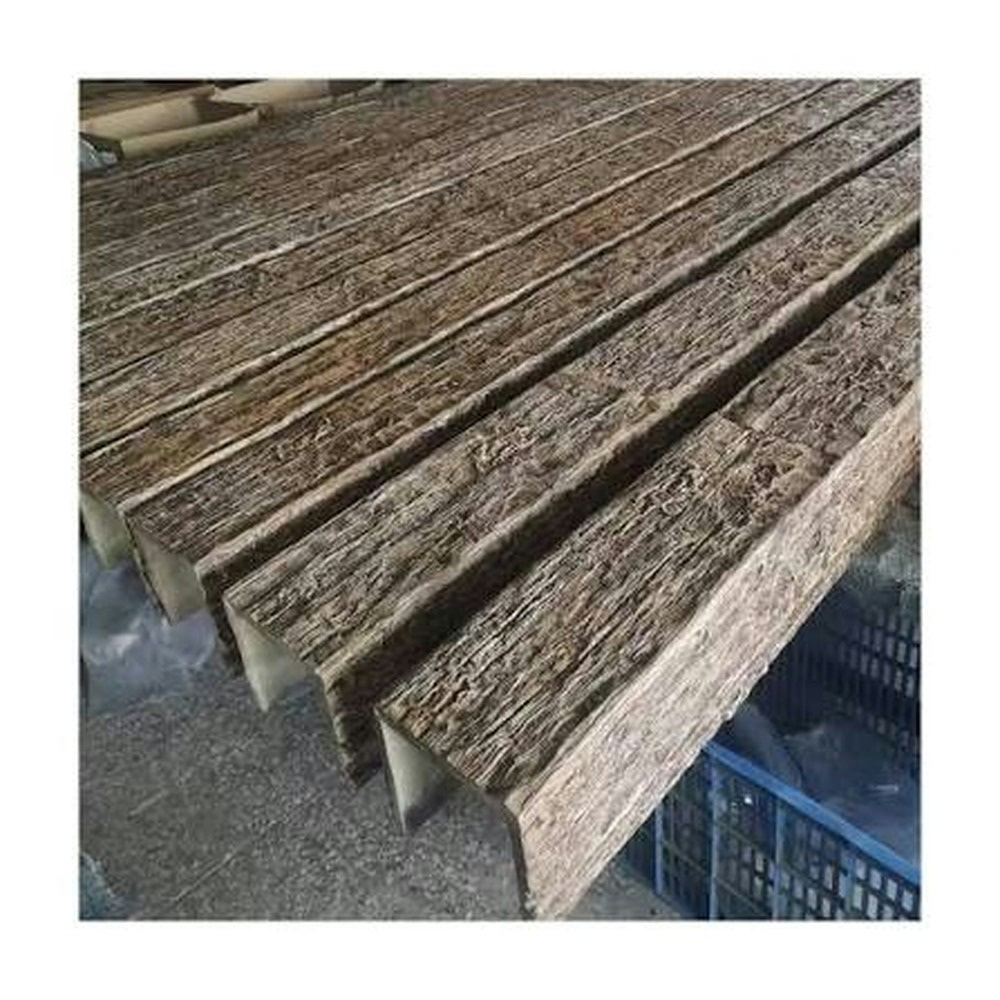
Gallery aesthetic that prioritizes artwork display through neutral, refined environments. Beams in this context should provide subtle architectural interest without competing for attention with exhibited works. The restraint that gallery aesthetics demand suggests refined profiles with understated texture.
Material honesty that contemporary architecture often emphasizes. Beams that appear authentic in material character support rather than contradict this architectural approach. Materials that claim to be wood should look convincingly like wood.
Spatial flow that guides visitors through exhibition sequences without creating barriers. Beams can define spatial zones while maintaining the openness that contemporary museum design typically pursues.
Technical Museum Requirements
Museum environments impose technical requirements beyond aesthetic considerations:
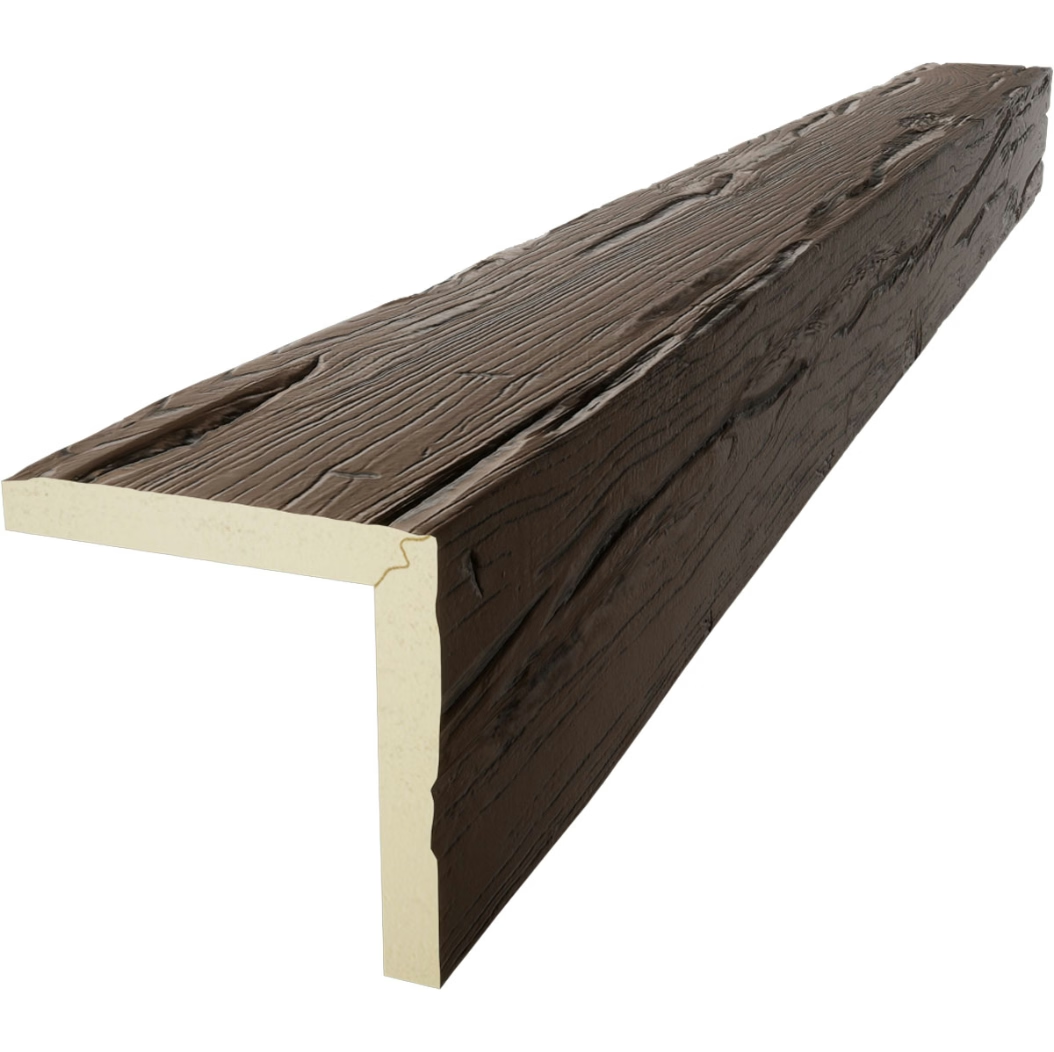
Fire performance that satisfies stringent museum fire codes. Museums often exceed minimum requirements given the irreplaceable collections they protect. Fire-rated beam formulations address these enhanced requirements.
Off-gassing specifications that ensure materials don't release contaminants into museum air. Low-VOC formulations that have been tested for indoor air quality provide the assurance that responsible museums require.
Cleaning and maintenance that museum housekeeping demands. Beams should accept cleaning without damage, supporting the sanitation protocols that museum environments require.
Museum Beam Application Categories
Different museum spaces suggest different beam applications:
Great halls and lobbies where architectural presence establishes museum character. These prominent spaces can accommodate bolder beam treatment that creates memorable first impressions.
Educational spaces and program rooms where beams contribute to environments conducive to learning. Warmer aesthetic contributions help these spaces feel welcoming rather than institutional.
Circulation spaces—corridors, lobbies, transition areas—where beams provide wayfinding cues and spatial orientation. The continuity that beam installations provide helps visitors navigate complex museum plans.
Sustainability Considerations
Contemporary museums increasingly prioritize environmental responsibility:
Recycled content that some polyurethane formulations incorporate reduces virgin material demand. This content should be verified through certification rather than claimed without documentation.
Manufacturing processes that minimize waste and energy consumption reflect institutional environmental commitments. Manufacturer sustainability practices may influence institutional specification decisions.
End-of-life considerations that responsible specification addresses. While polyurethane products are not currently recyclable in most contexts, proper specification considers lifecycle implications that future technology may address.
Longevity that reduces replacement frequency and associated resource consumption. Products that maintain appearance and performance for decades consume fewer resources than products requiring frequent replacement.
Technical References
ASTM standards cited in every specification
Test Data
Lab results from internal testing program
Updated 2026
Reviewed against current product specs