Architectural Grade Polyurethane Molding Beams for Building Interior Detailing
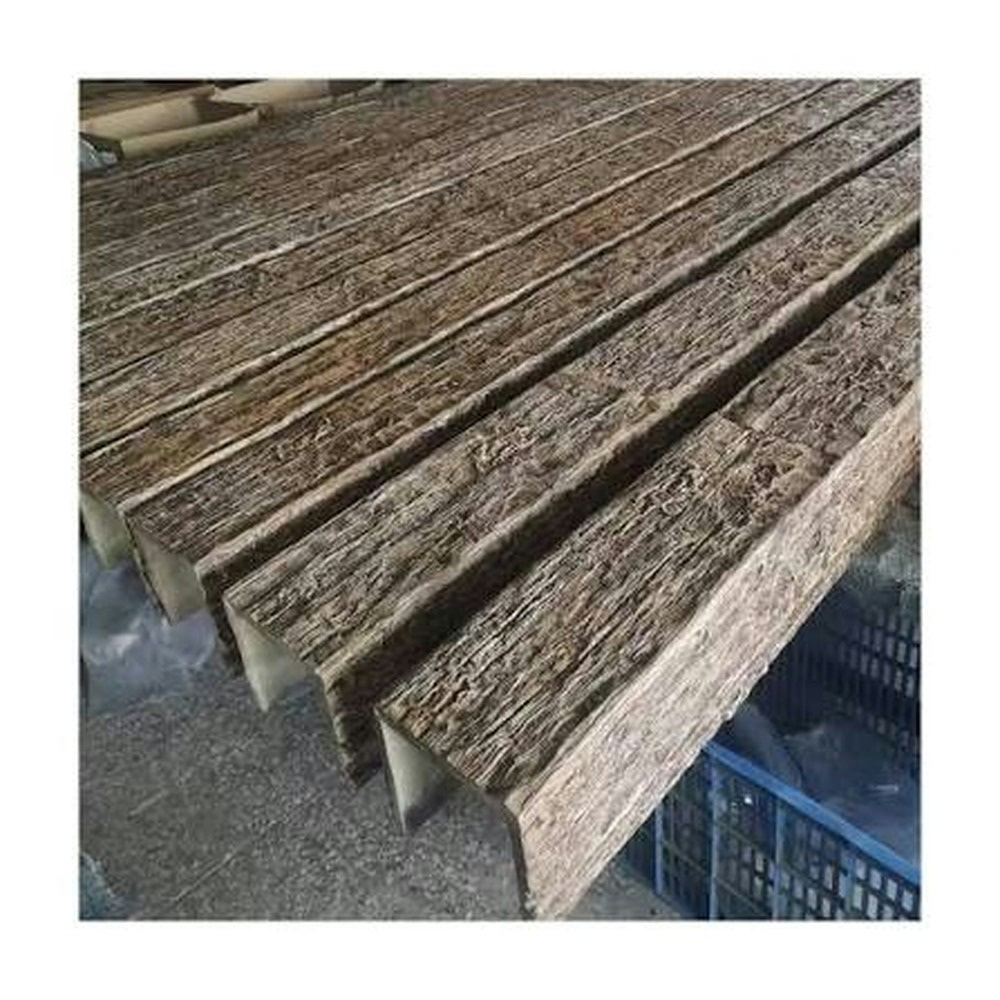
Sophisticated interior detailing separates ordinary construction from memorable architecture. Architectural grade polyurethane molding beams deliver the refined profiles and durable finishes that specification professionals require for high-end residential and commercial projects.
Understanding Architectural Grade Materials
The designation "architectural grade" signifies materials manufactured to exacting standards suitable for prominent installation locations. Polyurethane molding beams produced to this specification exhibit consistent density, minimal surface imperfections, and color stability that withstands years of exposure to ambient light and normal wear conditions.
Distributors and specification writers recognize architectural grade products by their technical documentation, including fire ratings, impact resistance ratings, and manufacturer warranties. These materials undergo quality control testing that validates performance across temperature ranges, humidity levels, and UV exposure scenarios typical of interior applications.
Profile Selection for Interior Applications
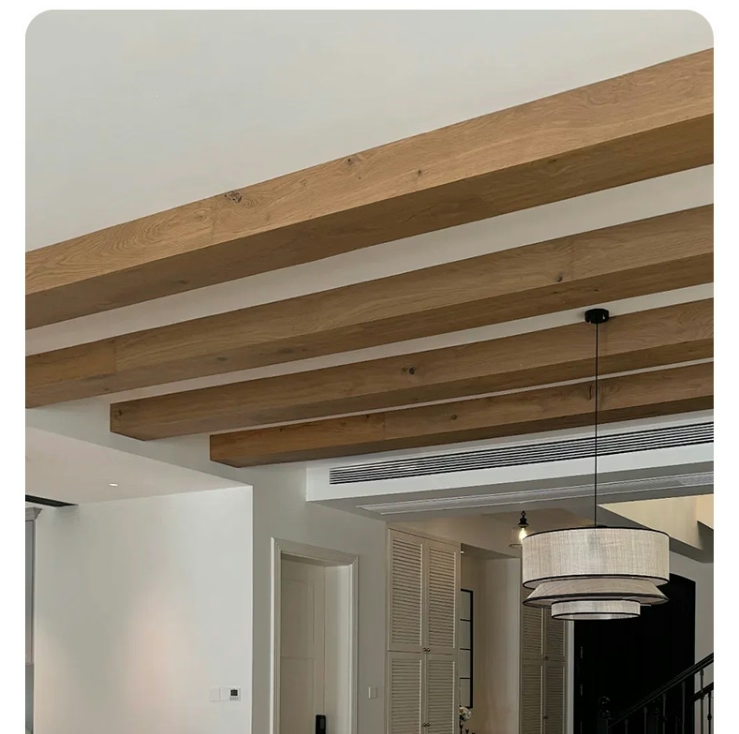
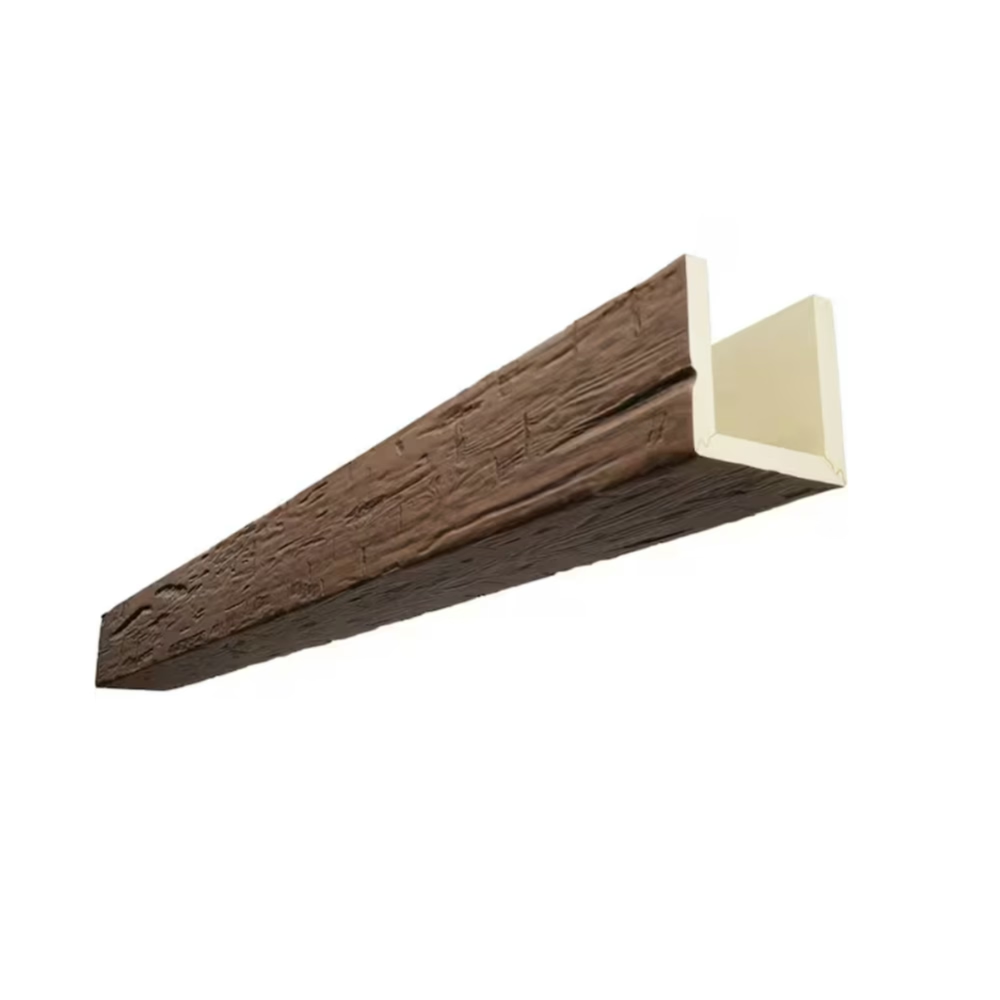
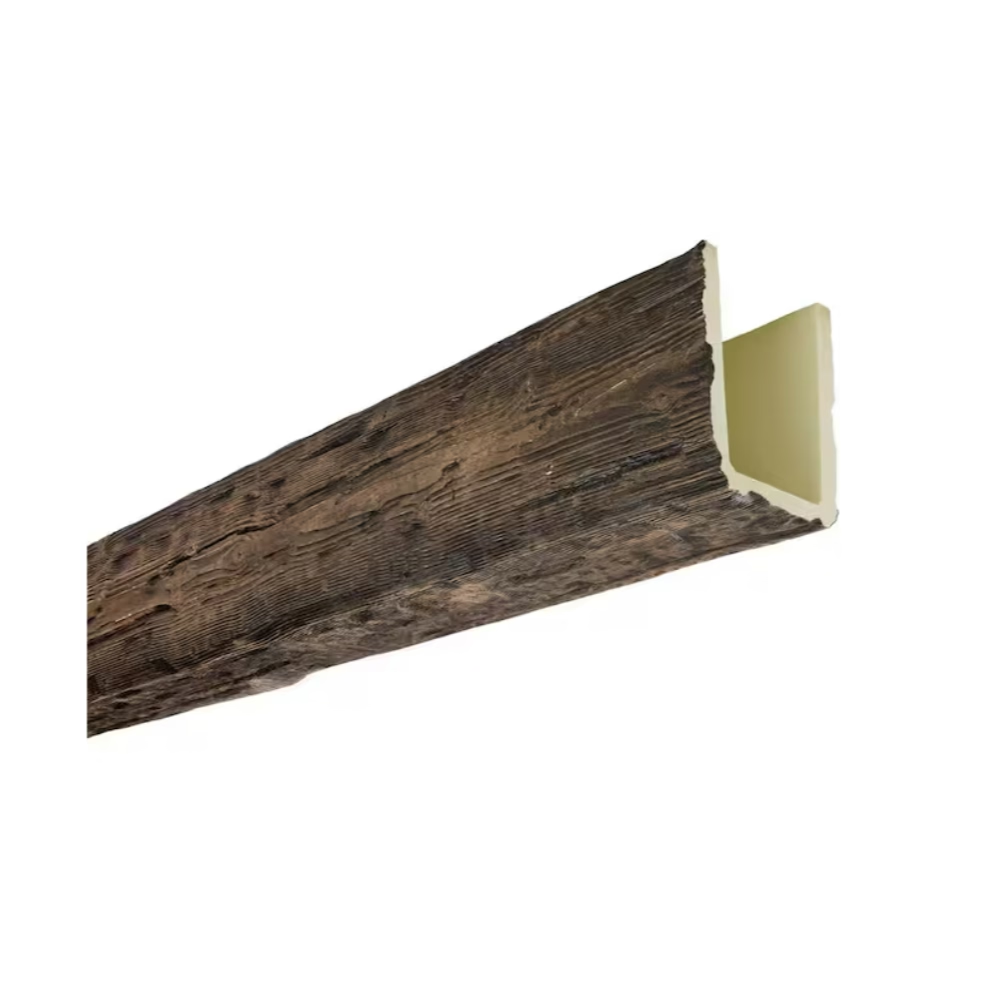
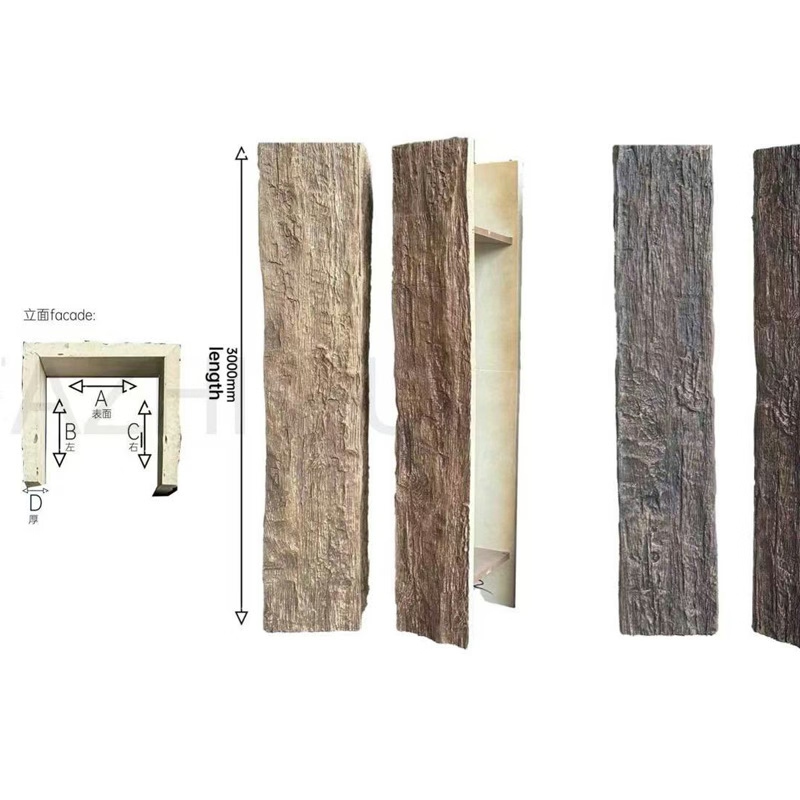
Polyurethane molding beams are available in dozens of standard profiles, from simple craftsman-style boards to elaborate coffered ceiling systems. Selection criteria should consider ceiling height, room proportions, and the architectural style of the structure. Oversized beams in modest rooms create visual clutter, while undersized profiles disappear against expansive ceilings.
Interior designers frequently layer multiple beam sizes to create visual hierarchy. Primary structural-appearing beams carry the design theme across major ceiling spans, while smaller secondary beams add detail and reinforce the rustic aesthetic. This layering technique works particularly well in great rooms, dining halls, and executive suites where dramatic presentation matters.
Installation Efficiency and Durability
Polyurethane molding beams install with basic carpentry tools and standard finishing hardware. Unlike genuine timber that requires two-person handling and specialized mounting, polyurethane beams' lightweight composition allows single installers to position and secure pieces efficiently. Adhesive supplemented with mechanical fasteners provides secure attachment to ceiling joists, soffits, or furring strips.
The material's resistance to splitting and cracking during fastening represents a significant practical advantage. Carpenters appreciate how cleanly polyurethane accepts screws without pre-drilling in most applications, accelerating installation timelines on large projects.
Finishing Options and Color Matching
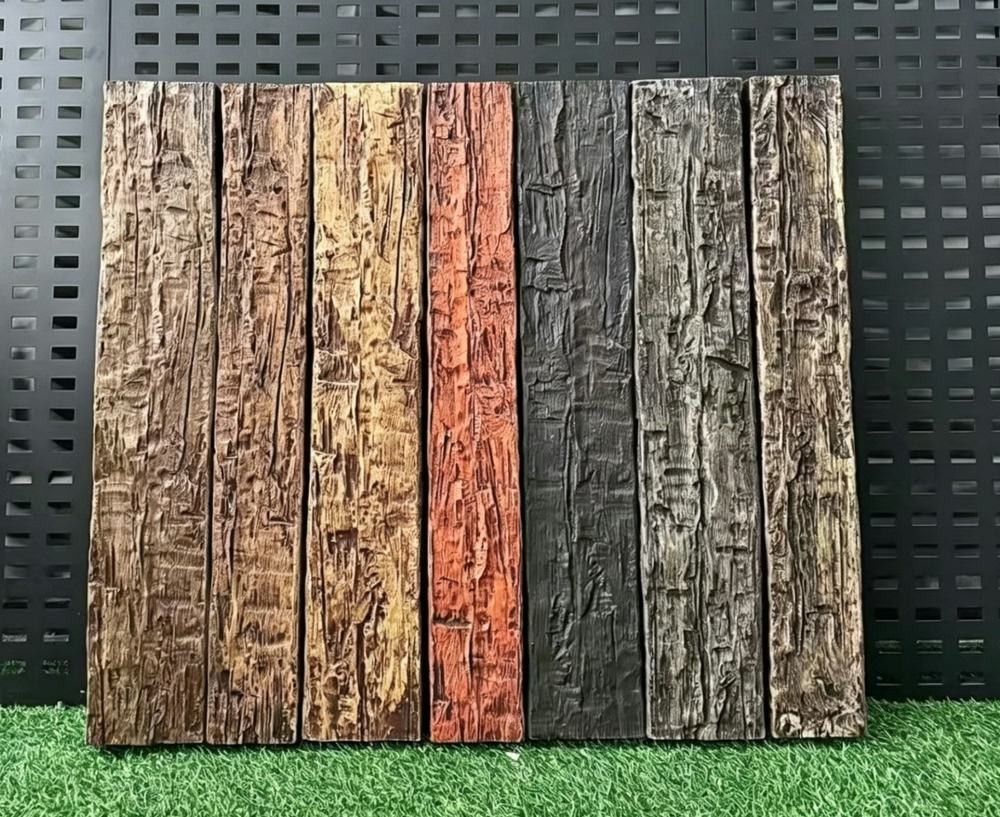
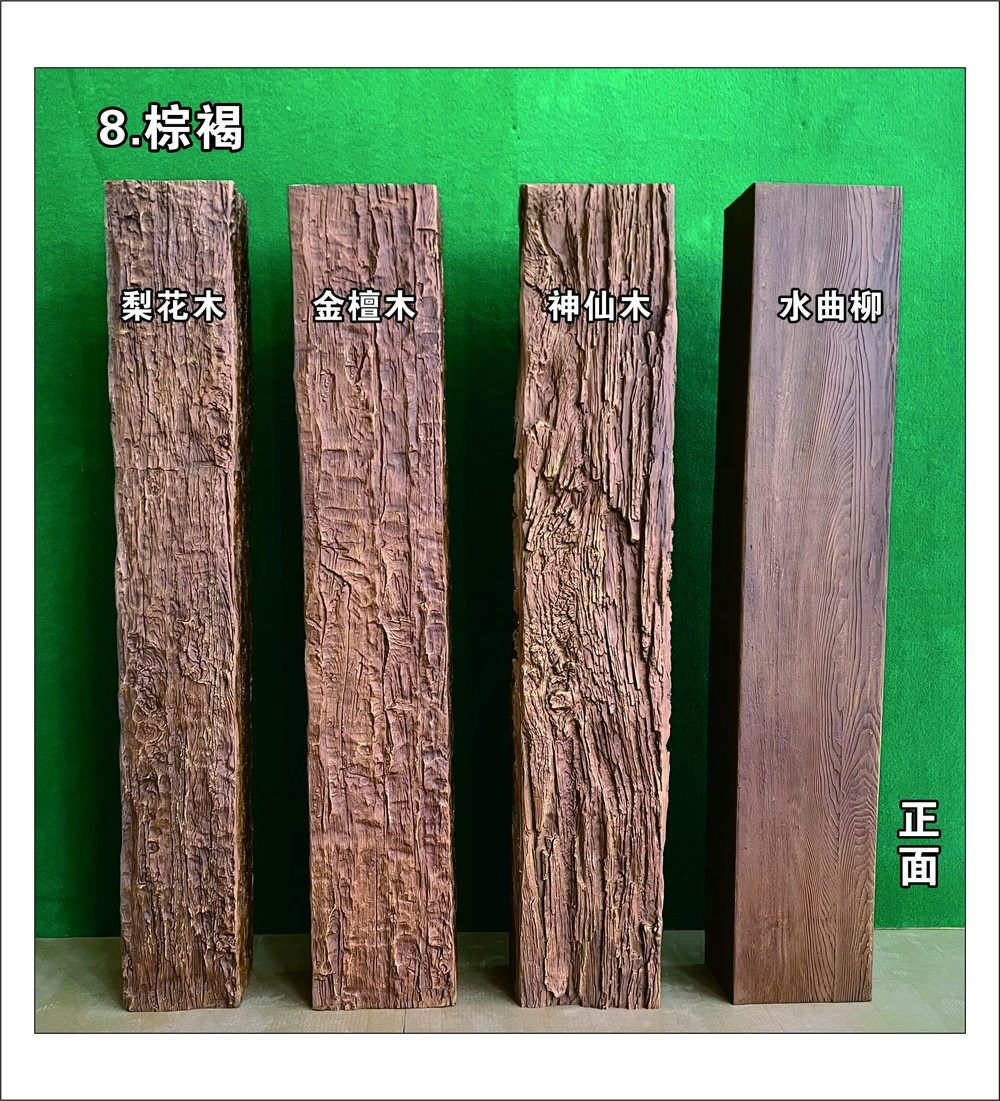
Factory-applied finishes provide immediate aesthetic impact upon installation. However, architectural grade polyurethane beams also accept site-applied paints, stains, and clear coats for projects requiring custom color matching or weathered patina effects. Preparation involves light sanding and thorough cleaning before applying products designed for polyurethane substrates.
Projects specifying specific wood species appearances benefit from manufacturers offering color-matched finishing systems. These coordinated products ensure consistent results across beams, trim pieces, and architectural millwork throughout the interior.
Professional interior designers specify architectural grade polyurethane molding beams for hotel renovations, restaurant buildouts, and residential construction projects where quality materials and efficient installation matter equally.
Long-Term Performance Verification
Building owners investing in interior architectural detailing expect materials to maintain their appearance over years of service. Architectural grade polyurethane beams resist moisture damage, insect infestation, and the surface checking that affects genuine timber exposed to heating systems and climate control. These performance advantages translate to reduced maintenance costs and preserved aesthetic quality throughout the building's useful life.
Technical References
ASTM standards cited in every specification
Test Data
Lab results from internal testing program
Updated 2026
Reviewed against current product specs