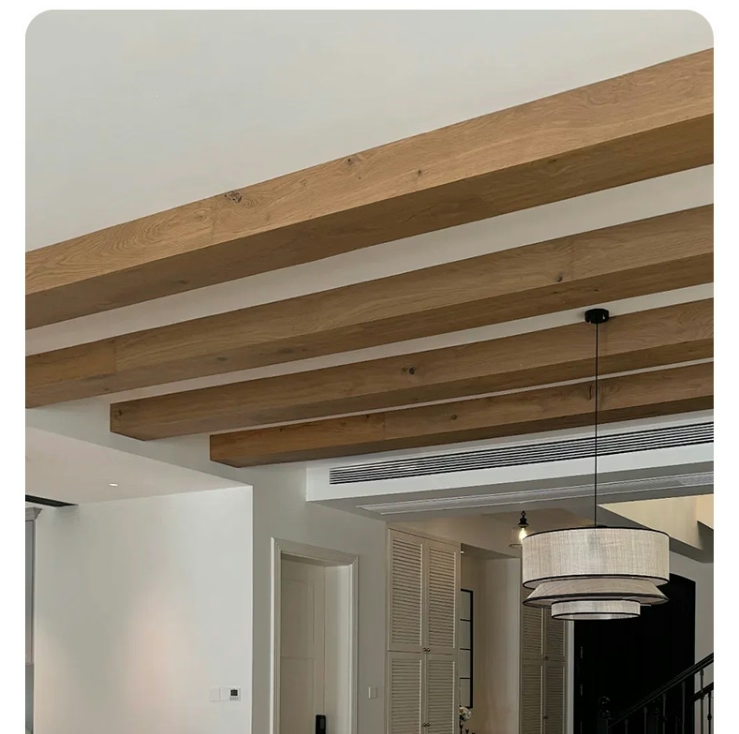
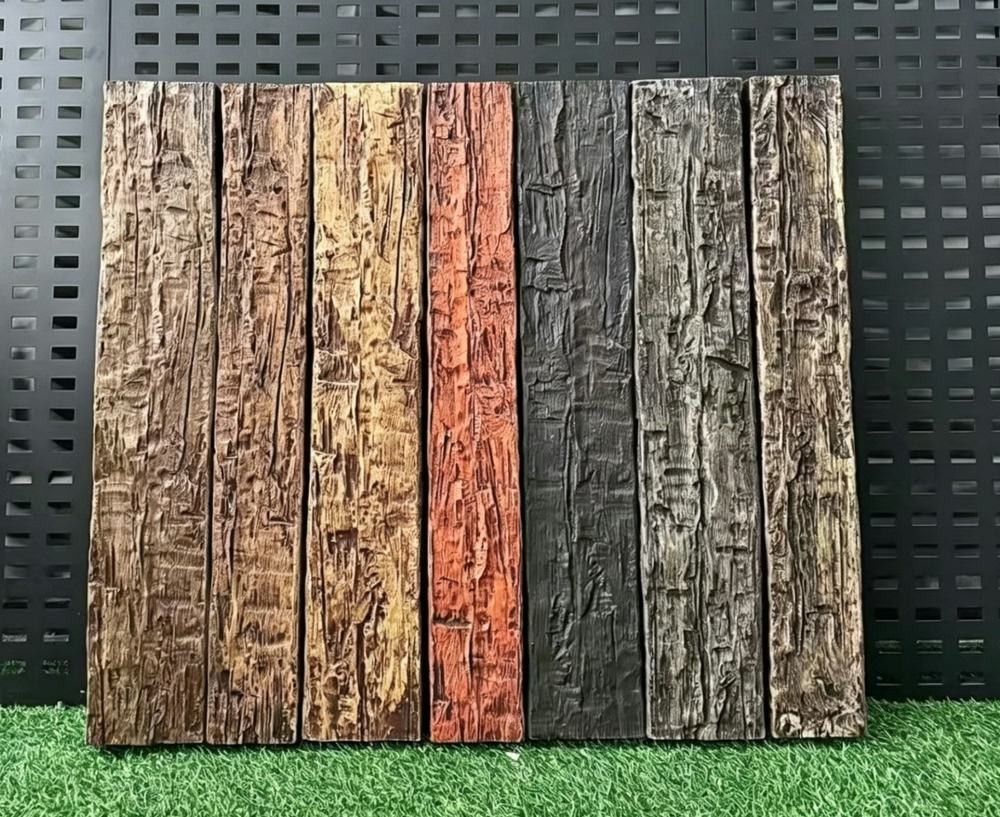
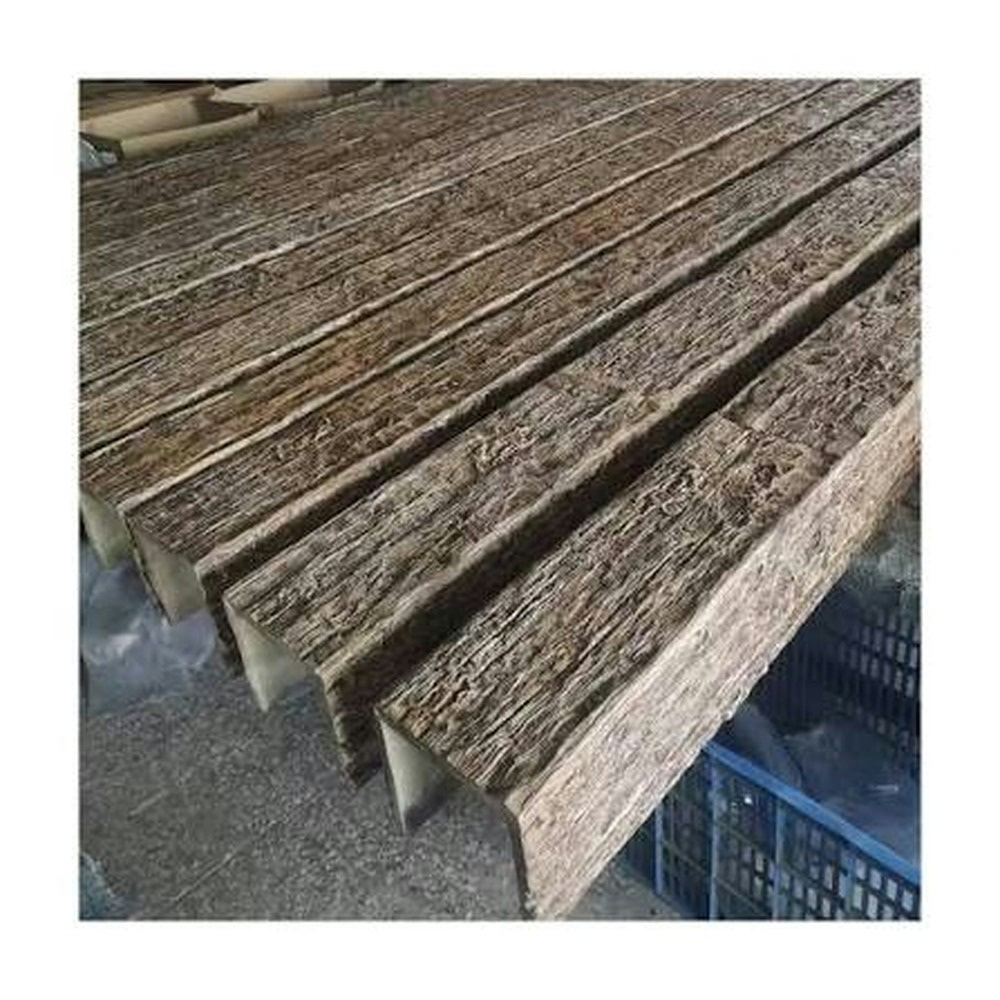
Are Faux Timber Beams Termite-Proof? Material Performance Guide
Property owners researching faux timber beams frequently ask about termite resistance. This concern reflects valid experience with genuine timber construction where insect damage causes serious structural problems. Understanding how polyurethane faux beams perform against termites helps inform purchasing decisions.
Why Termites Target Wood Structures
Termites consume cellulose, the organic compound that forms wood's structural backbone. Worker termites digest cellulose using protozoa and bacteria in their digestive systems, converting wood material into nutrition for the colony. This feeding behavior can destroy structural timber components before infestations become visible.
Subterranean termites, the most destructive species, travel through soil to access wood structures. They enter through foundation cracks, plumbing penetrations, and any wood-to-soil contact points. Drywood termites infest wood directly without soil contact, making them harder to predict and control.
Polyurethane Composition and Termite Biology
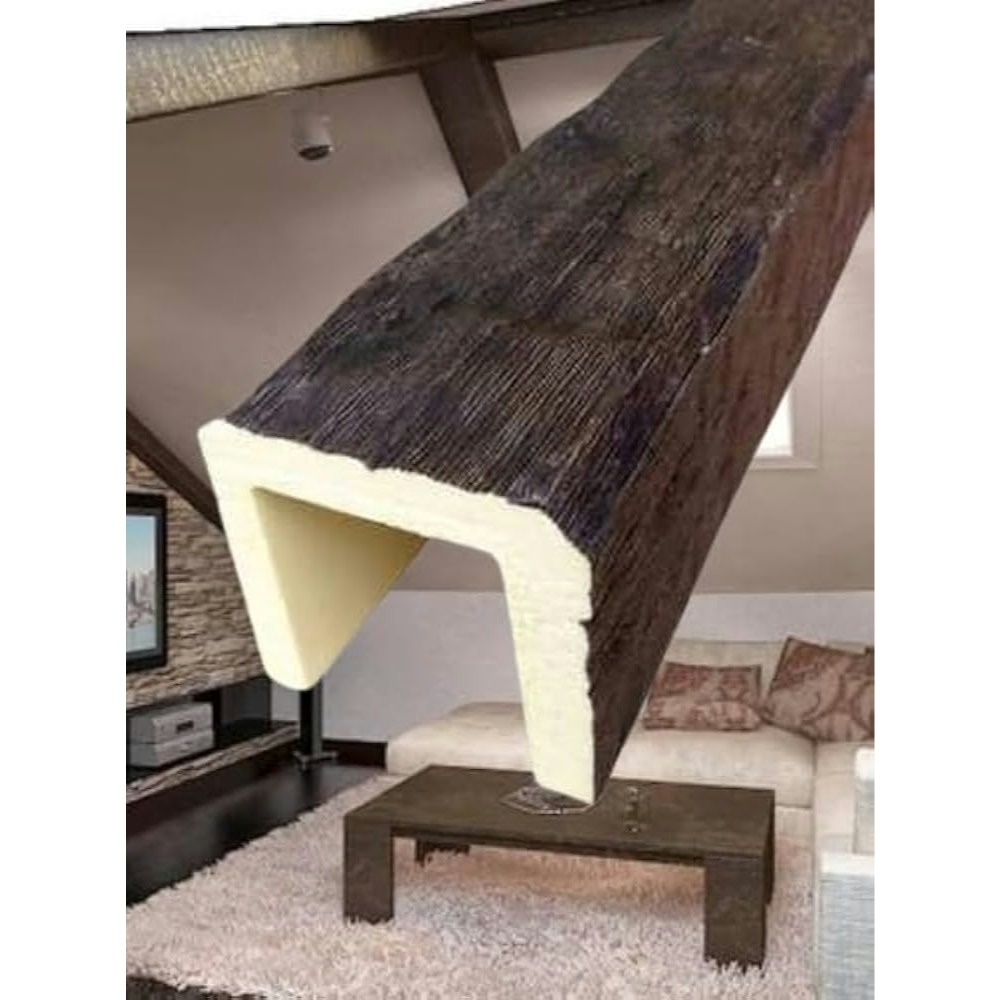
Polyurethane is a synthetic polymer derived from petroleum-based chemicals. The molecular structure contains no cellulose, no natural wood sugars, and no nutritional value for termites or other wood-destroying insects. From a termite's perspective, polyurethane provides nothing worth consuming.
This fundamental difference between natural wood and polyurethane means faux timber beams simply do not register as food sources. Termites encountering polyurethane surfaces typically excavate around the material rather than attempting to penetrate it. This behavior protects beam edges and surfaces from the chewing damage that affects wood trim and structural members.
Comparative Performance Data
Controlled studies comparing material susceptibility confirm polyurethane's superior termite resistance. Wood samples show measurable material loss after termite exposure periods, while polyurethane samples remain unchanged. Weight loss measurements on wood often exceed five percent after standard exposure durations, while polyurethane samples show zero weight change.
Field performance observations align with laboratory results. Buildings with polyurethane millwork and trim report no termite damage incidents attributable to these products, even in geographic regions with high termite pressure and documented infestations in adjacent wood structures.
Preventing Misleading Damage Claims
Property owners sometimes express concern about termites tunneling under or around polyurethane beams to reach wood structural elements. While this behavior is theoretically possible, practical observations suggest termites rarely target hidden wood surfaces behind or above polyurethane materials.
Effective termite management focuses on structural wood elements, soil treatment, and moisture control rather than cosmetic millwork. Buildings with comprehensive termite protection programs experience minimal incidents regardless of what materials appear in visible areas.
Long-Term Maintenance Advantages
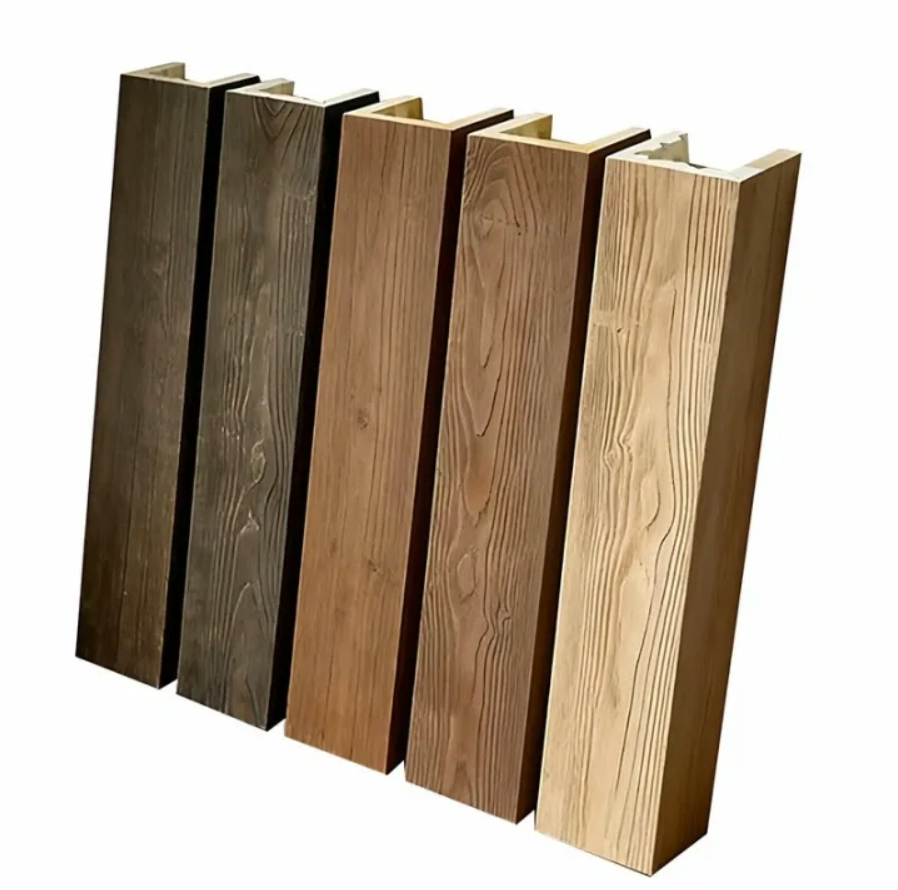
The termite immunity of polyurethane faux beams contributes to their long-term value proposition. Unlike wood beams that require regular inspection, chemical treatment, and eventual replacement when damaged, polyurethane maintains structural integrity and appearance indefinitely without specialized maintenance.
This durability translates to lower total ownership costs over building lifespans. Insurance data on termite damage claims, replacement costs, and treatment expenses support the economic advantage of specifying non-cellulose materials in termite-prone regions.
Complementary Pest Management Strategies
Prudent building owners implement comprehensive pest management regardless of material selection. Termite inspections, moisture management, wood-to-soil separation, and professional treatment programs protect structural elements that polyurethane cannot address.
Faux timber beams contribute to overall building pest resistance by reducing the cellulose material available for infestation. When combined with proper construction practices and regular monitoring, polyurethane beams help create buildings that termites find unattractive and inhospitable.
Geographic Considerations
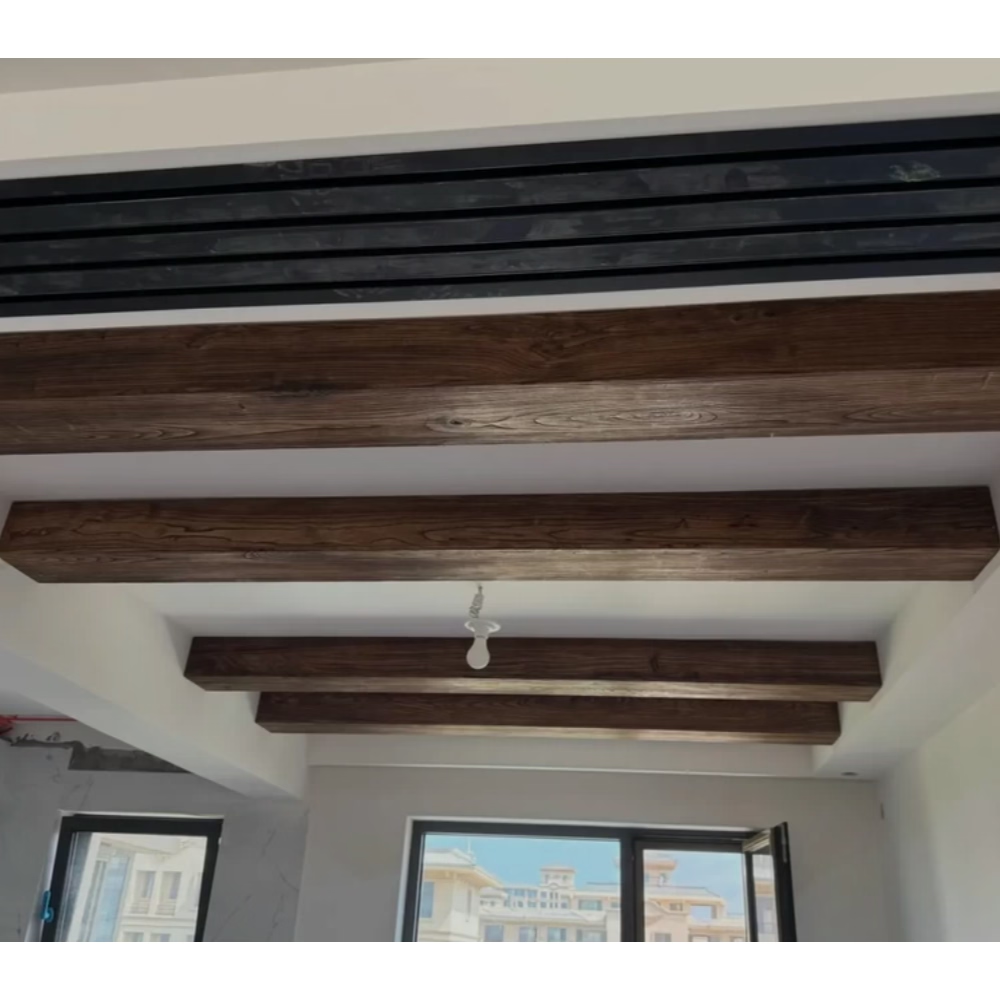
Regions with the highest termite pressure include the southeastern United States, Gulf Coast states, Hawaii, Australia, Southeast Asia, and parts of South America. Property owners in these areas particularly benefit from termite-resistant materials in both structural and cosmetic applications.
Construction codes in high-risk areas increasingly reference non-wood alternatives for exterior applications. Interior decorative elements like faux timber beams complement these code trends by extending termite resistance throughout the building envelope.
Professional pest management companies understand regional termite species and behavior patterns. Consultation with local experts helps property owners understand specific risks and appropriate mitigation strategies for their geographic location.
Technical References
ASTM standards cited in every specification
Test Data
Lab results from internal testing program
Updated 2026
Reviewed against current product specs