Are High-Quality PU Faux Wood Beams Worth the Renovation Investment?
Homeowners evaluating ceiling renovation options need clear information about whether premium faux wood beams justify their cost. The answer depends on project goals, budget parameters, and long-term ownership expectations.
Initial Cost Comparison
Premium polyurethane faux wood beams typically cost more than budget alternatives and significantly more than raw materials for DIY wood beam construction. This price differential reflects manufacturing precision, quality control, finishing labor, and distribution overhead that premium producers incur.
However, comparing beam costs alone misses the full project economics. Wood beams require skilled carpentry for proper installation, finishing, and edge treatment. These labor costs often exceed material expenses, particularly in metropolitan areas where skilled tradespeople command premium hourly rates.
Faux beams arrive ready to install with factory-applied finishes that eliminate on-site finishing labor entirely. The total installed cost frequently favors premium faux products once all direct and indirect expenses are included.
Aesthetic Quality Differences
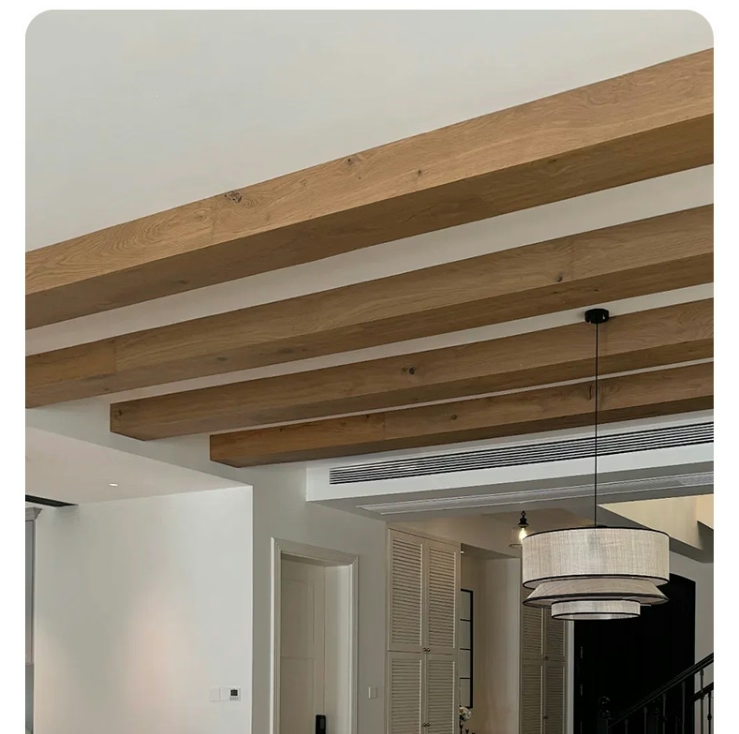
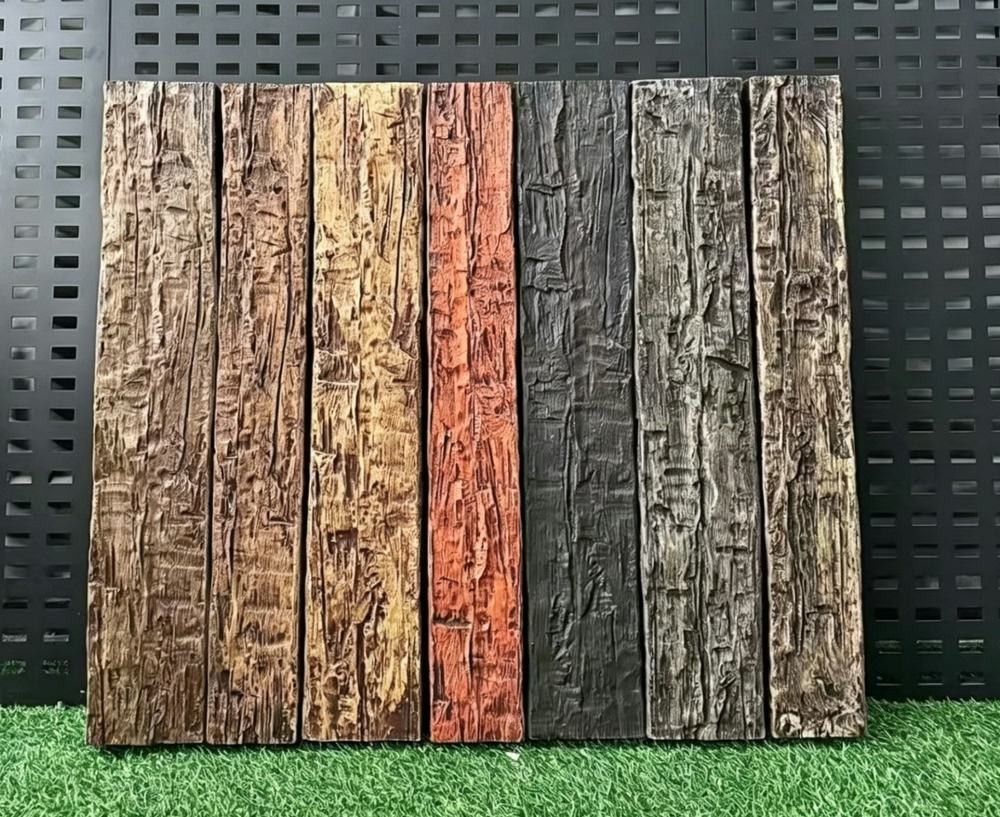
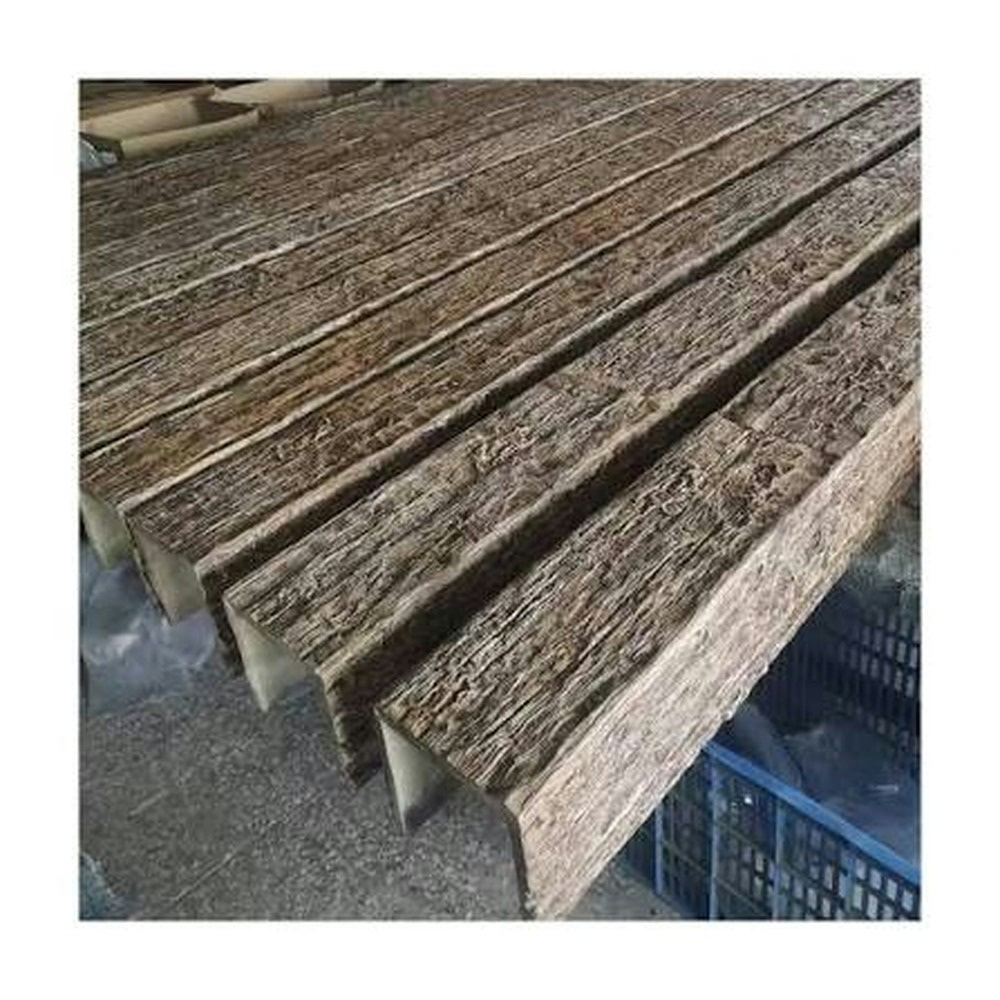
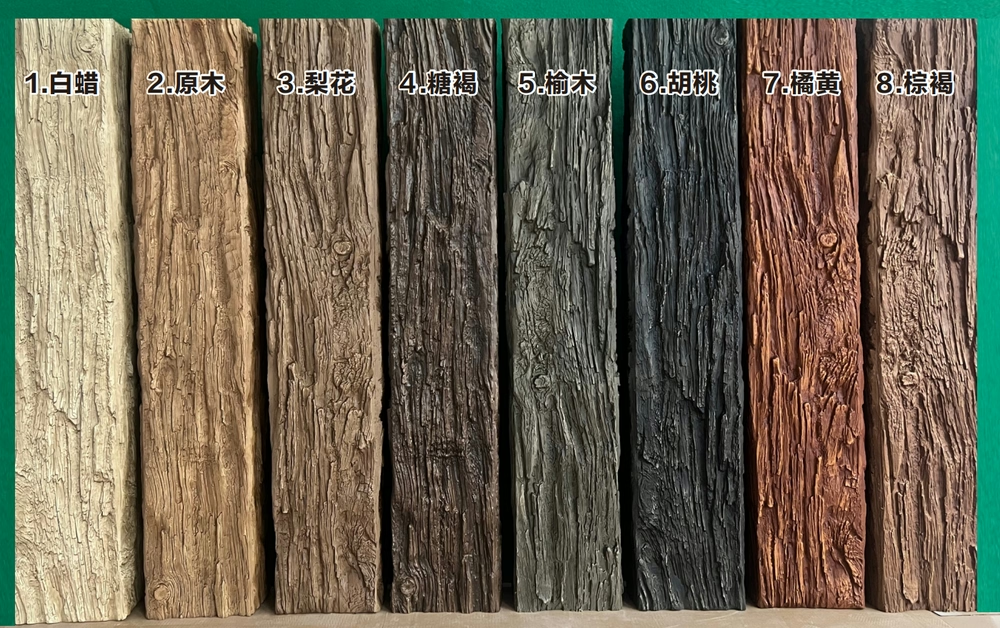
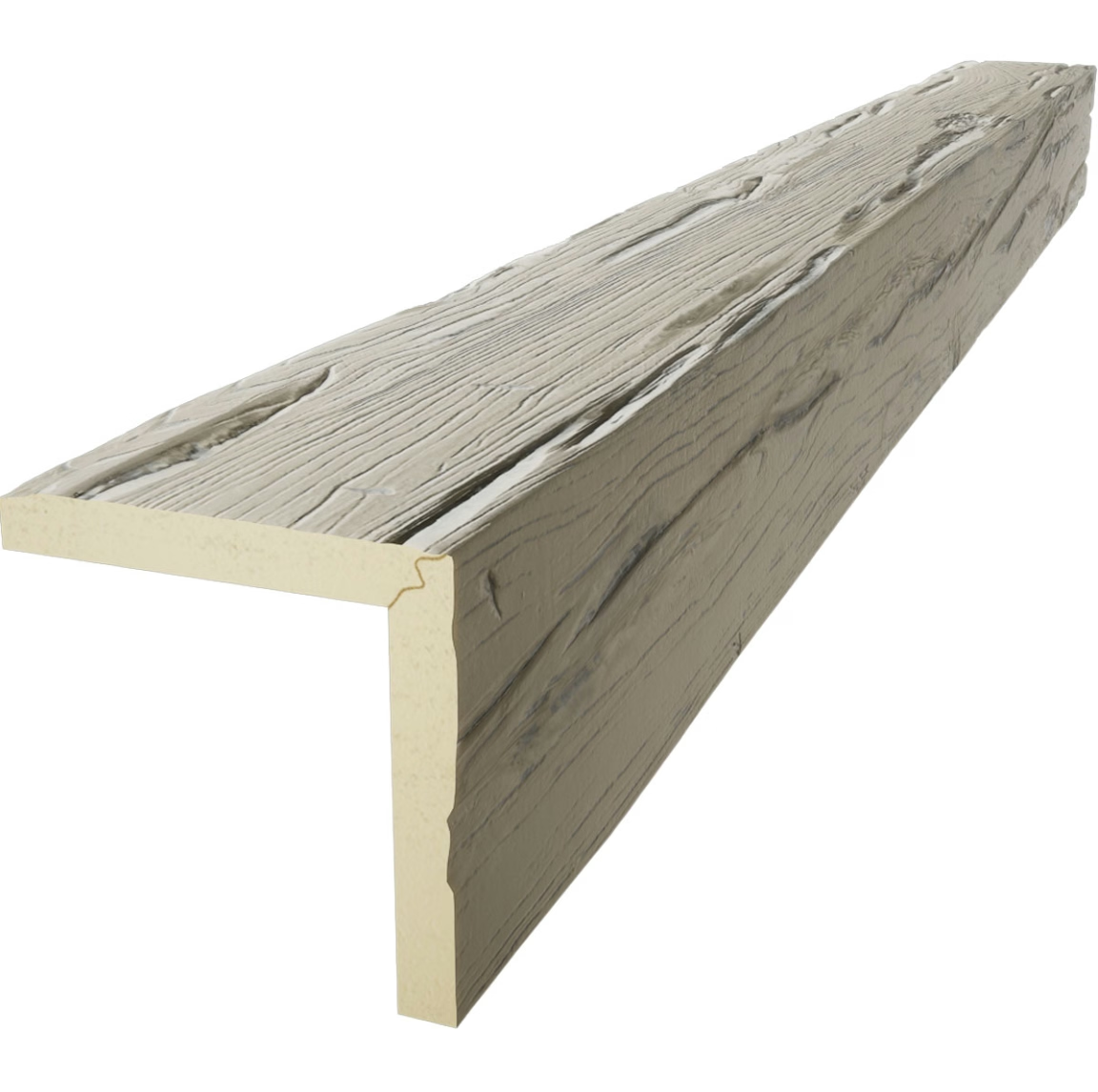
Photography cannot fully convey the visual difference between premium and economy faux beams. Close inspection reveals quality variations in texture reproduction, color consistency, and edge definition that affect perceived authenticity. Premium products reproduce wood character convincingly; economy products often look obviously artificial even from normal viewing distances.
Design professionals and experienced observers notice these differences immediately. For homeowner projects where appearance matters deeply, the aesthetic investment in premium products pays dividends in compliments and satisfaction.
Durability and Replacement Considerations
Quality polyurethane beams carry warranties extending five years or more, reflecting manufacturer confidence in long-term performance. Budget products often lack warranty coverage or provide only minimal protection against manufacturing defects.
The practical implication is replacement likelihood. Economy beams showing surface degradation, color fading, or physical damage within a few years of installation create renovation cycle costs that premium products avoid. When replacement labor and material costs are amortized over service life, premium products often prove more economical.
Property Value Impact
Real estate professionals report that architectural details including ceiling beams influence buyer perception and property valuation. Homes featuring quality architectural millwork command premium prices in most markets, though quantifying this premium precisely is challenging.
Visible quality improvements like ceiling beams affect how quickly properties sell as well as final sale prices. Budget installations that look obviously fake may fail to achieve this benefit or could potentially detract from property appeal.
Time Value Considerations
Renovation projects disrupt household routines and create temporary living challenges. Premium faux beams reduce project duration by eliminating finishing work, minimizing adjustment needs, and avoiding repair callbacks. For families managing renovations while maintaining normal schedules, time savings translate directly to quality of life improvements.
The simplicity of faux beam installation also reduces coordination complexity with other trades. Projects requiring electricians, painters, or HVAC technicians benefit from the predictable timelines that prefabricated beams provide.
Decision Framework for Homeowners
Homeowners should evaluate faux beam investments based on their specific circumstances. Key factors include:
- Project budget constraints and financing availability
- Expected duration of ownership
- Importance of authentic appearance to household priorities
- Market conditions and comparable property features
- Willingness to accept ongoing maintenance requirements
Properties intended as long-term homes benefit most from premium installations where one-time investment generates decades of enjoyment. Short-term holding properties may justify budget alternatives where minimal improvement costs support listing price increases.
Consultation with design professionals helps clarify these trade-offs for specific projects. Interior designers and architects experienced with ceiling treatments provide perspective that generic online advice cannot match.
Long-Term Satisfaction Research
Consumer satisfaction surveys for home renovation projects consistently show strong correlations between material quality and reported happiness with results. Projects where homeowners selected premium materials report higher satisfaction scores than those choosing budget alternatives, controlling for other factors.
This pattern reflects psychological dynamics beyond pure appearance. Investing in quality products creates commitment to design decisions and generates greater appreciation for finished results. Budget decisions create persistent doubts about whether additional investment would have improved outcomes.
Technical References
ASTM standards cited in every specification
Test Data
Lab results from internal testing program
Updated 2026
Reviewed against current product specs