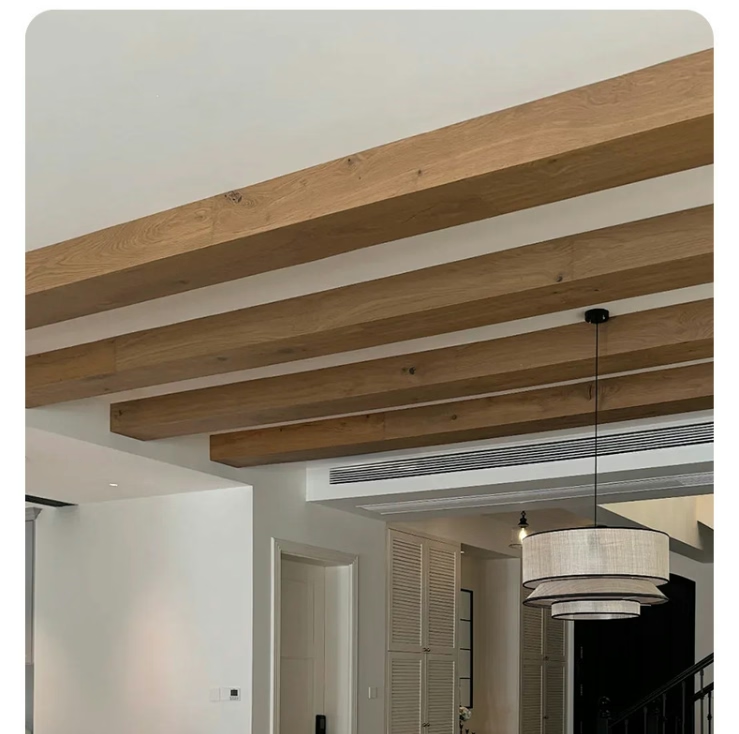
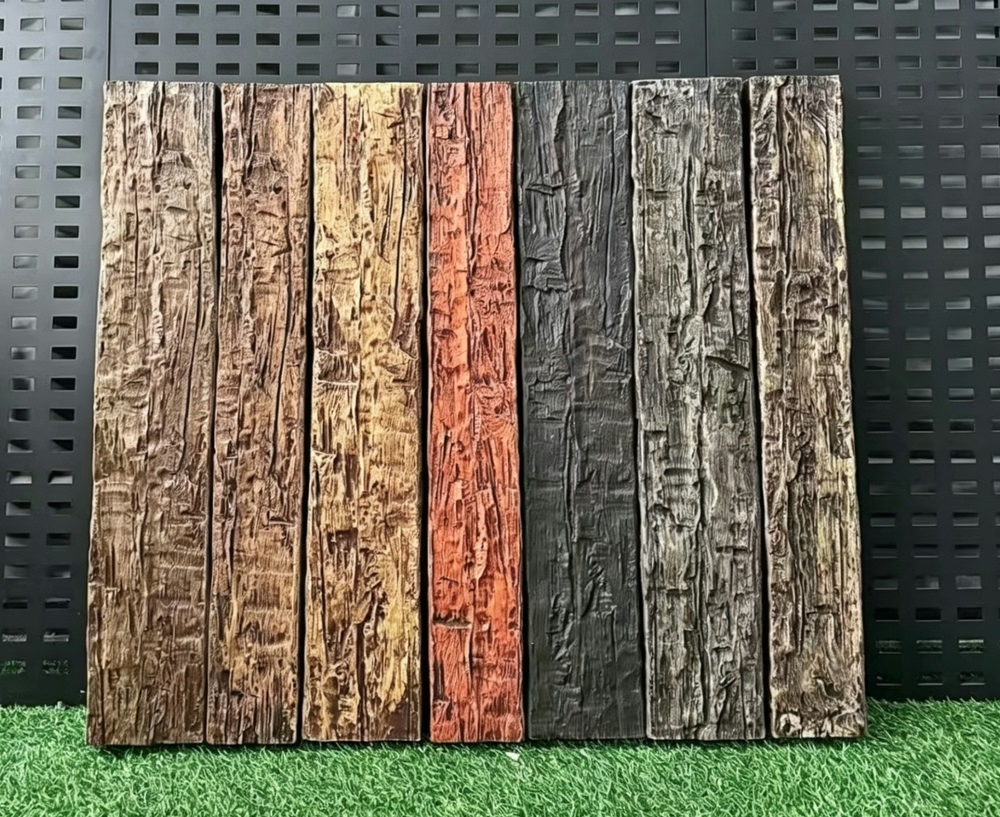
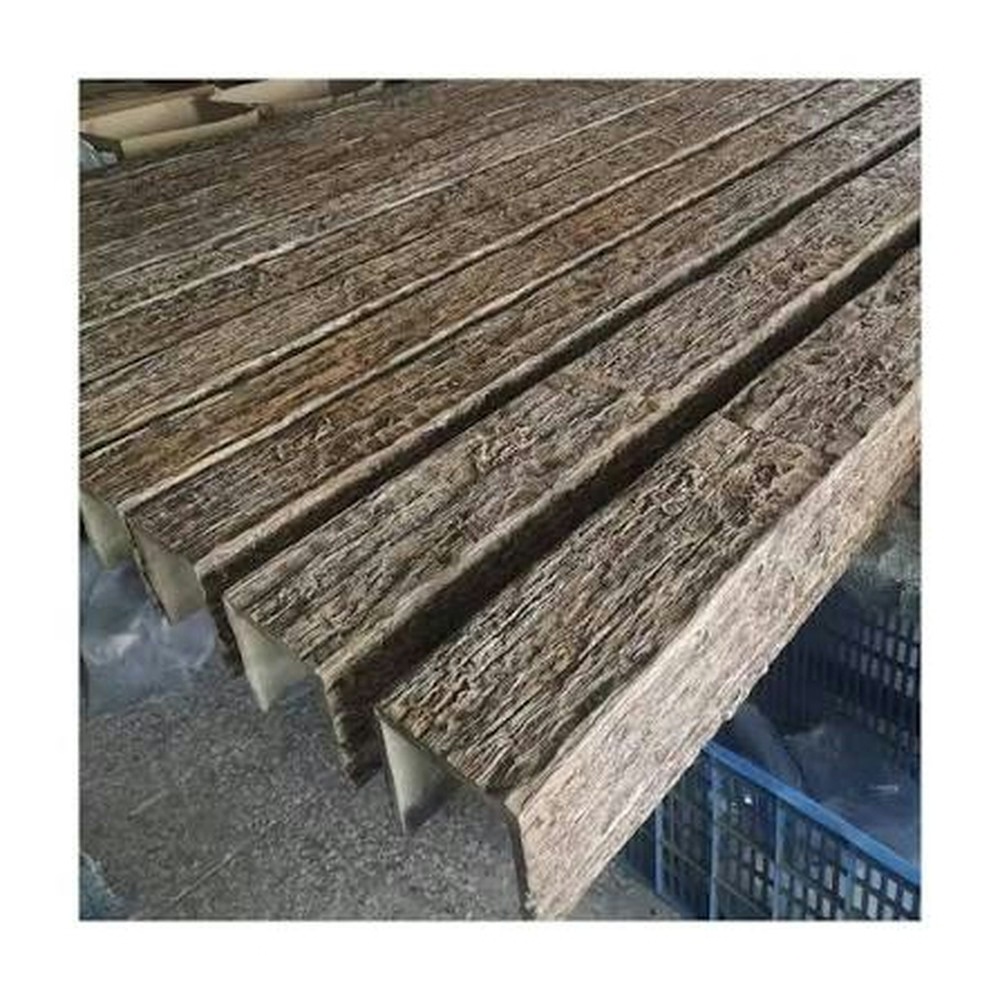
Are Lightweight PU Faux Wood Beams Heavy to Install?
One of the most common questions from homeowners and contractors considering faux wood beams concerns weight and installation difficulty. Understanding the actual weight characteristics helps set realistic expectations and plan appropriate installation approaches.
Actual Weight Comparisons
Premium polyurethane faux wood beams weigh significantly less than comparably sized timber products. A typical eight-foot polyurethane beam might weigh fifteen to twenty pounds, while the same dimensions in solid wood would weigh eighty to one hundred twenty pounds depending on species. This dramatic difference transforms installation logistics.
The lightweight nature means most residential beams can be handled safely by single individuals. Professional installers routinely position and secure eight and ten-foot beams without assistance, a feat impossible with genuine timber of equivalent dimensions. This efficiency accelerates installation timelines and reduces labor costs.
Structural Support Requirements
Despite their light weight, polyurethane beams still require appropriate mounting to ensure safety and performance. The material itself handles normal handling stresses without issue, but inadequate mounting creates fall hazards and potential property damage.
Standard installation involves attaching mounting blocks or rails to structural ceiling elements, then securing beams to these supports. The total load on structural elements remains modest compared to genuine timber, but code-compliant fastening remains essential.
Ceiling joist or rafter locations must be identified before installation planning proceeds. In newer construction, building plans indicate joist locations. Existing construction may require stud finders or exploratory opening to locate structural members accurately.
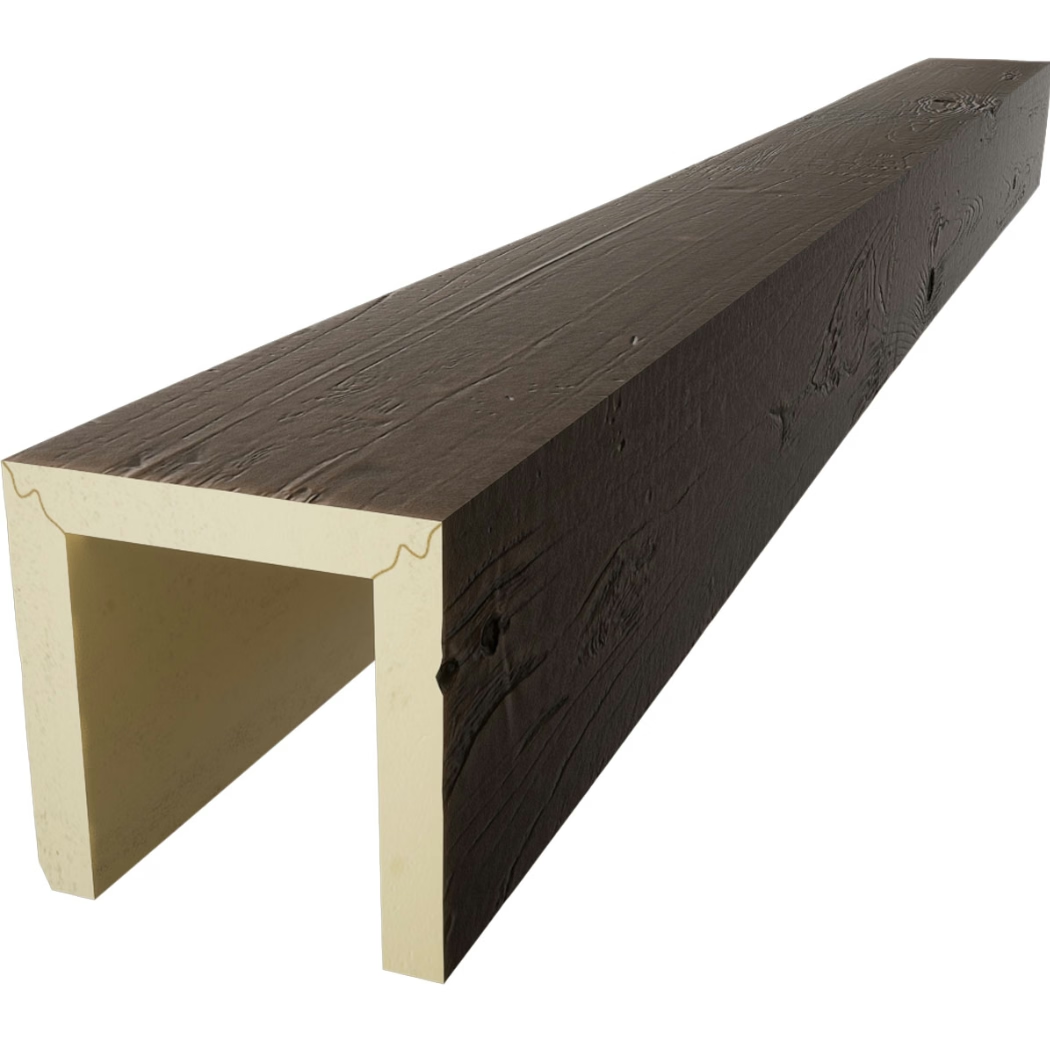
Tools and Hardware Requirements
Polyurethane beam installation requires only basic tools familiar to most homeowners and contractors. Circular saws or miter saws cut beam lengths; drills drive fasteners; levels ensure proper alignment. No specialized equipment distinguishes faux beam installation from routine carpentry.
Fastener selection depends on mounting surface and beam profile. Coarse-thread screws provide secure attachment to wood joists; masonry anchors suit concrete ceilings. Adhesive supplements mechanical fastening in most applications, creating hybrid connections that resist both shear and uplift forces.
Manufacturers typically include or specify recommended fasteners in installation documentation. Following these recommendations ensures warranty coverage and optimal performance.
Handling Characteristics in Practice
Despite their lightweight, polyurethane beams exhibit some handling characteristics that differ from timber. The material is more flexible than wood, which helps prevent breakage but can complicate alignment if not anticipated. Longer beams may require temporary support during positioning until fasteners are fully engaged.
Beam ends require careful handling during transport and positioning. Impact against hard surfaces can damage edges and corners, though the material absorbs impacts without splitting the way timber does. Protective packaging during delivery and careful jobsite handling prevent damage that would require repair or replacement.
Ceiling Height Considerations
Lightweight beams enable installation options that heavy timber cannot support. Suspended ceiling systems using wire hangers accommodate polyurethane beams without structural concerns that genuine timber would create. This capability expands design possibilities in spaces with concrete ceiling construction or inadequate wood framing.
Vaulted and sloped ceilings present similar advantages. Lightweight beams can mount to angled surfaces or furring systems that would require substantial structural reinforcement for real timber. This flexibility simplifies renovation projects where adding significant ceiling load would trigger engineering requirements and permit complications.
Professional Installation Value
While DIY installation is feasible for handy homeowners, professional installation offers advantages beyond basic competence. Experienced installers understand joist patterns, proper fastener spacing, and connection details that ensure long-term performance. They also complete installations more quickly, reducing project duration and associated household disruption.
Contractor installation typically includes responsibility for accurate measurements, proper alignment, and clean finished appearance. These services prove valuable when beams span visible distances or connect to existing millwork that requires precise coordination.
Code Compliance and Inspections
Building codes rarely address decorative ceiling elements specifically, but general fastening requirements apply to any ceiling-mounted construction. Installations must resist anticipated loads including earthquake forces in seismically active regions and wind uplift in areas subject to severe weather.
Professional installers understand local code requirements and ensure compliance. DIY installers should research applicable requirements or consult with building departments before proceeding, particularly for commercial projects or work requiring permits.
The lightweight nature of polyurethane beams simplifies code compliance by reducing total loads and allowing generous fastener schedules without exceeding structural capacity.
Time and Cost Savings Summary
Installation efficiency translates directly to project economics. Homeowners calculating DIY installation value should compare their time investment against professional labor rates. In most cases, the cost difference between DIY and professional installation proves modest when all factors are considered.
Contractors bidding renovation projects benefit from reduced labor time when specifying polyurethane rather than genuine timber. This efficiency can improve profit margins on competitive bids or allow competitive pricing that wins more projects.
Technical References
ASTM standards cited in every specification
Test Data
Lab results from internal testing program
Updated 2026
Reviewed against current product specs