Are PU Faux Wood Beams Worth Installing for Home Renovation?
Homeowners evaluating ceiling improvement options often wonder whether faux wood beams represent a worthwhile investment. The answer depends on weighing aesthetic benefits, functional advantages, and financial considerations specific to each situation.
Aesthetic Transformation Value
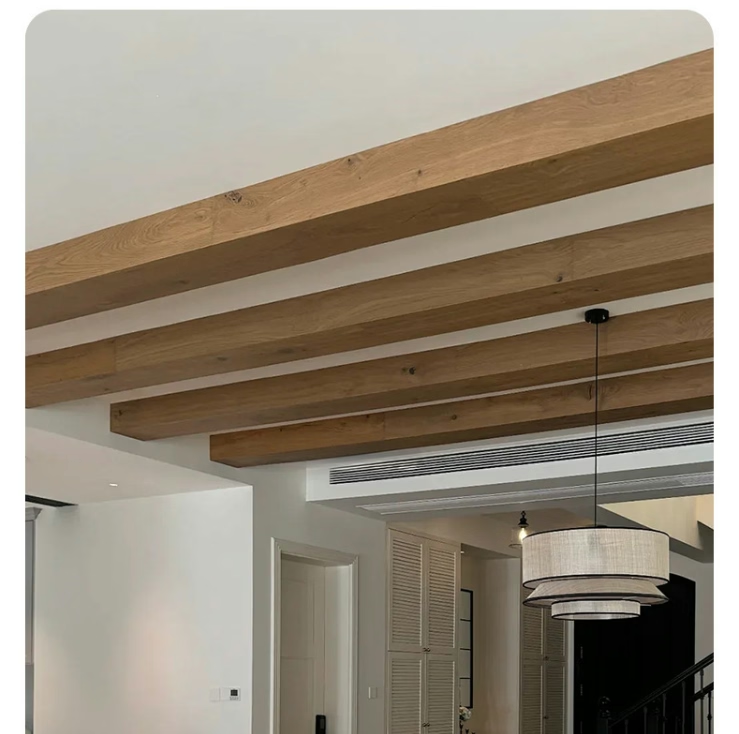
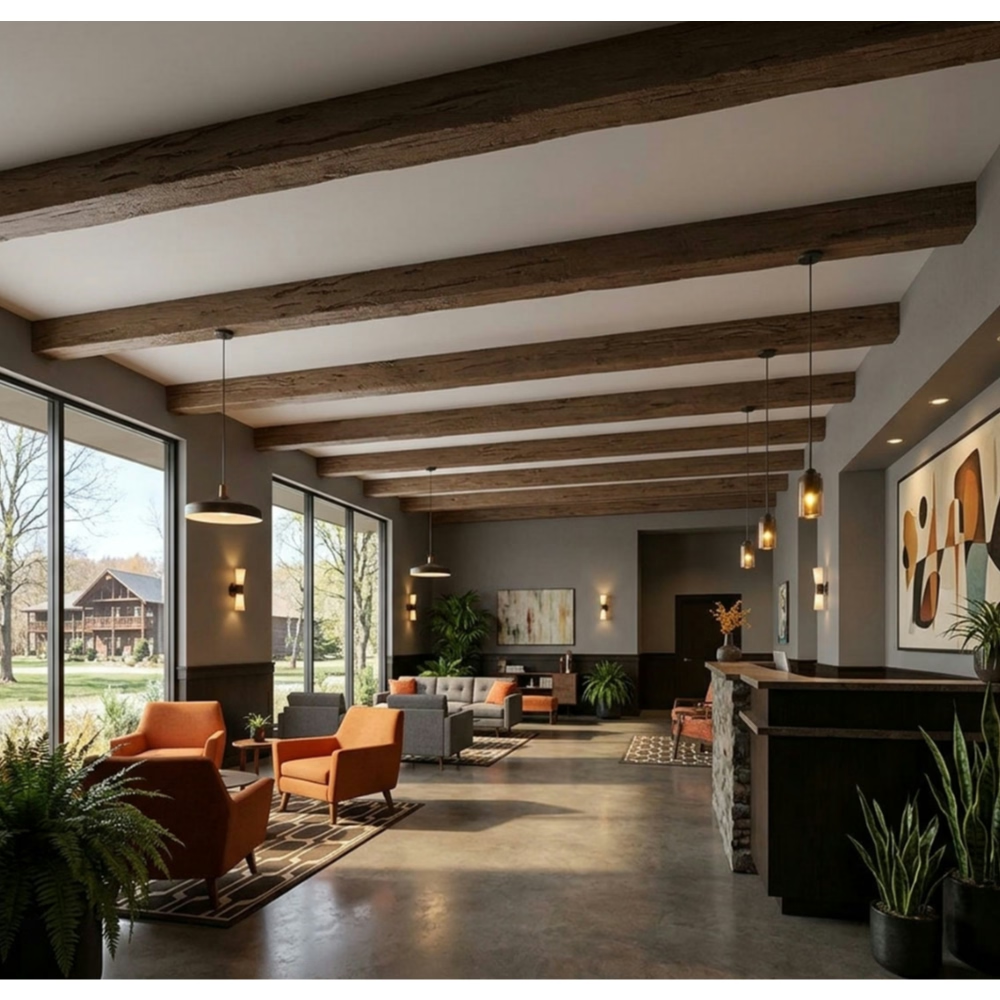
Ceiling beams create visual impact that fundamentally changes how rooms feel. The warm, crafted character of timber beams adds architectural interest that flat ceilings cannot match. This transformation affects daily living experience, not just resale appeal.
The scale of improvement depends on starting conditions. Plain flat ceilings benefit most dramatically from beam installation. Rooms with existing architectural features may see more modest improvements, though beams can complement and enhance existing details.
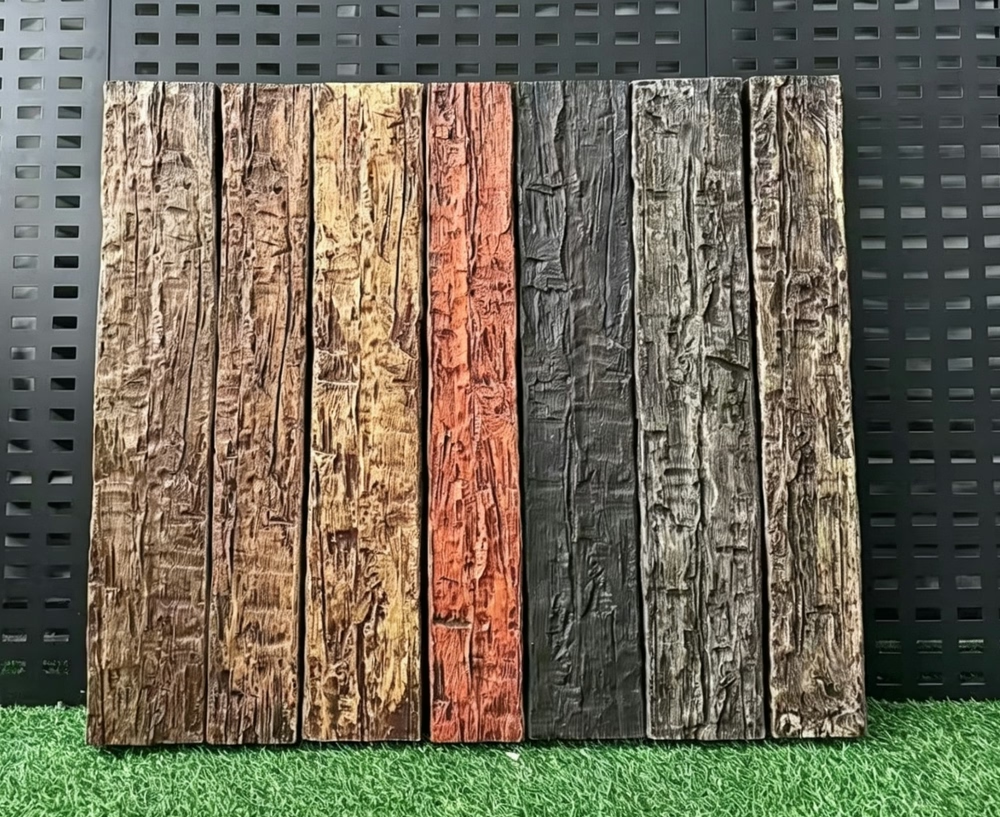
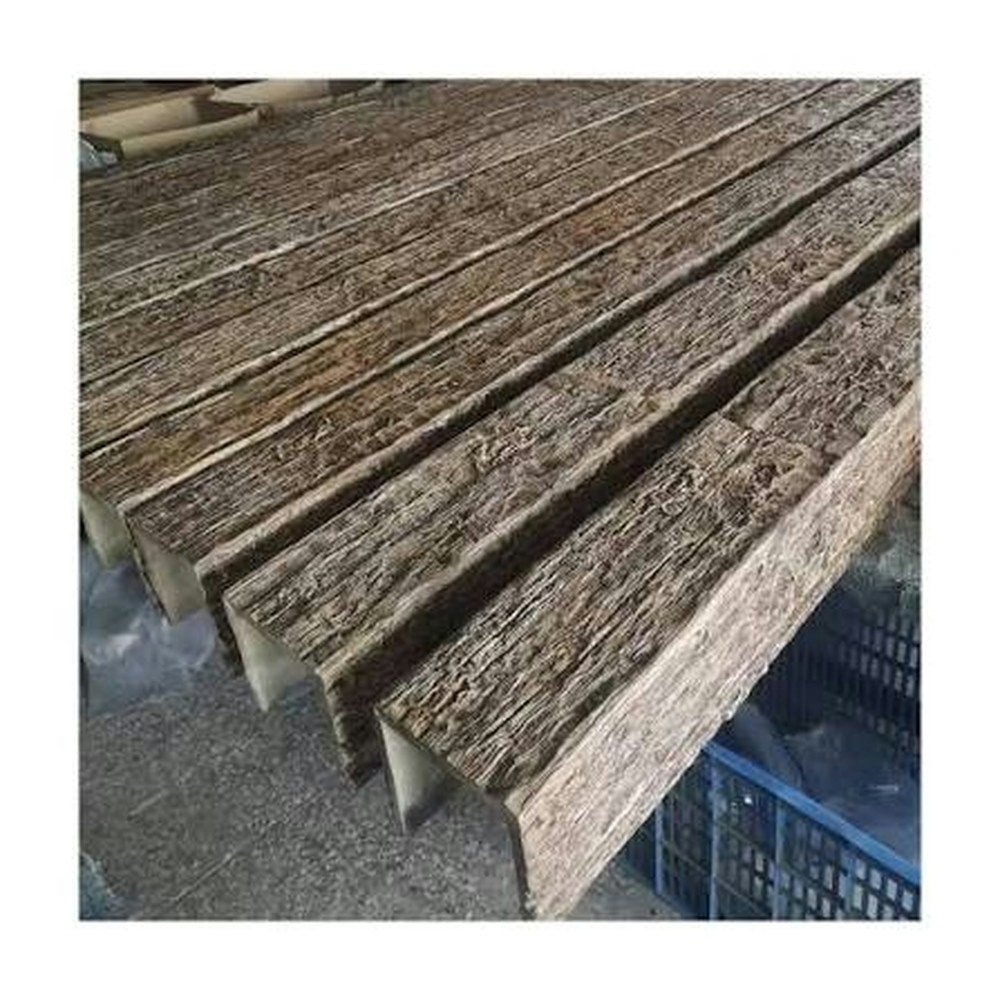
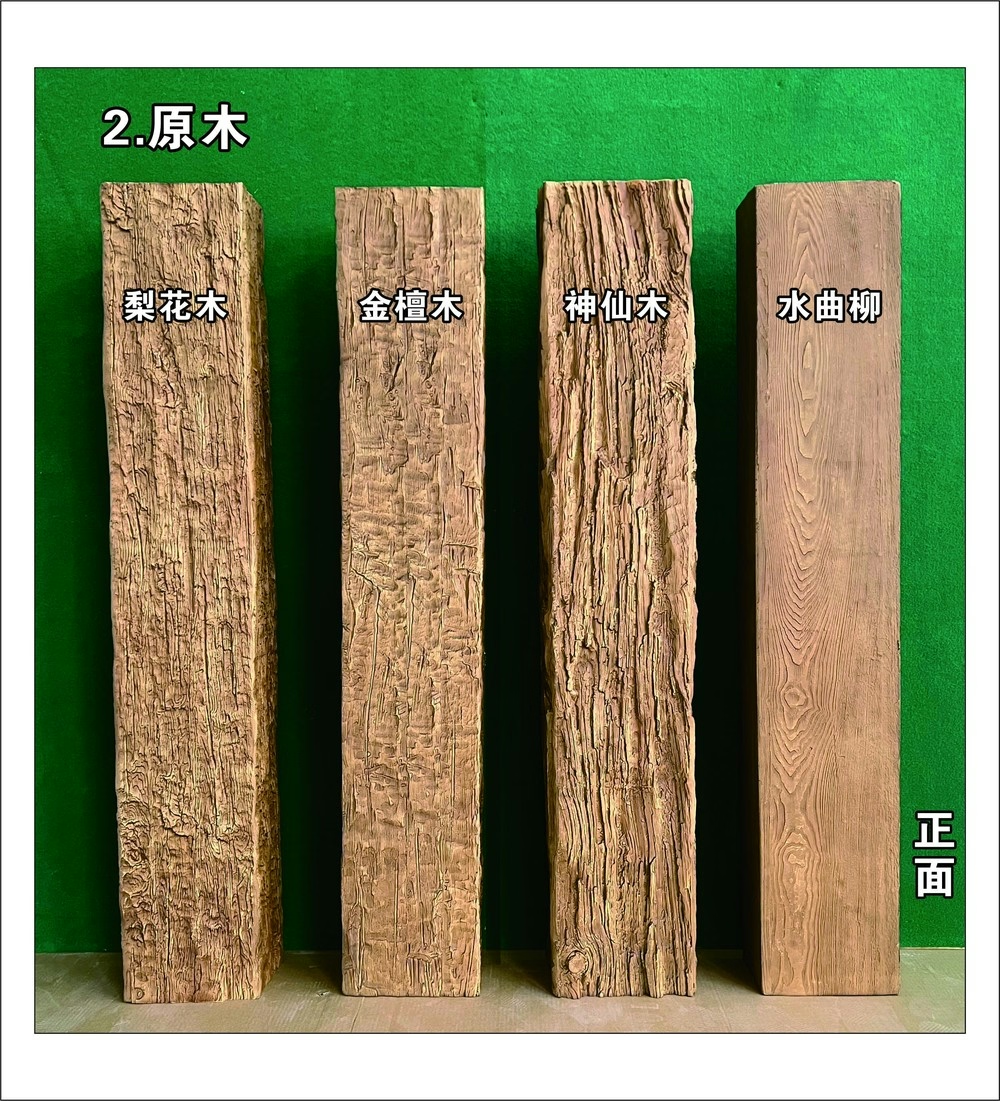
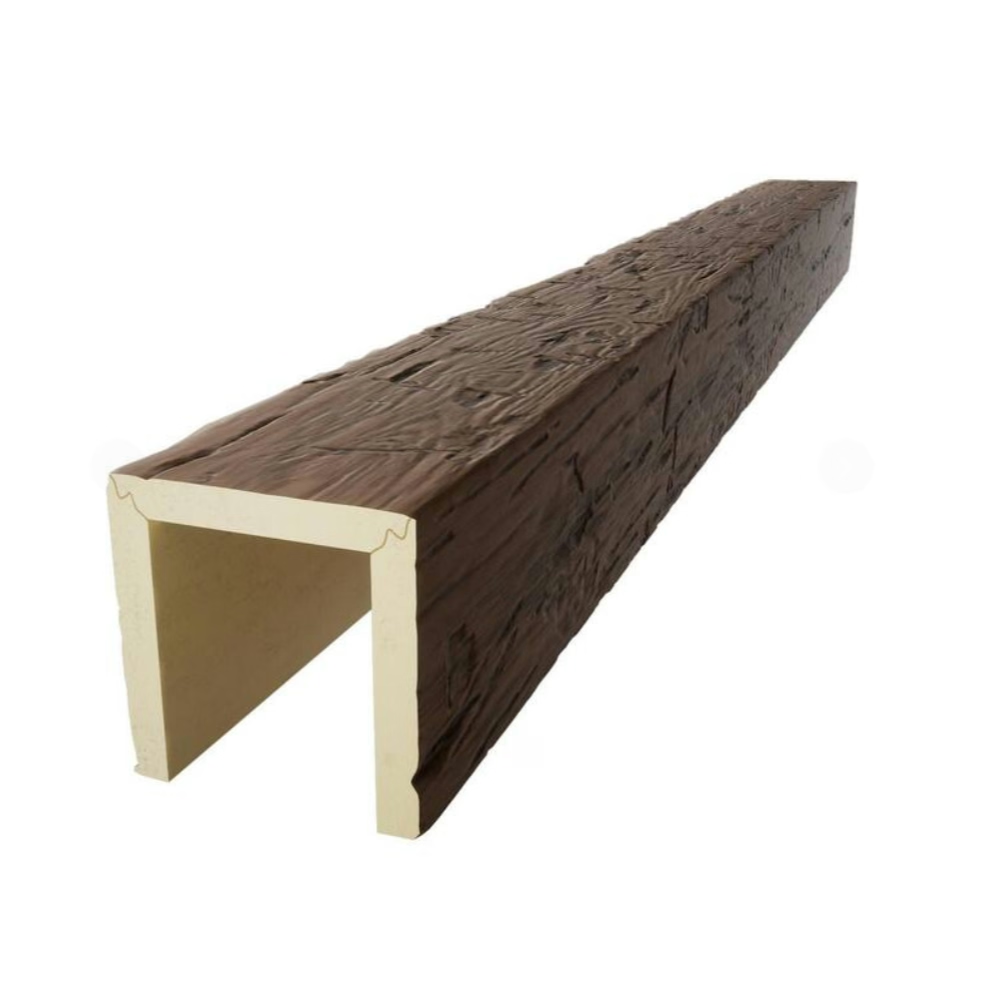
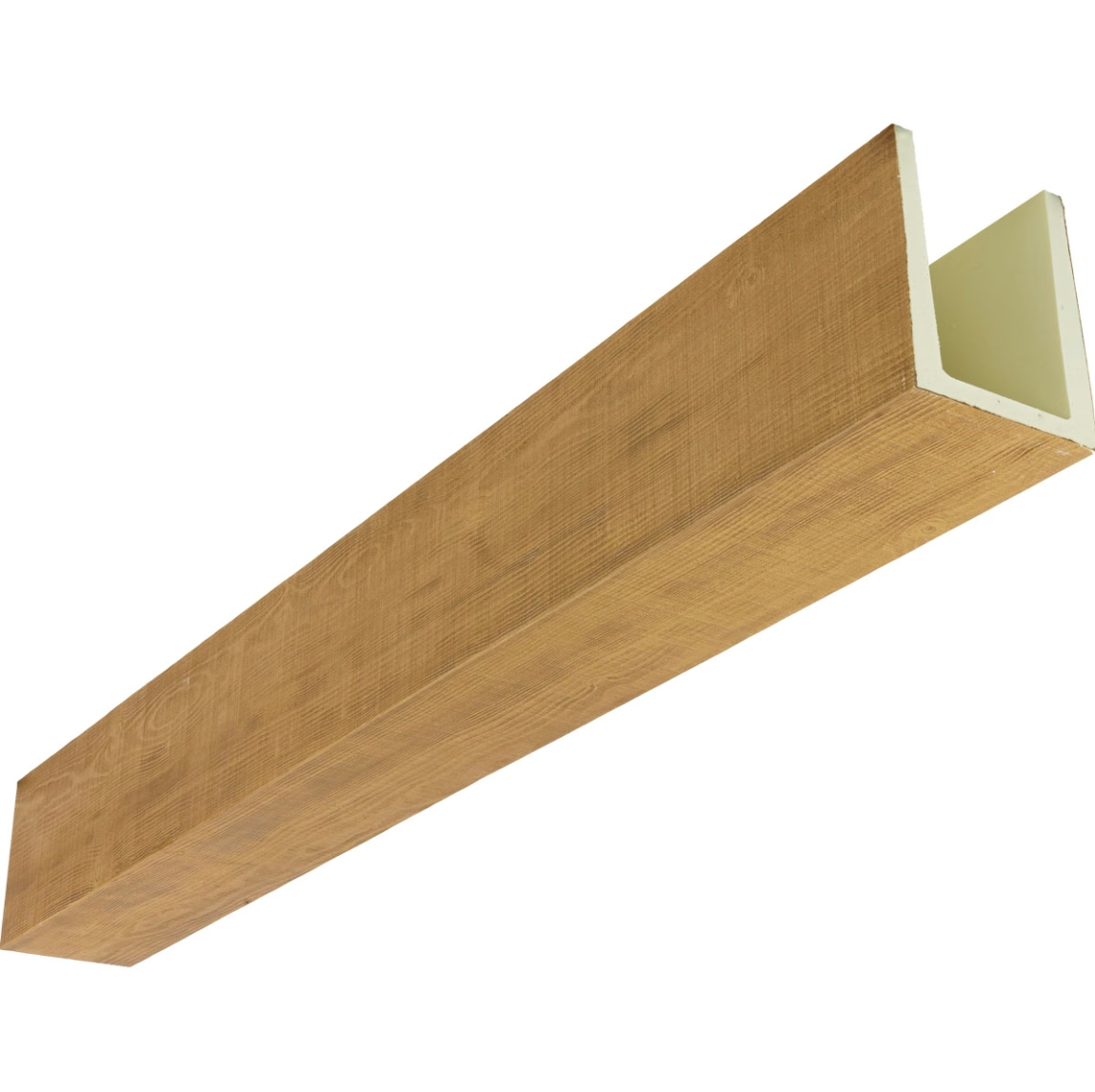
Color and texture options enable customization that matches personal preferences and existing décor. From pale casual rustic to rich dark wood tones, polyurethane beams accommodate diverse design directions.
Durability Advantages Over Natural Wood
Genuine timber beams require ongoing maintenance that faux alternatives avoid entirely. Wood surfaces need periodic refinishing to address weathering, checking, and color fade. Polyurethane maintains its appearance indefinitely without refinishing.
Moisture sensitivity creates particular challenges for wood beams in bathrooms, kitchens, and basements. Polyurethane resists water damage that would require wood replacement or repair. This resilience proves valuable in climate zones with high humidity or temperature extremes.
The permanence of polyurethane eliminates replacement cycles that wood eventually requires. When calculating lifetime costs, this durability factor significantly favors faux products.
Installation Simplicity and Cost
Faux wood beams install more quickly and with less skilled labor than genuine timber. This efficiency reduces both contractor costs for hired installation and time investment for DIY projects.
The lightweight handling characteristics enable single-person installation that timber would require two or more workers to manage. This accessibility opens DIY possibilities that heavy timber alternatives foreclose.
No finishing work after installation further reduces labor requirements. Wood beams typically need staining, sealing, and possibly distressing treatments that add significant cost and time to renovation projects.
Resale Impact Considerations
Real estate professionals generally agree that quality ceiling beams enhance property appeal. However, benefit magnitude varies by market, price range, and buyer demographics.
Premium finishes and professional installation maximize potential resale benefits. DIY installations that appear obviously fake or poorly executed may actually decrease property value by suggesting corner-cutting in other areas.
Consulting with local real estate professionals provides market-specific guidance about whether ceiling improvements likely translate to sale price increases in specific neighborhoods and price ranges.
Budget Reality Check
Realistic faux beam projects require careful budgeting. Material costs vary widely based on quality, size, and finishing level. Professional installation adds labor costs that may exceed material expenses.
Complete project budgets should include:
- Beam materials and hardware
- Mounting rails, blocking, and fasteners
- Professional installation labor (if applicable)
- Electrical modifications for lighting integration
- Touch-up finishes and accessories
Underestimating these costs creates frustration and potentially incomplete projects. Requesting itemized quotes from suppliers and contractors provides realistic budget figures.
Alternative Approaches Worth Considering
Before committing to faux beams, evaluate alternative ceiling treatments that may achieve similar effects more economically. Coffered ceiling kits, tongue-and-groove plank ceilings, and decorative moulding treatments each create visual interest at various price points.
Exposed ceiling concepts work in some homes where removing drywall reveals structural joists that can be cleaned and finished. This approach suits industrial and rustic aesthetics but requires adequate ceiling height and structural member appearance.
Paint techniques like color blocking or mural work create visual interest without construction. While less dramatic than physical beams, these options suit tight budgets or temporary installations.
Decision Framework
Faux wood beam installation makes sense when:
- Existing ceilings lack architectural interest
- Budget supports quality materials and professional installation
- Long-term ownership allows time to enjoy benefits
- Design direction matches personal aesthetic preferences
- Property values in the area support premium finishes
Consideration might be delayed when:
- Budget constraints require compromising on quality
- Short-term ownership limits enjoyment period
- Alternative treatments could achieve similar effects
- Market conditions suggest limited resale benefit
Maximizing Return on Investment
For homeowners proceeding with installation, several strategies maximize value realization:
Select timeless profiles that appeal broadly rather than highly specialized styles with narrow appeal. Neutral wood tones generally outperform trendy colors for resale-oriented improvements.
Invest in professional installation that ensures flawless execution. Installation quality dramatically affects how results are perceived and valued.
Integrate beams thoughtfully with existing architectural elements rather than treating them as isolated additions. Coherent design approach enhances overall space quality.
Long-Term Perspective
Renovation decisions benefit from long-term thinking. Faux wood beams installed with quality materials and professional execution will maintain their appearance for decades, making initial costs a one-time investment rather than ongoing expense.
The absence of maintenance requirements compounds this advantage over time. What begins as comparable cost to wood quickly becomes significantly more economical as wood requires refinishing and eventual replacement.
Technical References
ASTM standards cited in every specification
Test Data
Lab results from internal testing program
Updated 2026
Reviewed against current product specs