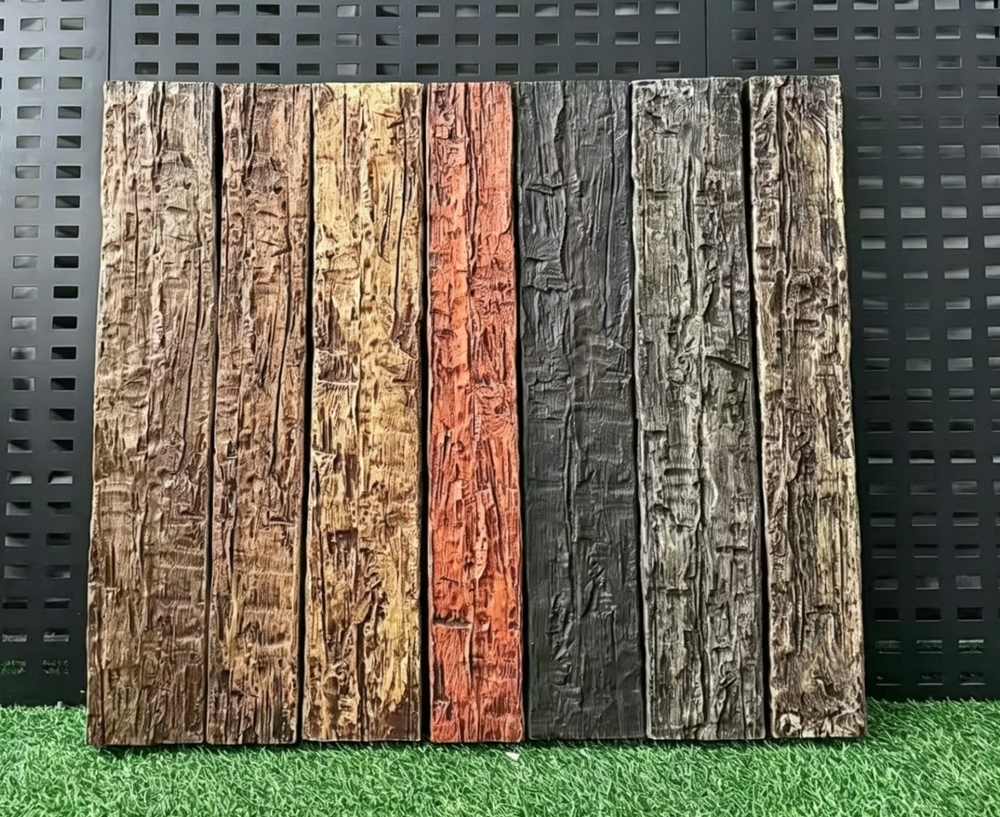
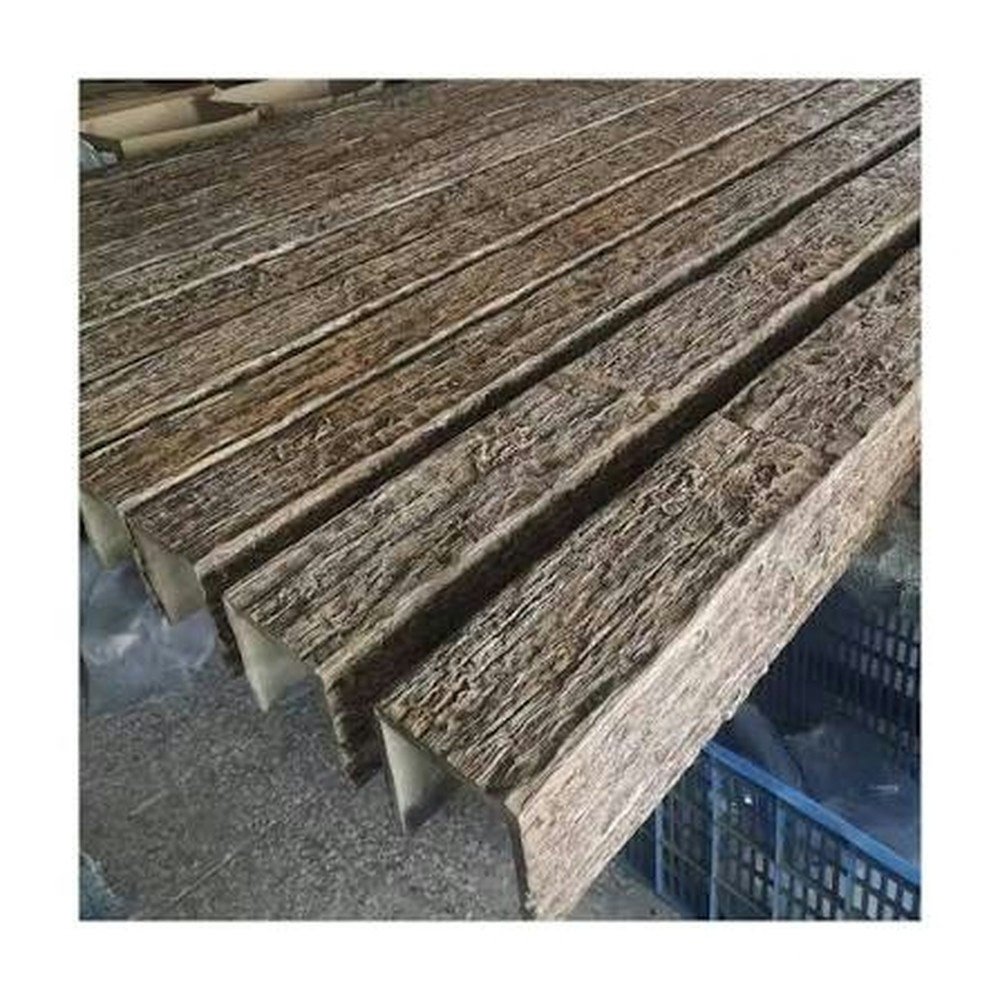
Artisan Hand Hewn Texture PU Faux Wood Beams for Organic Rustic Decor
The hand hewn aesthetic captures centuries of woodworking tradition, where craftsmen shaped structural timbers using axes, adzes, and hand planes. Artisan hand hewn texture polyurethane faux wood beams bring this heritage aesthetic to contemporary interiors with authentic detail reproduction.
Understanding Hand Hewn Construction
Historically, hand hewn beams originated from trees felled and shaped by carpenters using only hand tools. The process involved rough-hewing with axes to remove major bulk, then refined shaping with adzes and hand planes to achieve final dimensions and surfaces.
Each hewing stroke left identifiable marks that became characteristic of the technique. Axes created broad directional marks following the grain; adzes produced characteristic curved scallops; hand planes left progressively finer scratches that blended earlier tool marks.
The combination of tool marks, wood grain, and natural character created beams unique to their maker. No two hand hewn beams were identical, even when produced by the same craftsman using the same techniques.
Polyurethane Reproduction Technology
Modern casting technology captures hand hewn character with remarkable fidelity. Master craftsmen create detailed patterns that record every tool mark, grain variation, and natural imperfection. These patterns become production tools that replicate authentic character across hundreds of beams.
Premium polyurethane formulations maintain these details without the deterioration that affects wooden pattern materials. The result is consistent reproduction quality that wooden patterns cannot achieve, since wood patterns wear and change during use.
The material composition also enables texture details that would be impractical or impossible to achieve in genuine timber. Undercut areas, deep grooves, and complex surface variations reproduce accurately without the fragility that genuine wood would exhibit.
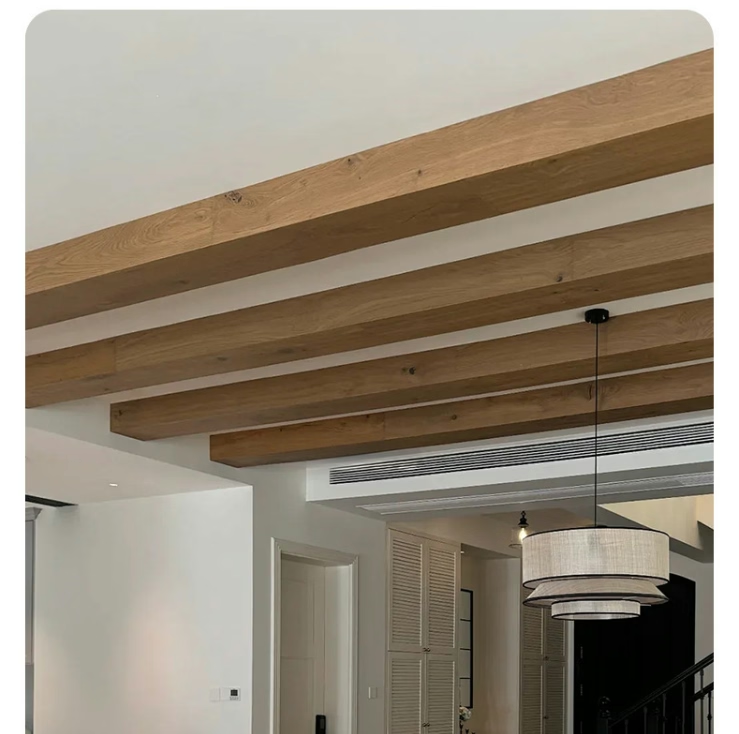
Organic Texture Characteristics
Artisan hand hewn texture beams feature several defining characteristics that distinguish them from simpler beam profiles:
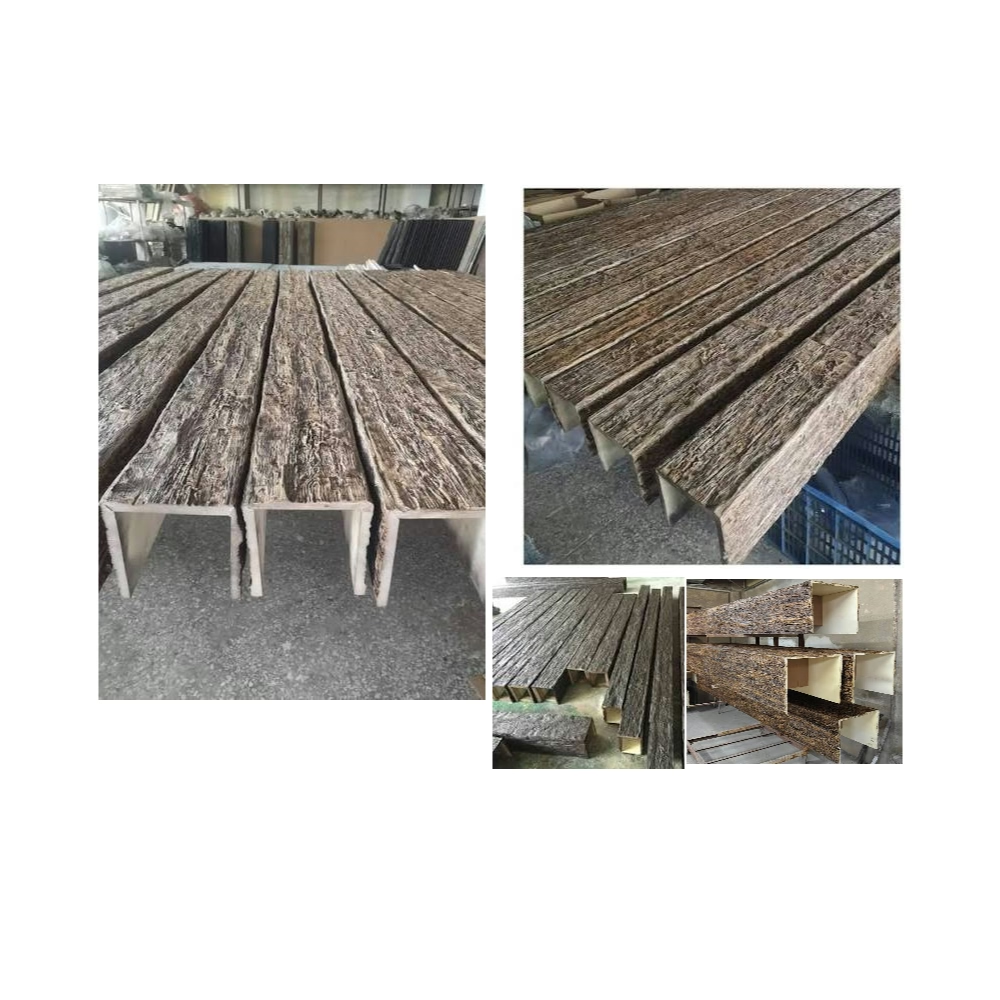
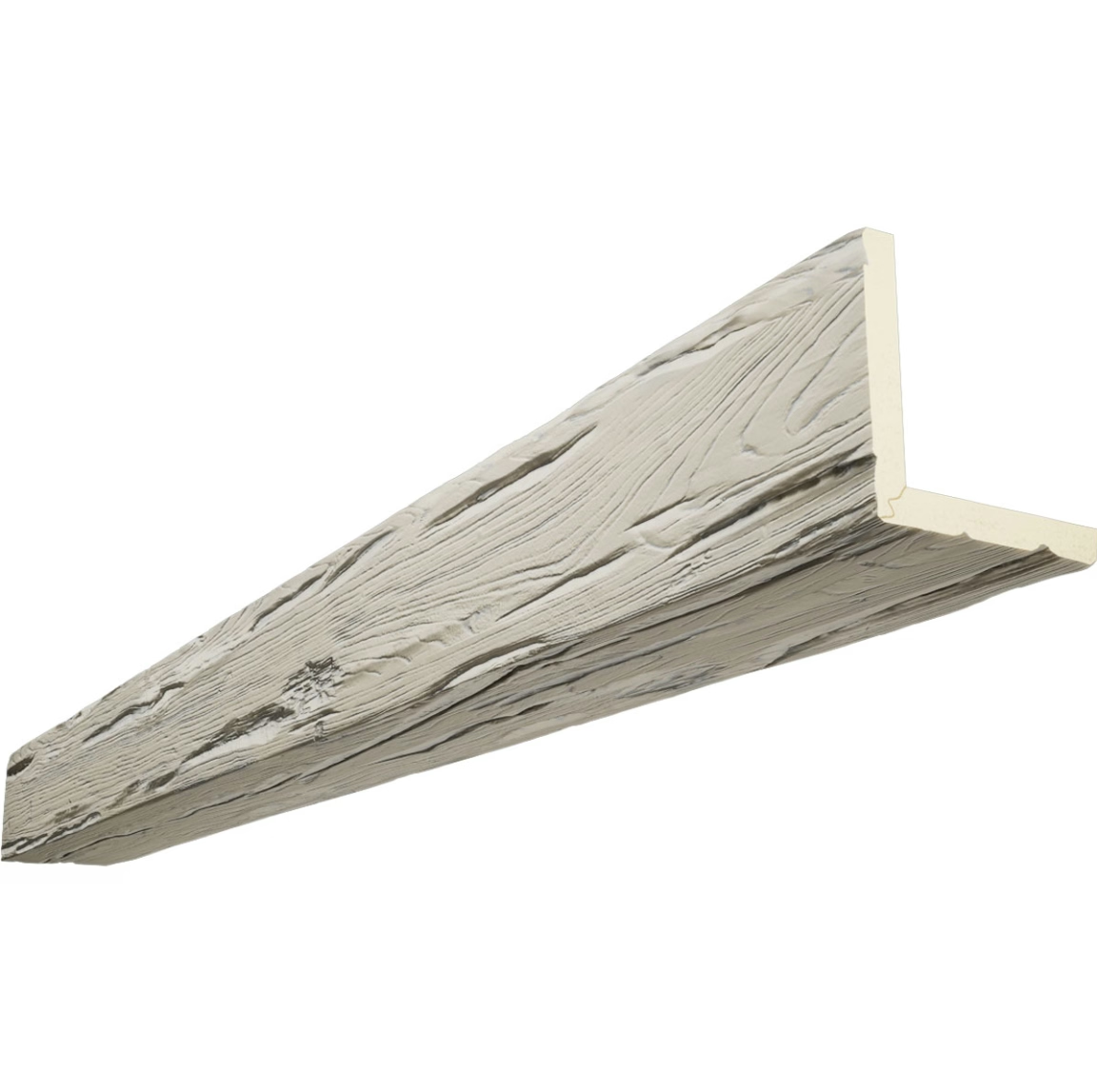
Broad axe marks create directional striations across beam faces. These marks follow the wood grain, creating visual rhythm that reads as authentically hand-worked rather than mechanically produced.
Adze textures fill areas between hewing marks, smoothing surfaces while maintaining hand-tool character. The curved adze marks add complexity that prevents surfaces from appearing repetitive.
Edge hewing marks appear along beam corners and ends. These traces of original shaping process reinforce the handmade aesthetic from every viewing angle.
Grain character shows through texture in areas of lighter treatment. Natural wood patterns peek through hewing marks, creating depth that machine surfaces cannot match.
Design Applications
Organic rustic décor embraces hand hewn beams enthusiastically. The authentic character supports design themes ranging from mountain lodge to farmhouse to modern organic minimalism.
Great rooms with exposed structural elements benefit from hand hewn beams that reference the construction's timber frame origins. Even when structural elements are concealed, decorative hand hewn beams create the impression of authentic timber construction.
Dining spaces gain warmth from overhead hand hewn beams. The crafted character encourages lingering meals and conversation, transforming eating areas into gathering spaces.
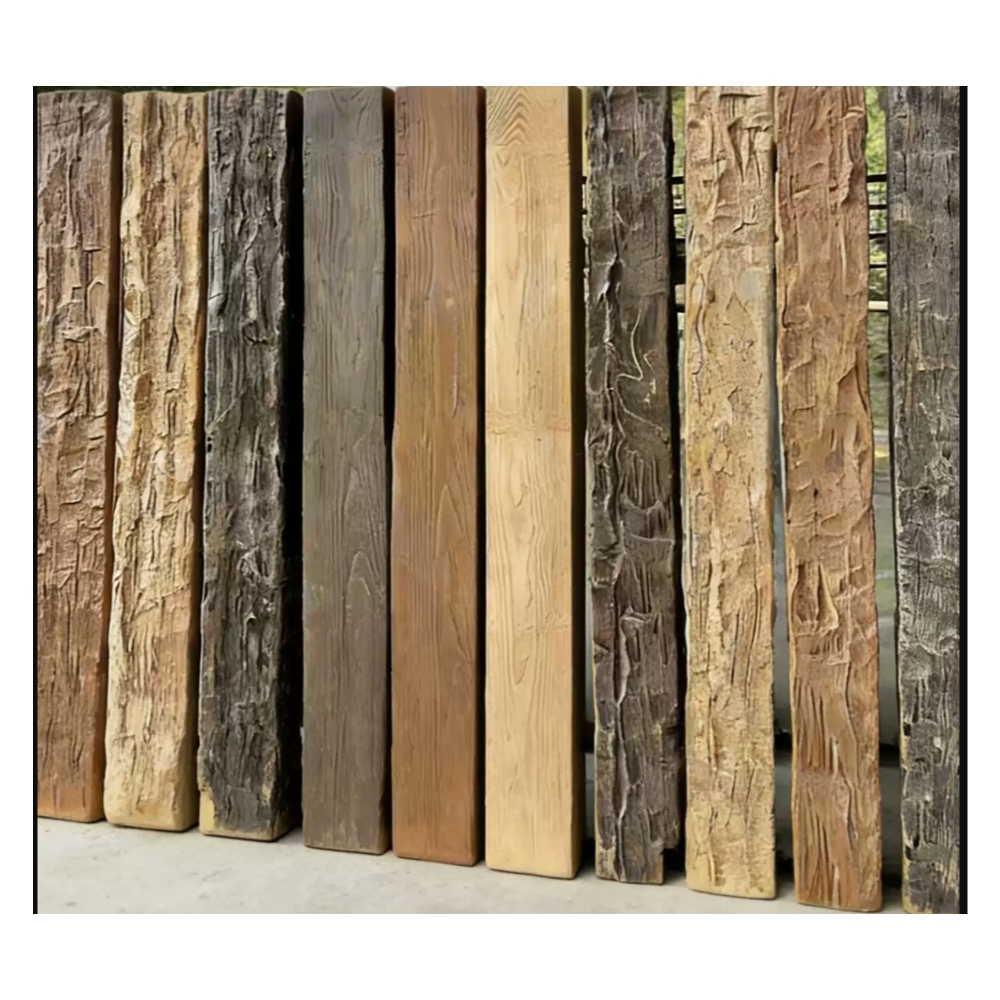
Finish Coordination
Hand hewn texture beams accept various finishing approaches. Natural finishes preserving wood tones emphasize texture detail most directly. Stain application can adjust color while maintaining texture visibility.
Distressing techniques enhance hand hewn authenticity further. Strategic edge wear, highlight application, and tonal variation create aged appearances that reference antique timber aesthetics.
Paint finishes can subdue or completely conceal texture depending on application technique. Solid body paints preserve texture while neutralizing wood tones; wash techniques reduce saturation while maintaining depth perception.
Installation Considerations
Hand hewn texture requires careful handling to avoid damage during installation. While polyurethane is more resilient than wood, sharp impacts can compress or chip texture details.
Installers should protect beam surfaces during positioning, using padding beneath clamp locations and avoiding dragging beams across rough surfaces. The texture that makes beams beautiful also makes them more vulnerable to localized damage.
Corner and connection details require planning to ensure texture continuity across joints. Random texture placement means each joint presents unique matching challenges that may require field adjustment or creative finishing.
Maintenance and Care
The durable polyurethane surface cleans easily with mild detergent and water. Abrasive cleaners should be avoided as they can wear texture details over extended cleaning cycles.
Touch-up capability exists for damaged areas, though perfect matching proves challenging. Professional refinishers can repair minor damage; major damage typically requires component replacement.
Preventive measures include protecting beams from impact hazards and monitoring environmental conditions that might affect mounting systems. The beams themselves require no maintenance; mounting hardware and attachment systems benefit from periodic inspection.
Quality Indicators
Distinguishing quality hand hewn texture beams from inferior products requires attention to detail. Key quality indicators include:
Texture depth that includes genuine undercut areas rather than surface scoring only
Consistent tool mark patterns that suggest authentic source study
Edge definition that maintains character without appearing manufactured
Color application that enhances rather than obscures texture
Physical sample inspection reveals these qualities more clearly than photography or description can convey. Request samples from manufacturers before committing to purchases.
Investment Considerations
Premium artisan hand hewn beams command higher prices than simple beam profiles, reflecting manufacturing complexity and material quality. This investment returns aesthetic authenticity that budget products cannot match.
For projects where hand hewn character defines the design direction, economy choices compromise the fundamental design intent. Investing in quality textures ensures the designed experience materializes in completed installations.
Historic Preservation Applications
Authentic hand hewn character supports historic preservation projects where genuine antique beams are unavailable or impractical. Polyurethane reproductions enable period-appropriate appearance that satisfies preservation standards while delivering modern performance.
Rehabilitation projects replacing damaged historic elements benefit from texture options that match surviving originals. Careful coordination between replacement beams and existing elements creates cohesive appearances that preserve historic character.
Technical References
ASTM standards cited in every specification
Test Data
Lab results from internal testing program
Updated 2026
Reviewed against current product specs