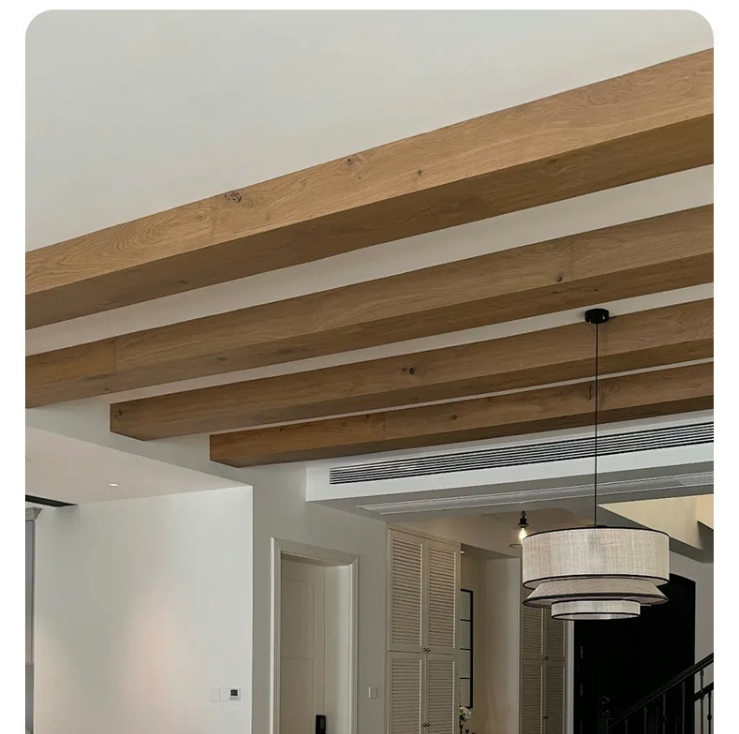
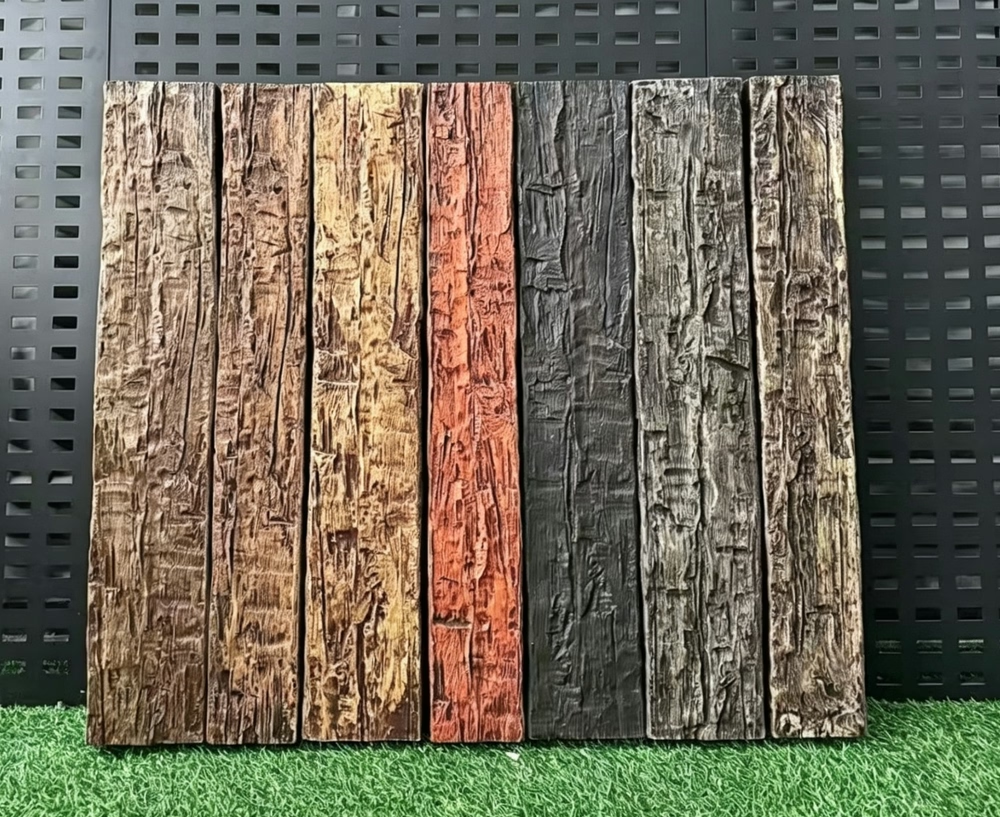
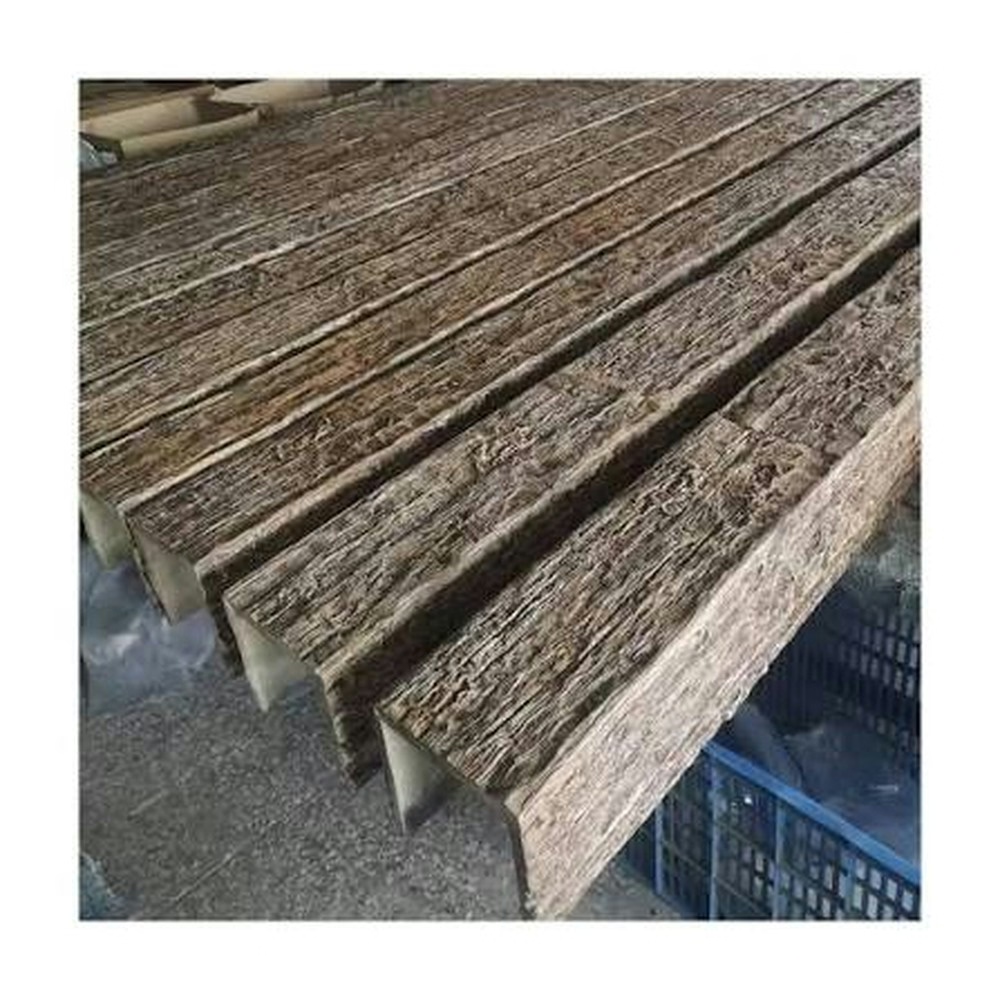
Artisan Hand-Hewn Pine Faux Timber Beams for Vintage Home Decor
Pine timber has served as a foundational building material throughout North American and European construction history. Its distinctive character—prominent grain, visible knots, and warm coloration—has shaped architectural aesthetics for generations. Artisan hand-hewn pine faux timber beams bring this heritage into contemporary homes with authentic texture reproduction.
Pine Timber in Architectural History
Early American builders selected pine for its combination of workability and availability. The straight-grained softwood shaped easily with hand tools while providing adequate structural performance for residential and agricultural construction.
Pine's characteristic features became valued design elements rather than defects. Knots indicated branch locations on living trees; grain patterns revealed growth conditions and wood structure. These natural characteristics communicated material authenticity that homogeneous modern lumber lacks.
Hand-hewn pine beams in historic structures across New England, the Midwest, and Appalachia demonstrate the craftsmanship that transformed local timber into architectural elements. Preserving these aesthetics in modern construction honors building traditions while delivering contemporary performance.
Hand-Hewn Pine Texture Characteristics
Premium artisan hand-hewn pine faux beams capture distinctive characteristics of genuine pine timber:
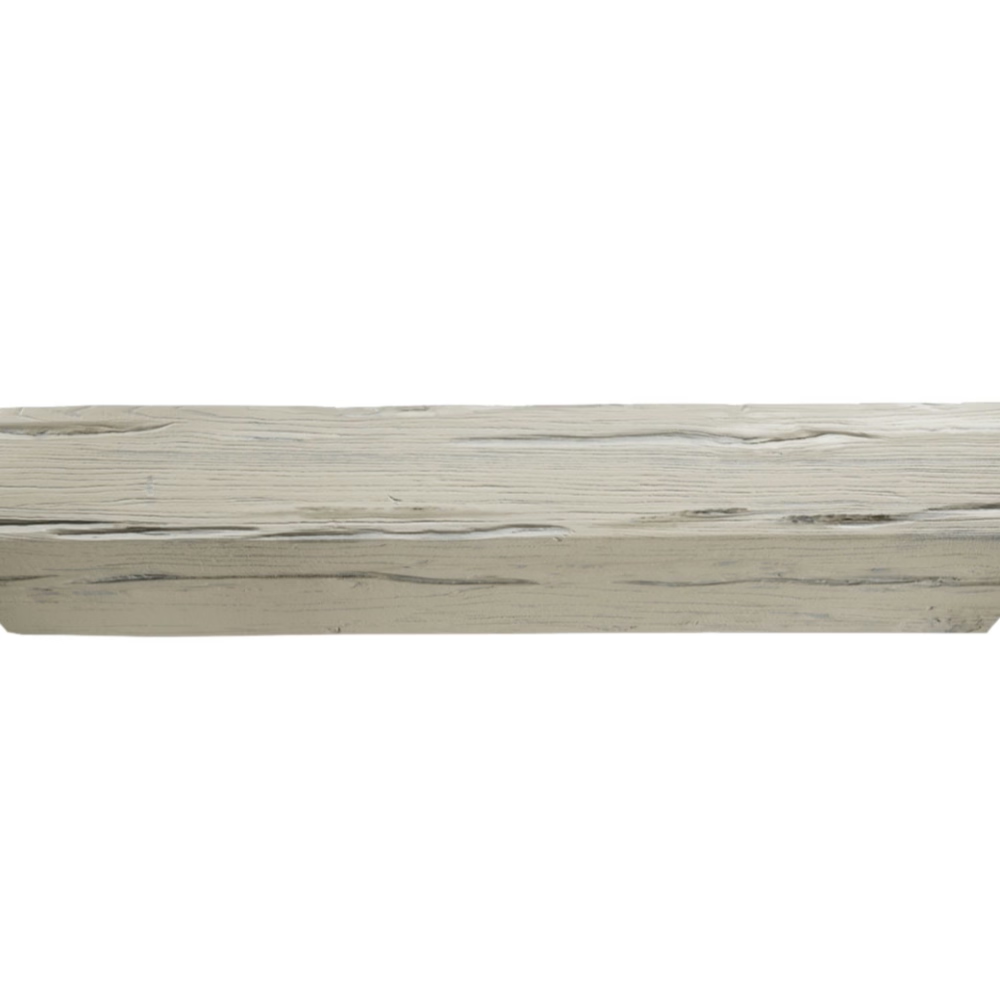
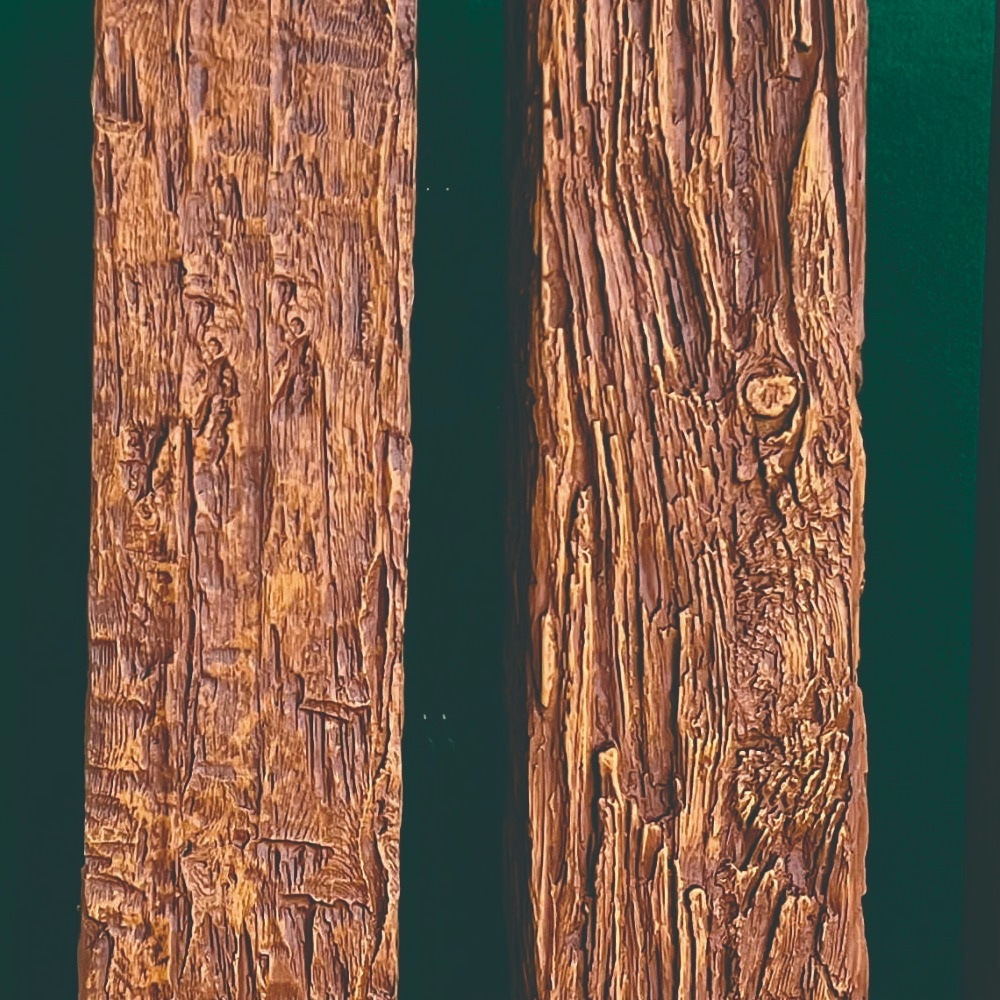
Prominent grain patterns appear through texture treatment, showing the characteristic longitudinal fiber structure that identifies pine species. These grain lines create natural visual rhythm across beam surfaces.
Knot formations reproduce at authentic sizes and positions, referencing branch locations in original timber. Knots range from small tight formations to larger loose knots that show original branch attachment points.
Softwood texture differs from hardwood equivalents, with coarser grain patterns and more visible annual ring structure. This texture character distinguishes pine from oak, maple, or other hardwood species.
Warm coloration references pine's natural honey-amber tones. Factory finishes enhance this warmth while maintaining natural wood appearance rather than artificially saturated color.
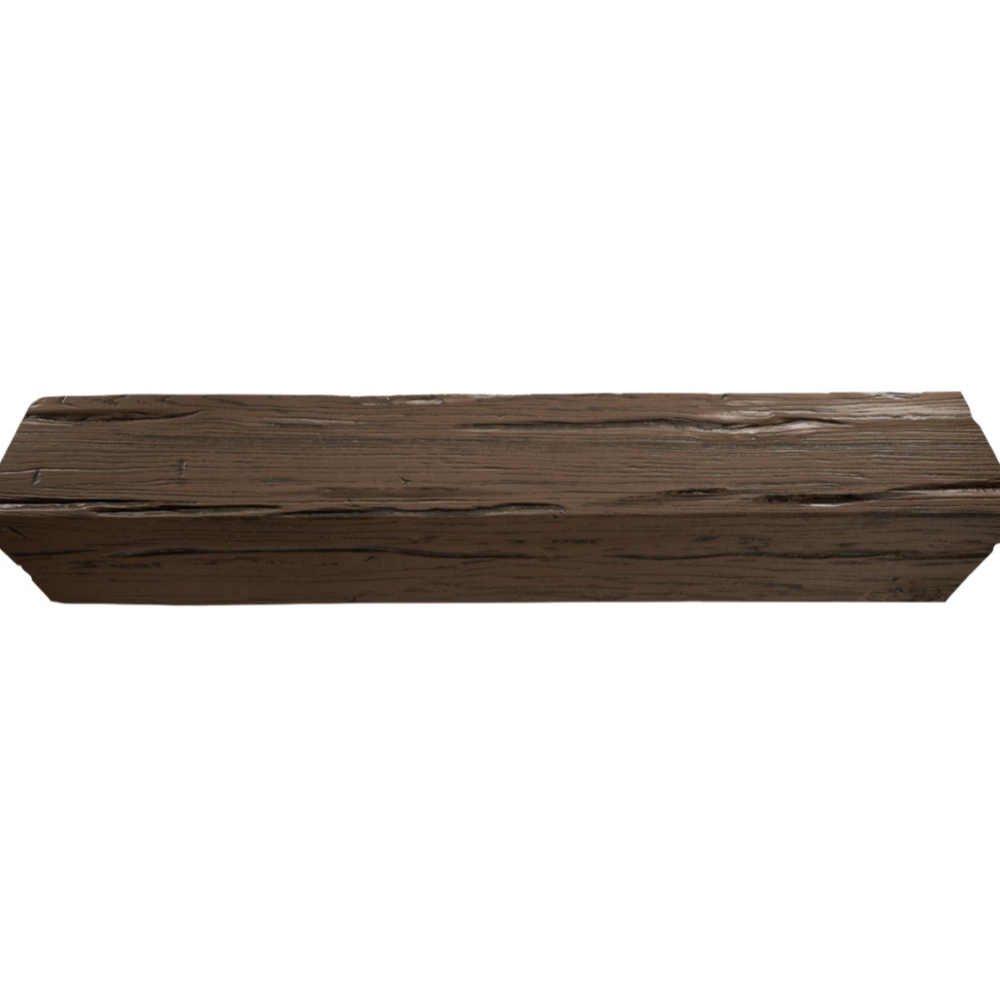
Vintage Home Decor Context
Vintage home decor celebrates authentic materials and crafted details that evoke earlier eras. The hand-hewn pine aesthetic aligns perfectly with vintage design principles that reject mass production in favor of character-rich individual elements.
Farmhouse interiors particularly benefit from hand-hewn pine beams. The casual rustic character complements shiplap walls, vintage appliances, and repurposed furnishings that define farmhouse aesthetics.
Cottage and cabin styles embrace similar aesthetic values, using natural materials and crafted details to create comfortable retreats from modern life. Pine beams contribute warmth that enhances these relaxation-focused spaces.
Integration with Vintage Design Elements
Successful vintage interiors coordinate multiple material and finish choices. Hand-hewn pine beams should harmonize with:
Wall finishes including shiplap, board and batten, or plaster with exposed timber. Beam color should complement wall tones without competing for visual dominance.
Hardware and fixtures in aged metal finishes including brass, copper, and iron. Beam tones work naturally with these metallic accents.
Textile elements including natural fiber rugs, woven baskets, and linen or cotton upholstery. The organic character of these textiles harmonizes with wood warmth.
Lighting fixtures reflecting vintage design—schoolhouse pendants, farmhouse lanterns, and industrial-inspired fixtures all pair naturally with pine beam ceilings.
Finish Approaches for Vintage Aesthetics
Several finish strategies support vintage home decor objectives:
Natural clear finishes preserve pine warmth while providing protection. Multiple sealer coats ensure durability without obscuring wood character.
Golden oak stains enhance natural tones while evening color variations between pieces. This approach suits interiors where coordinated appearance matters.
Antique finish techniques create aged appearances with intentional wear patterns and tonal variation. These treatments suggest beams that have served faithfully for generations.
Practical Advantages for Renovation
Pine faux beams offer practical advantages over genuine antique timber:
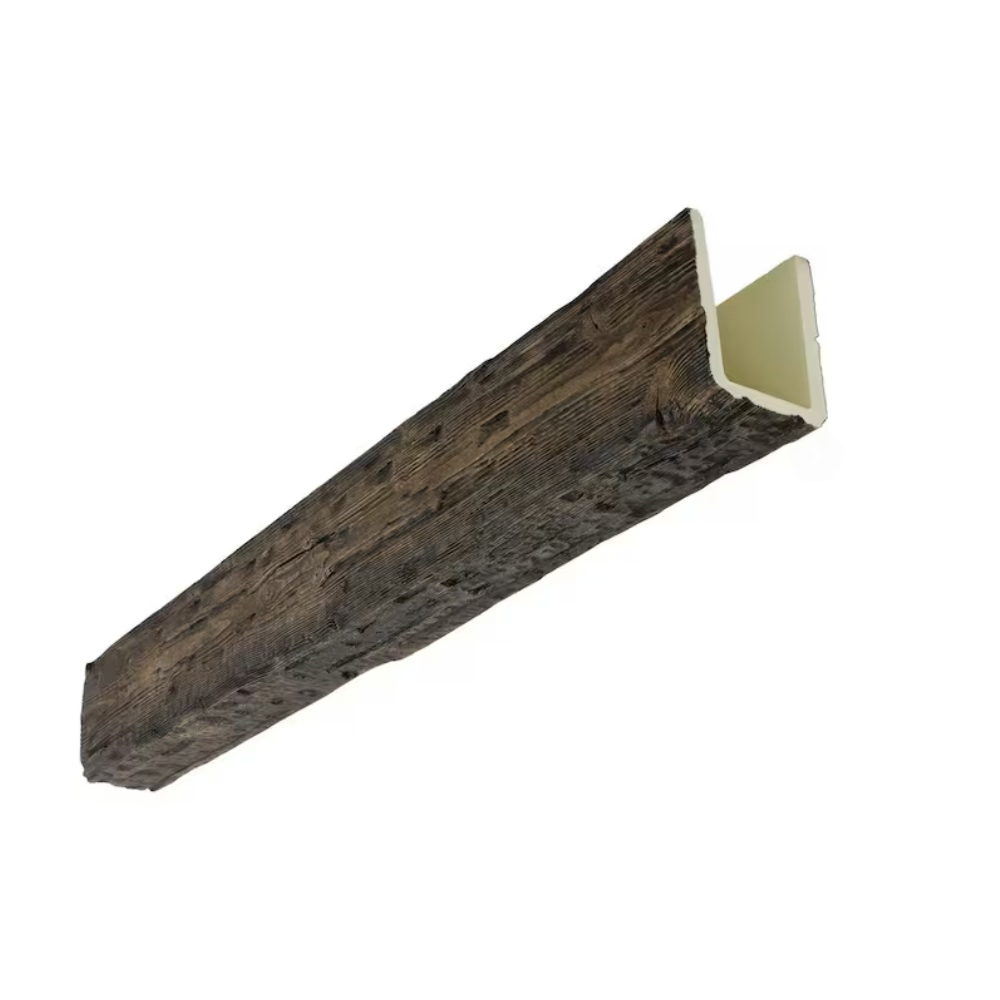
Lightweight construction simplifies installation and reduces structural requirements. Existing ceilings can accommodate beam loads without engineering modifications.
Consistent dimensions simplify layout and installation planning. Each beam matches specified dimensions exactly, eliminating fitting challenges that genuine timber presents.
No moisture sensitivity expands installation options. Bathrooms, kitchens, and basement spaces where genuine pine would risk moisture damage accommodate polyurethane alternatives.
The availability of standard sizes and finishes streamlines purchasing and reduces lead times compared to sourcing genuine antique beams.
Scale and Proportion
Effective beam installation requires attention to scale and proportion relative to room dimensions:
Ceiling height determines appropriate beam size. Higher ceilings accommodate larger beams; modest heights require proportionally smaller profiles.
Room dimensions influence beam spacing and arrangement. Wide rooms benefit from multiple parallel beams; narrow spaces may use single accent beams or crossed configurations.
Furniture scale should relate to beam size for visual harmony. Oversized beams over petite furnishings create visual imbalance; conversely, small beams in large rooms disappear.
Professional Design Consultation
Interior designers experienced with vintage aesthetics provide valuable guidance for beam selection and placement. These professionals understand proportional relationships and finish coordination that achieve cohesive results.
Design consultation fees typically return value through reduced后悔 purchasing decisions and smoother installation processes. The investment in professional guidance often pays for itself through avoided mistakes.
Care and Maintenance
Polyurethane pine beams require minimal maintenance compared to genuine timber:
Dust with soft cloths or gentle vacuum attachments removes accumulated particles.
Wash with mild detergent solutions for deeper cleaning when needed.
Avoid abrasive cleaners that could wear surface textures over extended periods.
Inspect mounting systems periodically to verify continued secure attachment.
Long-Term Investment Value
Quality artisan pine beams represent investment in home character that appreciates over time. Unlike fashion-driven finishes that date quickly, authentic pine aesthetics maintain appeal across changing design cycles.
The durability of premium polyurethane eliminates replacement cycles that genuine timber requires. Initial investment in quality products provides decades of service without maintenance expense.
Regional Style Variations
Pine beam aesthetics adapt to regional style variations across North America:
New England farmhouse style features tight-grain eastern white pine with modest knot content and warm natural tones.
Mountain lodge style embraces more dramatic knot formations and darker finish treatment that suggests higher-altitude timber sources.
Pacific Northwest cottage style incorporates coastal influences with lighter finishes and casual rustic character.
Technical References
ASTM standards cited in every specification
Test Data
Lab results from internal testing program
Updated 2026
Reviewed against current product specs