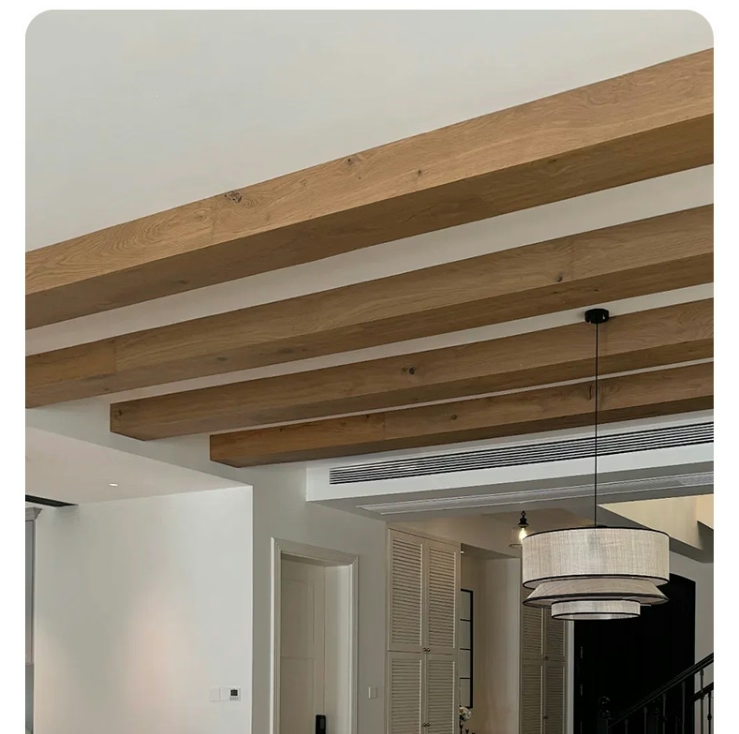
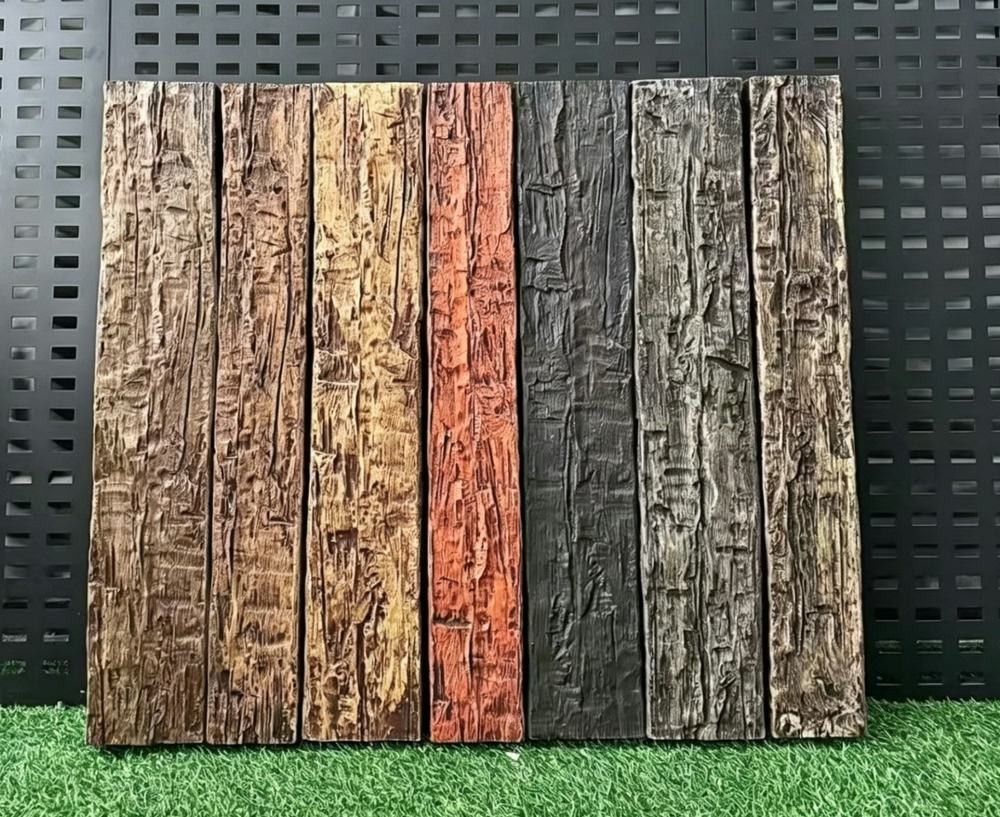
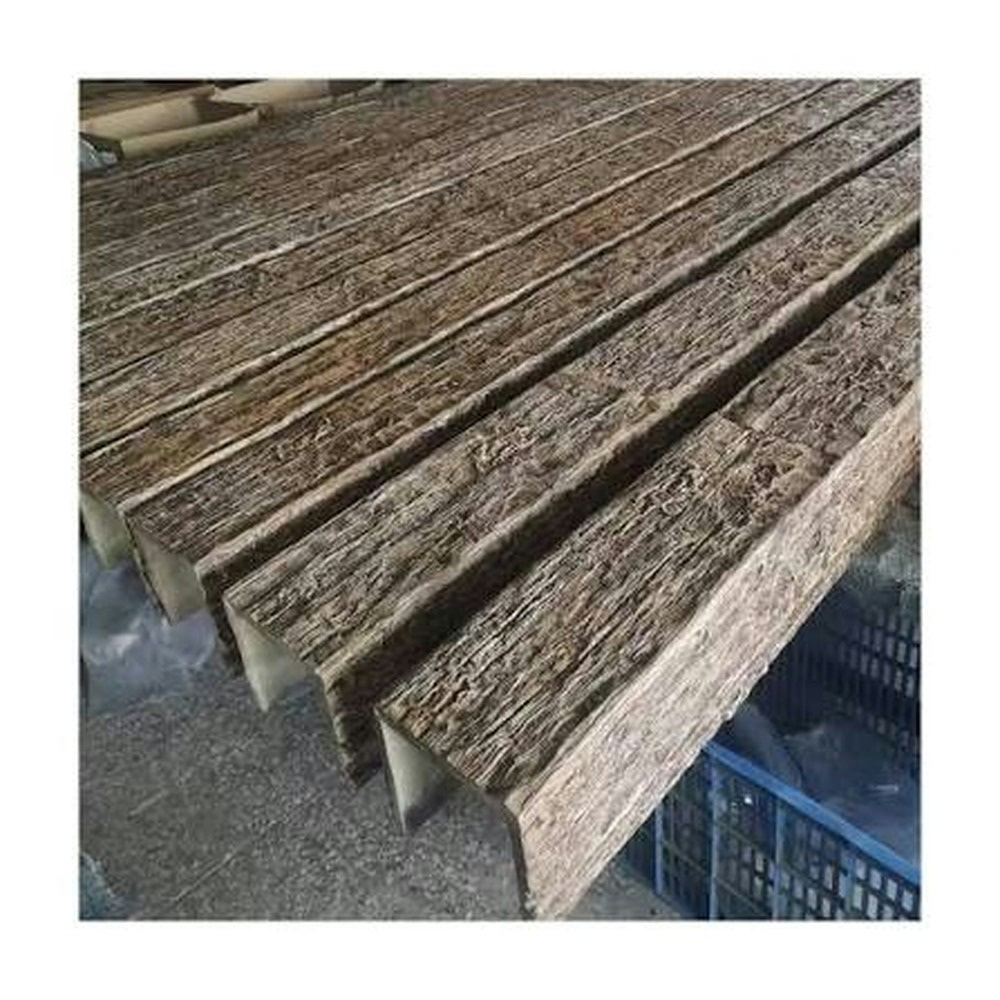
Artisan Hand-Hewn Texture Faux Wood Ceiling Beams for Rustic Decor
Rustic interior design celebrates natural materials, crafted authenticity, and warm atmospheres that connect modern living to traditional building heritage. Artisan hand-hewn texture faux wood ceiling beams provide the architectural foundation that makes rustic spaces feel genuinely rooted rather than artificially styled.
Defining Rustic Interior Character
Rustic décor embraces imperfection, natural materials, and visible craftsmanship. The aesthetic rejects the mechanical precision of modern manufacturing in favor of elements that reveal their origins and makers. Hand-hewn textures communicate these values directly through surface character that automated production cannot replicate.
Successful rustic interiors achieve warmth without appearing dirty, authentic without appearing neglected, and crafted without appearing self-consciously artistic. The balance requires careful material selection and thoughtful installation that premium artisan beams support.
Texture Authenticity Requirements
Authentic rustic character requires texture depth that extends beyond surface treatment. Hand-hewn surfaces should exhibit:
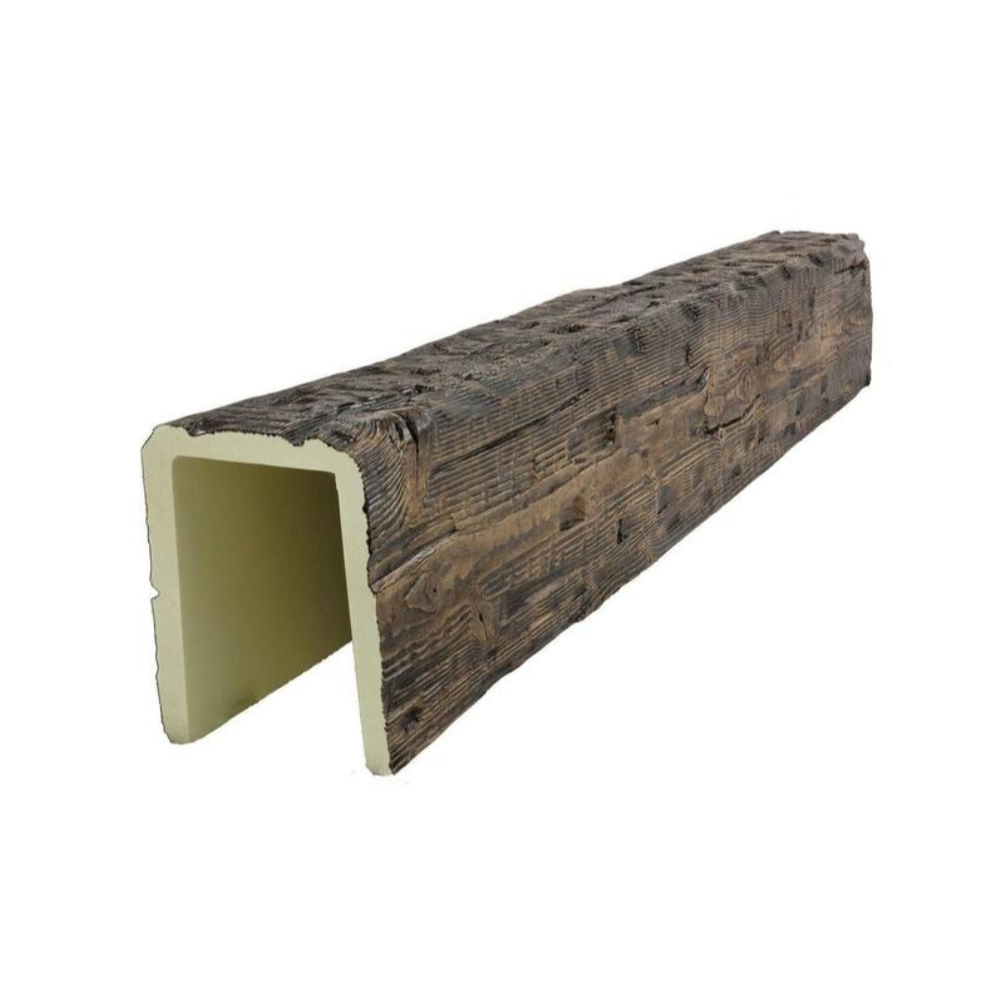
Three-dimensional relief showing genuine tool mark depth rather than flat surface printing. Light creates natural shadows within texture features that enhance perceived authenticity.
Variation in tool mark intensity that suggests working where needed rather than uniform mechanical treatment. Areas of heavier marks alternate with smoother surfaces, reflecting authentic hand work patterns.
Edge character that extends hand work to beam perimeters. Authentic beams show tool marks at corners and ends, not just on primary faces.
Grain visibility that connects surface texture to underlying wood structure. The relationship between texture and grain suggests genuine timber rather than homogeneous material.
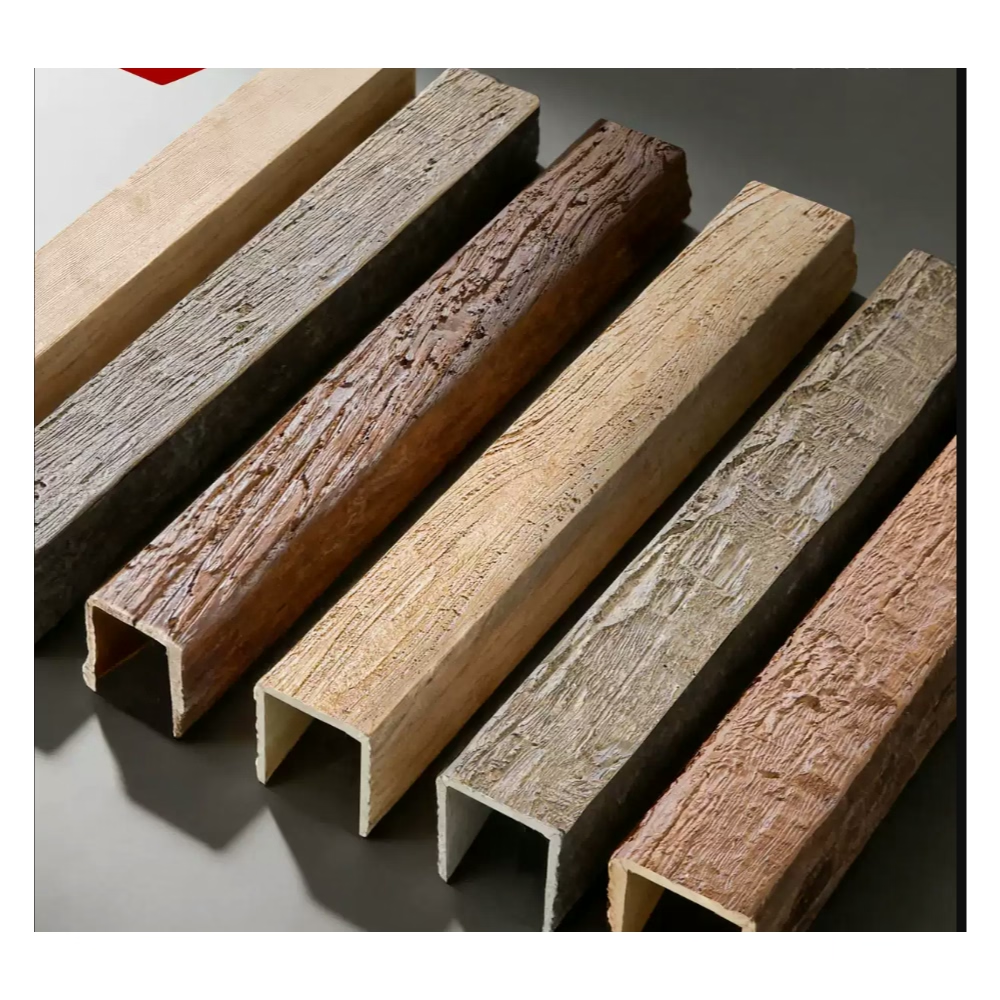
Design Integration Principles
Rustic beam installations succeed when integrated with surrounding design elements:
Wall materials should complement rather than compete with ceiling beams. Natural stone, exposed brick, and raw wood walls enhance beam aesthetics; highly polished surfaces may conflict.
Color palettes should include earth tones, muted neutrals, and natural material references. Bold saturated colors typically feel contemporary rather than rustic.
Furnishings should show evidence of use and craft rather than pristine factory appearance. Leather, woven textiles, and weathered metal support rustic authenticity.
Lighting should enhance texture perception through directional fixtures that cast shadows within beam surfaces. Ambient-only lighting flattens texture and reduces rustic impact.
Ceiling Application Techniques
Ceiling installations present unique considerations for rustic beam placement:
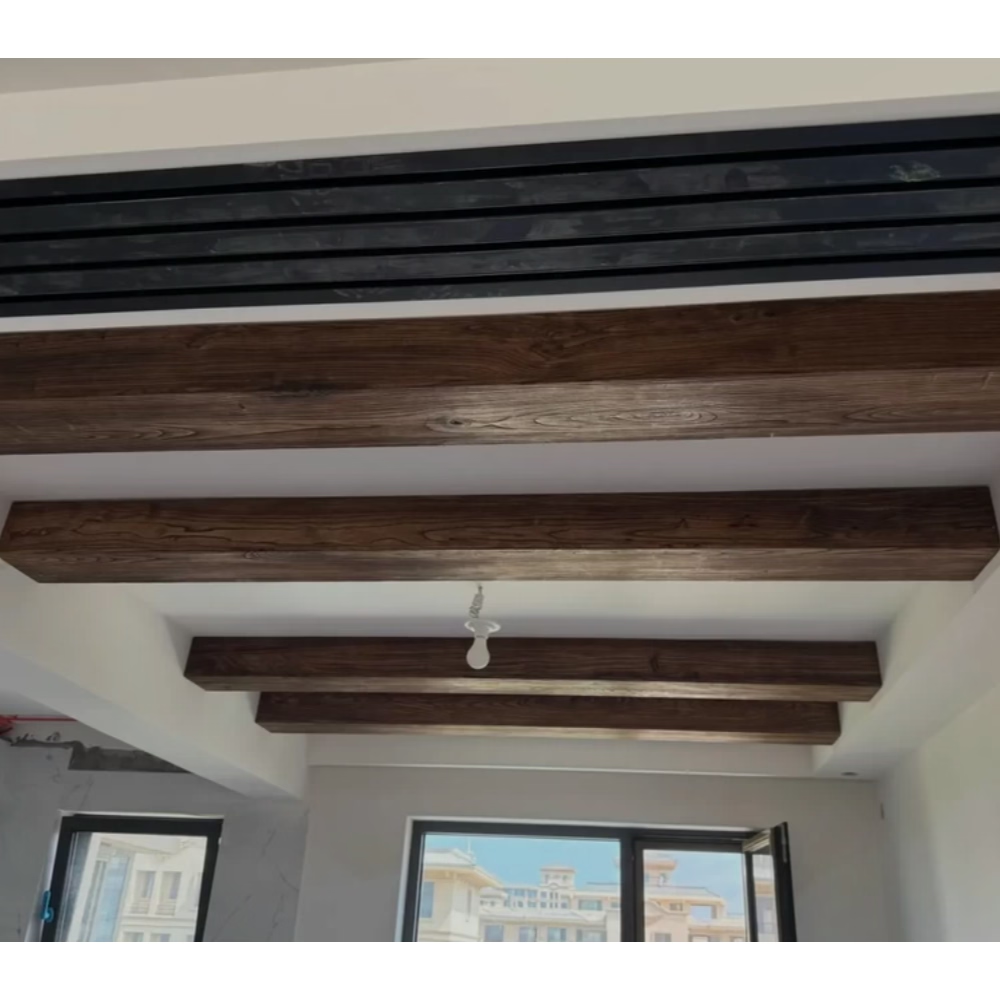
Cross-beam configurations create traditional timber frame aesthetics. Perpendicular beam intersections establish visual grid patterns that organize large ceiling expanses.
Single beam installations work in modest spaces where one substantial beam provides sufficient visual impact. Placement should align with room focal points like fireplaces or significant furniture groupings.
Scattered or random placement can suggest genuine timber frame origins where original beam locations responded to structural requirements rather than aesthetic planning. This approach requires careful positioning to avoid appearing accidentally placed.
Fascia and trim elements complete ceiling beam installations. Exposed ends, beam caps, and decorative accents enhance authenticity when details receive appropriate attention.
Material Performance Advantages
Polyurethane construction provides performance characteristics that support long-term rustic authenticity:
Dimensional stability prevents the warping, twisting, and checking that affect genuine timber over time. Rustic beams maintain appearance indefinitely without developing cracks or distortions that require repair.
Moisture resistance eliminates the expansion, contraction, and decay that limit timber installation locations. Bathrooms, kitchens, and humid climates accommodate polyurethane without special treatment.
Insect immunity prevents the termite and beetle damage that threatens timber in many geographic regions. Rustic authenticity comes without pest management concerns.
Cost-Benefit Analysis
Comparing rustic beam investments to alternatives requires comprehensive cost accounting:
Material costs for artisan faux beams exceed simple profile alternatives but fall below genuine hand-hewn timber.
Installation costs favor faux products due to lightweight handling and elimination of finishing labor.
Maintenance costs favor faux dramatically, with no refinishing, repair, or replacement required for decades.
Total lifecycle costs often favor quality faux products despite higher initial investment.
Professional Installation Considerations
Professional installation ensures authentic rustic results:
Experienced installers understand texture protection during handling and positioning.
Connection details receive attention that maintains authentic appearance at beam joints and intersections.
Coordination with other trades prevents conflicts between beam installation and lighting, HVAC, or structural elements.
Cleanup and protection during remaining construction prevents damage to finished beam installations.
Finish Coordination
Factory finishes on artisan beams can be supplemented with site finishing when project requirements demand:
Custom stain matching integrates beams with existing woodwork or specific design color targets.
Additional distressing creates aged appearance that complements genuinely antique architectural elements.
Sealer application in high-traffic or moisture areas adds protection without altering appearance.
Sample Evaluation Process
Physical sample evaluation should precede purchase decisions:
Request samples representing actual production quality, not handcrafted prototypes.
Evaluate texture depth under various lighting conditions that will exist in completed installations.
Compare samples against other materials specified for the project to verify coordination.
Test finish adhesion by attempting gentle scratching in inconspicuous areas.
Environmental Considerations
Polyurethane beam specification supports environmental objectives:
Long service life reduces replacement frequency and associated resource consumption.
Elimination of finishing chemicals reduces jobsite VOC emissions.
No harvesting of timber preserves forest resources that genuine beam production would consume.
Manufacturing efficiency and material optimization minimize waste generation during production.
Project Planning Timeline
Rustic beam projects benefit from adequate planning:
Design development should establish beam style, size, and placement early in process.
Lead time for custom finishes or non-standard sizes requires advance ordering.
Installation scheduling should coordinate with ceiling work and before finishing trades complete walls.
Final inspection should verify appearance before other trades obscure access for corrections.
Maintenance-Free Ownership
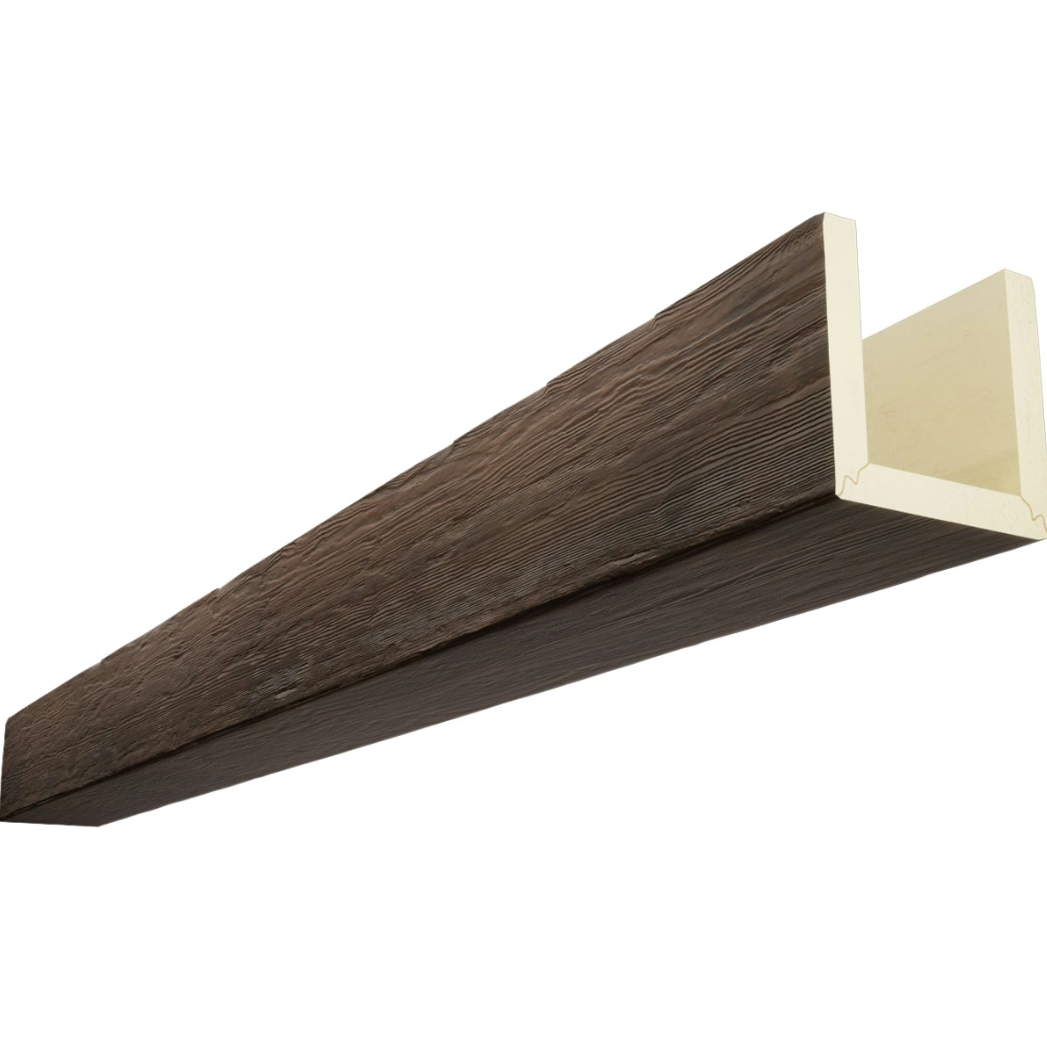
One of the most appealing aspects of polyurethane rustic beams is maintenance-free ownership. Unlike genuine timber that requires ongoing care, these beams maintain their appearance indefinitely with only occasional dusting.
This durability proves particularly valuable in challenging locations—high ceilings, complex geometries, and outdoor applications where maintenance access is difficult or disruptive. Once installed, quality beams provide decades of service without further attention.
Technical References
ASTM standards cited in every specification
Test Data
Lab results from internal testing program
Updated 2026
Reviewed against current product specs