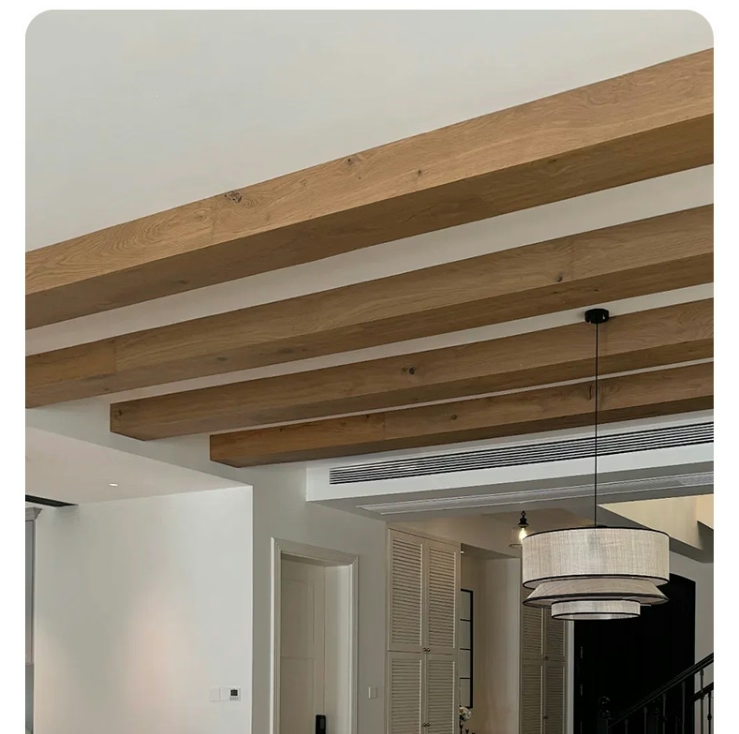
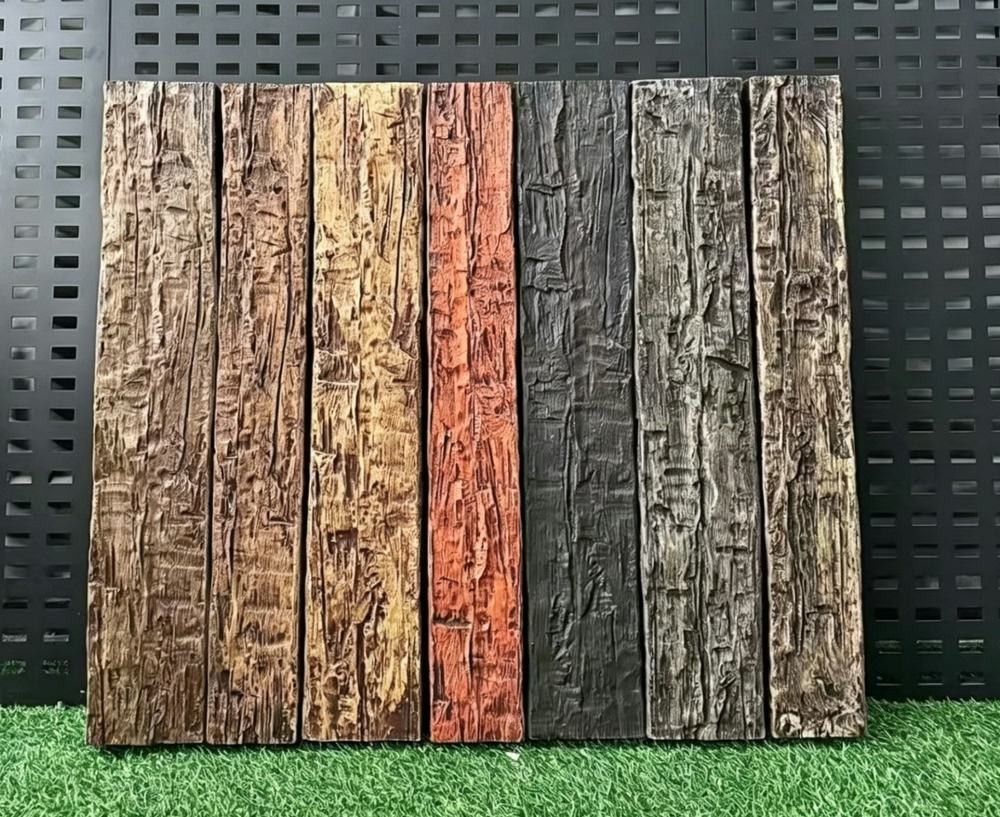
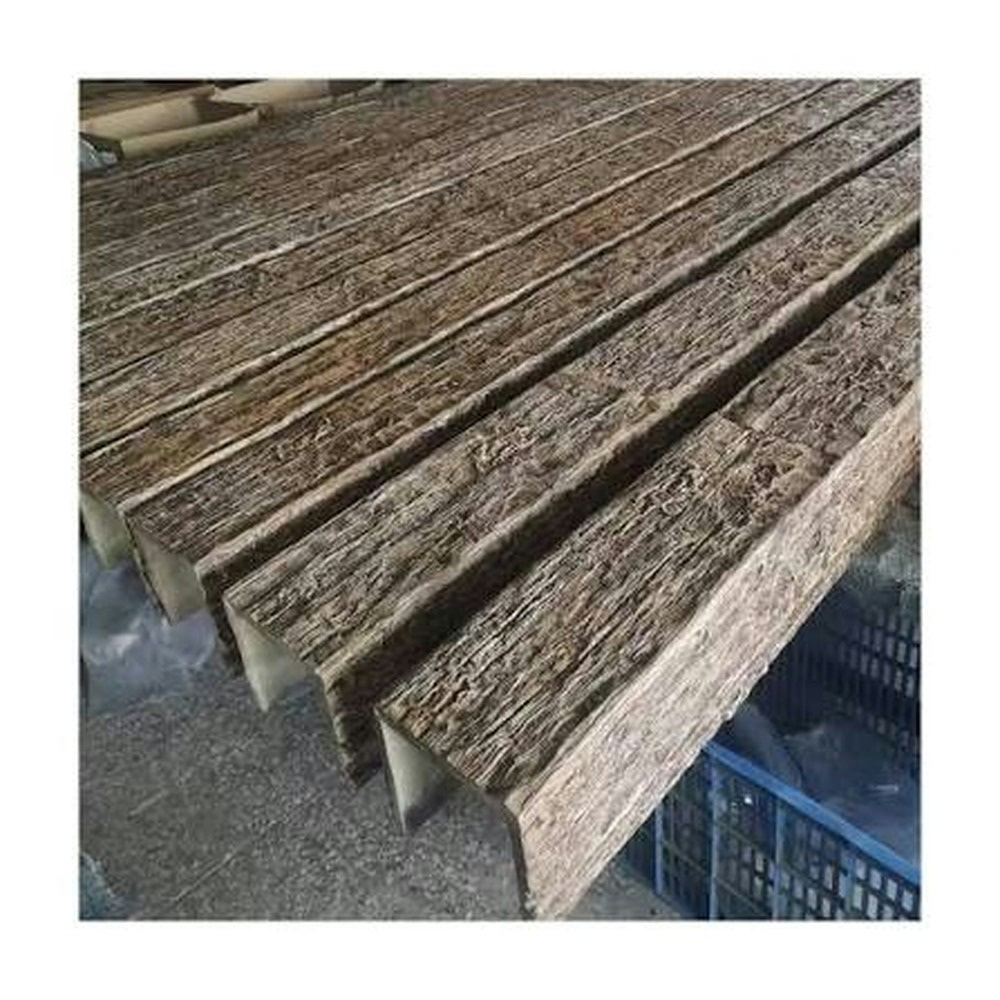
Artisan Hand-Scraped Texture PU Faux Beams for Authentic Wood Detail
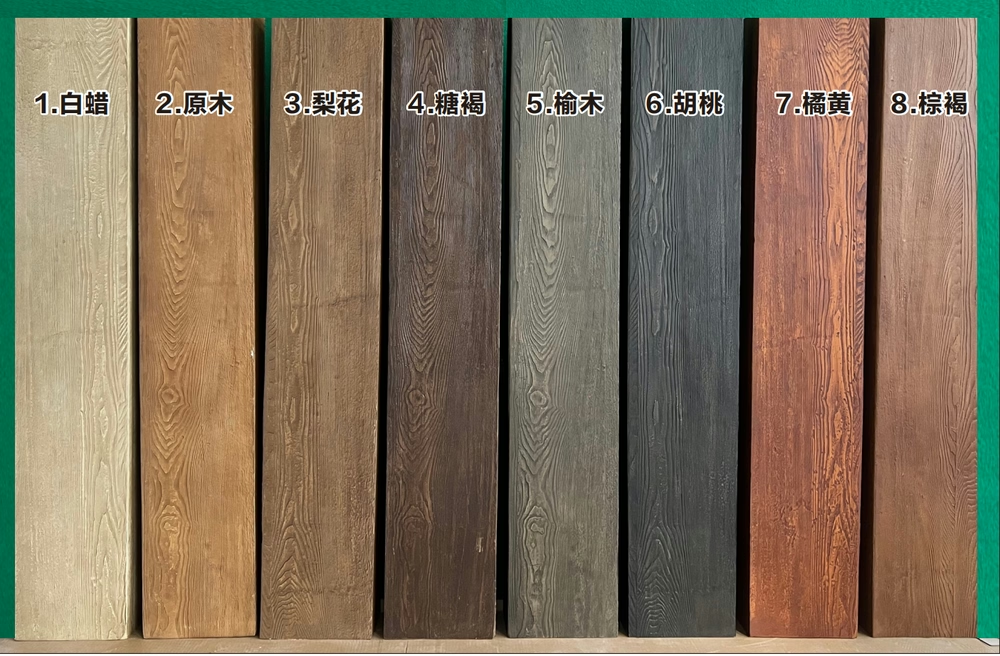
Hand-scraped wood finishes emerged as a technique for creating authentic wood character that machine-sanded surfaces cannot achieve. Artisan hand-scraped texture polyurethane faux beams capture this distinctive aesthetic with remarkable accuracy and durable performance.
Understanding Hand-Scraped Finishing
Traditional hand scraping predates modern sandpaper technology, serving as the primary method for achieving smooth wood surfaces. Skilled craftspeople drew hand-held scrapers across wood surfaces to remove material and create smooth, even textures.
Unlike mechanical sanding that creates uniform scratch patterns following tool direction, hand scraping produces characteristic curled shavings and variable surface characteristics. The resulting textures show subtle undulations that reflect the organic nature of the original material.
Contemporary appreciation for hand-scraped aesthetics values exactly these imperfections. The technique creates surfaces that look naturally smooth rather than mechanically processed.
Texture Reproduction Technology
Molded polyurethane technology enables authentic reproduction of hand-scraped textures:
Master patterns created from genuinely hand-scraped timber capture every nuance of authentic technique. Variable depth, directional patterns, and organic irregularities transfer to production molds with remarkable fidelity.
Premium polyurethane formulations accept texture details without the surface imperfections that plague lesser manufacturing methods. Each production beam reproduces hand-scraped character consistently across long production runs.
Post-molding finishing techniques enhance texture authenticity. Surface treatments can add subtle color variation and wear patterns that reinforce hand-crafted character.
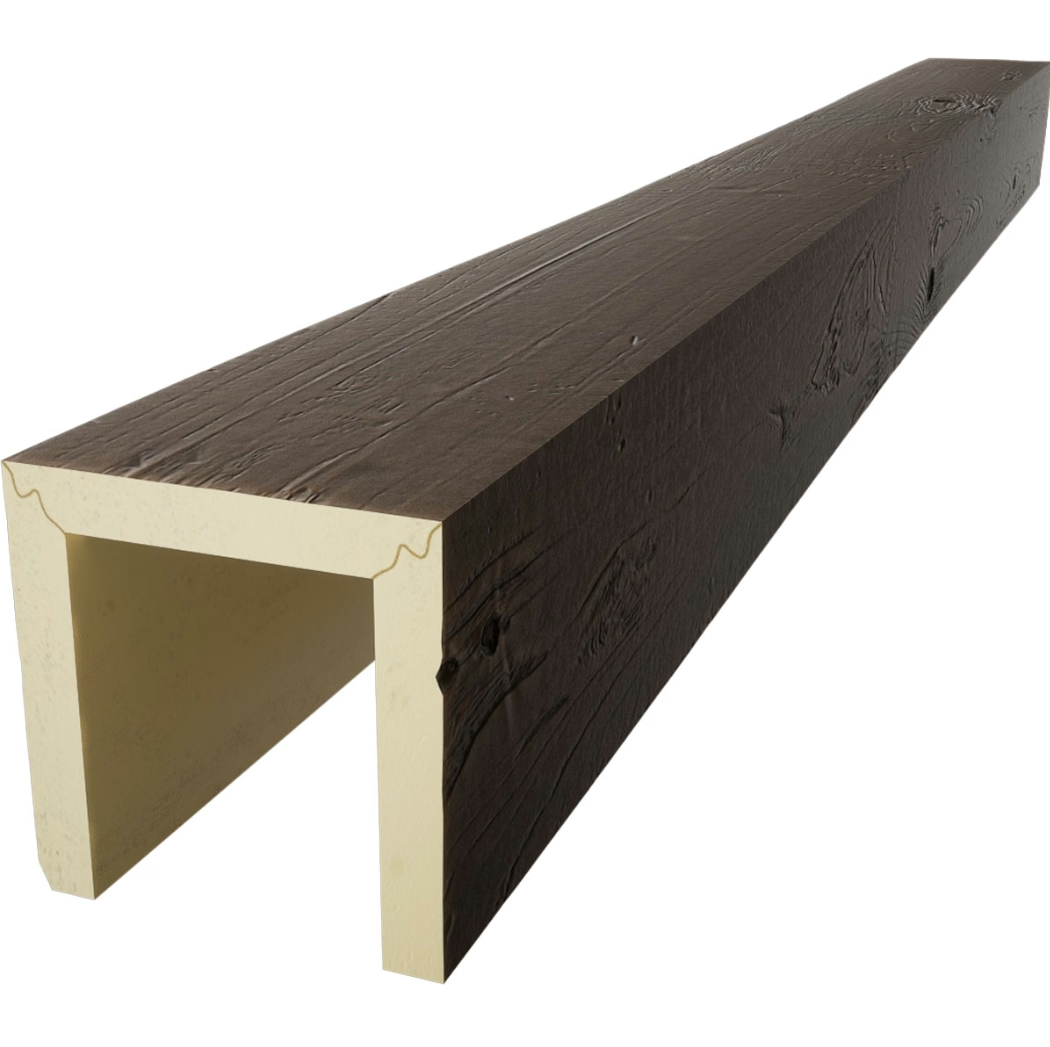
Characteristic Hand-Scraped Features
Quality hand-scraped texture beams display distinctive features:
Variable scratch depth creates visual interest through natural inconsistency. Some areas show deeper marks; others appear smoother, reflecting authentic working patterns.
Directional patterns follow wood grain in believable ways. The relationship between scraping direction and grain orientation appears natural rather than mechanically imposed.
Edge characteristics show evidence of hand work at corners and termini. Transitions between scraped and unscraped areas should appear organic rather than mechanical.
Subtle lipping at texture boundaries suggests the slight raised edges that authentic hand scraping creates.
Design Applications
Hand-scraped beams suit various interior styles:
Traditional and transitional interiors benefit from authentic wood character that hand-scraped textures provide. The technique's historical roots align naturally with classic design sensibilities.
Farmhouse and cottage aesthetics embrace hand-crafted details that hand-scraped surfaces deliver. These casual styles value authenticity over mechanical perfection.
Luxury interiors increasingly specify hand-crafted textures as differentiation from common millwork. The time-intensive technique suggests premium quality that justifies elevated pricing.
Integration with Wood Flooring
Hand-scraped beams pair naturally with wood flooring featuring complementary textures:
Matching wood species appearances create cohesive material palettes. When beam textures reference specific flooring species, the relationship feels intentional rather than coincidental.
Contrasting texture scales—smoother flooring with more pronounced beam textures—create visual hierarchy that organizes space effectively.
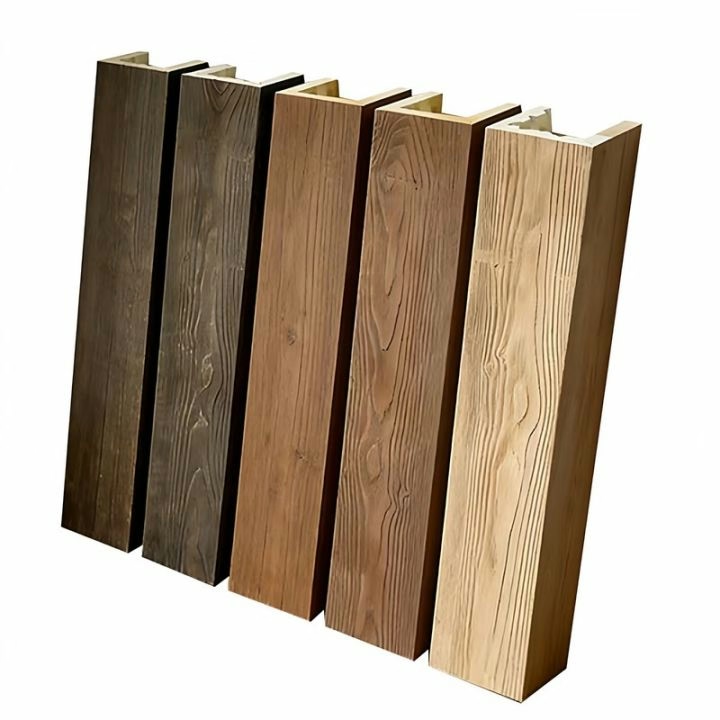
Color coordination ensures that beam and flooring tones relate harmoniously. Hand-scraped beams can match flooring directly or provide subtle contrast that adds visual interest.
Finishing Approaches
Hand-scraped textures accept various finish treatments:
Natural clear finishes preserve hand-scraped character while providing protection. The texture's subtle variations show through clear coatings that enhance rather than flatten.
Stain application adds warmth while maintaining texture visibility. Careful technique ensures that stain does not obscure hand-scraped details.
Color washing creates translucent coverage that unifies appearance while preserving texture depth. Multiple thin applications provide better results than single heavy coats.
Performance Advantages
Polyurethane construction provides durability that genuine hand-scraped timber cannot match:
Scratch resistance protects hand-scraped textures from damage during construction and normal service. The resilient material absorbs impacts that would dent or scratch wood.
Moisture resistance enables hand-scraped aesthetics in challenging environments. Kitchens, bathrooms, and basements where wood would suffer damage accommodate polyurethane alternatives.
The texture's inherent visual complexity masks minor surface accumulation. Dust and debris blend with texture variation rather than appearing as obvious soiling.
Installation Considerations
Hand-scraped beam installation requires attention to texture protection:
Careful handling prevents impact damage that could compress or chip texture details. Padding beneath clamp locations and careful positioning protect finished surfaces.
Visible texture means that mounting hardware placement requires planning. Concealed fastening maintains hand-crafted appearance without visible hardware.
Corner joints benefit from careful alignment that preserves texture continuity across connections. Field adjustment may be necessary when texture patterns don't align naturally.
Maintenance Requirements
Hand-scraped polyurethane beams require minimal maintenance:
Dust accumulation blends naturally with texture variation, reducing apparent soiling between cleanings.
Occasional cleaning with mild detergents maintains appearance without special treatment.
No refinishing, sealing, or repair work typically required for decades of service.
This maintenance simplicity contrasts sharply with genuine timber that requires regular attention to maintain appearance.
Quality Verification
Physical sample evaluation helps distinguish quality hand-scraped textures from inferior products:
Texture depth should include genuine three-dimensional relief rather than flat surface treatment.
Variation between areas should suggest authentic hand technique rather than mechanical repetition.
Edge definition should maintain character without appearing manufactured.
Color application should enhance texture rather than obscure authentic detail.
Investment Value
Premium hand-scraped beams command prices reflecting manufacturing complexity:
The additional production steps required for quality hand-scraped textures increase unit costs.
Artisan involvement in pattern development and quality verification adds to production overhead.
These premiums are justified when authentic character defines project success. Budget alternatives compromise the essential aesthetic that hand-scraped textures provide.
Long-Term Satisfaction
Quality hand-scraped beams provide lasting satisfaction that budget alternatives cannot match:
The authentic character remains appropriate indefinitely, avoiding the dated appearance that trend-driven finishes develop.
Durability ensures that initial investment returns value across decades of service.
Maintenance-free ownership eliminates ongoing attention that genuine timber requires.
These factors support investment in quality products despite higher initial costs.
Professional Consultation Benefits
Design professionals experienced with hand-scraped aesthetics provide valuable guidance:
Finish selection ensures appropriate color and sheen for specific design contexts.
Installation planning coordinates beam placement with other elements.
Quality verification confirms that selected products meet project standards.
Professional involvement typically improves outcomes significantly compared to unguided selections.
Custom Development Opportunities
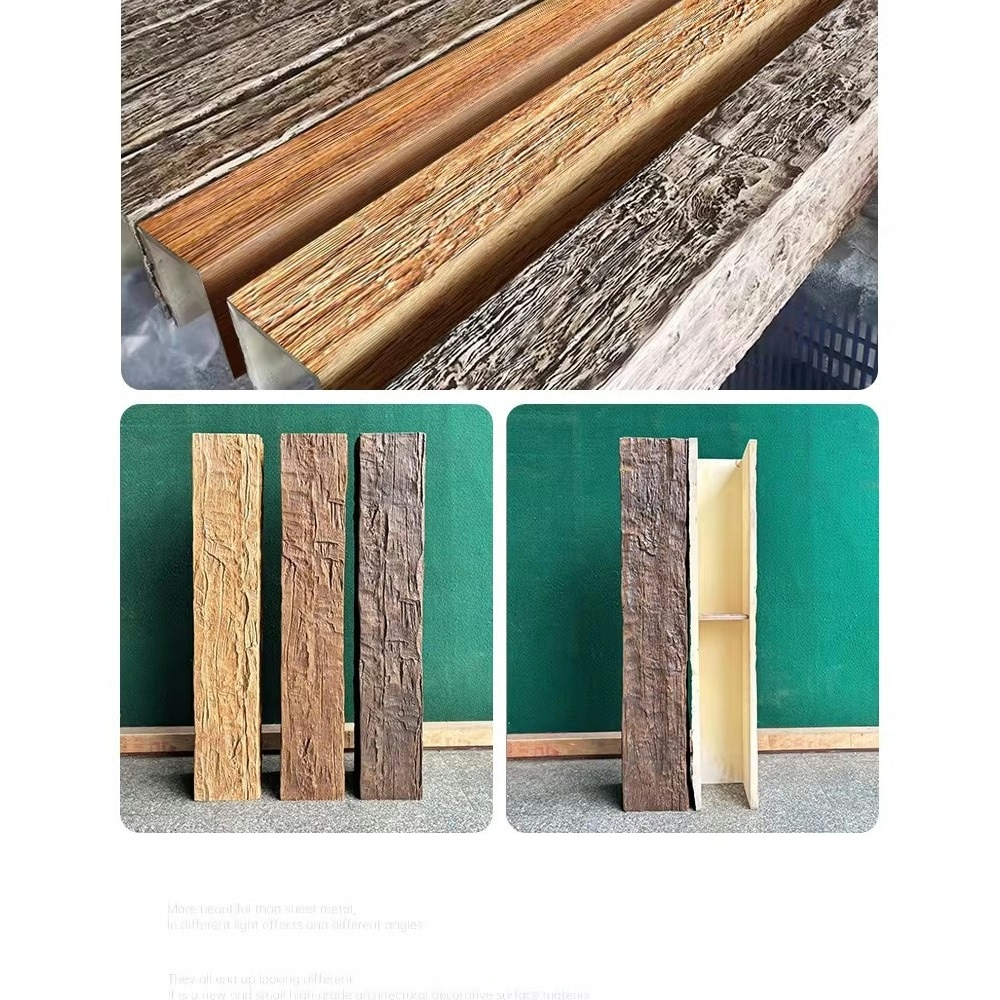
Manufacturers with custom capabilities can develop unique hand-scraped patterns:
Unique texture variations differentiate projects from standard product applications.
Custom color development enables precise matching to design specifications.
Special dimension capabilities address non-standard sizing requirements.
These customization options expand design possibilities beyond standard offerings for projects requiring distinctive results.
Technical References
ASTM standards cited in every specification
Test Data
Lab results from internal testing program
Updated 2026
Reviewed against current product specs