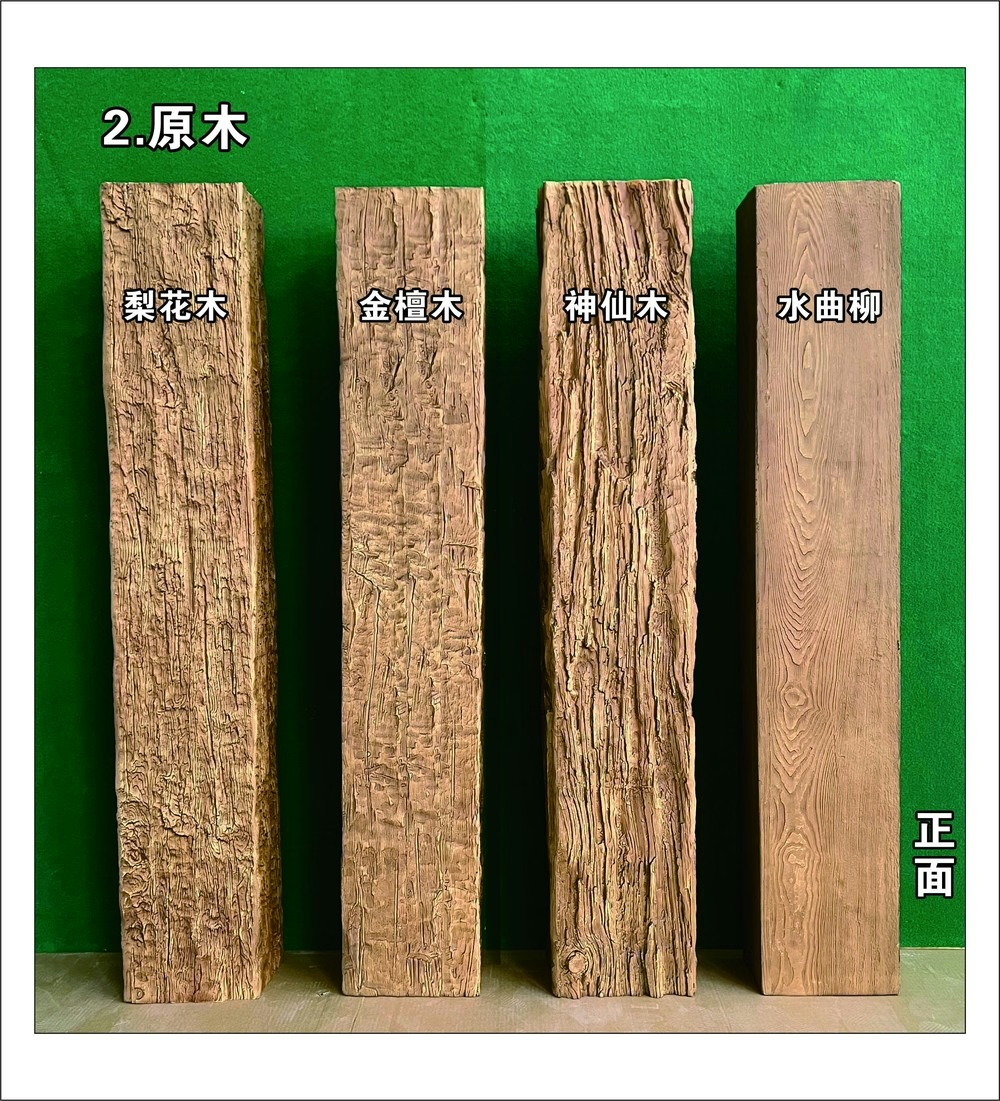
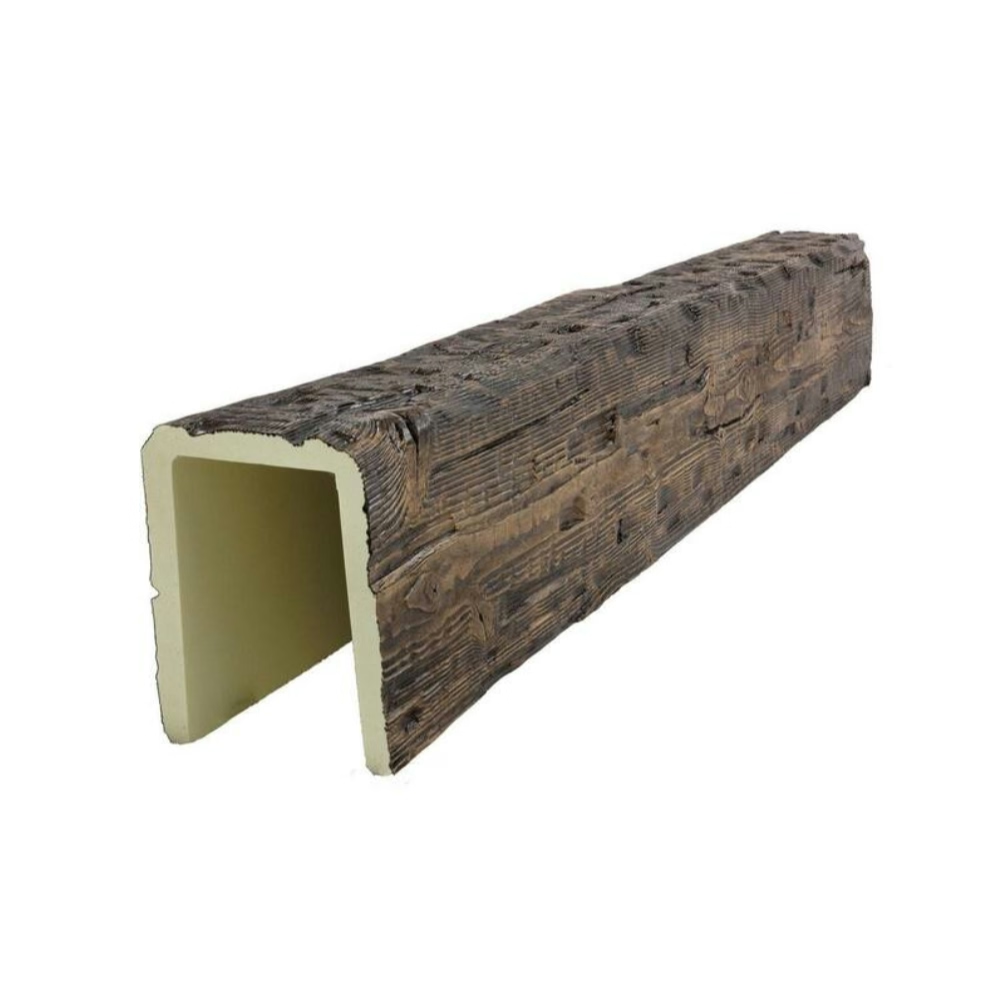
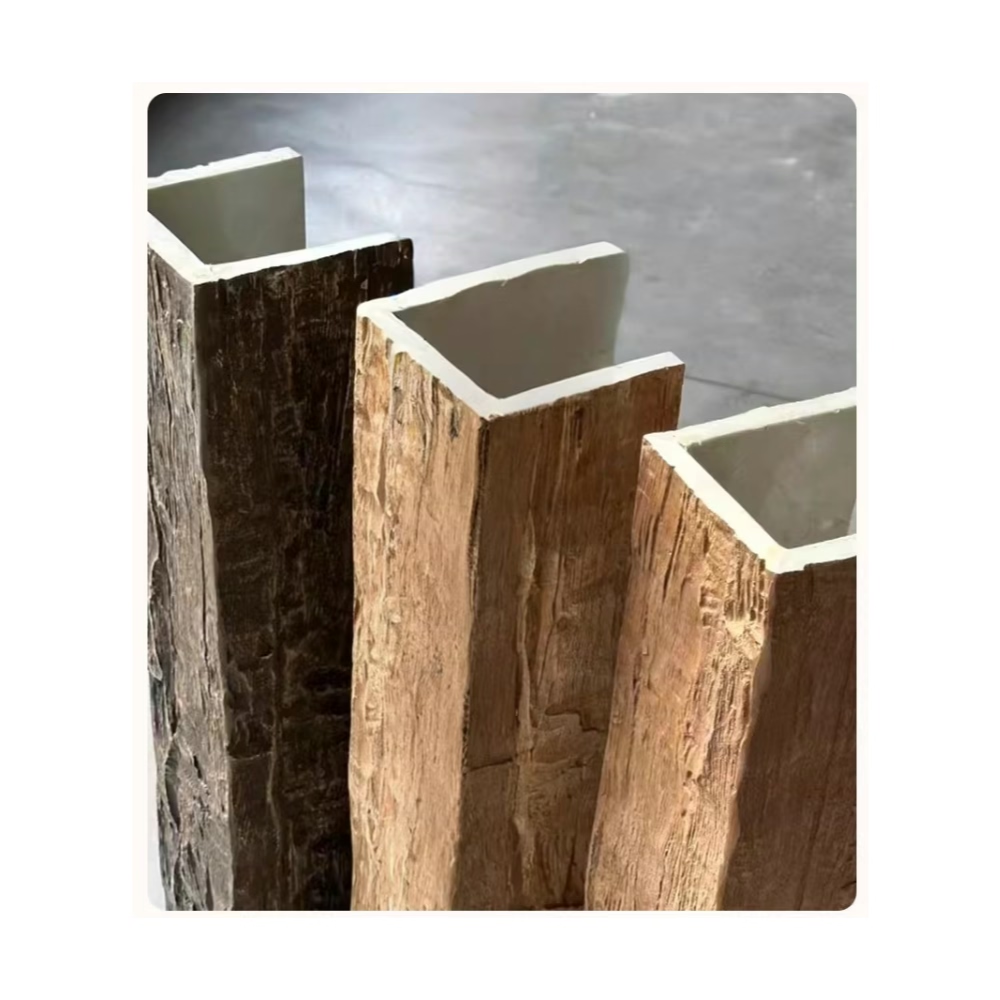
Building material innovation continues to transform construction possibilities. Among the most impactful developments in recent decades, polyurethane faux wood beams represent material science achievement that delivers authentic timber aesthetics without traditional wood's limitations. The 2026 building materials landscape increasingly recognizes these innovations as preferred solutions for applications where genuine timber presents practical challenges.
Lightweight construction benefits extend beyond mere convenience. Reduced structural loading, simplified installation, transportation efficiency, and design flexibility all emerge from material science innovation. Understanding these advantages helps architects, builders, and homeowners appreciate why polyurethane beams have become standard specification rather than alternative option.
Material science innovation
Polyurethane beam technology represents specific advances:
Closed-cell foam structure — engineered cellular composition providing strength with minimal density
High-density formulations — modern chemistry achieving structural capacity at reduced weight
Surface coating technology — advanced finishes providing durability and appearance quality
Manufacturing precision — computer-controlled production ensuring consistent quality
Material stability — chemistry resisting environmental degradation that affects organic materials
These innovations combine to create building materials previously impossible to produce.
Weight comparison analysis
Understanding weight differences clarifies innovation value:
| Material | Weight per Cubic Foot | 8-foot 6x6 Beam Weight |
|---|---|---|
| Solid Oak | 45 lbs | 90 lbs |
| Solid Pine | 30 lbs | 60 lbs |
| Hollow PU | 5 lbs | 10 lbs |
| Hollow PU Premium | 7 lbs | 14 lbs |
The weight difference is dramatic — PU beams achieve similar visual presence at 15-25% of genuine timber weight.

Structural loading benefits
Reduced weight creates specific structural advantages:
Ceiling loading reduction — standard residential ceilings accommodate PU beams without reinforcement
Seismic performance — lighter materials respond better to earthquake forces
Building code compliance — reduced loads simplify code compliance documentation
Existing structure compatibility — PU beams install in older buildings where solid timber would be problematic
Transportation efficiency — lighter products enable more efficient shipping
Installation safety — reduced weight decreases installer injury risk
These structural benefits expand application possibilities significantly.
Installation innovation advantages
Lightweight construction transforms installation:
Single-person handling — many specifications manageable without assistance
Reduced equipment requirements — standard tools suffice for most installations
Faster installation times — simpler handling accelerates project completion
Occupied space installation — lighter materials easier to maneuver in furnished spaces
Retrofit applications — existing buildings accommodate PU beams where structural modification would be required for timber
High ceiling accessibility — lighter materials easier to lift and position in elevated locations
These advantages make ambitious projects feasible that would be impractical with traditional materials.
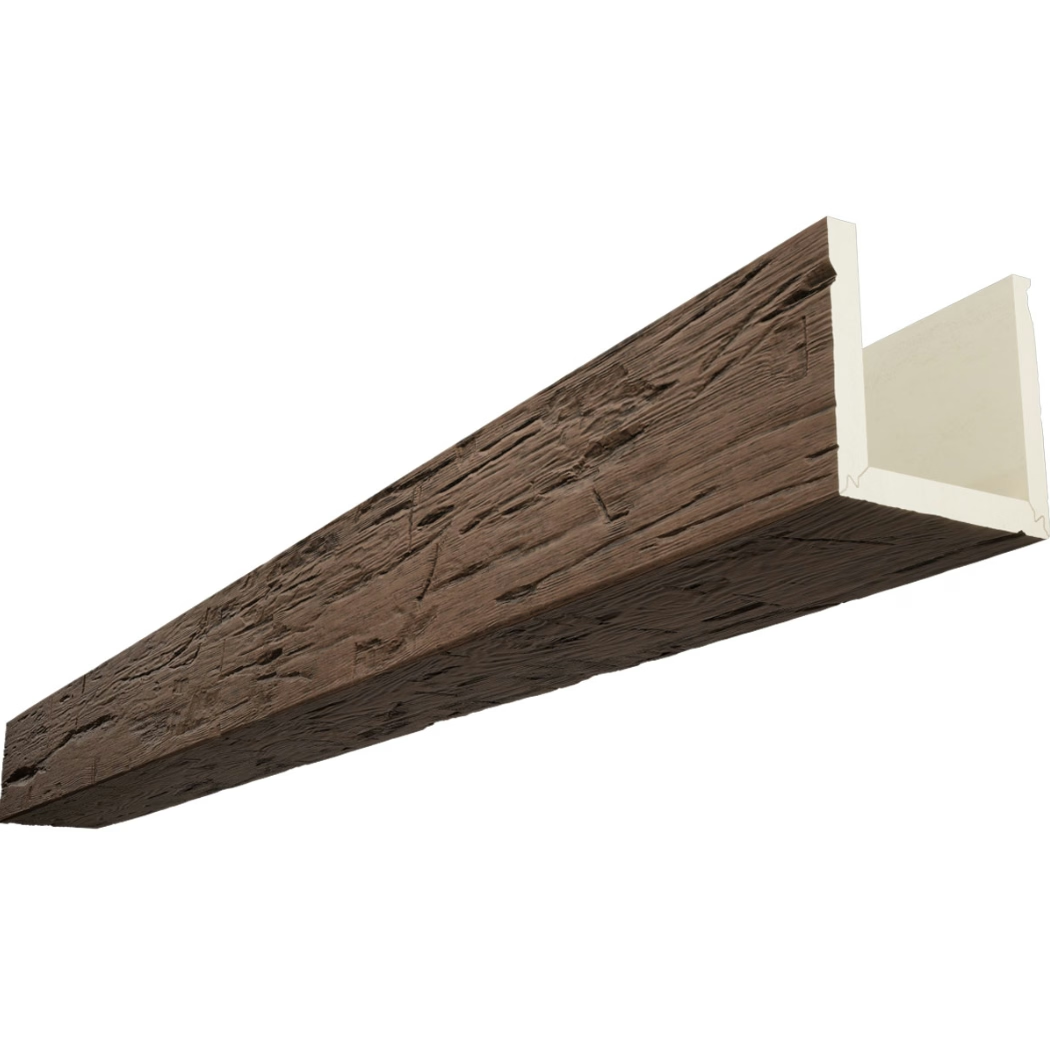
Performance innovation
Beyond weight, PU beams offer performance innovations:
Moisture immunity — no swelling, warping, or decay from water exposure
Biological resistance — insects, mold, and fungi cannot affect polyurethane
Dimensional stability — consistent dimensions across temperature and humidity ranges
Color stability — UV-stable formulations resist fading
Fire performance — modern formulations meet code requirements
Long service life — 25+ year typical service without degradation
These performance innovations address failure modes that limit organic material applications.
Environmental innovation
Modern building materials address environmental concerns:
Reduced resource consumption — PU beams require less raw material than solid timber equivalents
Transportation efficiency — lighter products reduce shipping fuel consumption
Long service life — extended durability reduces replacement frequency
Recyclability — modern formulations enable material recovery at end of service
Manufacturing efficiency — modern production methods minimize waste
Carbon footprint — lifecycle analysis often favors PU over alternatives
These environmental benefits align with sustainable construction priorities.
Application innovation
Lightweight materials enable new applications:
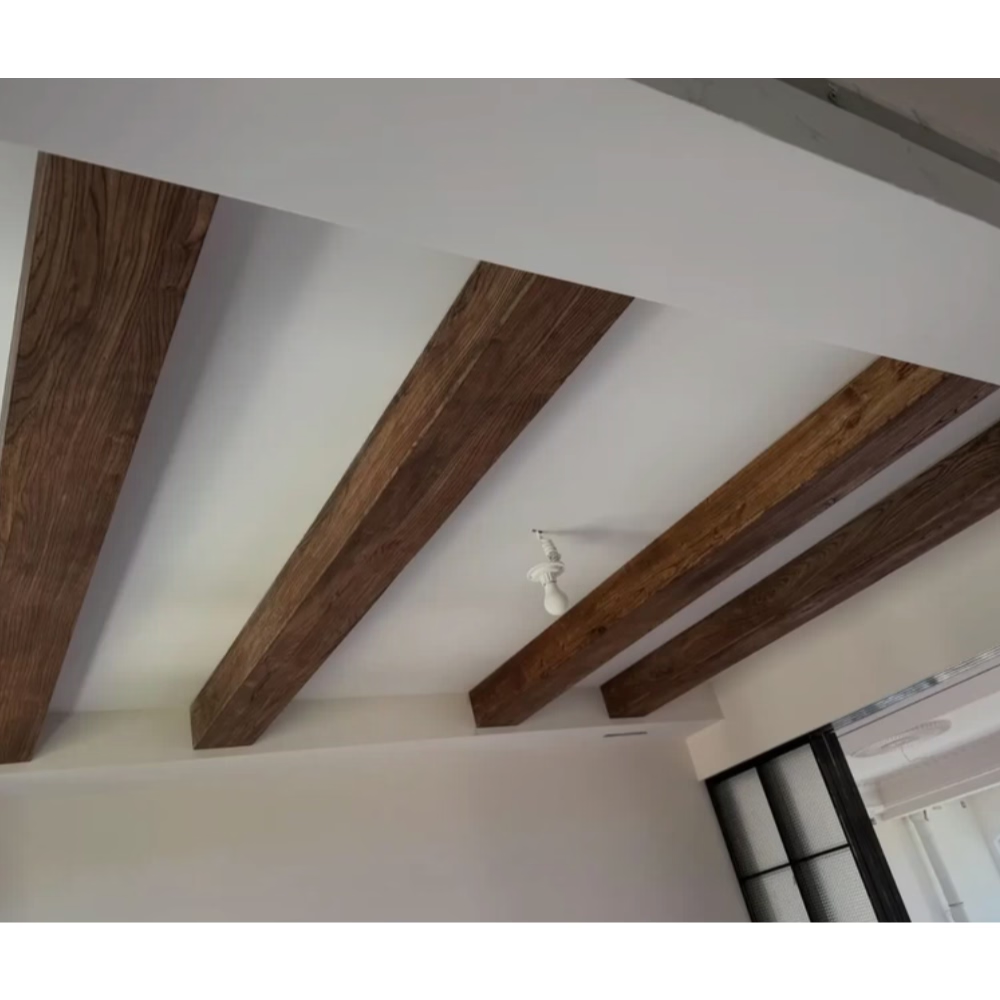
Suspended ceiling integration — PU beams install in drop ceiling and T-bar systems
Portable installations — exhibition and event applications become practical
Modular construction — prefabricated components incorporate beam elements
Historic renovation — existing structures accommodate modern beam additions
High-rise applications — upper floor installations become feasible
Specialty environments — clean rooms, museums, and sensitive locations accommodate PU beams
These applications were impractical with traditional heavy timber materials.
Manufacturing innovation
Modern production methods enable quality at scale:
CNC mold production — precision tooling ensures consistent quality
Automated mixing systems — computer-controlled chemistry ensures formulation consistency
Quality control integration — systematic testing throughout production
Custom capability — project-specific requirements accommodated through flexible manufacturing
Capacity scaling — production capacity meets growing market demand
Cost efficiency — manufacturing scale drives competitive pricing
These manufacturing innovations make quality PU beams widely accessible.
Specification innovation
Modern specifications reflect material capabilities:
Standardized profiles — consistent dimensions enable reliable specification
Performance documentation — manufacturer specifications provide performance data
Code compliance support — documentation assists building code compliance
Warranty programs — manufacturer confidence demonstrated through warranty offerings
Technical support — manufacturer expertise supports project specification
Sample programs — physical samples enable specification verification
These specification innovations support confident material selection.
Comparison with alternative materials
How PU beams compare to alternatives:
Versus solid timber — PU offers lighter weight, moisture immunity, biological resistance at modest appearance tradeoffs in premium tiers
Versus MDF — PU provides moisture immunity, lighter weight, and more authentic texture
Versus foam alternatives — PU offers superior durability, finish quality, and structural capacity
Versus metal — PU provides warm appearance, lighter weight, and easier installation
Versus other synthetics — PU offers proven track record, established manufacturing, and verified performance
These comparisons help in appropriate material selection for specific applications.
Future innovation directions
Material science continues advancing:
Enhanced sustainability — bio-based polyurethane formulations in development
Improved texture technology — even higher fidelity timber reproduction
Smart material integration — sensors and technology within beam structures
Enhanced performance — improved fire ratings, impact resistance, durability
Customization advancement — easier project-specific customization
Manufacturing efficiency — continued cost reduction through production optimization
These directions suggest continued innovation benefits.
Building material recognition
PU beams have earned recognition in building material categories:
Architectural specifier preference — increasingly specified for commercial projects
Builder confidence — established track record with construction professionals
Code acceptance — recognized in building codes for various applications
Trade publication coverage — featured in construction and design publications
Industry awards — recognized for material innovation achievements
Sustainability certification — qualifying for green building programs
These recognitions confirm PU beam position in the building material landscape.
Innovation value summary
Polyurethane faux wood beams represent genuine building material innovation:
- Material science achievement combining appearance with performance
- Practical advantages in weight, installation, and longevity
- Environmental benefits through efficiency and durability
- Application expansion enabling previously impractical projects
- Continued innovation promising future improvements
- Recognized quality in professional building material specifications
For projects benefiting from innovative lightweight construction with authentic timber aesthetics, PU beams deliver appropriate material specification.
Material innovation specification
Choose PU faux wood beams when projects benefit from innovative lightweight construction materials delivering authentic timber aesthetics with practical advantages unavailable from traditional alternatives.
Technical References
ASTM standards cited in every specification
Test Data
Lab results from internal testing program
Updated 2026
Reviewed against current product specs