Basement Bar & Media Room PU Faux Wood Beams for Low Ceiling Upgrades
Finished basements represent one of the highest-value return-on-investment renovation projects in residential construction. Transforming unfinished basement space into entertainment areas, home theaters, or man caves creates usable square footage without the expense of home additions. Ceiling treatment dramatically influences basement ambiance, and low-profile polyurethane faux beams offer an effective ceiling upgrade strategy that works within basement dimensional constraints.
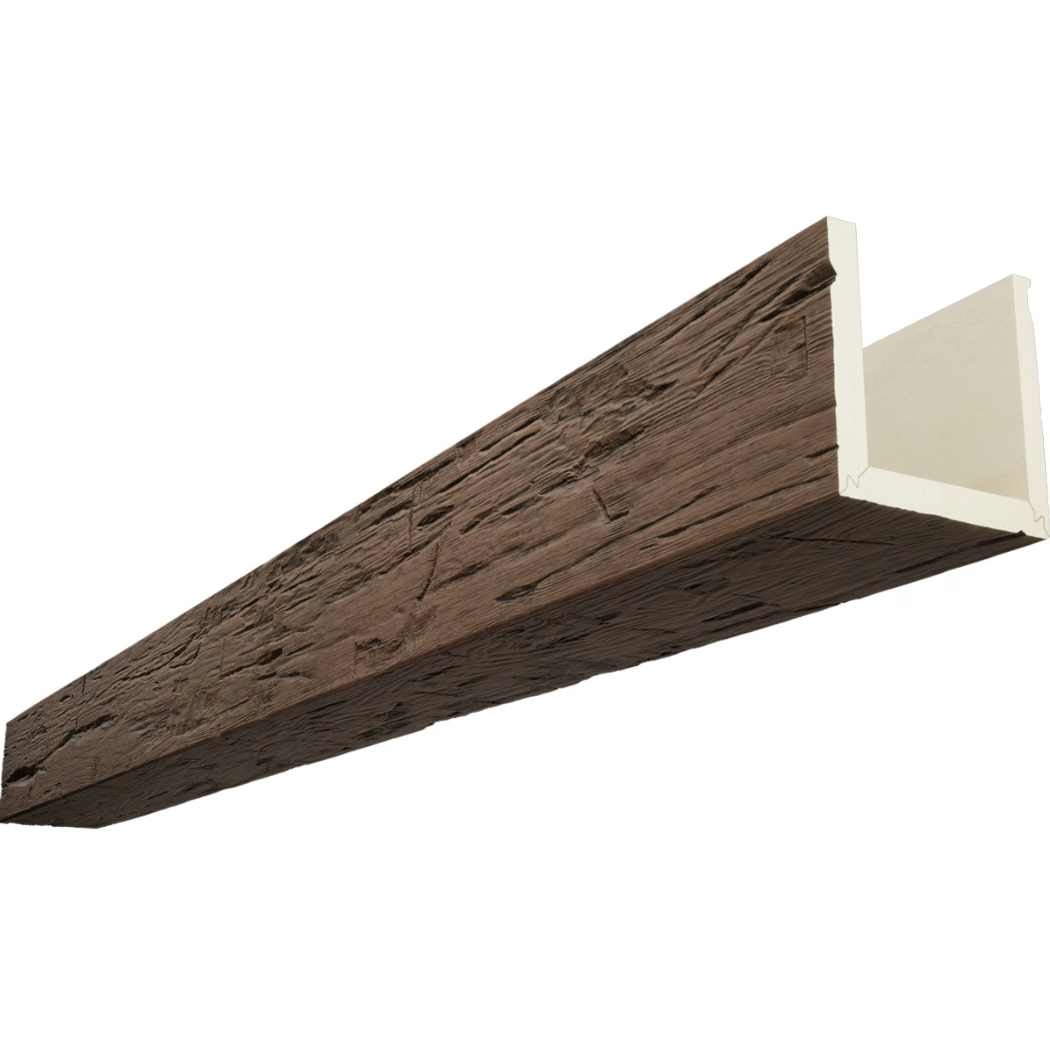
Standard ceiling height expectations pose challenges in basement renovation contexts. Original foundation construction, ductwork routing, and beam intrusion create irregular ceiling surfaces that finished basements must address. Adding substantial depth to ceiling surfaces risks pushing already-modest ceiling heights below comfortable thresholds. Lightweight polyurethane faux beams solve this dilemma by providing significant visual impact with minimal actual depth.
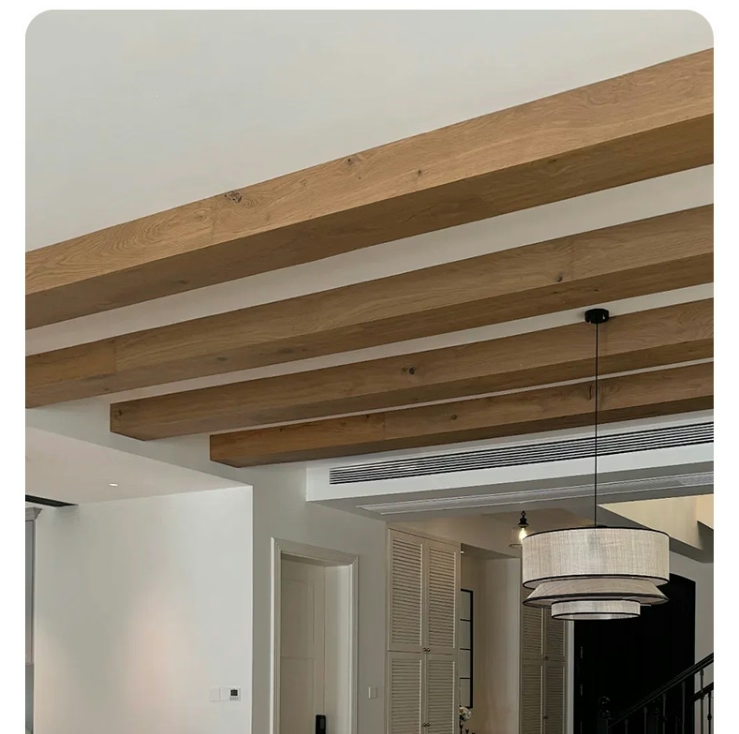
Selection of appropriate beam profiles becomes crucial in low-ceiling basement applications. Smaller-scale beam profiles—6 to 8 inches in depth rather than 12-inch or larger alternatives—maintain visual presence without overwhelming modest ceiling heights. Running beams perpendicular to joists rather than parallel creates visual interest while keeping individual beam depth requirements lower.
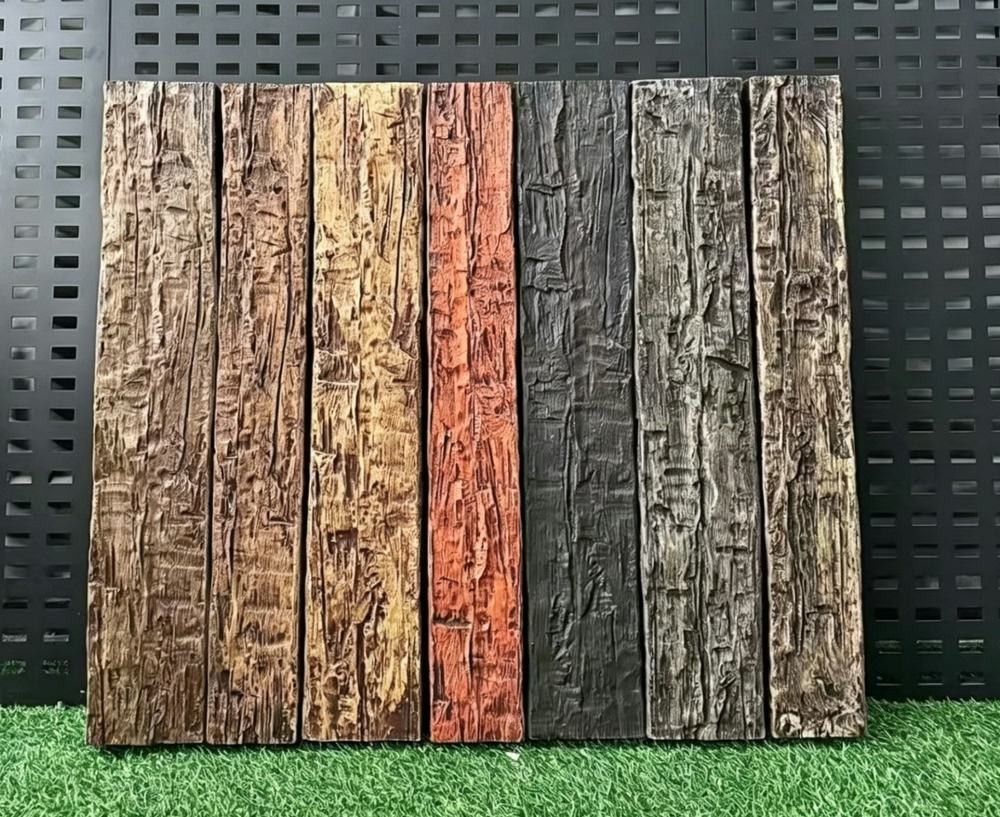
Color and finish selection influences perceived ceiling height more than most homeowners realize. Dark-stained beam finishes ground ceiling surfaces visually, potentially emphasizing low ceiling conditions. Lighter finishes—natural oak tones, blonde wood, or painted white—reflect light upward, creating subtle ceiling height illusions that complement low-profile beam installations.
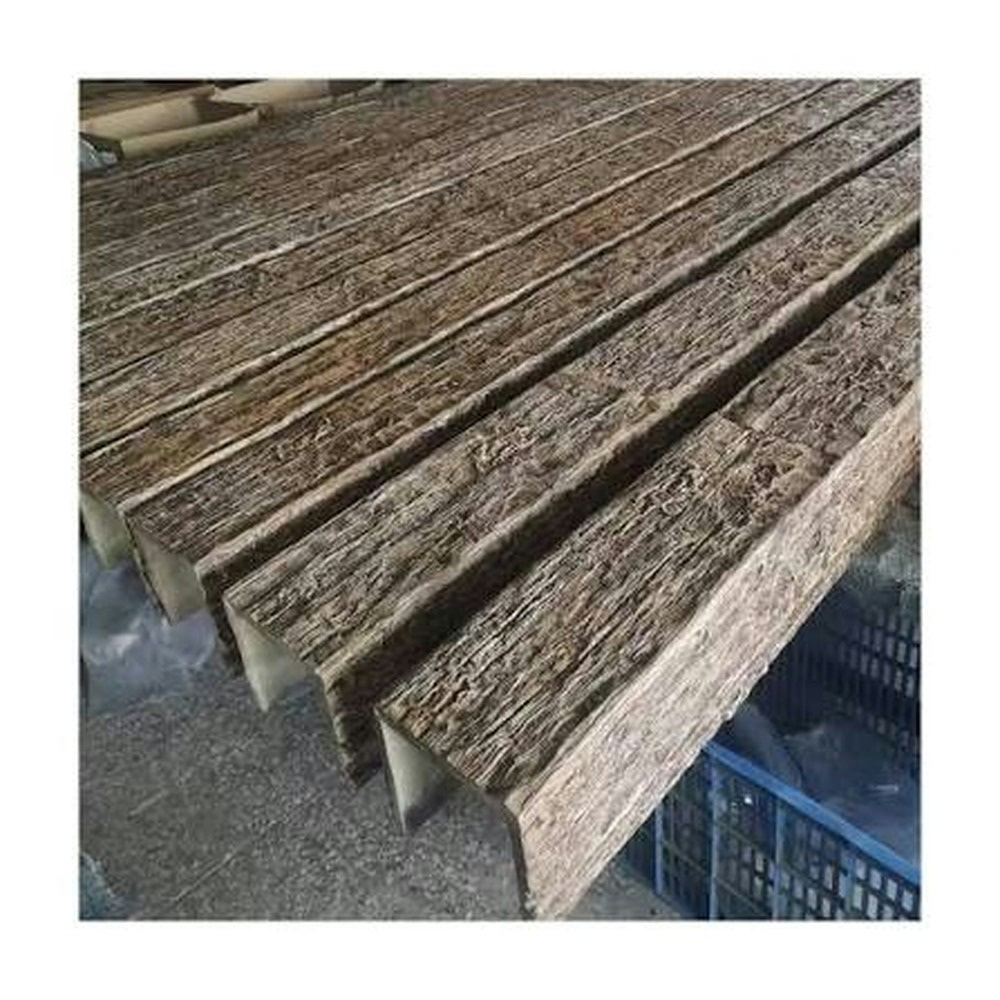
Lighting integration enhances basement beam installations significantly. Recessed LED strips within beam cavities create ambient lighting that softens basement atmosphere while avoiding the harsh overhead glare common in unfinished basement spaces. The structural cavities of hollow-core polyurethane beams conveniently accommodate wiring without requiring ceiling cavity fishing operations.
Humidity management deserves consideration in basement applications. While polyurethane resists moisture absorption more effectively than authentic wood, basements present elevated humidity conditions that can affect adjacent materials and finishes. Ensuring adequate dehumidification, proper ventilation, and climate control creates conditions where faux beam installations maintain appearance without environmental stress.
Technical References
ASTM standards cited in every specification
Test Data
Lab results from internal testing program
Updated 2026
Reviewed against current product specs