Beginner's Guide: What Are Faux Wood Ceiling Beams & Their Benefits
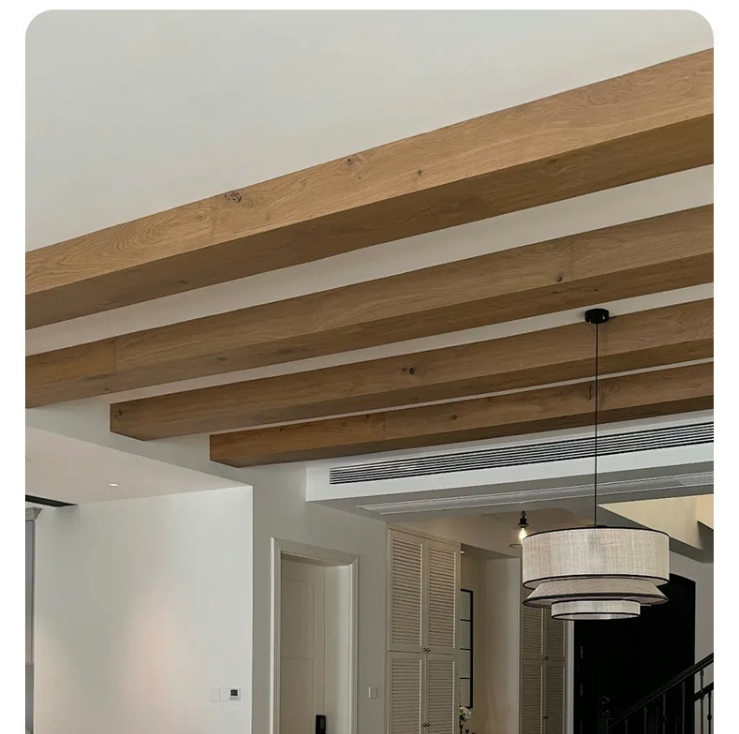
Faux wood ceiling beams represent architectural millwork products manufactured from non-wood materials to replicate the appearance of authentic timber beams. Polyurethane dominates the manufacturing landscape, though alternative materials including high-density polyurethane foam, fiberglass, and medium-density fiberboard with wood veneer finishes serve specific application contexts. Understanding what these products are—and what they offer—helps homeowners and design professionals make informed decisions about ceiling upgrade options.
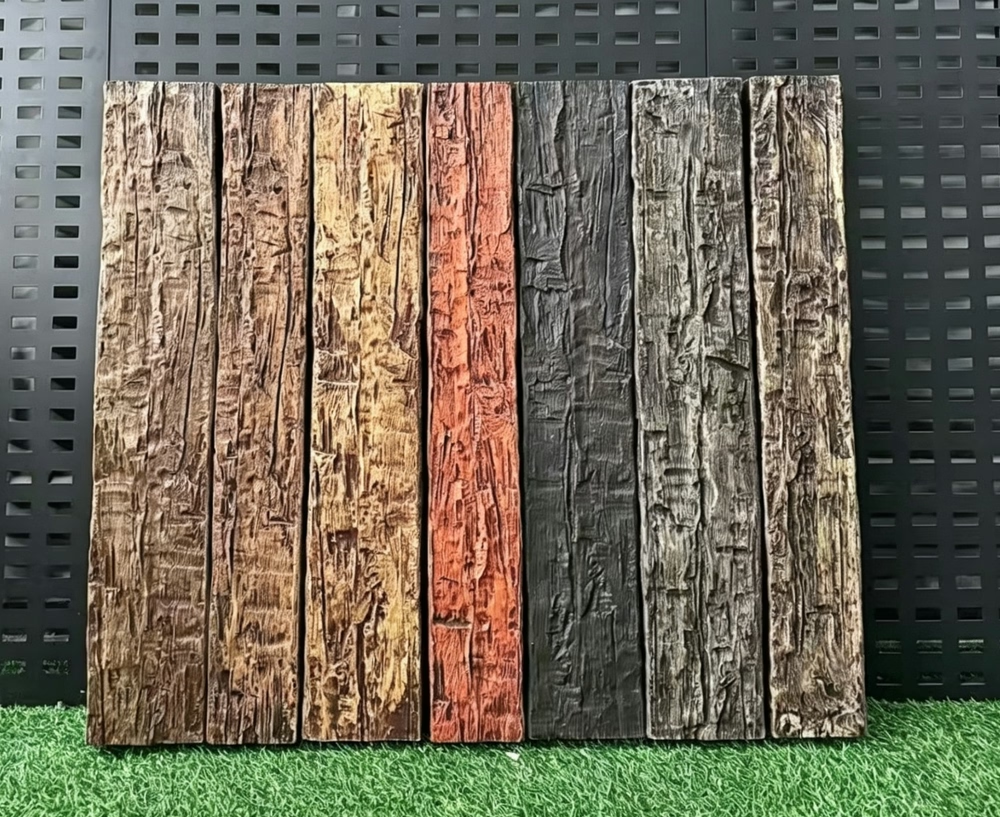
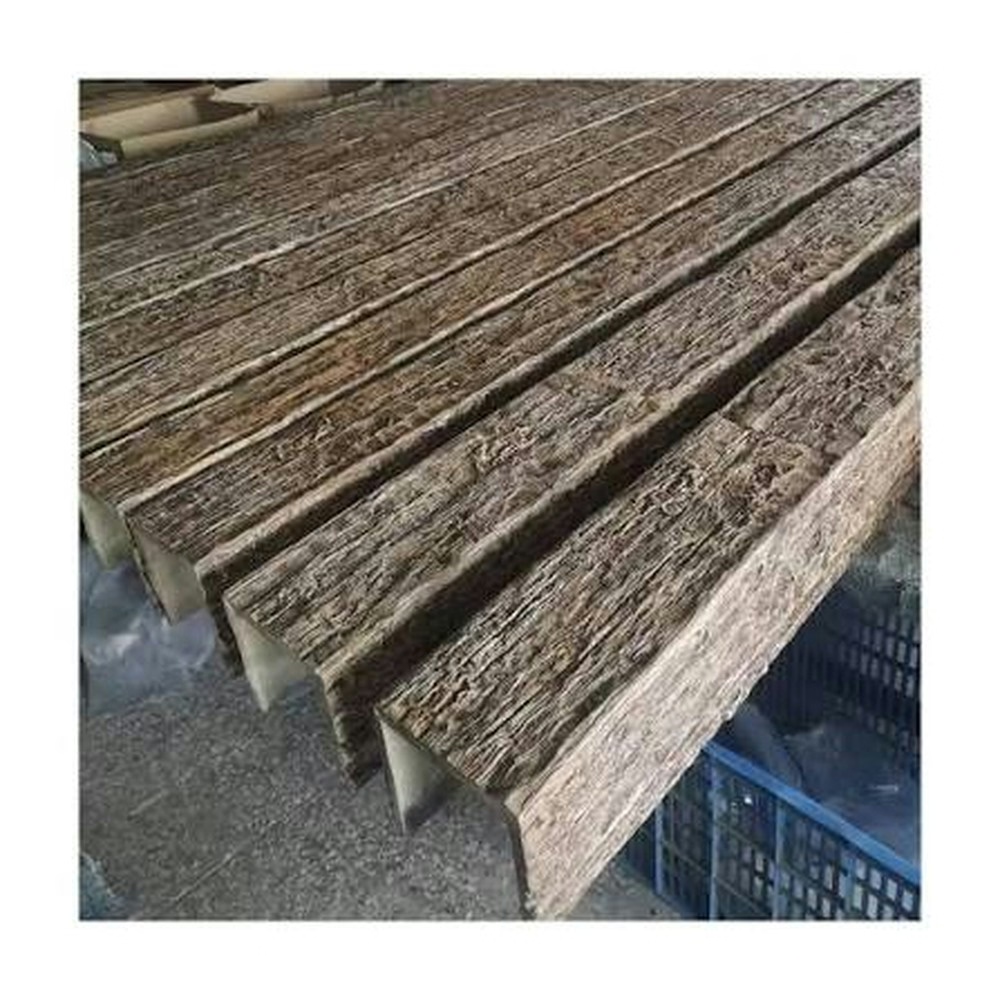
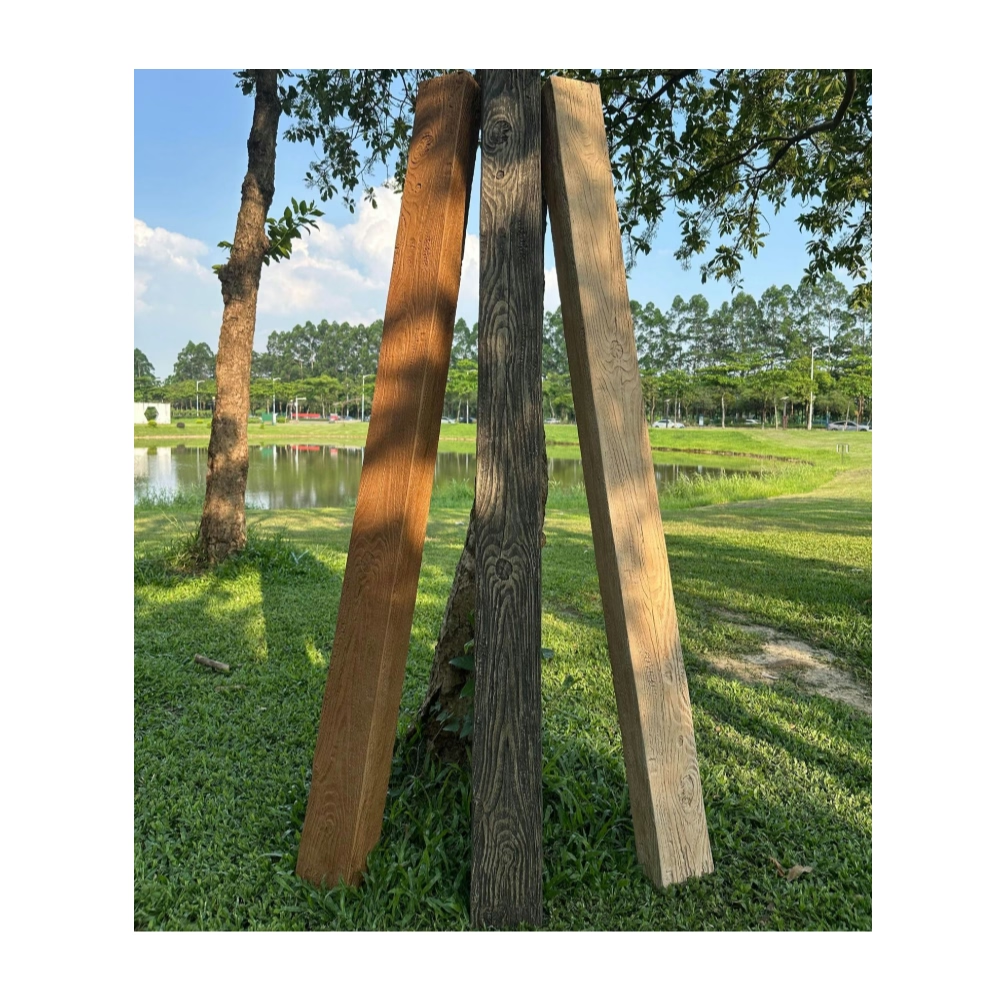
Manufacturing processes for polyurethane faux beams begin with profile molds derived from authentic timber scans or traditional millwork patterns. High-density polyurethane formulations fill these molds under controlled pressure and temperature conditions, producing beam shells with precisely reproduced surface details. Wood grain textures, knot patterns, and natural figure variations transfer from master molds to production pieces with remarkable fidelity.
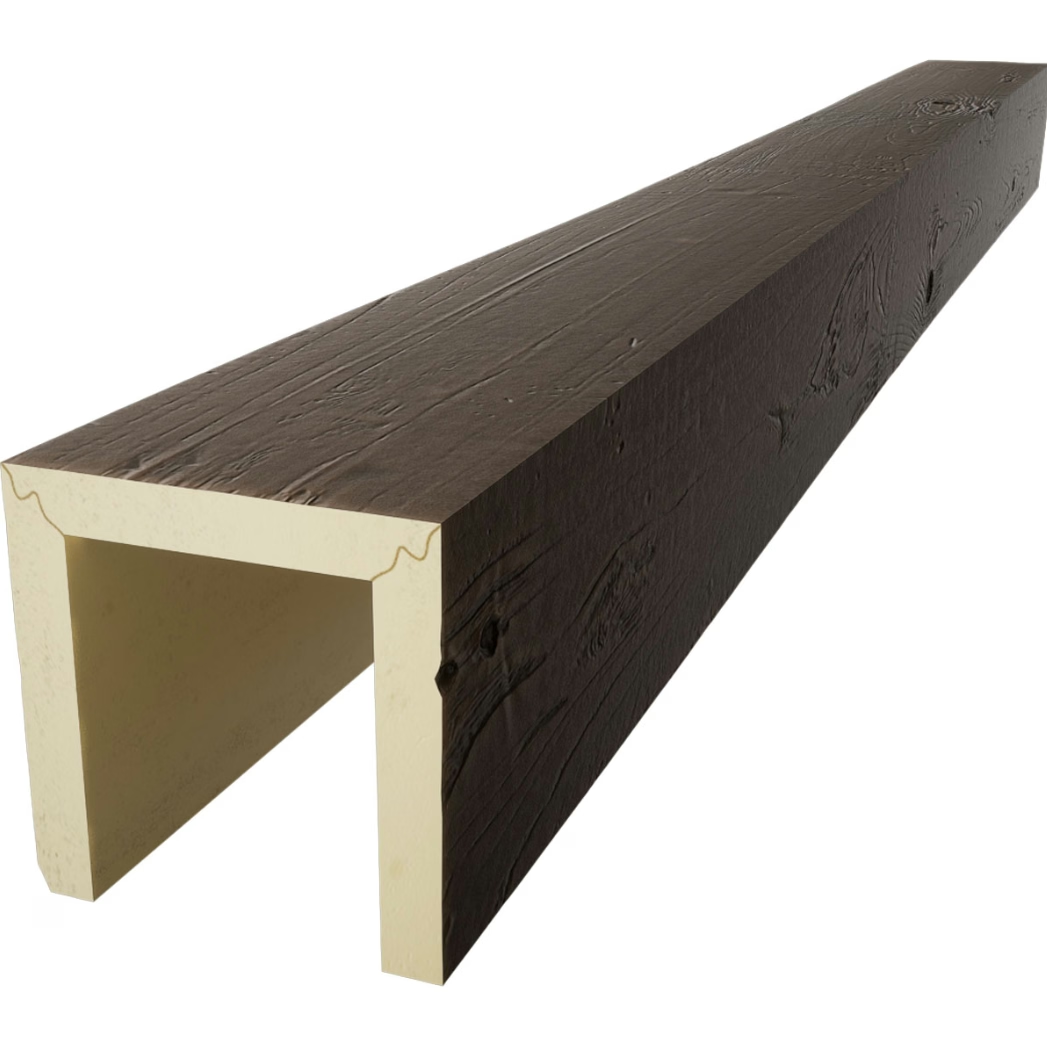
The hollow-core construction common to most polyurethane faux beams achieves weight reduction through internal void spaces that maintain external dimensional accuracy. Wall thickness typically ranges from 3/8 to 1/2 inch, providing sufficient material for mounting hardware engagement, surface finishing, and impact resistance while minimizing overall weight.
Benefits beyond aesthetic replication distinguish quality faux beams from simple appearance mimics. Authentic timber requires ongoing maintenance against moisture damage, insect infestation, and structural deterioration—expenses that compound over building lifetimes. Polyurethane resists these degradation mechanisms, maintaining appearance without treatment or replacement in most installation contexts.
Fire performance represents a critical specification for commercial applications. Quality polyurethane faux beams incorporate fire retardant formulations that achieve acceptable flame spread and smoke development ratings, enabling code compliance in applications where authentic timber might require additional treatment or might not satisfy fire codes at all.
Cost advantages extend beyond material acquisition. Authentic timber installation requires structural assessment, specialized hardware, and often professional labor due to weight handling challenges. Faux beam installations eliminate these expense categories, reducing total project costs by 50-70% compared to equivalent timber installations.
Technical References
ASTM standards cited in every specification
Test Data
Lab results from internal testing program
Updated 2026
Reviewed against current product specs