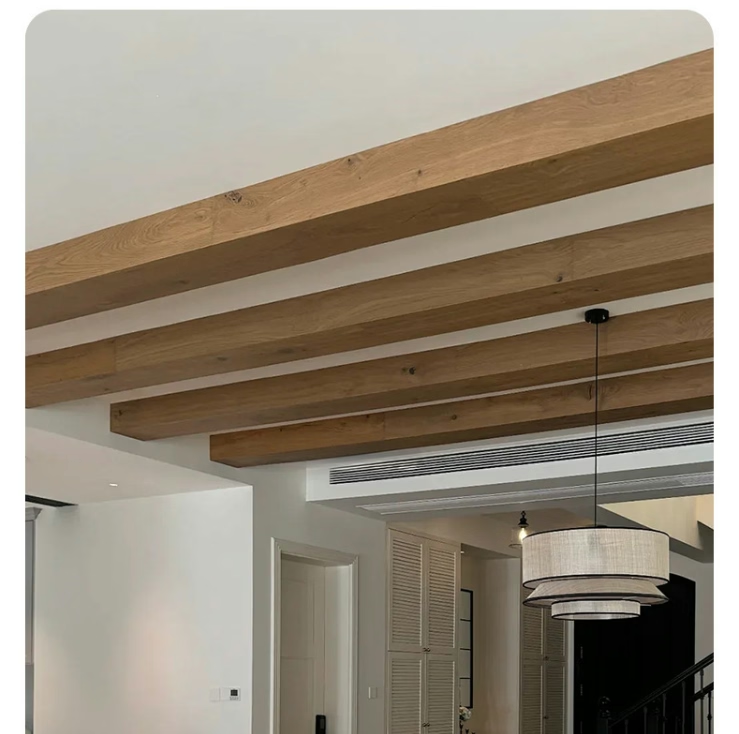
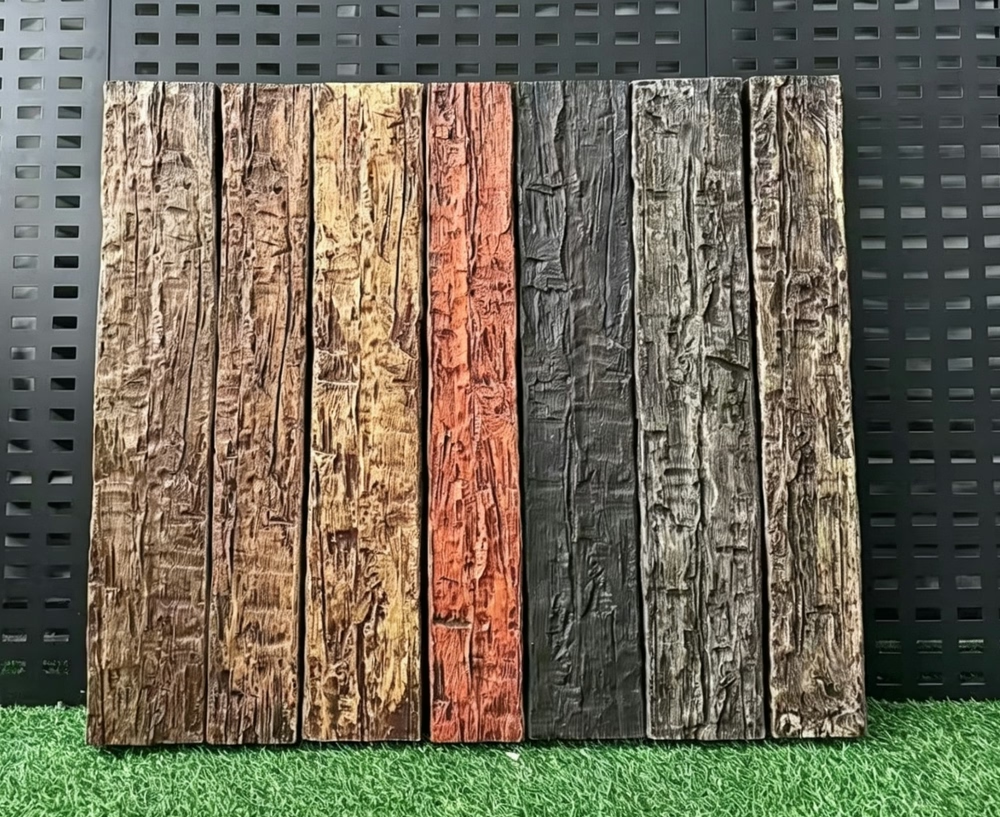
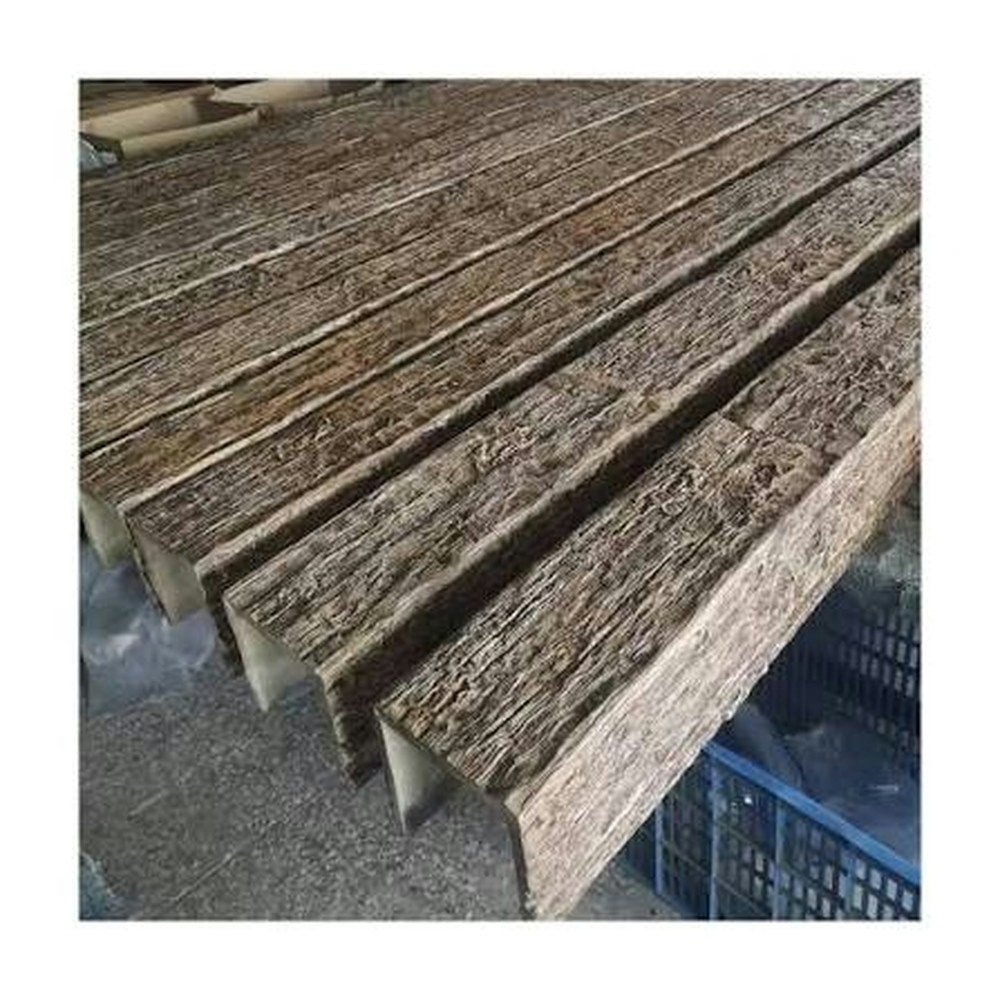
Beginner-Friendly Homeowner-Installable PU Faux Wood Beams
The term "homeowner-installable" appears throughout polyurethane faux beam marketing, and unlike many product claims, this one holds up under scrutiny. Polyurethane faux beams genuinely install successfully without professional assistance, producing finished results that compare favorably with professional millwork installation. Understanding what makes these products installable by non-professionals helps you approach your project with appropriate confidence.
Material characteristics drive installation accessibility. Polyurethane weighs substantially less than wood or composite alternatives—a 10-foot beam might weigh 25-35 pounds rather than 100+ pounds for equivalent timber. This weight reduction transforms handling from a two-person professional operation into a manageable single-person task. Without lifting equipment, specialized hardware, or structural reinforcement, homeowner installation becomes genuinely feasible.
Mounting system engineering contributes equally to installation accessibility. Contemporary faux beam mounting brackets incorporate multiple attachment strategies that accommodate construction variations while providing secure, level installation. Spring-loaded mechanisms, adjustable flanges, and multiple fastener points create forgiving installation conditions where small positioning variations don't compromise results.
Standard tools suffice for complete installation. The drill, level, stud finder, and hand tools that most homeowners already own handle all installation requirements. No specialty saws, chemical materials, or complex equipment enter the picture. If you've assembled flat-pack furniture or installed shelving, you possess all required technical skills.
Finish preparation removes the messiest construction work from the installation process. Faux beams arrive pre-finished, eliminating on-site painting, staining, or sealing that requires ventilation, drop cloths, and cleanup time. The installation itself produces minimal dust, debris, or chemical odors—work can proceed in occupied homes without disruption.
The learning curve concentrates in measurement and planning rather than physical technique. Taking time to verify measurements, plan layouts carefully, and test-fit components before permanent attachment addresses the primary areas where beginners might otherwise struggle. Once planning is complete, physical installation proceeds straightforwardly.
Support resources compensate for the experience beginners lack. Video tutorials, illustrated installation guides, and manufacturer customer support lines provide guidance equivalent to professional consultation. These resources address common questions, offer troubleshooting advice, and build confidence throughout the installation process.
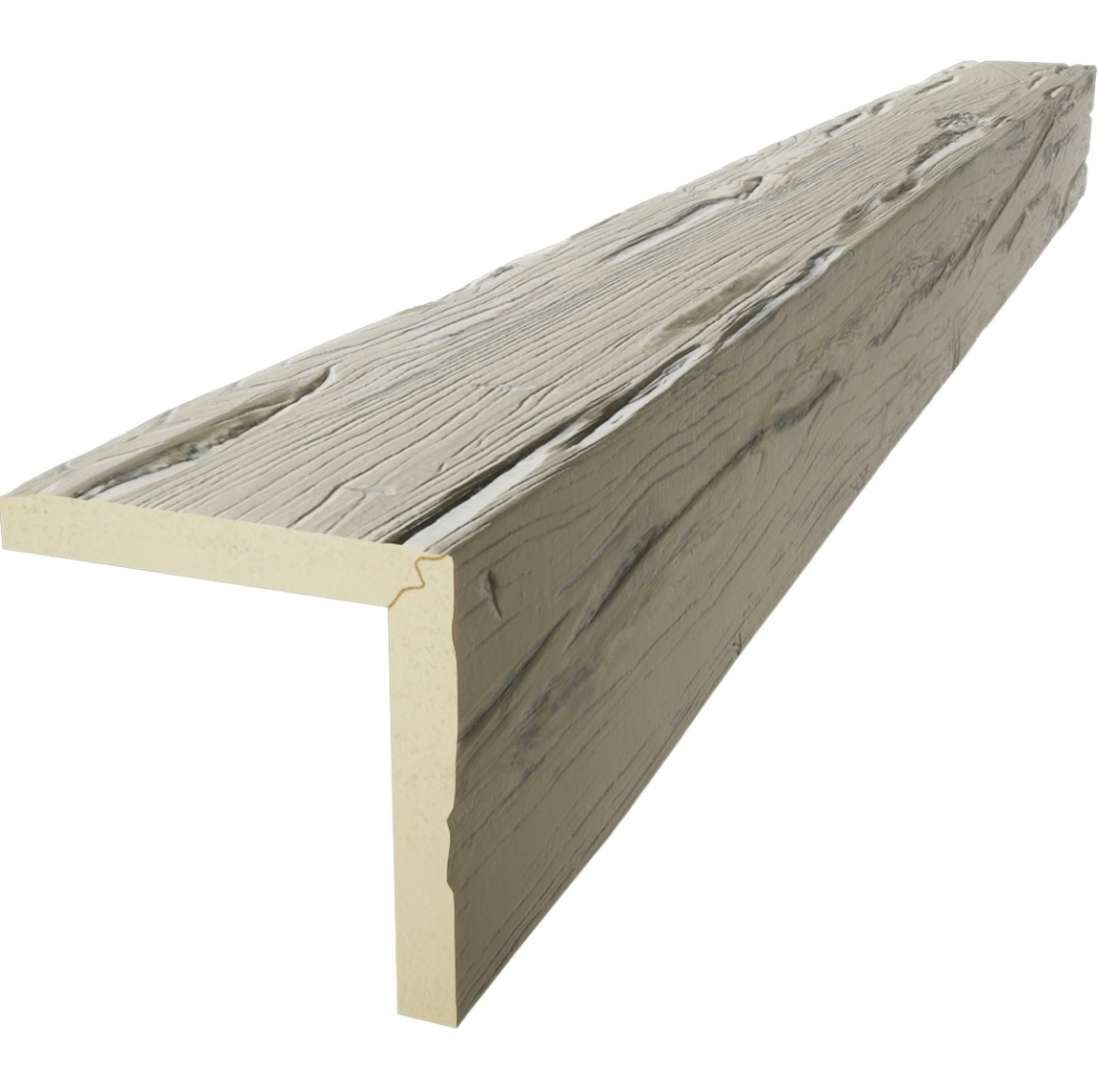
Technical References
ASTM standards cited in every specification
Test Data
Lab results from internal testing program
Updated 2026
Reviewed against current product specs