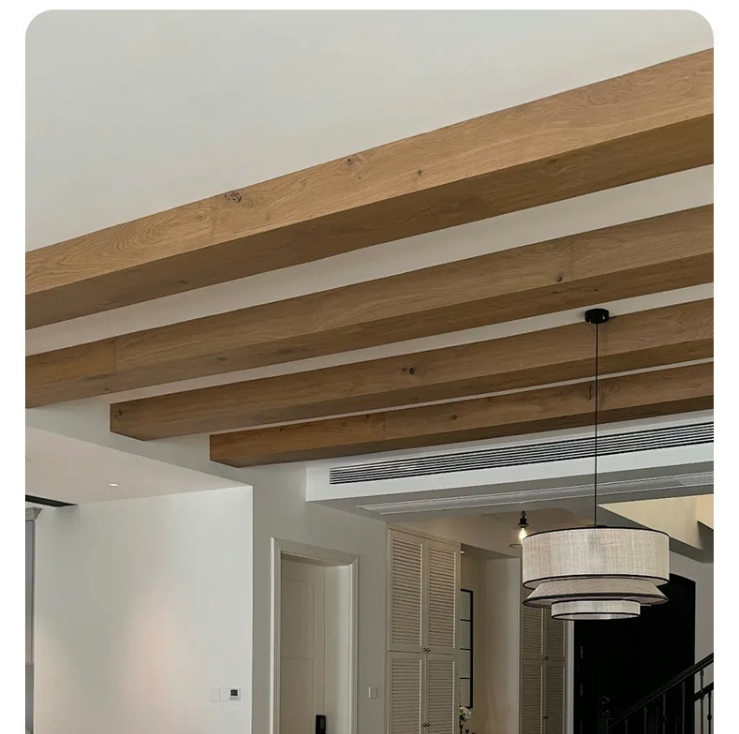
Bespoke Custom Curved PU Faux Wood Beams for Residential Interior Design
Residential interior design increasingly embraces curved architectural elements that soften contemporary spaces while adding visual interest. Custom curved polyurethane faux beams enable homeowners and designers to incorporate organic curvature into ceiling design without the structural complications and expense that authentic curved timber would require.
Residential curved beam applications span diverse design contexts. Vaulted ceiling extensions benefit from curved beam details that follow roof pitch transitions smoothly. Sunroom and conservatory installations incorporate gentle curves that complement greenhouse architecture. Home theater rooms use curved beam arrangements that enhance acoustic diffusion while providing distinctive visual identity.
Bespoke manufacturing processes for residential curved beams balance customization with practical production considerations. The design development phase involves site measurement, detailed drawings, and often physical templates that ensure manufactured beams match actual installation conditions. CAD/CAM manufacturing enables precision that traditional craft techniques cannot match consistently.
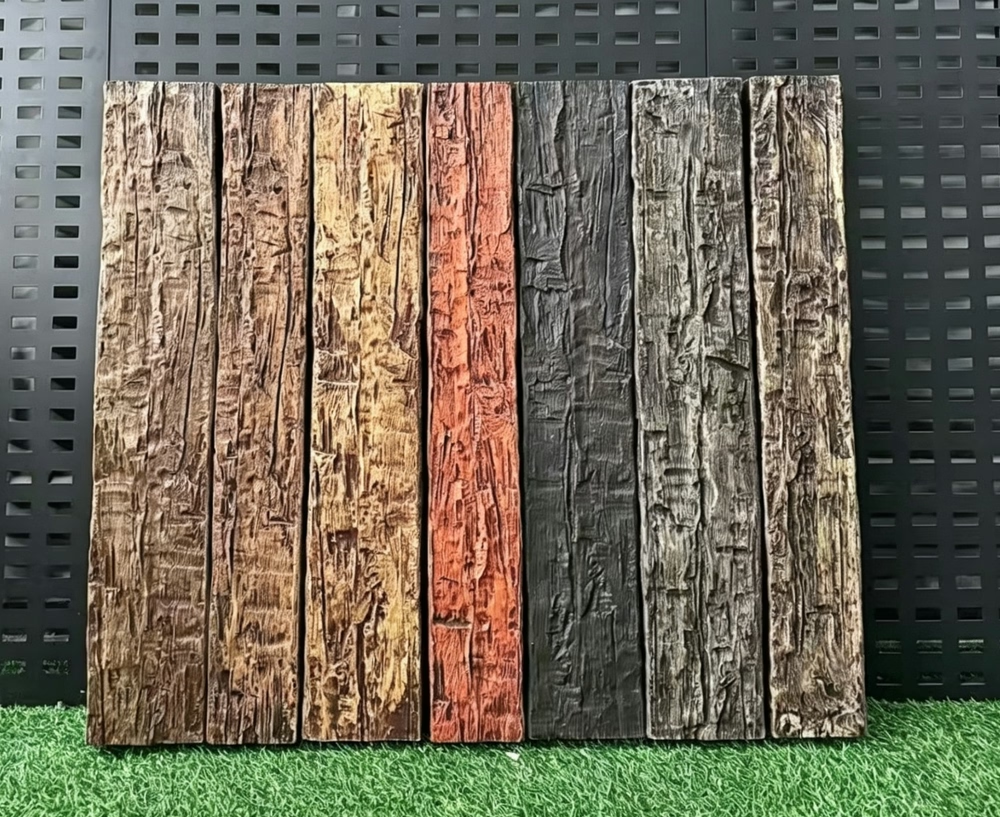
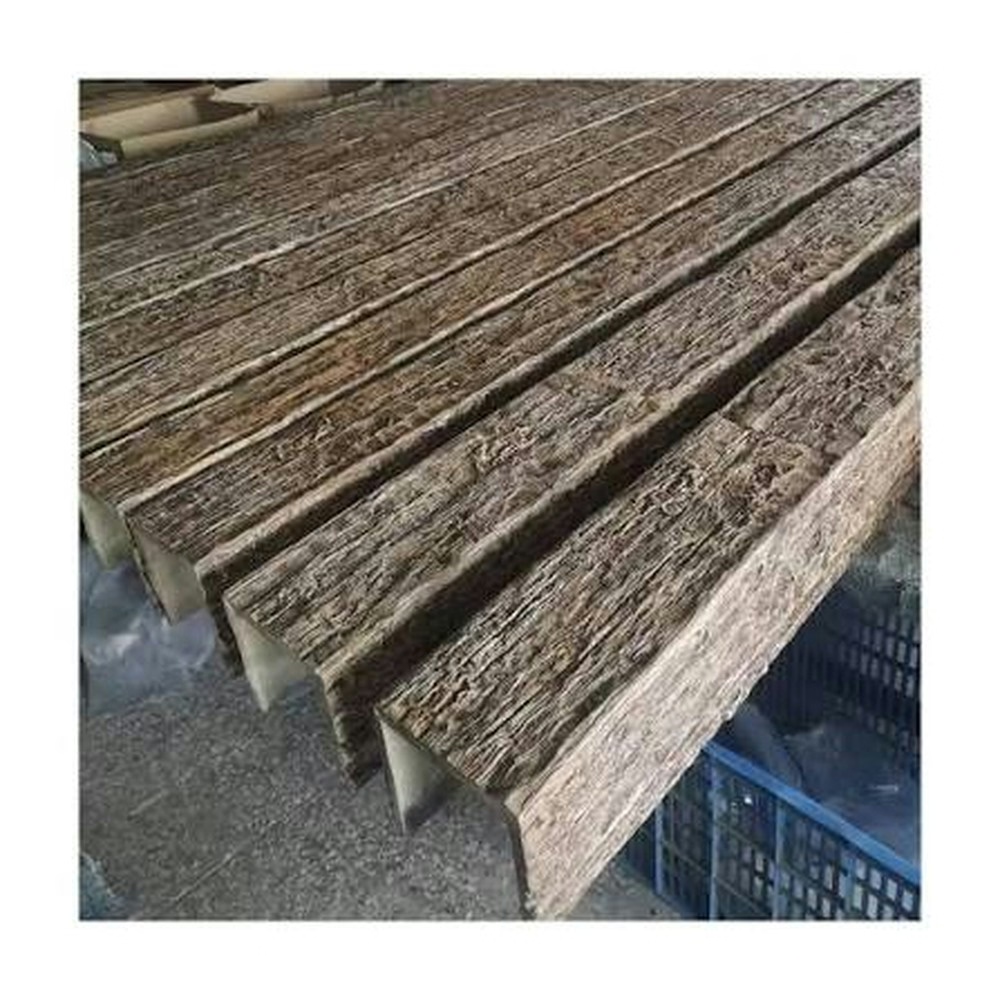
Wood grain orientation on curved beams requires careful consideration during manufacturing. Following grain direction through compound curves presents challenges that affect both structural integrity and visual authenticity. Skilled mold design addresses these challenges by creating grain patterns that flow naturally through curvature without awkward transitions or unrealistic breaks.
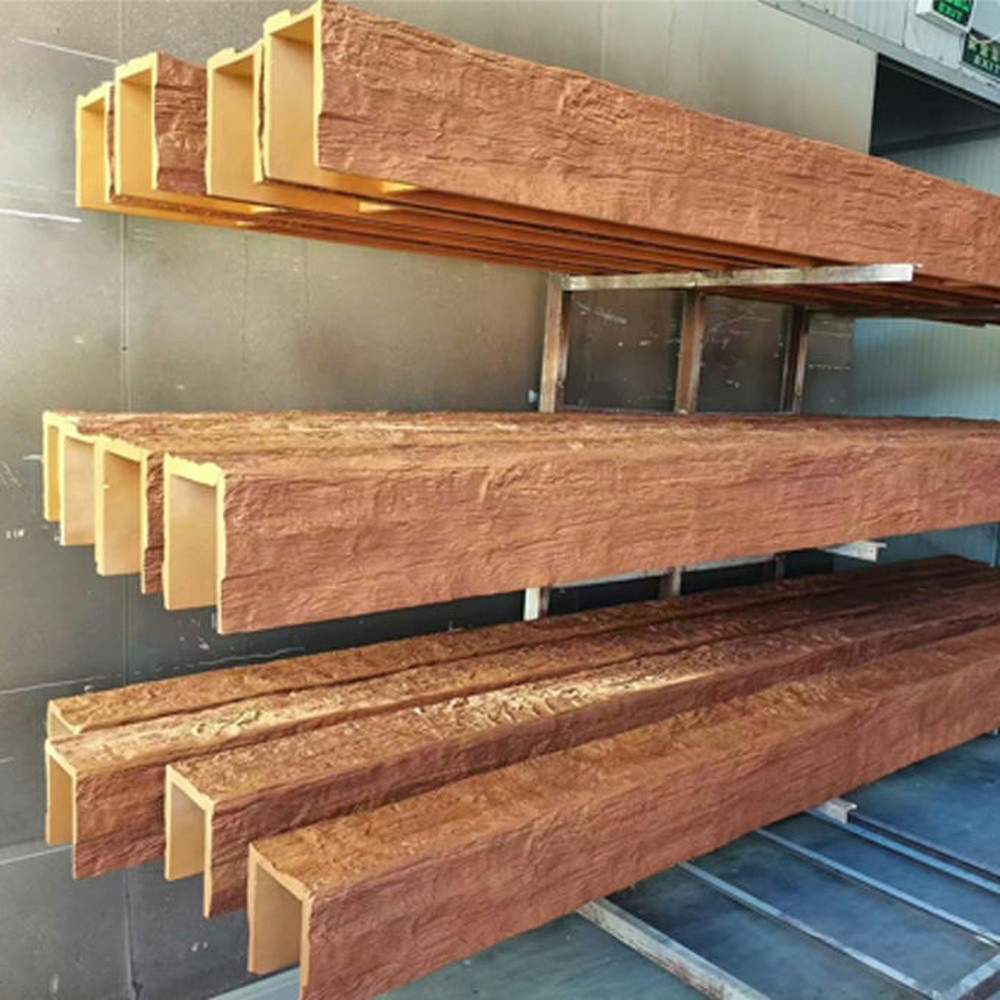
Finish treatment for curved beams involves techniques adapted to three-dimensional geometry. Spraying finishes around curves requires experienced application technicians who understand how coating thickness varies across convex and concave surfaces. Hand finishing techniques address these variations, achieving uniform color and texture across the entire beam surface.
Installation considerations differ from straight-beam work. Curved beams often require multiple installers for positioning, particularly for larger radius work. Temporary support systems during adhesive curing prevent beam movement that might compromise final positioning. Custom bracket fabrication sometimes proves necessary when standard products cannot accommodate specific curvature requirements.
Budget implications for custom curved beams merit realistic assessment. Mold development costs, extended production timelines, and specialized installation requirements combine to produce pricing substantially above equivalent straight-beam specifications. However, for projects where curved elements define the design vision, bespoke curved beams provide irreplaceable aesthetic value.
Technical References
ASTM standards cited in every specification
Test Data
Lab results from internal testing program
Updated 2026
Reviewed against current product specs