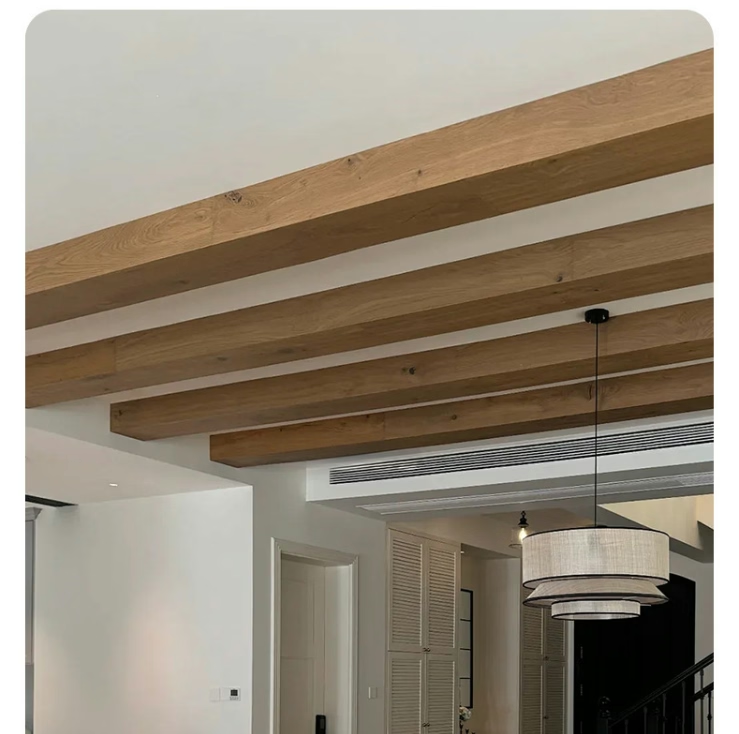
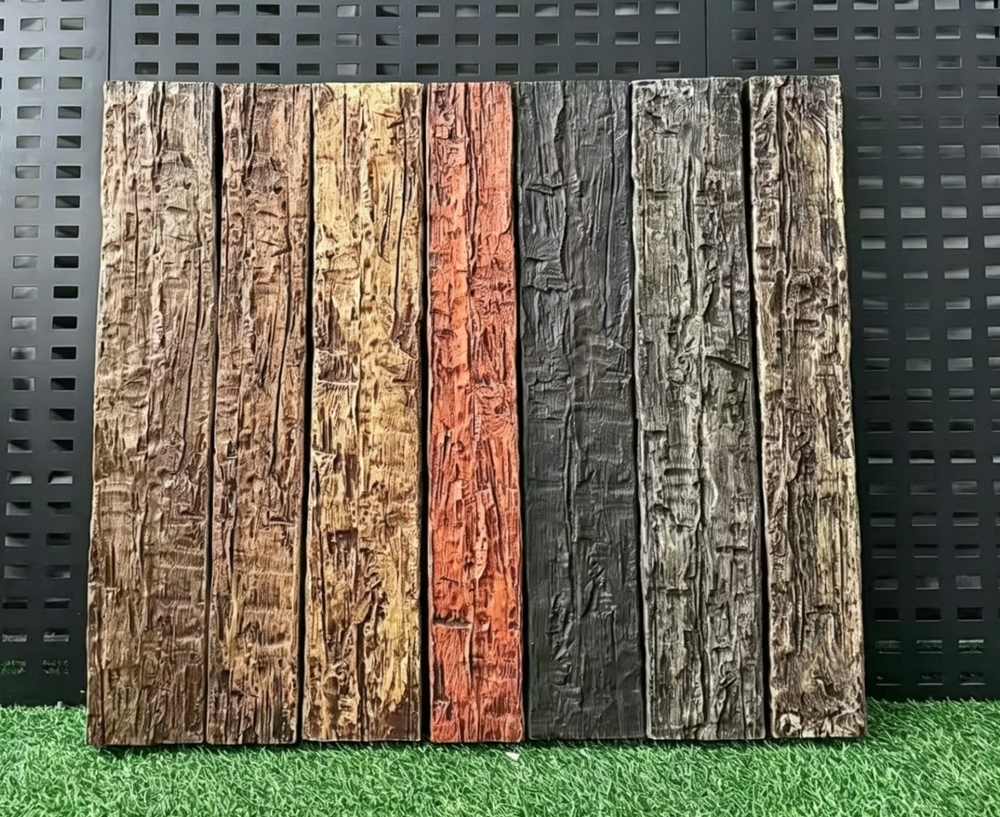
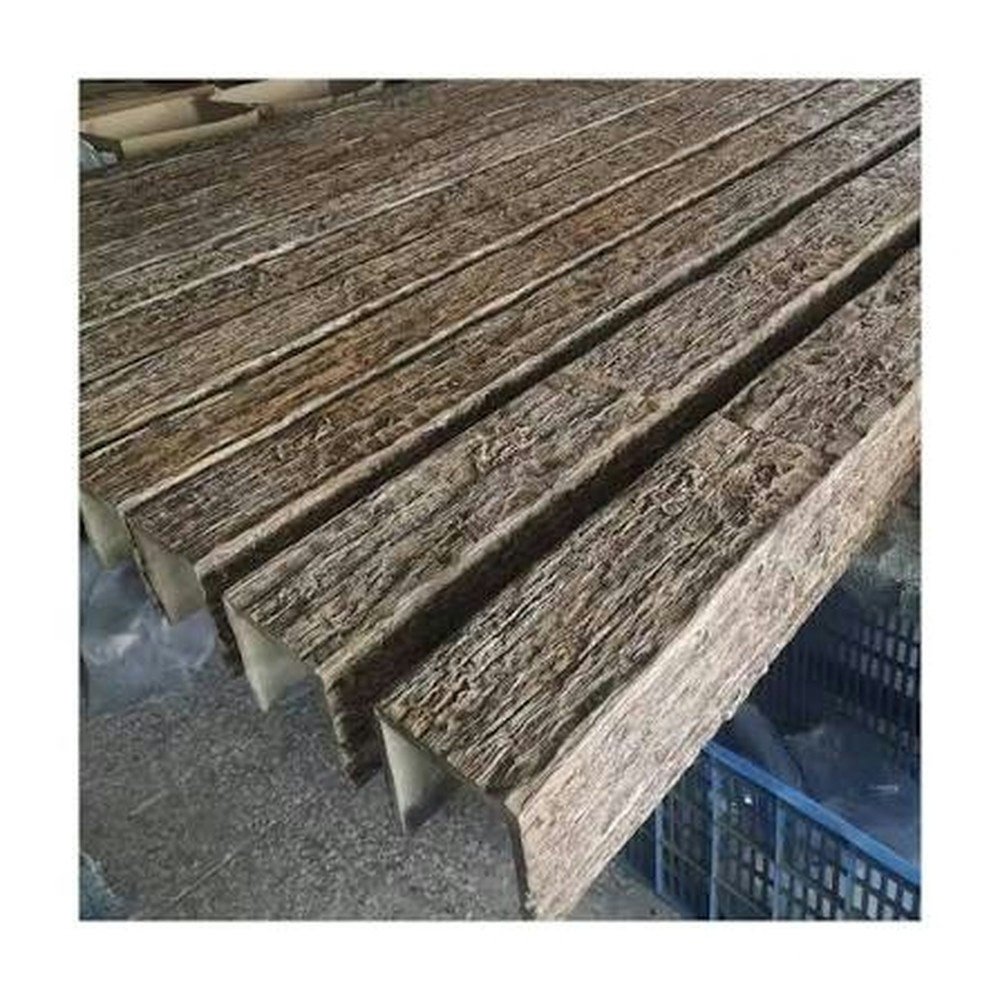
Bespoke Custom Profile Polyurethane Faux Decorative Ceiling Beams
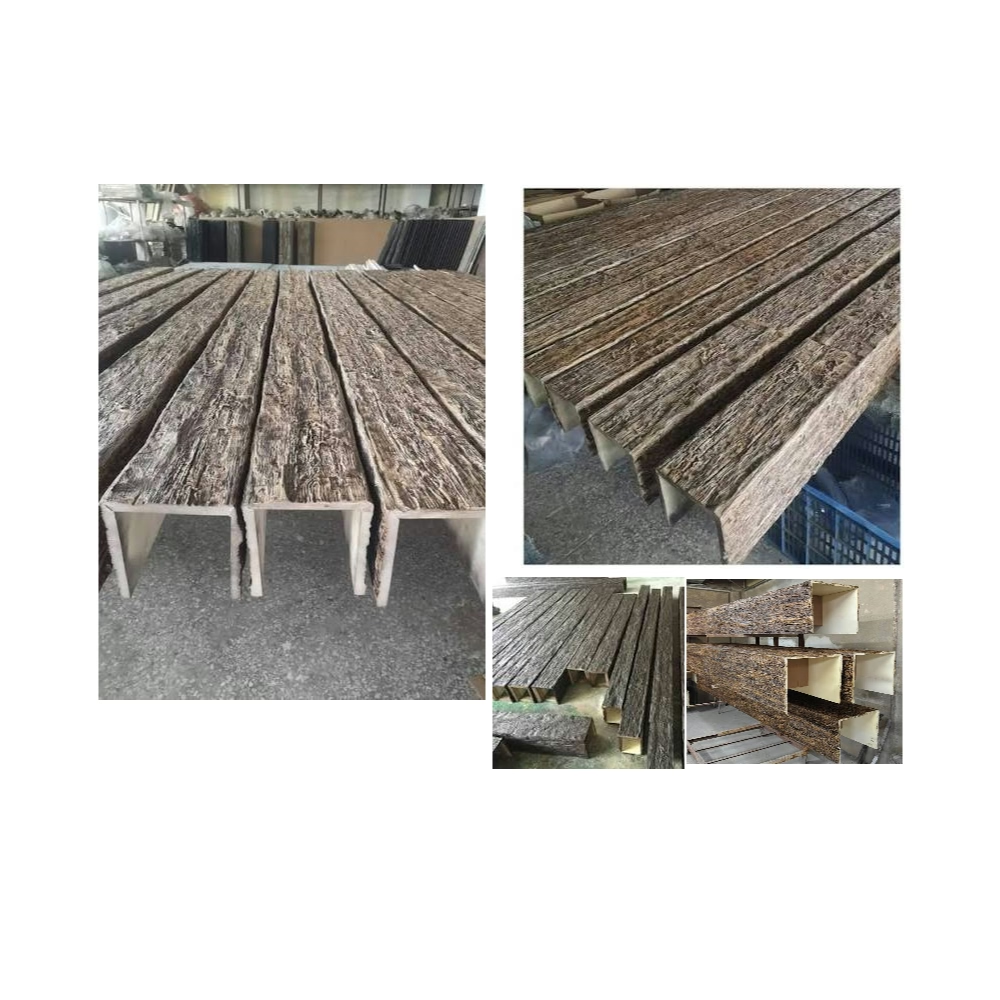
Decorative ceiling beam applications frequently demand profiles that differ from structural beam conventions. Custom profile polyurethane beams enable designers to specify exact cross-sectional geometry—whether replicating historical millwork patterns, matching existing architectural details, or creating entirely original profiles that define unique design identities.
Profile customization begins with defining the cross-sectional shape that will become the beam's defining characteristic. Traditional beam profiles derive from historical millwork conventions—stepped details, chamfered edges, and profiled reveals that create visual interest beyond simple rectangular forms. Contemporary profiles might incorporate geometric abstractions, organic curves, or minimal details suited to modern design contexts.
The manufacturing process translates two-dimensional profile drawings into three-dimensional production tooling. CNC machining of master patterns ensures precision that hand-crafted tooling cannot achieve consistently. These masters generate silicone or composite production molds that reproduce profile details accurately across manufacturing runs.
Scale considerations affect profile design decisions significantly. Large-scale profiles with deep reveals and pronounced details create dramatic visual impact suitable for grand spaces with substantial ceiling heights. Smaller-scale profiles with subtle details serve modest spaces where bold profiles would overwhelm. Custom profile development can address either extreme, with proportions optimized for intended application contexts.
Finish integration with custom profiles requires advance planning. Deep reveals and complex geometry challenge finish application—spray patterns follow surface contours differently than flat surfaces. Hand finishing addresses these variations but requires experienced technicians. Understanding finish implications during profile design prevents later complications.
Standard length limitations affect custom profile beams, just as they affect standard products. Extended spans may require splicing or joining techniques that should integrate seamlessly with custom profiles. The joining details—scarf joints, mitered connections, or hidden-plate reinforcement—should receive consideration during profile development rather than being addressed as afterthoughts.
Delivery and handling logistics for custom profile beams require advance planning. Unusual cross-sections may complicate packaging for shipping protection. Custom crating and specialized handling instructions protect investments in bespoke production during transportation to installation sites.
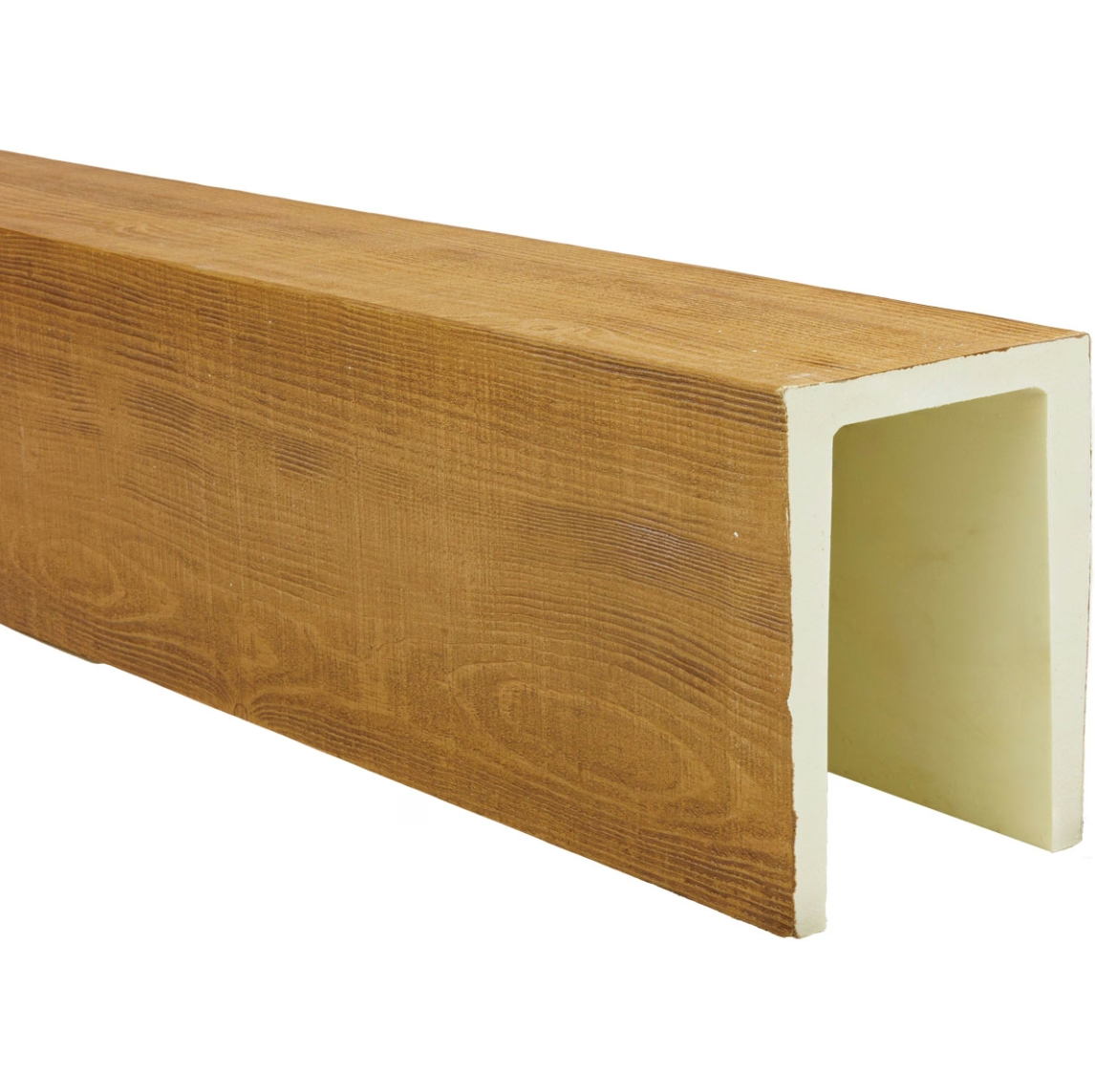
Technical References
ASTM standards cited in every specification
Test Data
Lab results from internal testing program
Updated 2026
Reviewed against current product specs