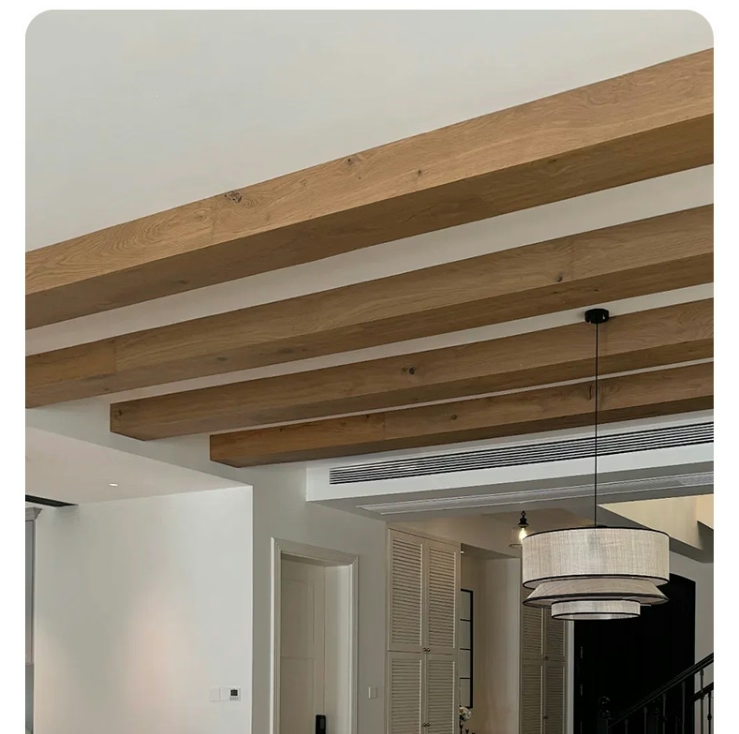
Biophilic Interior Design With Natural Wood Look Ceiling Faux Beams
Biophilic design principles incorporate natural elements into built environments, recognizing the documented benefits that nature connection provides for human wellbeing. Wood, as one of humanity's most familiar natural materials, features prominently in biophilic design implementations. Ceiling beams with authentic wood appearance contribute significantly to biophilic design success in spaces ranging from residential interiors to commercial workplaces.
Biophilic design extends beyond simple aesthetic preference to address fundamental human connections with natural environments. Research demonstrates that incorporating natural materials, daylight, water features, and plant life into building interiors reduces stress, improves cognitive function, and enhances occupant satisfaction. Wood's visual and tactile qualities contribute meaningfully to these outcomes.
Authentic wood appearance in faux beams supports biophilic objectives without the sustainability compromises that harvesting authentic timber might involve. Well-executed faux wood beams provide equivalent visual warmth and organic character while eliminating the resource extraction that authentic timber requires. This sustainability advantage aligns with broader environmental consciousness that biophilic design often accompanies.
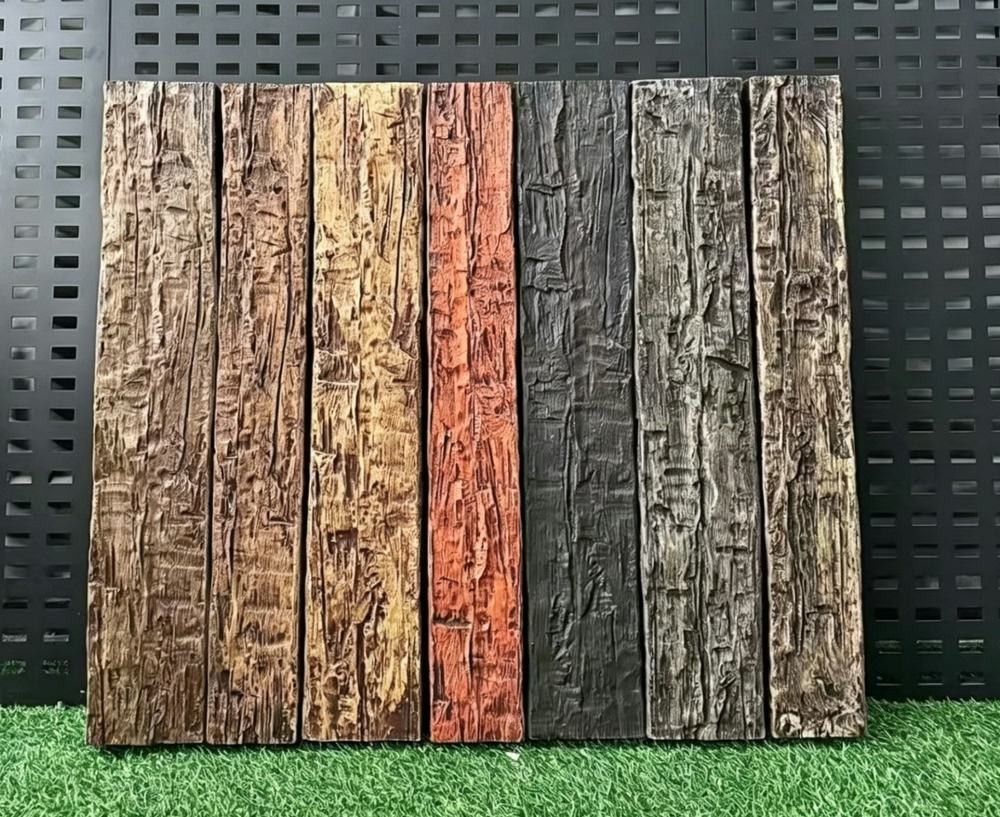
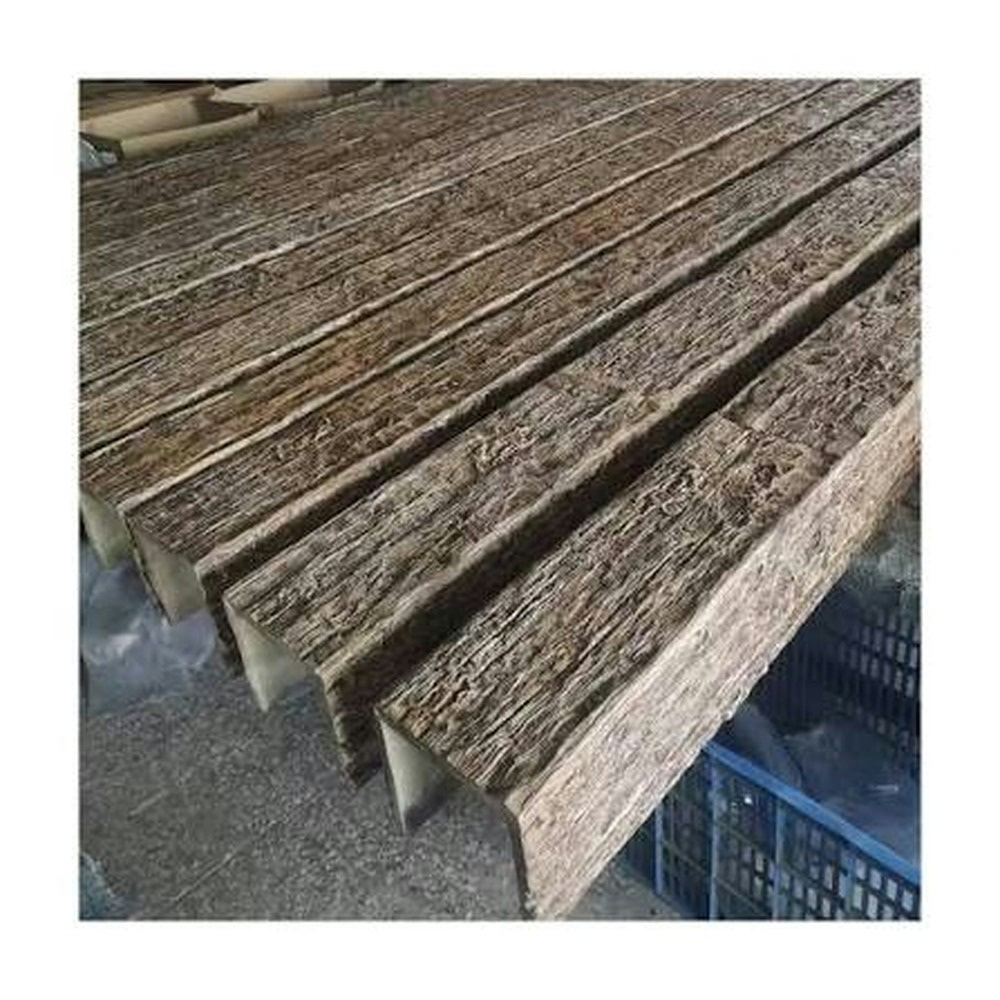
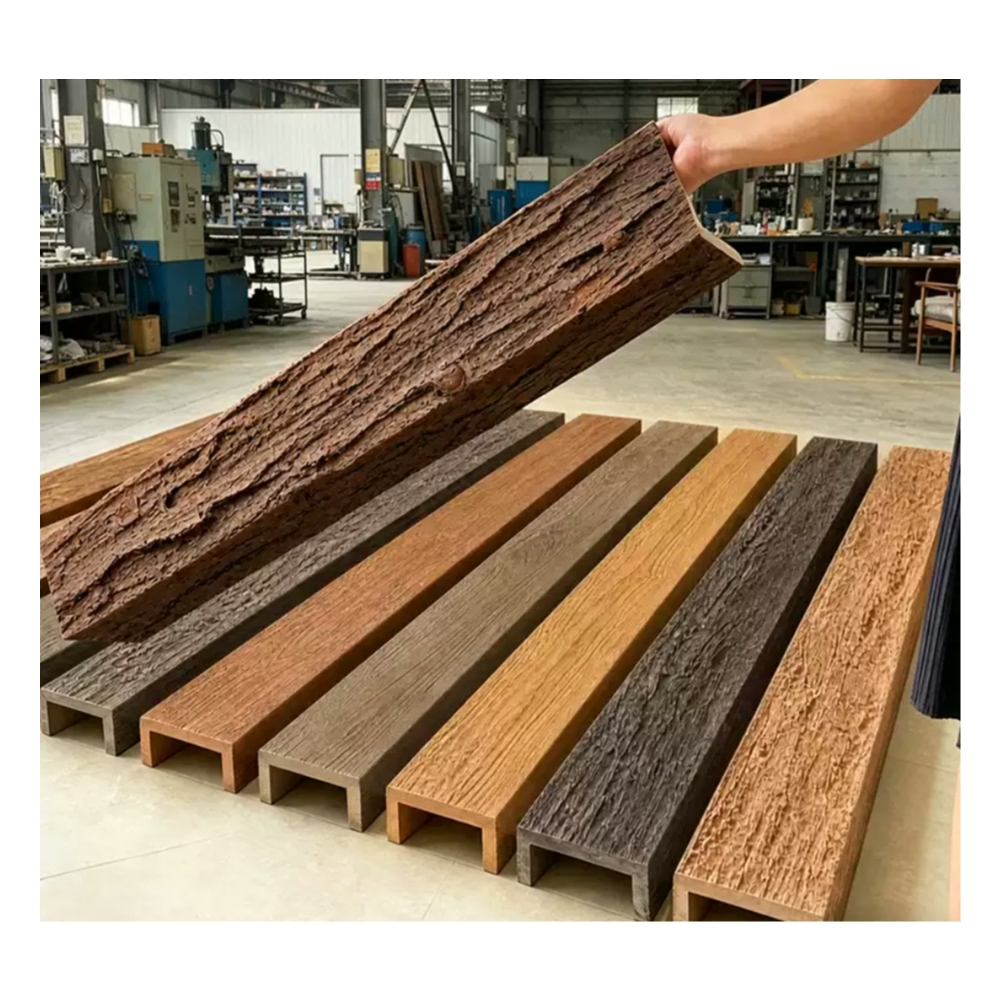
Wood grain authenticity matters significantly for biophilic effectiveness. Studies indicate that human perception recognizes subtle details that distinguish authentic natural materials from poor imitations. Faux beams with unconvincing grain patterns or obvious manufacturing artifacts fail to deliver the nature-connection benefits that biophilic design seeks. Premium faux beam products with sophisticated texture reproduction achieve the authenticity that biophilic applications require.
Color temperature contributes to biophilic effectiveness alongside texture authenticity. Warm wood tones—amber, honey, golden brown—create different psychological effects than cool gray or pale bleached alternatives. Selecting warm-toned faux beams optimizes the calming, nature-connecting atmosphere that biophilic design aims to create.
Integration with other biophilic elements amplifies design effectiveness. Faux beams coordinate naturally with living plants, natural lighting, water features, and stone materials that complete biophilic environments. This material compatibility enables comprehensive design schemes where beams function as one element within larger biophilic narratives.
Scale considerations in biophilic beam application differ from purely decorative installation. Biophilic principles favor proportionally scaled elements that feel natural within spaces—avoiding either overwhelming mass that feels industrial or underscaled elements that lack presence. Beam selection should balance visual impact against human-centric proportioning that biophilic design emphasizes.
Technical References
ASTM standards cited in every specification
Test Data
Lab results from internal testing program
Updated 2026
Reviewed against current product specs