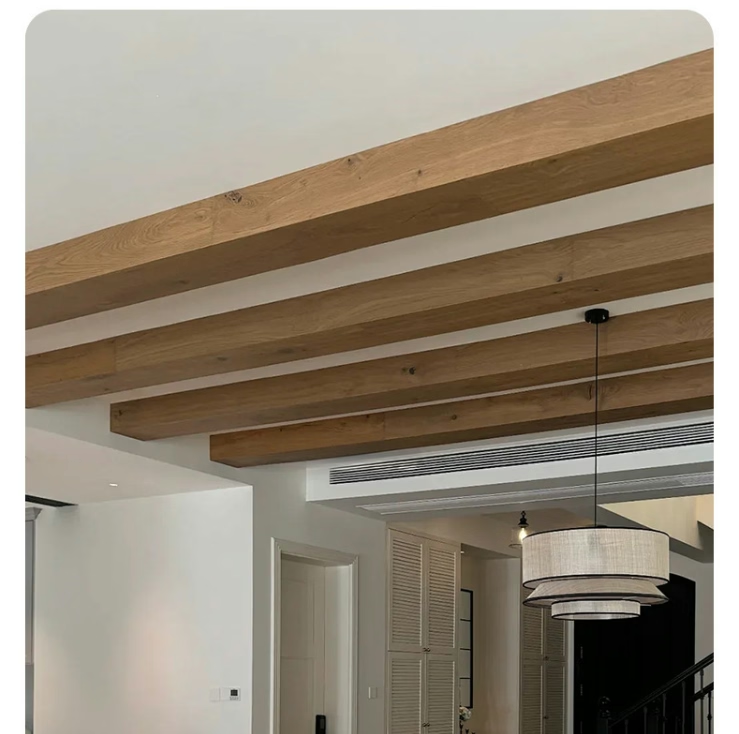
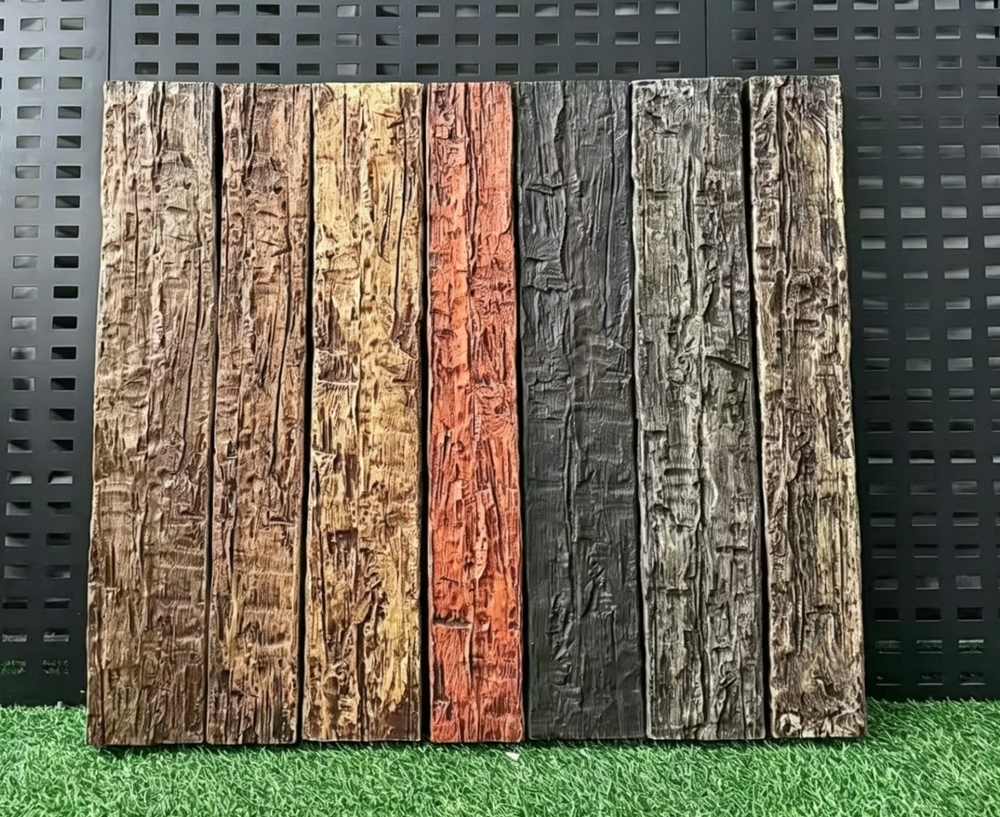
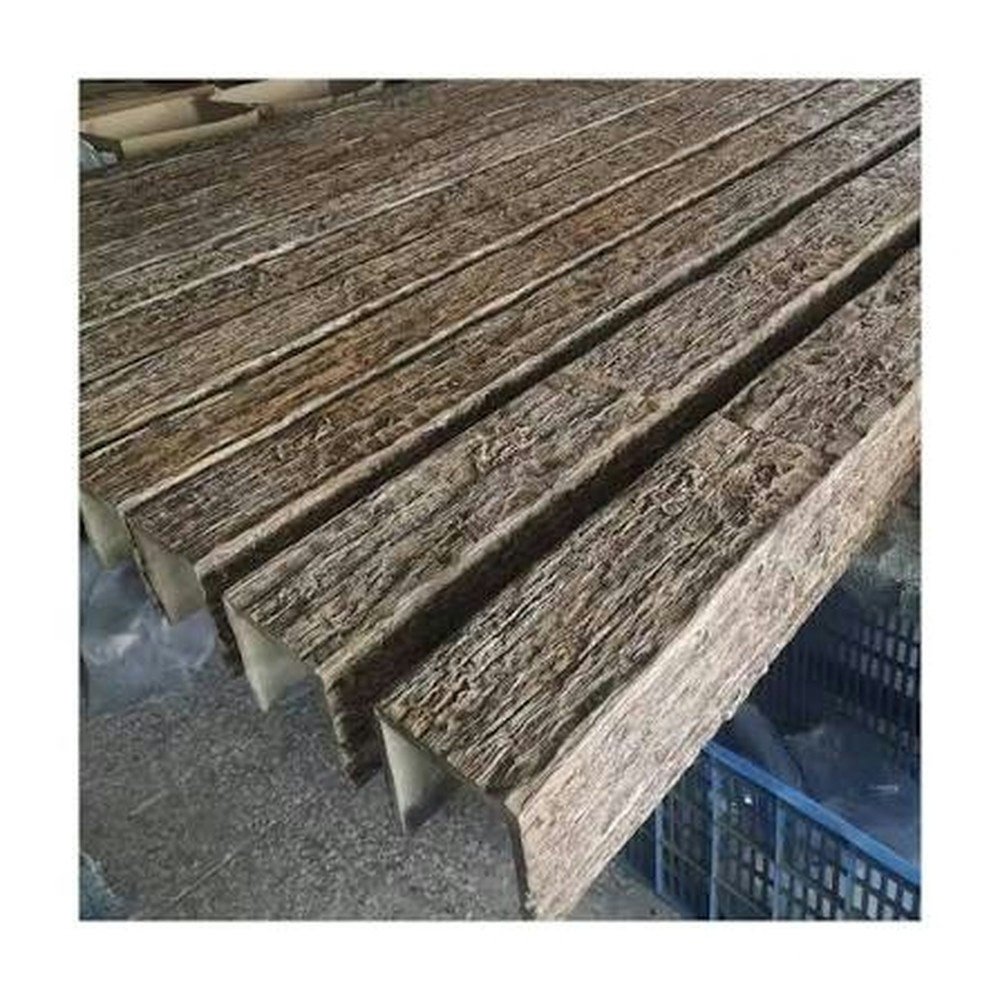
Brand-New Custom Wood Grain Patterns for PU Faux Timber Ceiling Beams
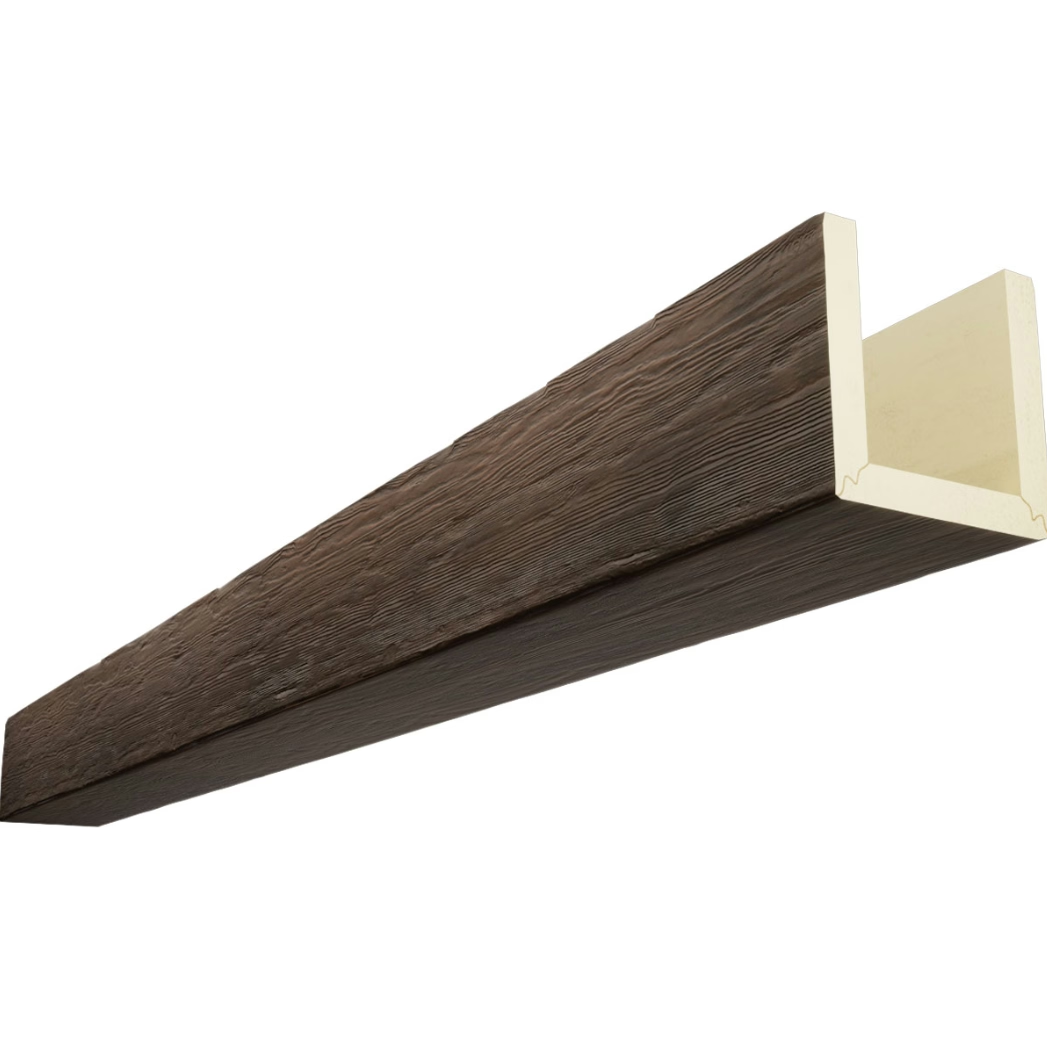
Custom wood grain pattern development represents the frontier of faux beam manufacturing, enabling designers to specify textures unavailable from standard catalogs. These bespoke patterns capture the character of specific timber species, replicate historical wood characteristics, or create entirely new wood-like surfaces that blend familiar elements into fresh aesthetic territories. Custom pattern development opens creative possibilities constrained only by imagination and production feasibility.
Custom Pattern Development Process: Creating new wood grain patterns involves multiple development stages before production-ready tooling emerges. Initial concept development may reference specific timber samples, historical photographs, or designer sketches establishing visual direction. Digital texture artists translate these references into photographic or procedural textures incorporating grain direction, knot placement, and figure patterns. Tooling engineers then create embossing surfaces or molds that reproduce textures faithfully.
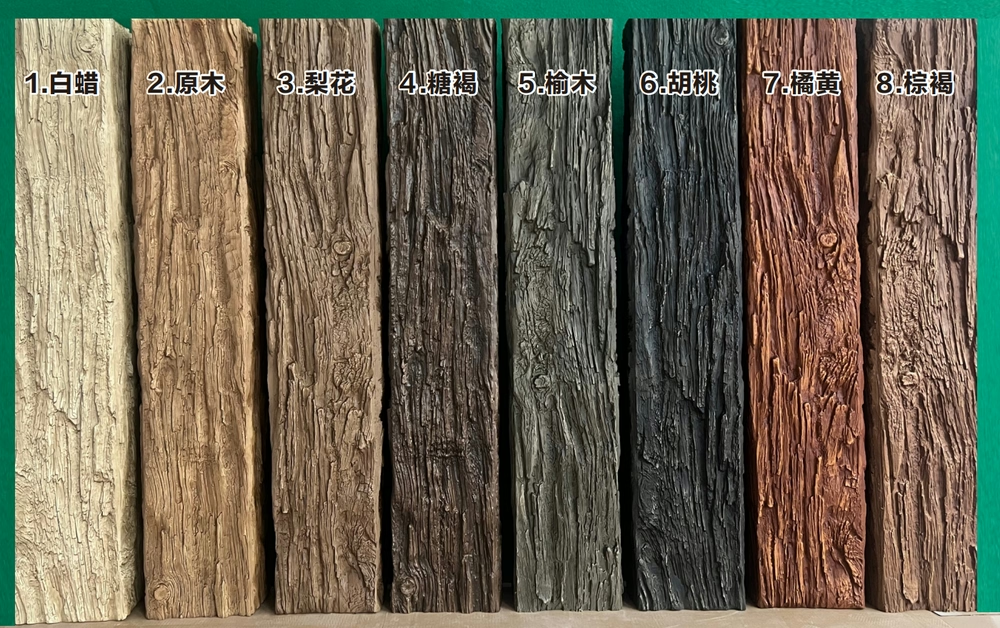
Species Recreation: Custom patterns frequently replicate specific wood species that natural availability or cost makes impractical in genuine timber form. Rare woods like figured walnut, birdseye maple, or spalted beech can be reproduced faithfully in polyurethane. Historical wood types no longer commercially available, such as old-growth heart pine, can be captured through custom pattern development. This capability preserves aesthetic access to woods otherwise unavailable.
Unique Figure Development: Beyond species replication, custom patterns can incorporate figure types rarely found in natural wood. Dramatic crotch figure from limb intersections, striking burl formations, and rare quilted or pommele figure patterns can be exaggerated and refined beyond natural examples. These unique figures create statement surfaces unavailable through conventional timber selection.
Finish Coordination: Custom grain patterns require coordinated finish development to achieve authentic appearance. Color tones, contrast between earlywood and latewood, and highlight placement all influence pattern perception. Finish formulation for custom patterns may require iterative refinement as sample beams reveal how textures interact with color treatments. This development investment pays dividends through distinctive products that justify premium positioning.
Tooling Investment and Amortization: Custom pattern development requires significant tooling investment typically ranging from $5,000 to $25,000 depending on pattern complexity and surface area. This investment gets amortized across production volume, driving minimum order requirements and per-unit pricing. Manufacturers may offer exclusivity periods during which custom patterns remain available only to commissioning clients, protecting investment returns.
Production Considerations: Custom patterns may impose production constraints affecting manufacturing efficiency. Complex textures may require slower demolding times, specialized finishing techniques, or increased quality control attention. These constraints should be communicated honestly during specification development to prevent unrealistic expectations. Understanding production realities enables balanced design decisions.
Technical References
ASTM standards cited in every specification
Test Data
Lab results from internal testing program
Updated 2026
Reviewed against current product specs