Bright Sunroom Interior Design With White & Natural Wood Faux Beams
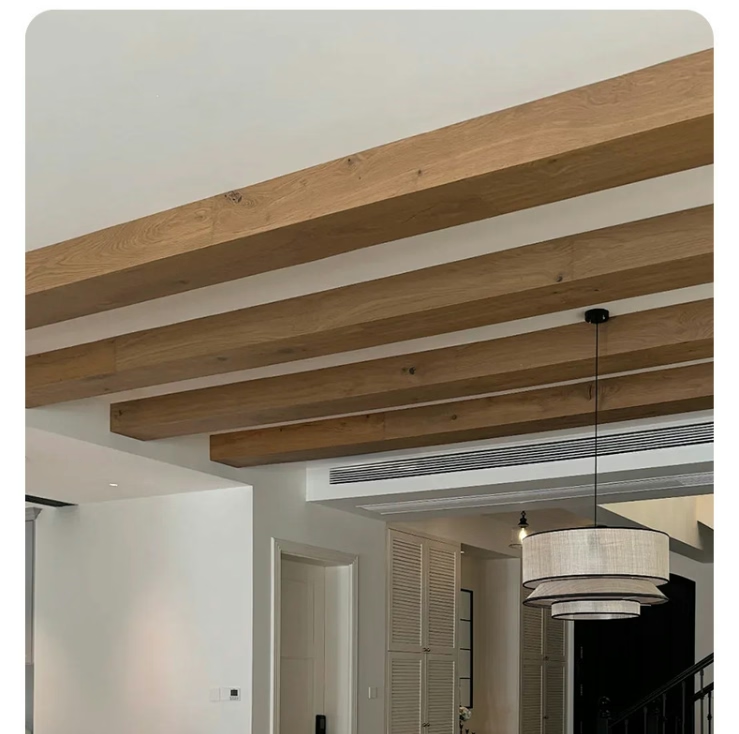
Sunrooms occupy unique positions in residential architecture, functioning as transitional spaces between interior comfort and outdoor connection. Bright sunroom design with white surfaces and natural wood beams captures the essence of these spaces, creating bright, welcoming environments perfect for morning coffee, afternoon reading, and evening relaxation. Faux wood beams provide the architectural warmth that prevents sunroom sterility.
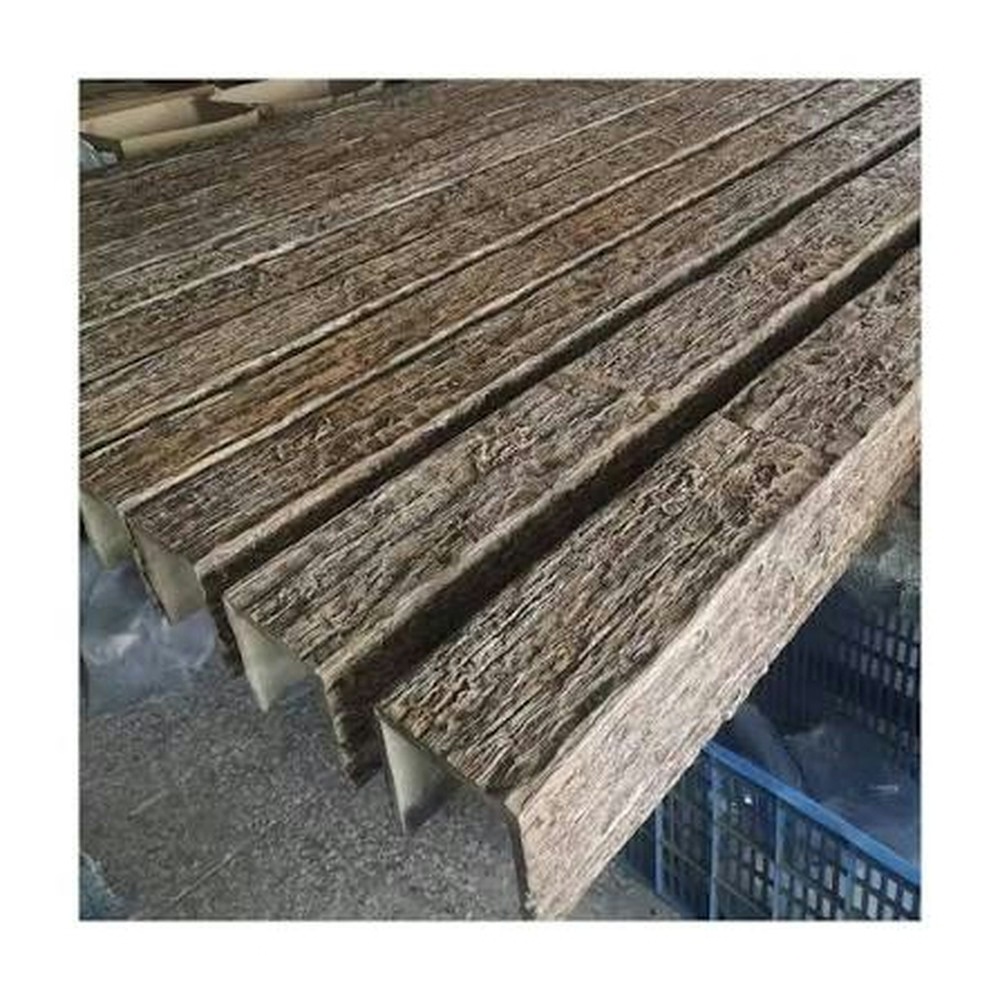
Sunroom Environmental Challenges: Sunrooms present demanding environmental conditions including intense solar radiation, temperature fluctuations, and humidity variations depending on HVAC connection. These conditions affect material performance, making polyurethane beams attractive alternatives to natural wood that might crack, warp, or discolor under sunroom exposure. UV-stable finishes maintain beam appearance despite substantial glazing.
White Surface Strategy: White reflects natural light throughout sunrooms, creating bright environments that feel connected to surrounding landscapes. The strategy succeeds particularly in north-facing or partially shaded sunrooms where direct sun doesn't create glare problems. White ceiling and wall surfaces with natural wood beam accents create balanced compositions that avoid both starkness and excessive warmth inappropriate for bright sunlit spaces.
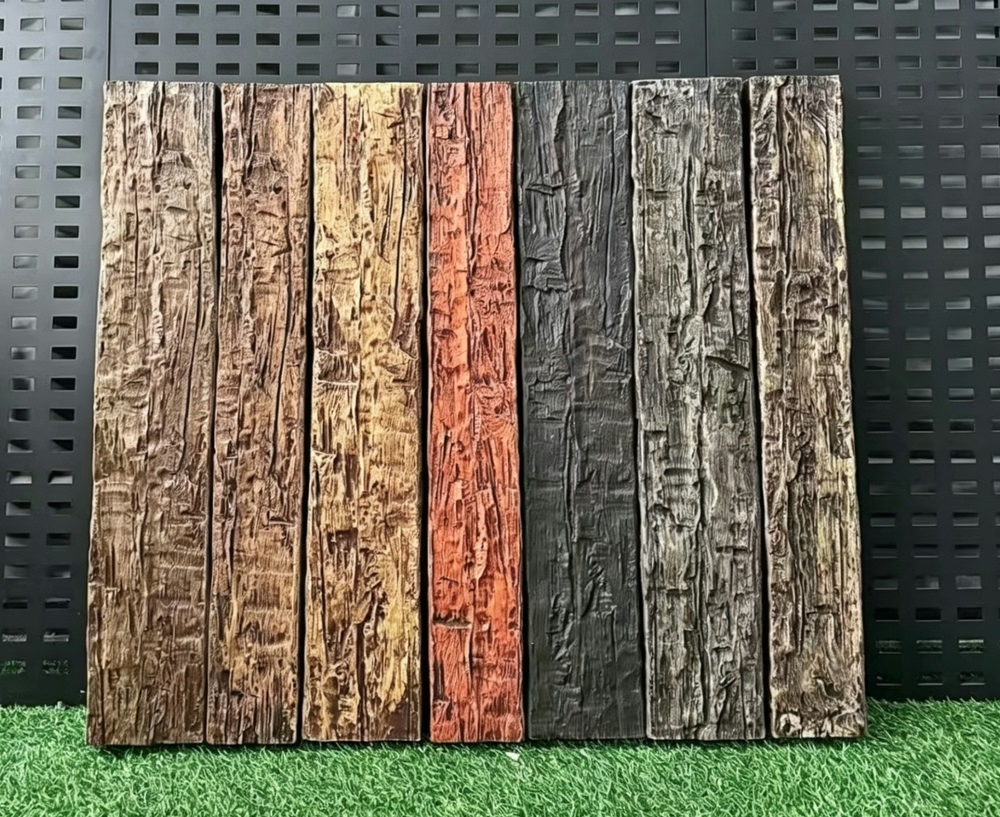
Natural Wood Beam Selection: Natural wood tone beams in honey, golden oak, or medium walnut tones complement white sunroom surfaces without overwhelming the bright, open feeling these spaces should achieve. Darker beams risk making sunrooms feel heavy, while too-light beams disappear against white surfaces. Mid-range wood tones provide optimal contrast that defines beams as intentional design elements.
Glazing Integration: Sunroom beam placement should consider glazing configuration and window-to-wall ratios. High glazing percentages increase natural light levels that reveal beam texture through shadow and highlight. Beam orientation relative to primary window positions affects whether beams appear dramatically lit or subtly integrated. Design visualization under anticipated lighting conditions prevents installation surprises.
Plant Integration: Sunrooms frequently accommodate plants that benefit from abundant natural light. Beam installations should consider plant placement, potentially incorporating hanging positions or allowing clearance for tall plants beneath. The natural wood tones of beams complement plant greenery, creating organic environments that blur boundaries between interior and landscape.
Furniture Selection: Sunroom furniture should coordinate with white and natural wood material palette. Wicker, rattan, and light wood furniture enhance sunroom character without competing with architectural elements. Performance fabrics in light colors tolerate sun exposure better than natural textiles. Furniture arrangement should preserve sightlines to exterior views that justify sunroom construction.

Technical References
ASTM standards cited in every specification
Test Data
Lab results from internal testing program
Updated 2026
Reviewed against current product specs