Bright Sunroom Interior Upgrades with Faux Wood Ceiling Beams
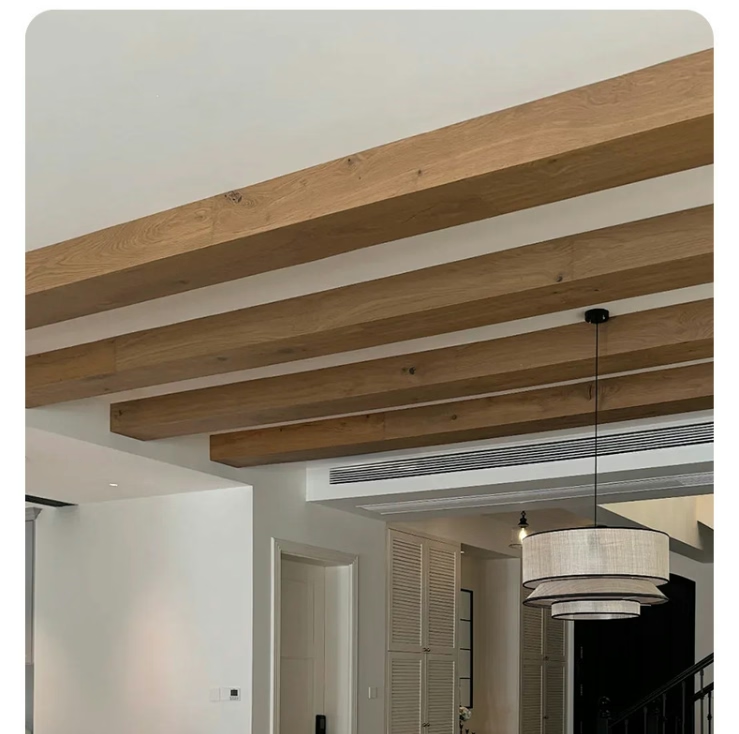
Sunroom interiors seeking brightness enhancement through ceiling treatment find ideal partners in faux wood beams, which add warmth without reducing light transmission or introducing heavy visual weight. These upgrades transform utilitarian sunrooms into polished living spaces that extend home functionality while maintaining connection to surrounding landscapes. Strategic beam specification ensures results that justify investment.
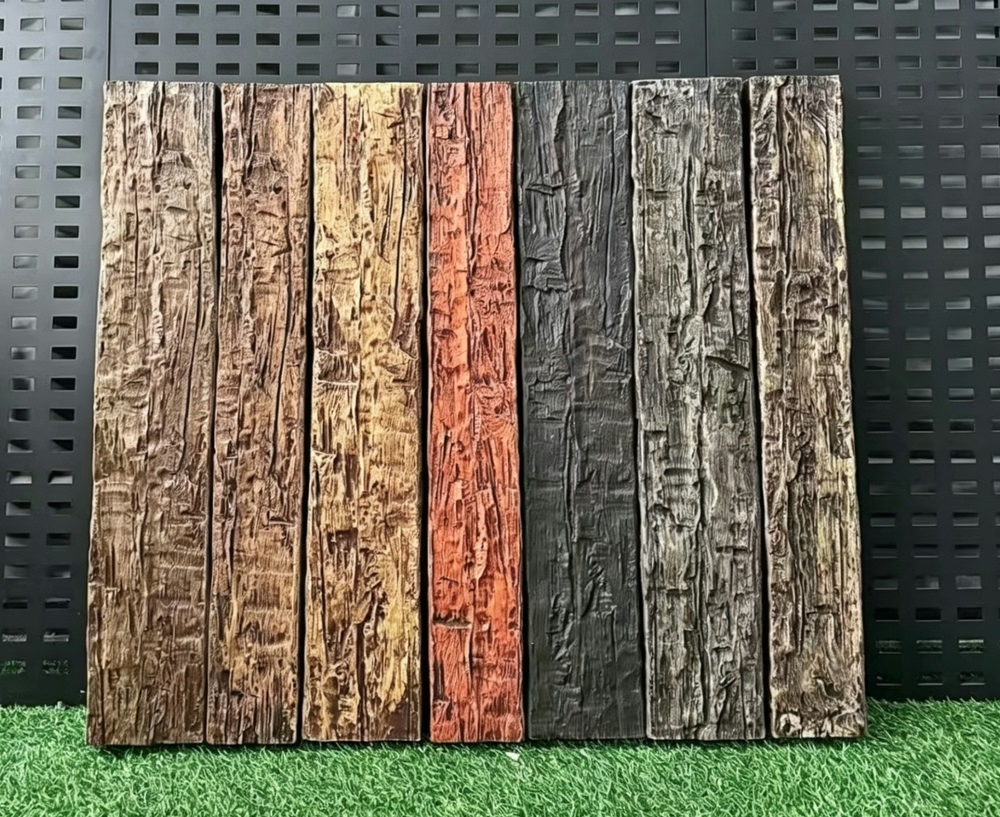
Brightness Preservation Strategy: Unlike dark wood beams that absorb light and reduce perceived brightness, light-toned faux wood beams reflect illumination while adding visual warmth. Light oak, golden oak, and natural pine finishes maintain sunroom brightness goals while introducing wood texture that prevents the sterile feeling that pure white surfaces sometimes create. This balance makes light wood beams uniquely suitable for sunroom applications.
Natural Light Interaction: Sunrooms maximize natural light through substantial glazing, and ceiling beams interact dynamically with this natural illumination throughout the day. Morning light rakes across beam surfaces revealing texture through shadow contrast. Midday illumination creates even brightness with minimal shadow. Late afternoon light produces warm amber tones that emphasize wood warmth. This daily performance cycle rewards occupants with constantly evolving ceiling presentations.
Beam Profile Selection: Sunroom beam profiles should balance presence against brightness preservation. Overly substantial beams may visually overwhelm modest sunroom volumes. Delicate beams may disappear against ceiling surfaces without creating intended impact. Moderate profiles in the 150mm x 200mm range typically achieve optimal balance for average-sized sunrooms, with larger profiles reserved for expansive volumes.
Finish Durability: Sunroom UV exposure challenges finish systems that aren't specifically formulated for high-radiation environments. Polyurethane beams with UV-stable factory finishes resist yellowing, chalking, and color shift that affects less robust finishes. Specification should confirm UV stability claims with documentation of accelerated aging test results. This verification ensures that initial brightness and color persist through years of sunroom exposure.
Integration with Existing Architecture: Sunroom beam installations should relate thoughtfully to existing architectural elements including window frames, door surrounds, and any structural columns. Matching wood tones between beams and existing trim creates material coherence. Alternatively, contrasting tones establish beams as distinct new elements rather than extensions of existing millwork. Either approach succeeds when consistently applied.
Furnishing Coordination: Sunroom furnishing should respond to beam upgrade scope. Minimal upgrades allow furniture selection to proceed independently. Comprehensive upgrades warrant furniture planning that complements beam characteristics. Wicker, rattan, and light wood furniture echo beam warmth. Performance upholstery in light colors tolerates sun exposure while coordinating with bright ceiling treatments.
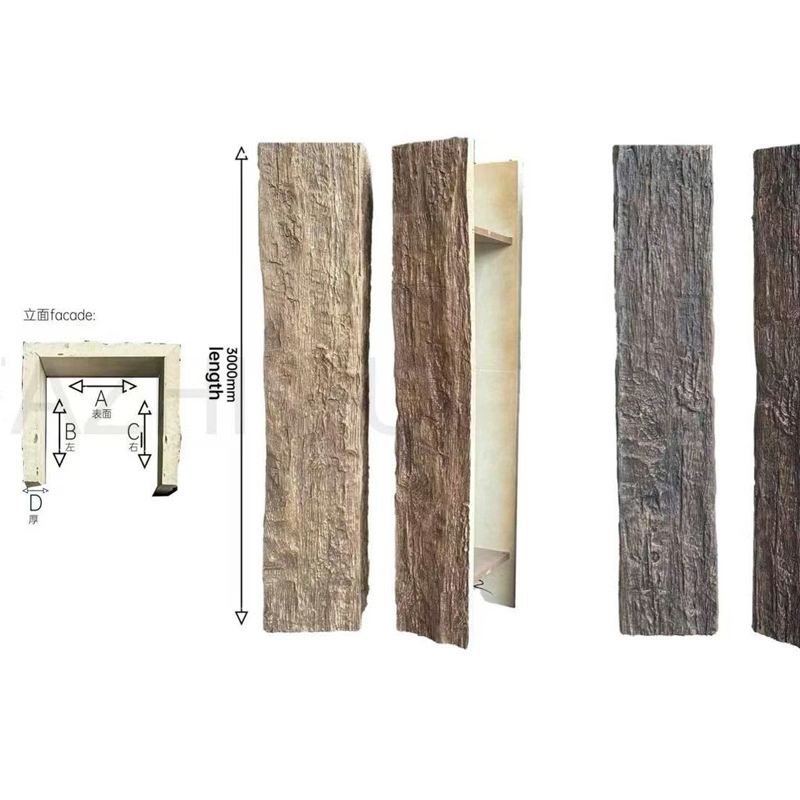
Technical References
ASTM standards cited in every specification
Test Data
Lab results from internal testing program
Updated 2026
Reviewed against current product specs