Brightening Design Tips: Light Wood Faux Beams for Dark Room Interiors
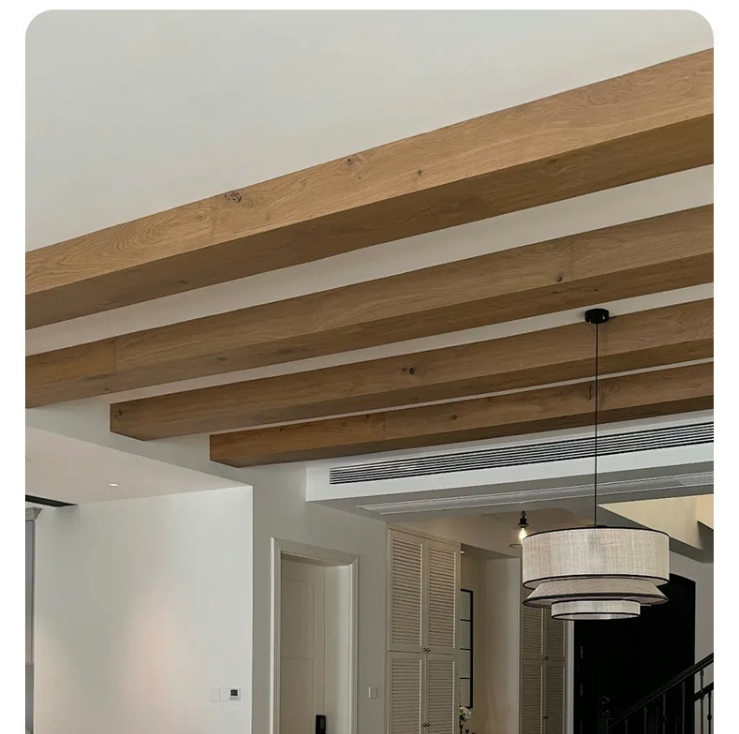
Dark rooms with limited natural light present design challenges that ceiling treatments can address through strategic material selection and placement. Light wood faux beams brighten interior appearance by introducing reflective pale surfaces that distribute available light while creating visual warmth that compensates for reduced sunlight. Understanding brightening principles enables effective transformation of shadowy spaces.
Light Psychology in Interior Design: Human perception of space correlates with light exposure, making dark rooms feel smaller, less welcoming, and potentially depressing despite adequate actual square footage. Strategic material selection can partially compensate for limited natural light by maximizing the impact of available illumination. Light wood beams contribute to this compensation strategy through both color and texture.
Beam Placement for Light Distribution: Strategic beam placement enhances light distribution throughout dark rooms. Beams positioned to reflect light from windows toward room interiors extend effective light penetration. Cross-beam arrangements create multiple reflection surfaces that bounce light throughout spaces. Vertical surfaces of beams function as light shelves, catching and redirecting illumination that would otherwise fall on floors.
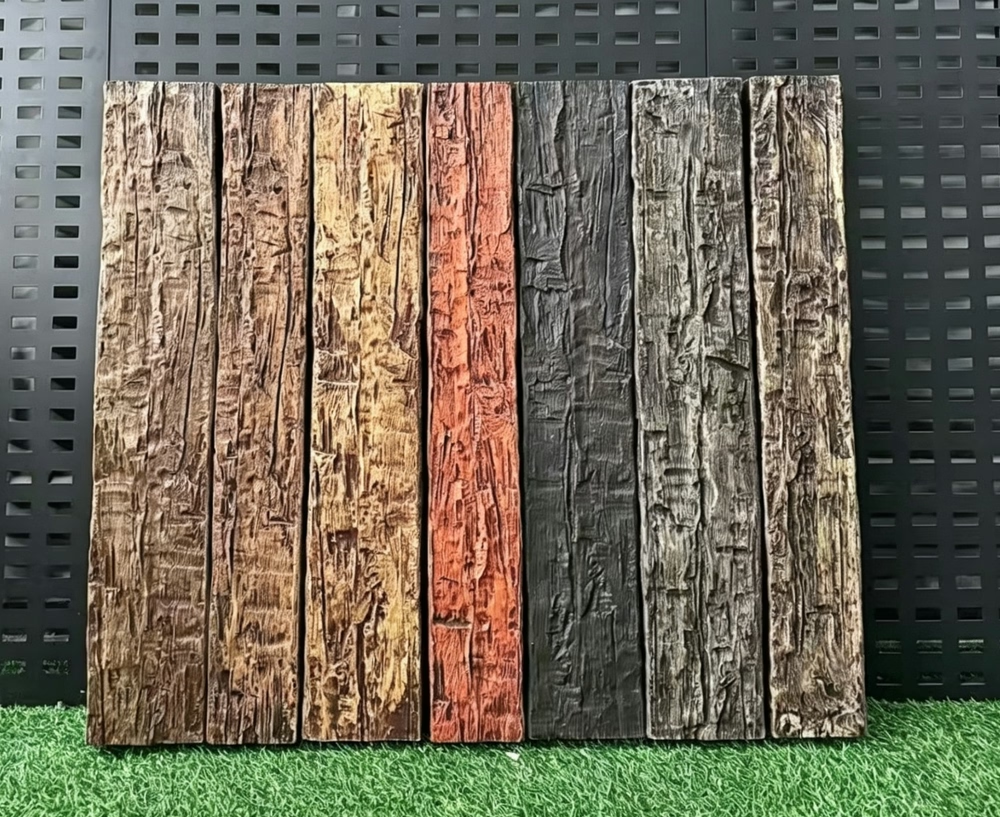
Finish Selection Strategy: Light wood finishes including pale oak, natural pine, and whitewashed tones maximize brightening effect. These finishes reflect more light than medium or dark wood tones while introducing warmth that distinguishes brightened spaces from simply gray ones. Finish selection should consider existing color palettes, with pale finishes harmonizing better with cool-toned dark room environments.
Ceiling Color Coordination: Dark room brightening should address entire ceiling surfaces, not just beam treatment. Pale ceiling paint amplifies beam brightening effects by providing reflective backdrop. White or very light gray ceilings in matte or eggshell finishes create optimal conditions for light wood beams to contribute warmth without competing for attention.
Artificial Lighting Integration: Dark rooms require strategic artificial lighting to supplement natural illumination. Beam installations should accommodate lighting design that takes advantage of beam positioning. Fixtures mounted on beam surfaces, recessed lights between beams, and cove lighting utilizing beam edges all contribute to layered illumination that compensates for darkness. Lighting planning should coordinate with beam installation.
Mirrored and Glossy Surfaces: Light wood beams perform even better when coordinated with other reflective surfaces including mirrors, glass tabletops, and glossy furniture finishes. These reflective elements multiply light distribution throughout rooms, enhancing beam brightening contributions. Strategic mirror placement opposite primary windows can redirect natural light toward areas with limited direct exposure.


Technical References
ASTM standards cited in every specification
Test Data
Lab results from internal testing program
Updated 2026
Reviewed against current product specs