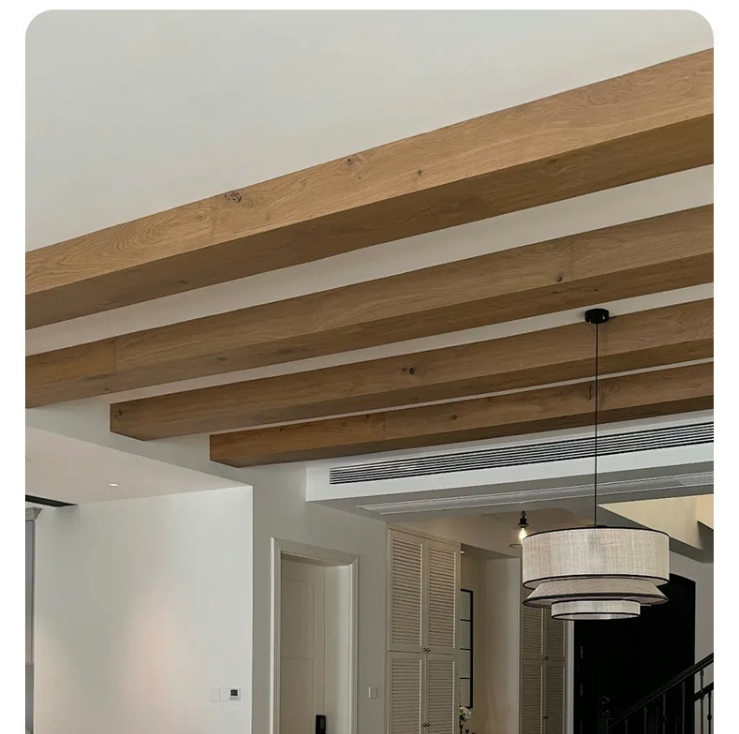
Budget DIY Method to Achieve Rustic Hand-Hewn Faux Beam Texture
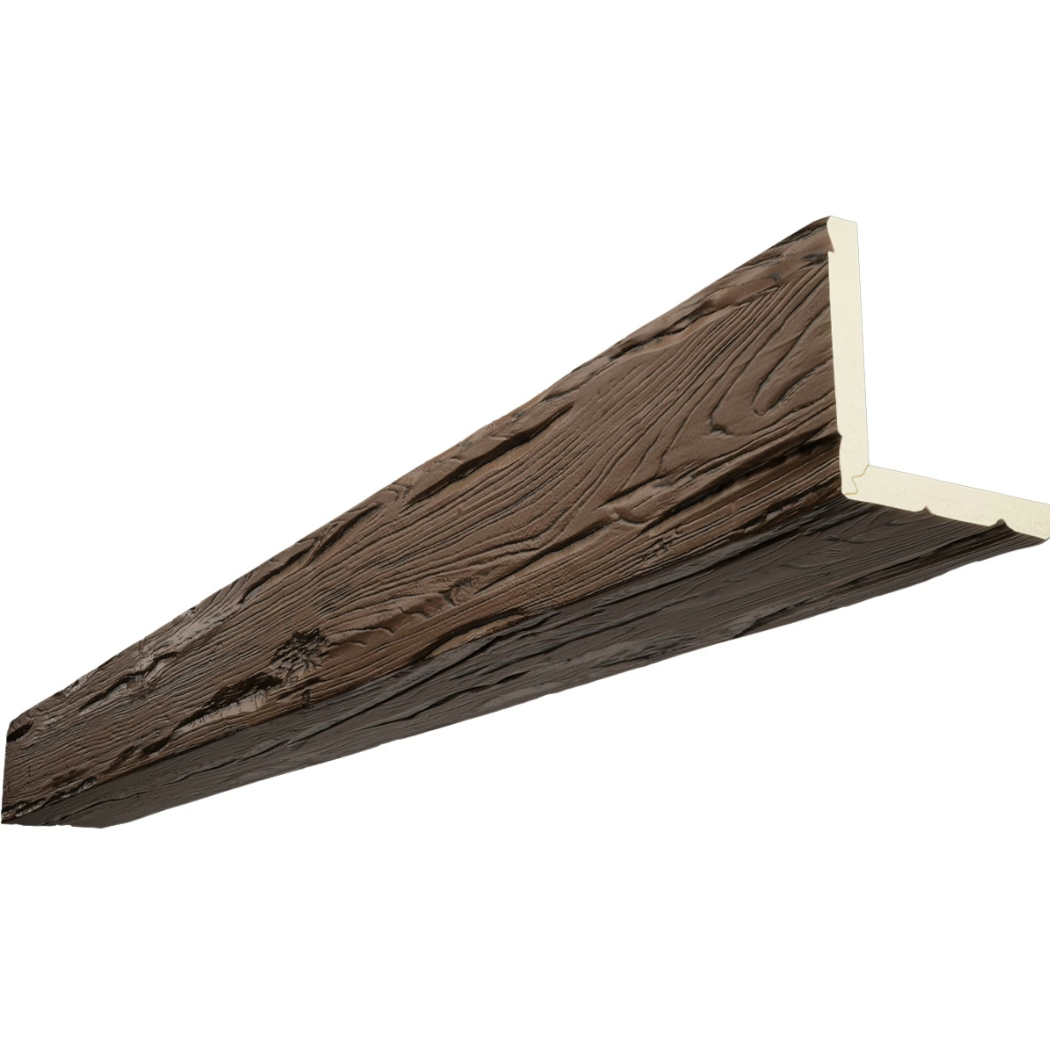
Creating rustic hand-hewn texture on faux beams represents a budget-friendly approach to achieving expensive reclaimed timber aesthetics through creative finishing techniques. Hand-hewn texture features include adze marks, natural splitting planes, and weathered character that hand-crafted tools produce in authentic timber. These characteristics can be simulated on polyurethane beams through accessible DIY techniques that require no specialized training.
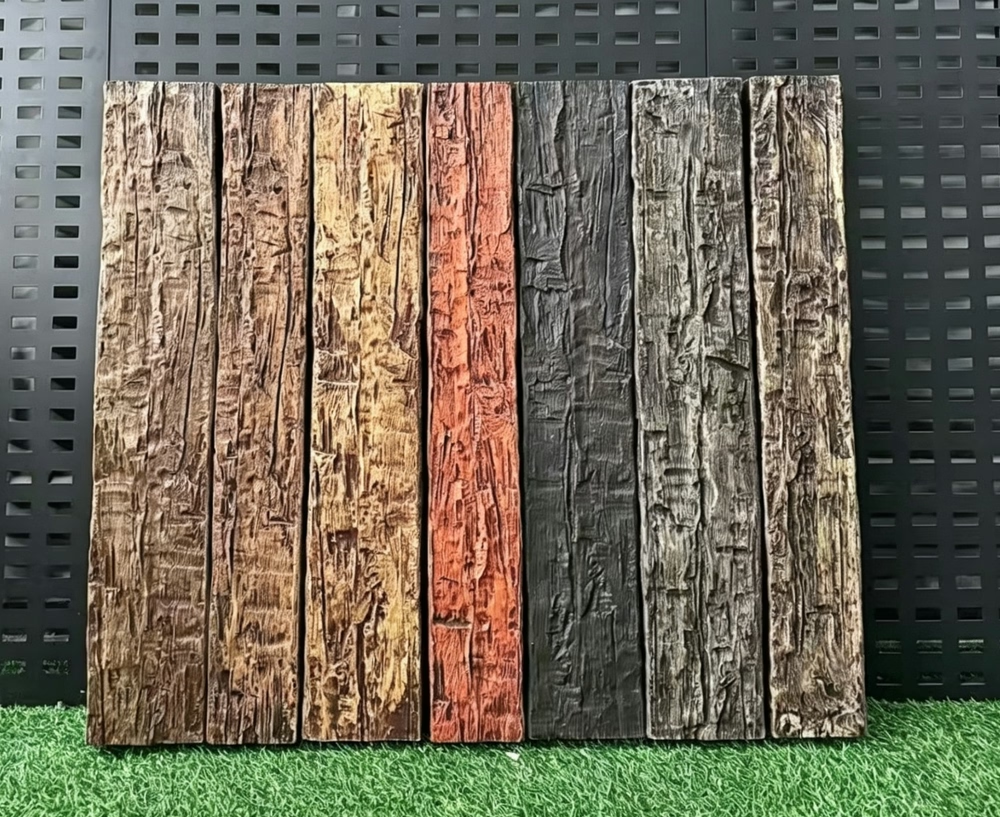
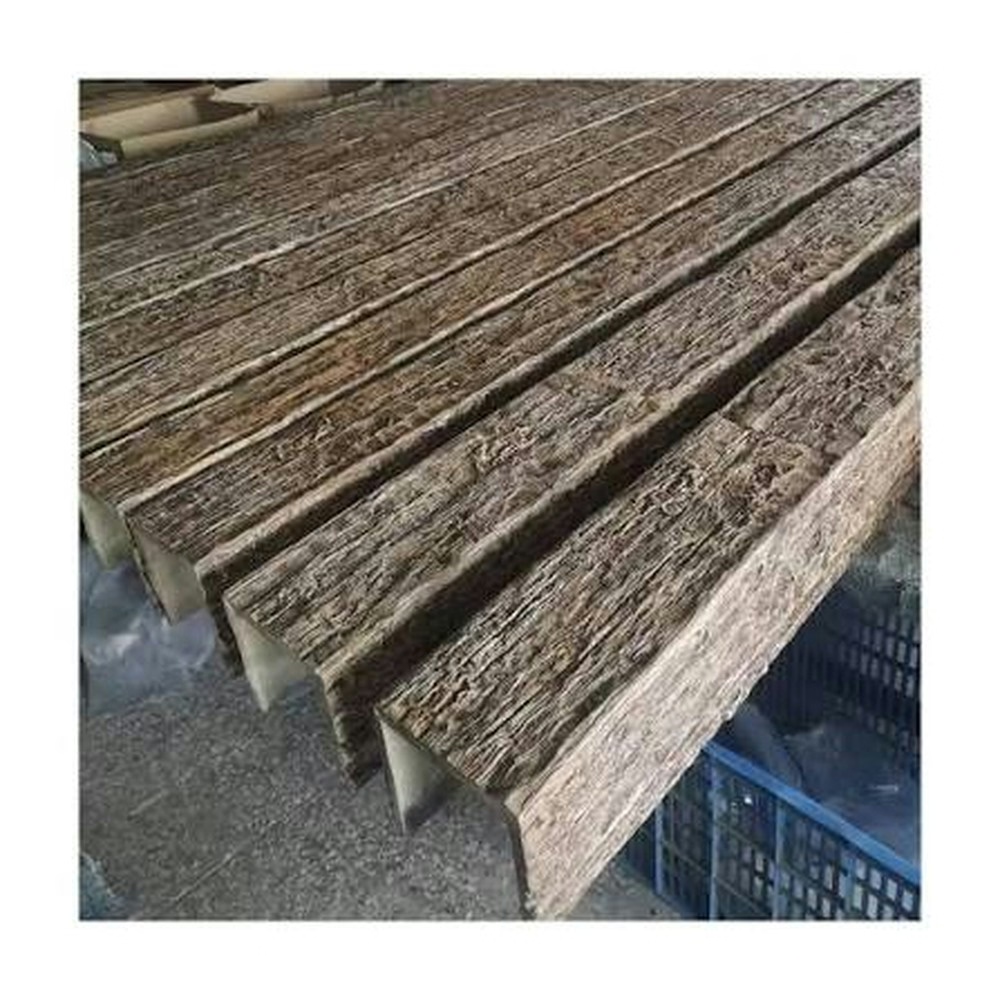
Understanding Hand-Hewn Characteristics: Hand-hewn timber production involves splitting logs along natural grain planes rather than sawing, producing surfaces with irregular contours and characteristic wedge-shaped marks from hewing tools. This process creates unique textures that no two beams share exactly, contributing to authentic rustic character that machine-produced lumber cannot match. Simulating these characteristics requires understanding what makes them distinctive.
Texture Enhancement Techniques: Multiple DIY techniques create surface interest approximating hand-hewn character. Strategic distressing with hand tools creates localized damage patterns. Wood stain layering builds color variation mimicking aged patina. Wax application followed by selective removal creates highlight variation. Surface carving with woodworking gouges produces adze-like marks. Combined application of these techniques creates convincing rustic texture at minimal cost.
Tools and Materials Required: DIY hand-hewn simulation requires accessible tools and materials. Basic woodcarving gouges create initial texture. Sandpaper in various grits shapes and smooths carved areas. Gel stains in multiple wood tones build layered color. Cheesecloth or rags apply and remove finish materials. Drop cloths protect surrounding surfaces. Total investment for these materials typically falls below fifty dollars, enabling budget texture creation.
Technique Application Sequence: Effective texture creation follows logical progression that builds character without overdoing effects. Initial carving establishes major texture features. Sanding removes sharpest edges while preserving overall character. Stain application in lightest tones establishes base coloration. Selective darker stain application creates depth. Final sealing protects completed texture while maintaining realistic appearance.
Balancing Realism and Budget: The goal involves convincing texture simulation that improves with close inspection rather than obvious fake appearance. Over-done distressing creates cartoonish effect that diminishes rather than enhances. Subtle texture that rewards attention without demanding it achieves the most successful results. Testing techniques on scrap pieces before beam application refines approach without risking finished products.
Integration with Room Style: Hand-hewn textured beams should complement surrounding interior style rather than appearing as isolated dramatic elements. Rustic, farmhouse, and cabin aesthetics welcome textured beams as appropriate to overall design direction. Modern interiors may find hand-hewn texture too rustic for successful integration. Room style assessment should precede texture technique selection.

Technical References
ASTM standards cited in every specification
Test Data
Lab results from internal testing program
Updated 2026
Reviewed against current product specs