Budget-Friendly U-Shaped Hollow Faux Wood Ceiling Beams
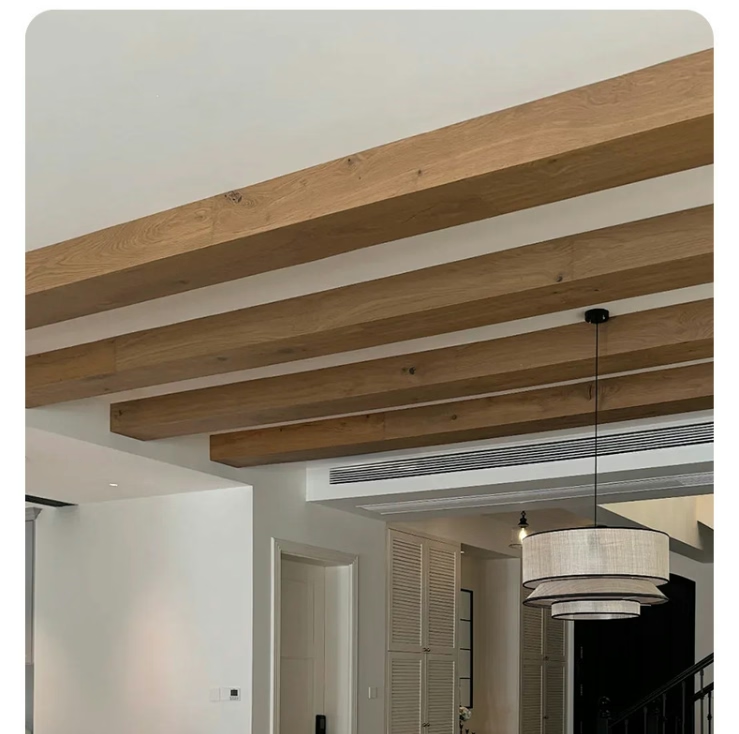
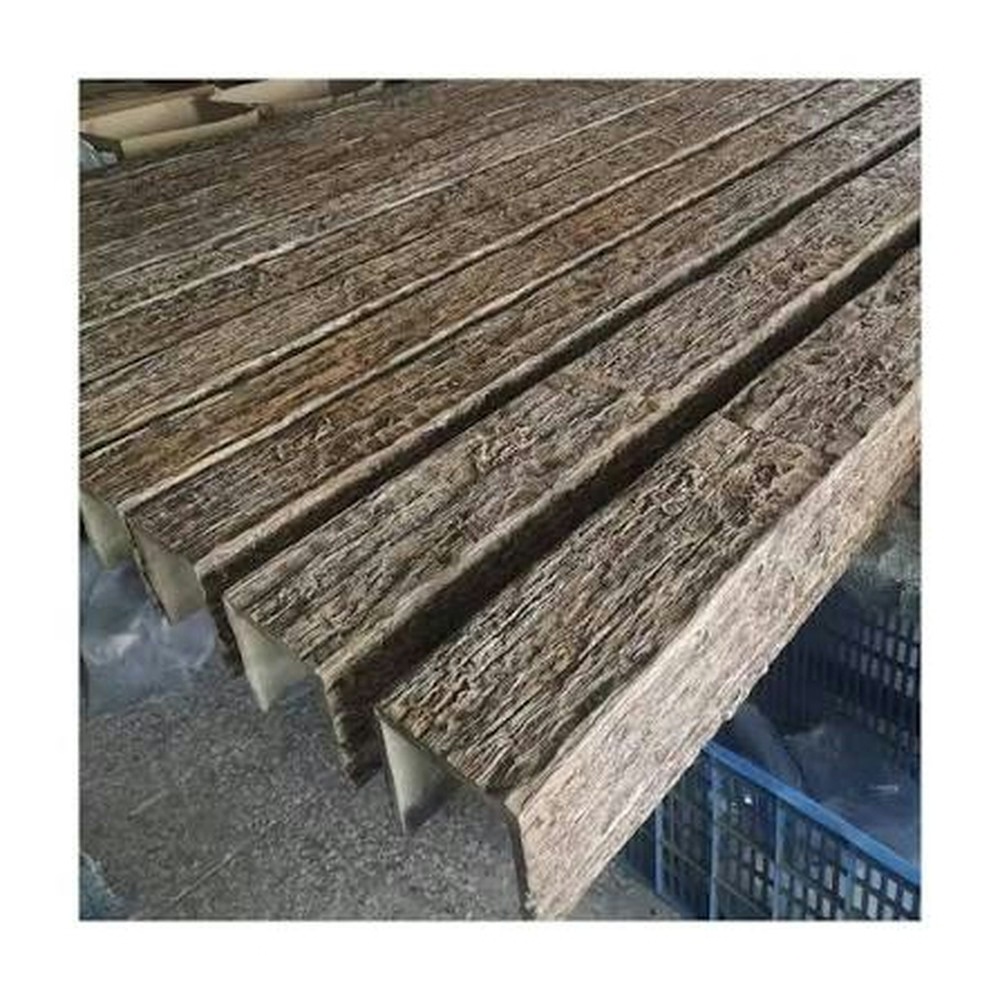
U-shaped hollow beams represent engineering innovation meeting aesthetic demand. The distinctive profile delivers impressive visual presence while maintaining the lightweight advantages that make polyurethane installation so practical. These hollow structural elements have transformed ceiling design possibilities across residential and commercial applications.
The architectural significance of U-profile design deserves attention. Natural wood beams that approximate hollow profiles require expensive milling operations—removing interior material from solid timber creates significant waste while weakening structural capacity. Polyurethane injection molding produces hollow profiles efficiently, maintaining consistent wall thickness throughout the interior cavity. The manufacturing advantage translates directly to consumer pricing benefits.
Weight reduction from hollow construction compounds installation advantages. Even lighter than solid polyurethane beams, hollow U-profile options can weigh 85-90% less than equivalent timber beams. The implications ripple through project planning—ceiling structures that would require reinforcement for wood become viable with standard construction. The installation speed increases further when crews handle lighter materials through awkward overhead positions.
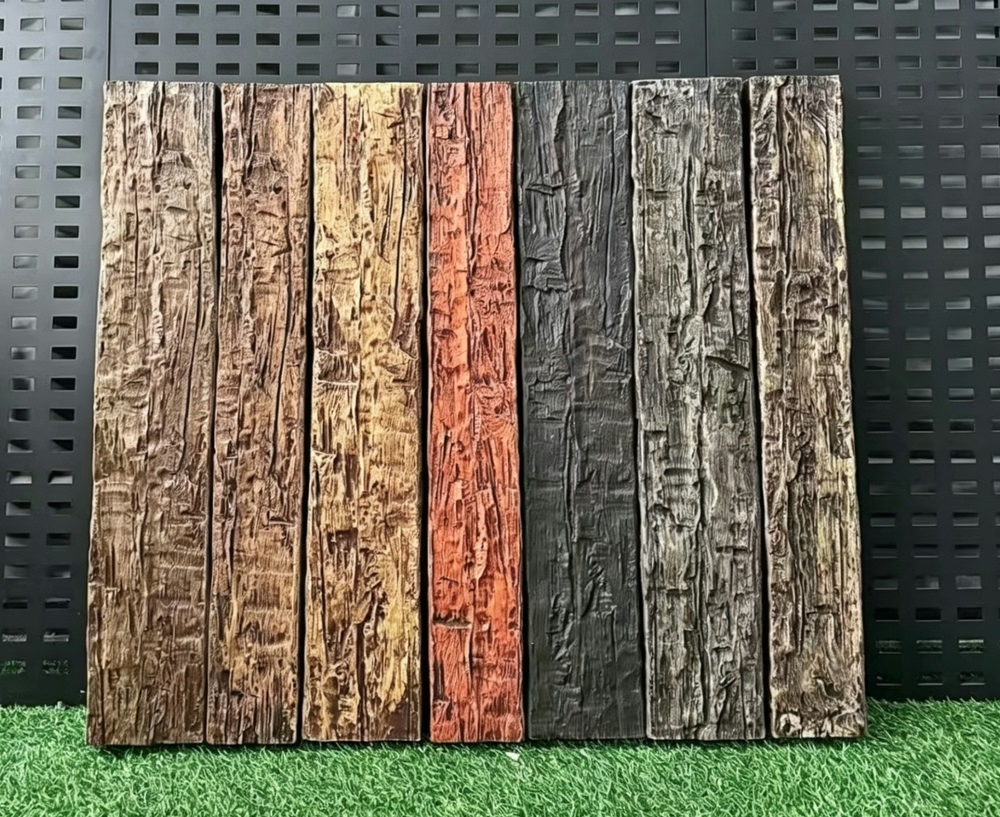
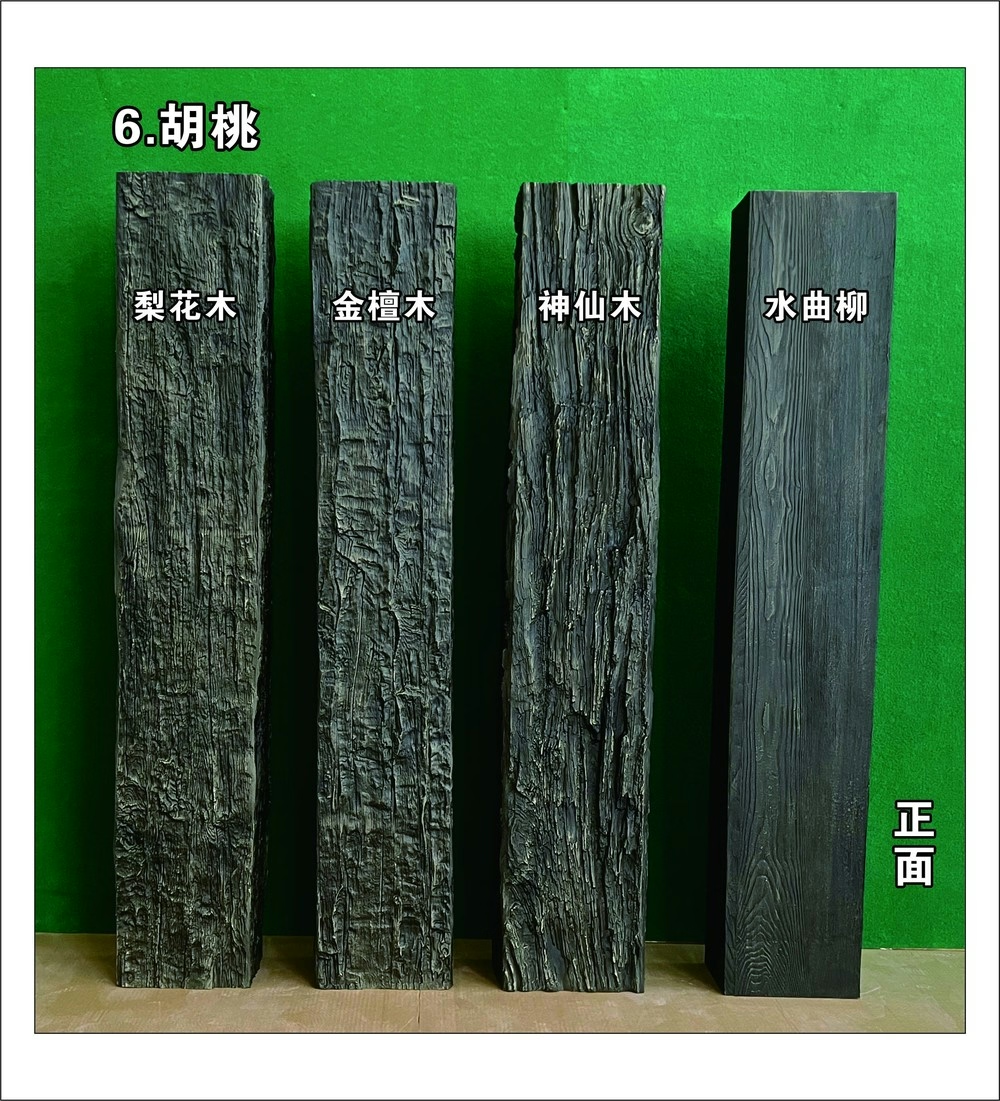
The visual impact of U-profile beams rivals solid alternatives. Interior surfaces often remain visible, displaying the same wood grain textures that appear on exterior faces. The hollow interior can accommodate recessed lighting, concealed wiring, or hidden structural supports. The functional cavity adds practical value without sacrificing aesthetic appeal.
Structural mounting considerations favor hollow beam designs. The open back configuration allows direct attachment to ceiling joists through multiple points along the beam's length. This distributed mounting approach provides superior holding power compared to spot mounting methods. The resulting installations resist movement, vibration, and settling better than alternative approaches.
Thermal and acoustic properties benefit from hollow construction. The air cavity within U-profile beams provides natural insulation, reducing heat transfer between finished spaces and unconditioned areas above. Sound transmission decreases similarly, with the hollow interior breaking up acoustic patterns that solid materials would transmit directly. These passive performance benefits require no additional investment or installation complexity.
Lighting integration possibilities expand dramatically with hollow beam designs. Recessed fixtures disappear into beam cavities, creating clean illumination without ceiling disruption. LED strips mounted within hollow interiors produce ambient lighting effects that solid beams cannot achieve. The combination of aesthetic appeal and functional lighting makes hollow beams particularly valuable in contemporary design contexts.
Commercial applications demonstrate hollow beam versatility effectively. Hospitality venues, retail spaces, and office environments benefit from the installation speed and visual impact combination. Projects that would stretch timelines with complex ceiling treatments complete quickly using hollow U-profile beams. The accelerated occupancy enables earlier revenue generation that outweighs material cost considerations.
Material quantity optimization helps hollow beam economics further. Projects specifying these profiles consume less raw material per linear foot compared to solid alternatives. Manufacturers pass these savings forward through competitive pricing. The environmental benefits from reduced material consumption align with increasingly important sustainability considerations.
Foreign trade buyers recognize hollow beam advantages for specific project types. Multi-unit residential developments value the installation efficiency that compresses construction schedules. Renovation projects appreciate the weight advantages that minimize structural modifications. Hospitality chains benefit from consistent quality across multiple property installations. The product versatility supports diverse market needs effectively.
Design flexibility with hollow beams extends to custom applications. Radius beams for curved ceilings, angled beams for vaulted spaces, and segmented beams for complex geometries all adapt to hollow construction techniques. The manufacturing process handles these variations efficiently, enabling design visions that would prove prohibitively expensive using traditional materials.
Quality considerations for hollow beams focus on wall thickness consistency and interior surface finish. Premium products maintain uniform wall dimensions throughout the cavity, ensuring predictable mounting and structural behavior. Interior surfaces should receive at least basic texturing to prevent visual exposure through any gaps in installation. These quality markers distinguish professional-grade hollow beams from budget alternatives.
The hollow U-profile beam category has earned its place in modern ceiling design. The combination of visual impact, practical advantages, and economic sense creates value propositions that resonate across market segments. Projects seeking efficient, attractive ceiling treatment find hollow polyurethane beams deliver exactly what they need.
Technical References
ASTM standards cited in every specification
Test Data
Lab results from internal testing program
Updated 2026
Reviewed against current product specs