Built-In Cable Divider Channels Inside PU Faux Timber Beams
Modern construction increasingly requires integration of electrical, data, and communication infrastructure within architectural elements. The demand for clean aesthetics while accommodating extensive cabling creates design challenges that traditional materials cannot address. Built-in cable divider channels within polyurethane faux timber beams resolve these challenges elegantly, enabling functional infrastructure within beautiful beam installations.
The cable management concept responds to contemporary building requirements. Offices need extensive data cabling. Homes require electrical runs for lighting, entertainment, and smart home systems. Commercial spaces demand communication infrastructure for business operations. The cable quantity grows continuously as technology penetrates deeper into built environments.
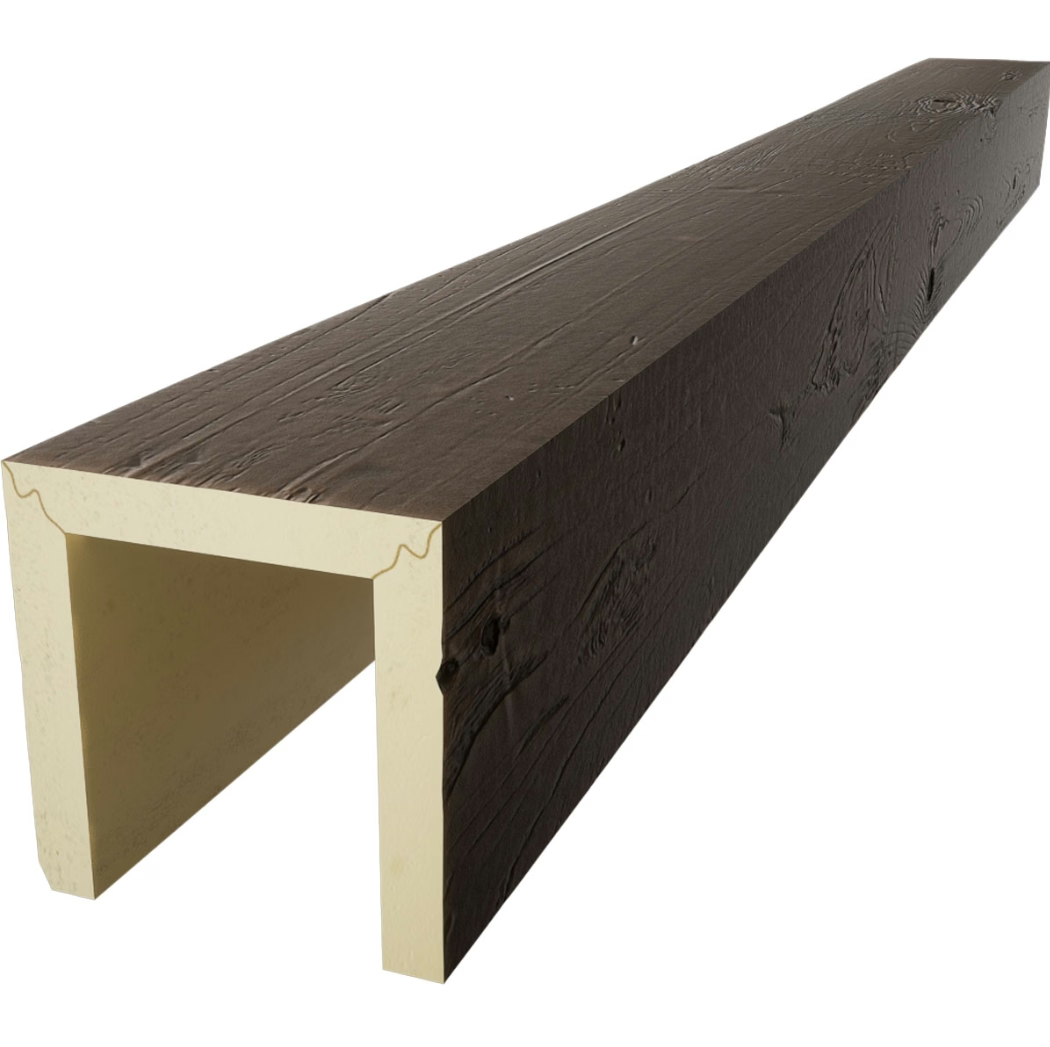
Beam-integrated channels provide organized cable routing that simplifies installation and maintenance. Rather than running cables through separate conduits or exposed installations, cables route through dedicated channels within beam cavities. The organized approach reduces installation labor while enabling future access for modifications or repairs. The hidden infrastructure supports visible aesthetic quality.
Channel design varies to accommodate different cable types and quantities. Some beams include single large channels suitable for electrical runs. Others feature multiple smaller channels that separate data cables from power lines. The design flexibility enables specification matching for specific project infrastructure requirements. Custom channel configurations address unique project needs.
Separation between cable types addresses technical requirements and code compliance. Electrical cables typically require separation from low-voltage data infrastructure to prevent interference and meet electrical codes. Multi-channel beam designs provide appropriate physical separation. The organized routing simplifies compliance verification during inspections.
Installation efficiency improves dramatically when cable routing through beams gets planned during design phases. Electricians appreciate the predetermined pathways that eliminate on-site coordination challenges. The clear routing guides reduce installation errors and rework. Projects complete faster when infrastructure installation proceeds predictably.
Future flexibility remains valuable throughout building service life. Technology changes require cable modifications—additional runs, replacement of outdated infrastructure, and reconfiguration for new uses. Beams with accessible cable channels enable these modifications without ceiling disruption. The renovation cost avoidance provides ongoing value that justifies channel integration investment.
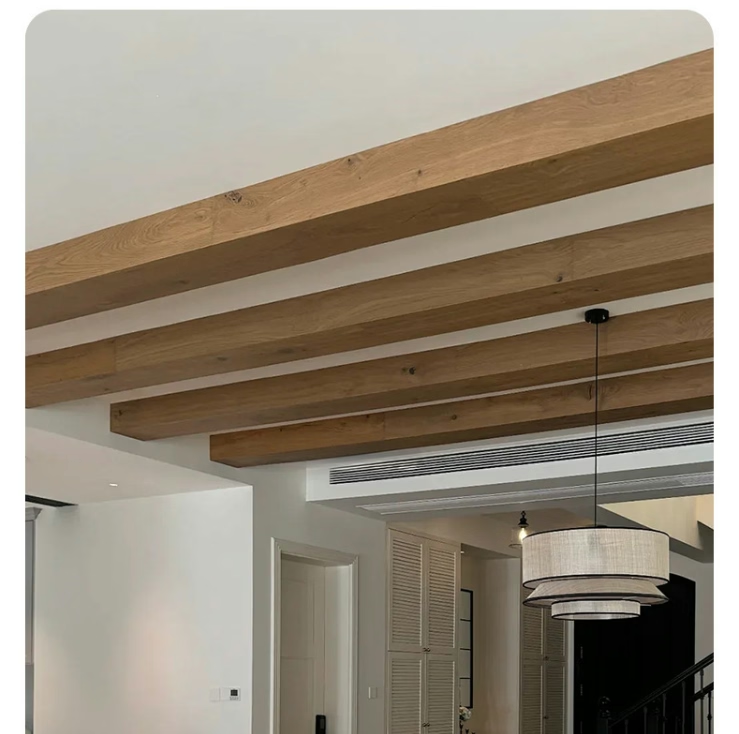
Aesthetic benefits accompany the functional advantages. Cable channels enable clean ceiling surfaces without visible conduit runs. Light fixtures, speakers, and other ceiling-mounted elements connect through hidden pathways. The result presents the appearance of traditional timber beams while accommodating contemporary infrastructure requirements.
Maintenance access through designed cable channels supports long-term building operations. Technicians can trace connections and identify issues without destructive investigation. The accessibility reduces maintenance time and cost while preserving beam aesthetics. The hidden infrastructure remains manageable throughout building life.
Commercial applications particularly benefit from cable channel integration. Office tenant improvements frequently require extensive cabling that strains existing infrastructure. Buildings with beam-integrated channels accommodate these requirements more efficiently. The infrastructure advantage influences leasing decisions for tenants evaluating space options.
Residential technology integration also benefits from cable management through beams. Home theater systems, whole-home audio, and smart home infrastructure all require careful cable management. Beams with cable channels provide the routing infrastructure that makes these systems possible without compromising aesthetic goals.
Foreign trade buyers recognize cable management features as differentiators in competitive markets. Buildings designed for technology-intensive uses prioritize infrastructure integration. Projects seeking premium positioning offer beam products with cable management capabilities. The value-added features support pricing premiums that benefit distributors and contractors.
Quality considerations for cable channel beams focus on channel accessibility and cover security. Channels should remain accessible without special tools while preventing accidental exposure. Cover designs that snap securely but open easily balance security with convenience. These details distinguish premium cable channel beams from basic alternatives.
Built-in cable divider channels represent evolution in beam functionality. The integration of infrastructure management within architectural elements responds to contemporary building requirements. Projects incorporating these beams gain both aesthetic quality and practical functionality. The combination positions cable channel beams as preferred choices for technology-aware construction.
Technical References
ASTM standards cited in every specification
Test Data
Lab results from internal testing program
Updated 2026
Reviewed against current product specs