Bulk Container PU Faux Timber Beams for Large-Scale Multi-Unit Housing Developments
Multi-unit housing developments present construction challenges distinct from single-family projects. The scale of material requirements, the coordination complexity, and the quality consistency demands exceed what residential projects typically involve. Bulk container procurement of polyurethane faux timber beams addresses these requirements through efficient supply arrangements that support successful project completion.
Developer relationships with beam suppliers extend beyond simple transactional purchasing. Professional suppliers understand development project requirements and adapt services accordingly. Specification assistance helps developers select beams that match overall project design. Logistics coordination ensures materials arrive when construction schedules demand. The partnership approach supports development success that generates repeat business.
Quantity requirements for large developments often approach or exceed container-level volumes. A 200-unit apartment complex might require thousands of linear feet of beams across multiple building types. The volume justifies pricing negotiations that smaller purchasers cannot achieve. The economies extend to logistics optimization that reduces per-unit shipping costs significantly.
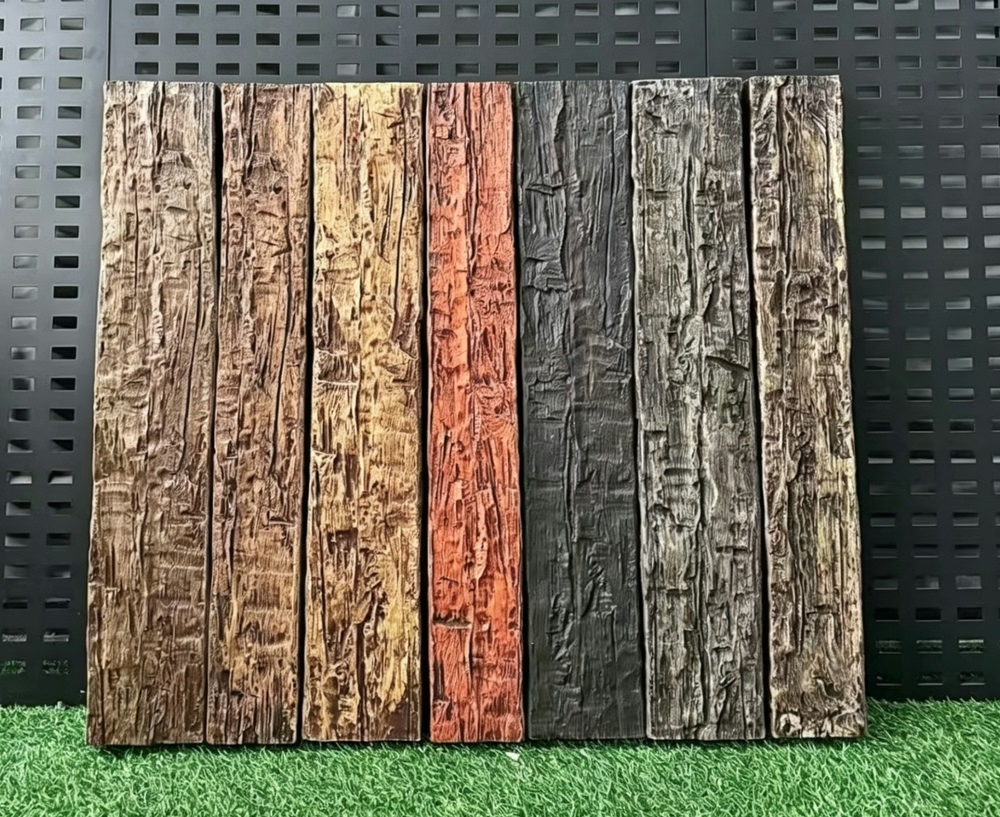
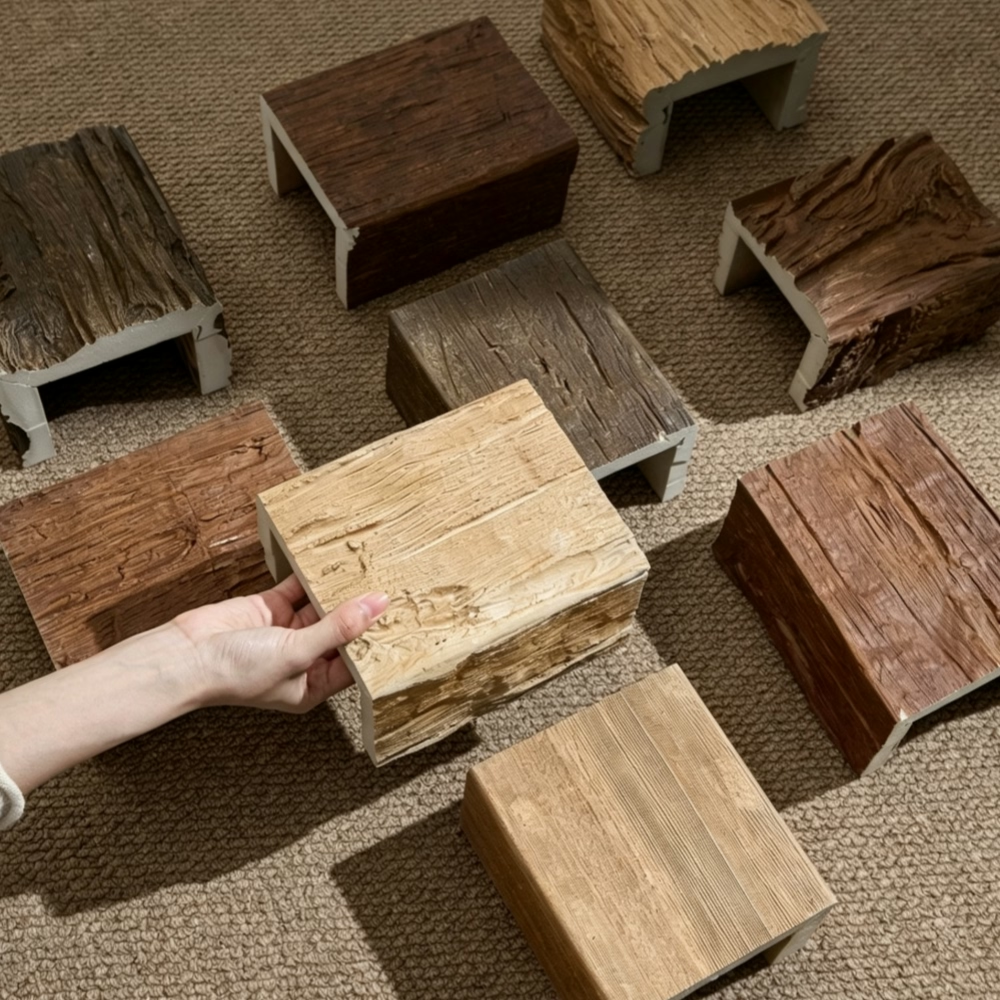
Consistency requirements across multi-building developments demand manufacturing excellence. Every beam in every building must meet identical specifications. Color must match across all units. Dimensions must hold tolerances consistently. Surface texture must present uniform appearance. Manufacturing processes must maintain these standards throughout extended production runs. The quality discipline protects development reputation.
Construction sequencing for large developments requires precise material delivery coordination. Different building phases demand different beam types and quantities. Suppliers capable of staged delivery support construction schedules that require materials exactly when needed. Excess inventory creates site congestion while shortages delay completion. The delivery precision prevents both problems.
Installation workforce planning benefits from consistent beam characteristics. Workers who install beams repetitively develop efficiency that accelerates completion. Standardized procedures apply across the development. Training investments pay returns through all buildings. The workforce development advantages multiply across larger developments.
Quality assurance programs for development projects typically exceed residential standards. Third-party inspection, independent testing, and documentation requirements all increase with project scale. Suppliers must support these programs through certification availability, testing cooperation, and quality transparency. The compliance capability differentiates professional suppliers from casual exporters.
Cost control during development affects project viability directly. Material costs represent significant project expense where savings accumulate substantially. Competitive procurement, volume pricing, and logistics optimization all contribute to cost management. The savings enable developments to meet budget constraints or improve returns. Professional procurement practices pay direct financial returns.
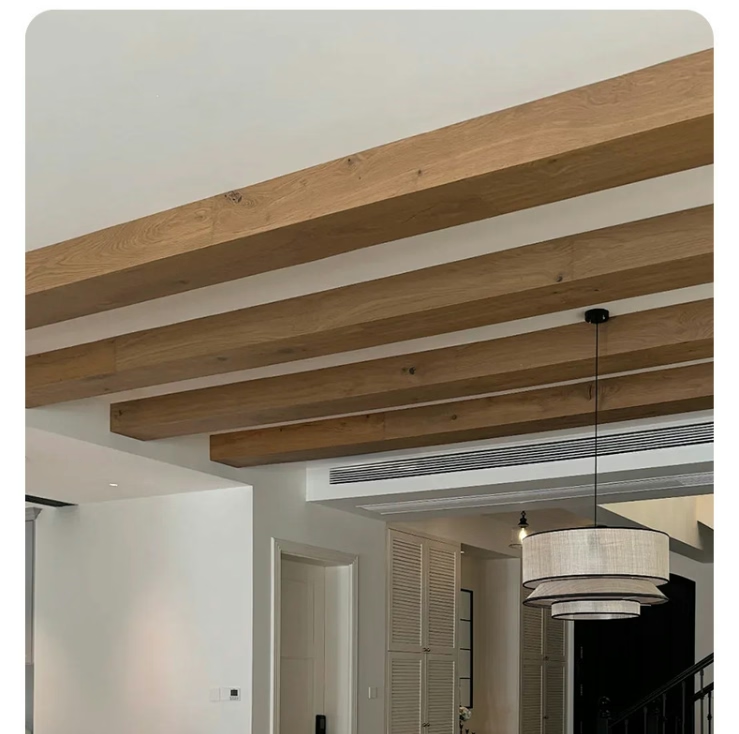
Market positioning for development projects depends partly on aesthetic quality that beams provide. Prospective tenants evaluate living spaces based on visual appeal. Buildings with beautiful beam details command premium rents compared to plain alternatives. The market advantage justifies beam investment through revenue enhancement that exceeds installation costs.
Foreign trade buyers serving development markets benefit from container-scale procurement relationships. Direct manufacturer connections enable competitive pricing. Quality verification processes ensure specification compliance. Logistics expertise handles international transport efficiently. The comprehensive service capability supports development success that generates ongoing procurement demand.
Sustainability considerations increasingly influence development material selection. Polyurethane beams reduce demand for timber harvesting. Manufacturing efficiency minimizes environmental impact. Extended product life reduces replacement frequency. The sustainability benefits align with green building certifications that developers increasingly pursue.
Large-scale multi-unit housing developments deserve supply arrangements that match their complexity. Bulk container procurement of polyurethane beams provides the scale, consistency, and professional support that development success requires. Projects that establish proper supply relationships position themselves for smooth execution and market success.
Technical References
ASTM standards cited in every specification
Test Data
Lab results from internal testing program
Updated 2026
Reviewed against current product specs