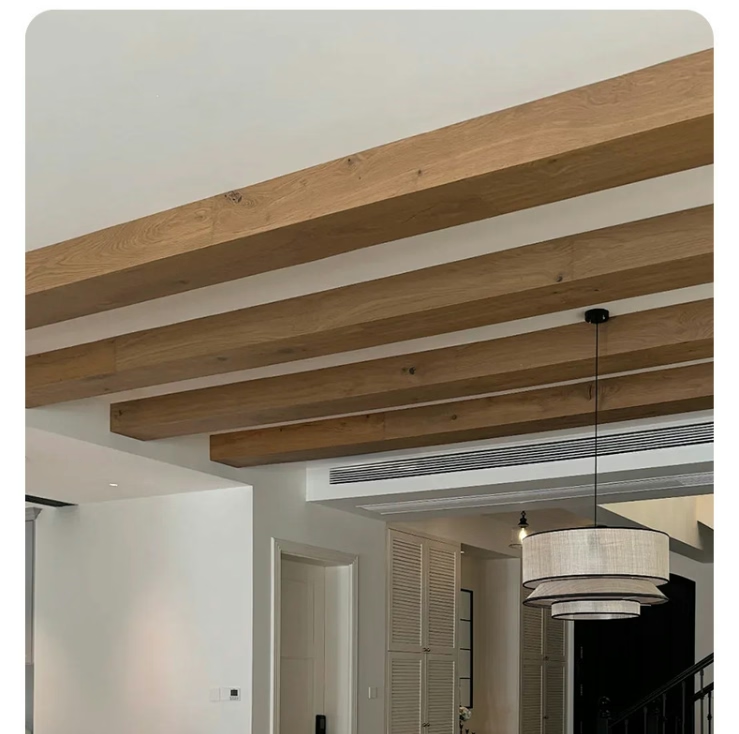
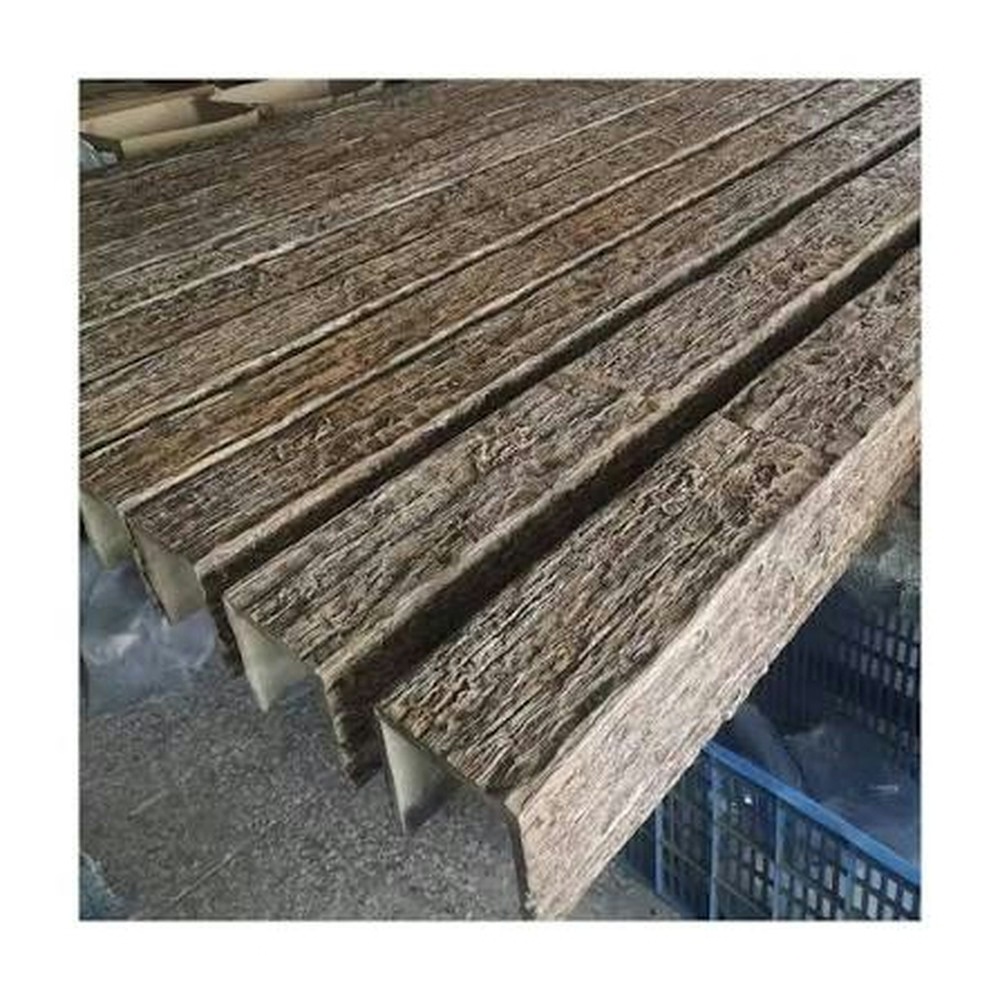
Bulk Faux Beam Materials for Large-Scale Commercial Construction Projects
Commercial construction projects operate at scales that dwarf residential renovation. The material volumes, coordination complexity, and professional requirements create distinct procurement dynamics. Bulk faux beam materials for large commercial projects demand supplier relationships and service capabilities that casual purchasing channels cannot provide.
Professional specification processes drive commercial beam selection. Architects and engineers specify materials based on performance requirements, aesthetic standards, and code compliance. The specification-driven approach means commercial buyers cannot simply select attractive products—they must source items meeting detailed technical requirements. Quality documentation and certification availability become essential.
Coordination complexity multiplies with commercial project scale. Multiple trades work simultaneously, each requiring materials according to coordinated schedules. Beam deliveries must align with installation sequences. Late deliveries create cascading delays. Early deliveries create site congestion. The logistics precision requires professional supply chain management that residential suppliers cannot provide.
Quality assurance requirements escalate with project visibility. Commercial projects attract professional scrutiny from building officials, insurance inspectors, and industry observers. Every material decision faces examination. Beams that meet specifications without documentation create risk that responsible parties avoid. The quality verification investment protects project stakeholders from future problems.
Installation workforce considerations differ for commercial scale. General contractors managing large projects need materials that support efficient crew operations. Consistent beam quality enables repetitive installation techniques that maximize productivity. Specification compliance eliminates rework that would disrupt tight project schedules. The labor efficiency contributions matter as much as material quality itself.
Cost management for commercial projects demands procurement sophistication. Budget constraints require competitive pricing without sacrificing quality. Volume purchasing leverage, logistics optimization, and payment term negotiations all contribute to cost control. Professional buyers understand that supplier relationships directly affect project economics.
Schedule risk management influences supplier selection significantly. Commercial projects face substantial penalties for late completion. Material delays represent schedule risk that sophisticated buyers work to eliminate. Suppliers with proven reliability, adequate capacity, and quality processes earn preference over marginally cheaper alternatives with uncertain track records.
Documentation requirements for commercial procurement exceed residential expectations. Submittals, product data sheets, test reports, samples, and certifications all require preparation and management. The administrative burden demands supplier cooperation that casual vendors may refuse or handle poorly. The documentation capability separates professional suppliers from opportunistic sellers.
Warranty expectations for commercial installations require supplier commitment. Building owners expect materials to perform throughout warranty periods without callbacks. Suppliers must stand behind their products through extended timeframes. The warranty commitment indicates supplier confidence in quality and service capability.
Foreign trade commercial buyers face amplified version of these requirements. International projects add customs, transport, and documentation complexity. Suppliers experienced in export markets understand these requirements and manage them efficiently. The international expertise justifies supplier relationship investments that domestic buyers avoid.
Sustainability credentials increasingly influence commercial specification. Green building certifications require documentation of material environmental characteristics. Recycled content, manufacturing efficiency, and product longevity all contribute to sustainability assessments. Polyurethane beams with favorable sustainability profiles benefit from these certification requirements.
Large-scale commercial construction deserves supply partnerships matching project complexity. The material volumes, quality requirements, and coordination demands exceed casual purchasing capability. Suppliers who invest in commercial service infrastructure attract professional buyers seeking reliable partnerships. The mutual value creation sustains relationships that benefit both parties across numerous successful projects.
Technical References
ASTM standards cited in every specification
Test Data
Lab results from internal testing program
Updated 2026
Reviewed against current product specs