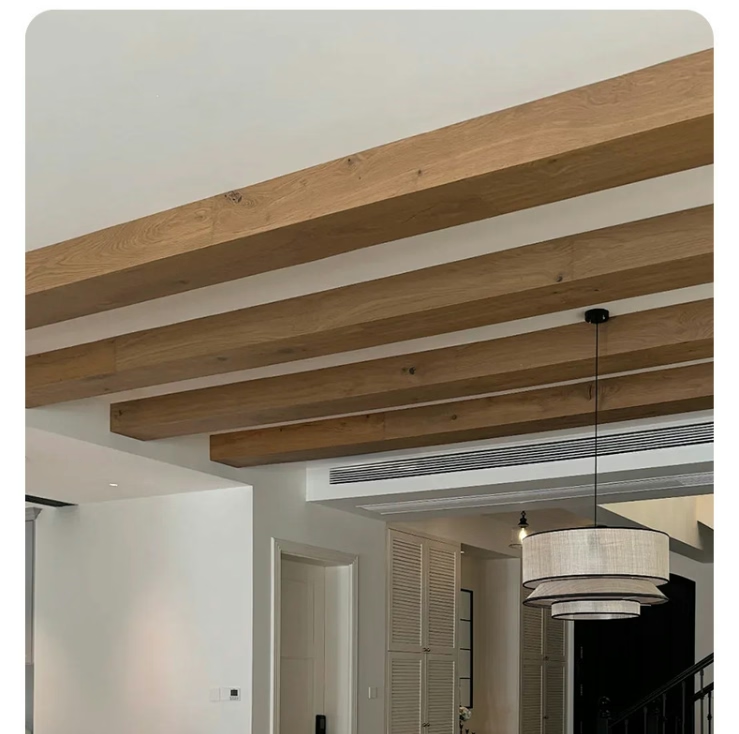
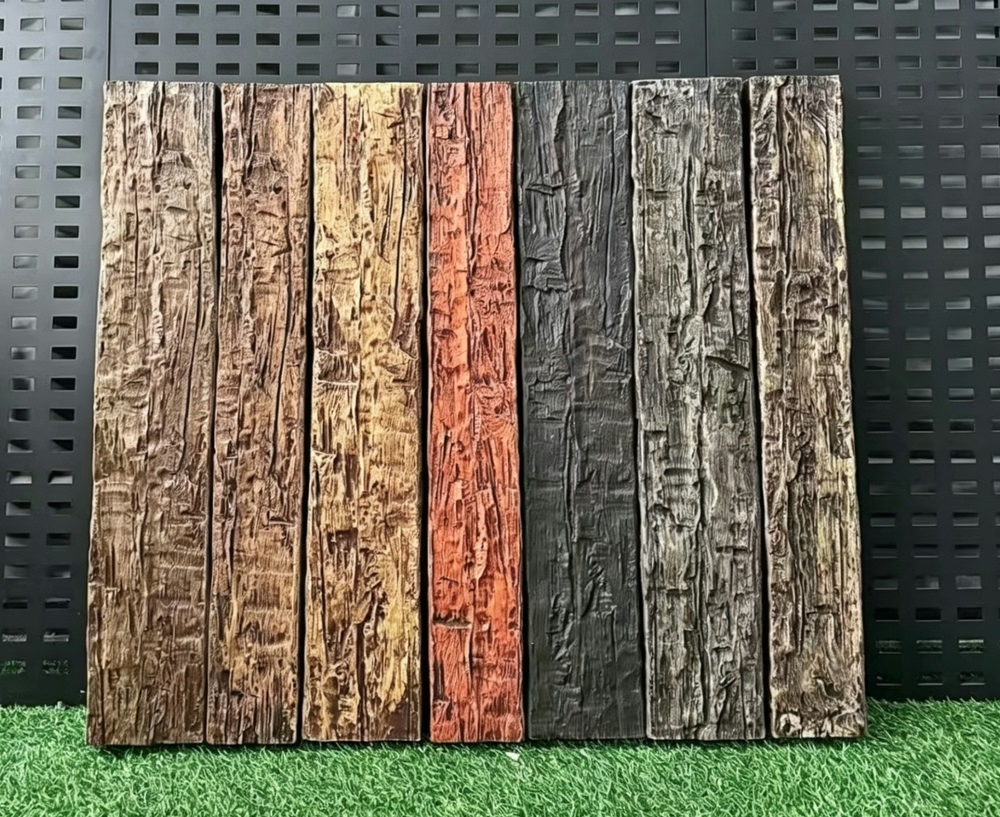
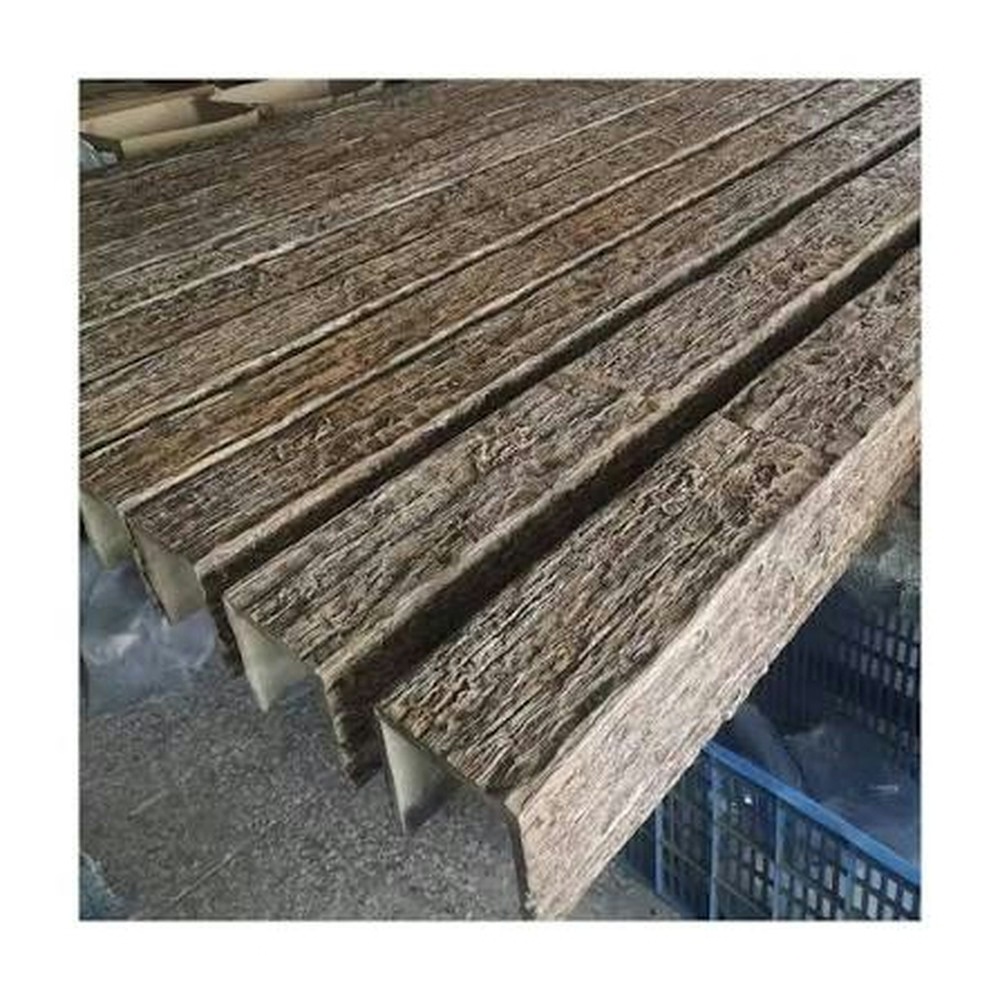
Bulk Wholesale Pricing for Premium Polyurethane Faux Wood Beams
Pricing strategies for premium products differ fundamentally from standard product approaches. Premium positioning requires pricing that communicates quality positioning while delivering value that justifies premium amounts. Understanding premium pricing dynamics enables purchasing decisions that align with quality requirements and budget constraints.
Premium pricing reflects manufacturing investments that produce superior products. Better raw materials, refined production processes, and rigorous quality control all increase costs that premium pricing must recover. The cost structure justifies prices that exceed standard alternatives. Buyers who understand this relationship appreciate premium pricing that less expensive options cannot match.
Value justification for premium pricing depends on application requirements that vary by project type. Applications demanding superior performance benefit from premium features that justify investment. Price-sensitive applications may not require premium characteristics that standard products provide adequately. The appropriate selection depends on understanding actual project requirements.
Total cost of ownership comparison between premium and standard options often favors premium despite higher initial prices. Extended service life, reduced maintenance, and consistent quality all contribute to lower lifetime costs. The comprehensive analysis reveals value that initial price comparison misses.
Competitive pricing within premium categories varies based on supplier positioning and market strategy. Premium products from different suppliers occupy different price points within premium ranges. Understanding where specific products position helps buyers select options that match their quality and pricing requirements.
Volume pricing for premium products follows tiered structures similar to standard products. Quantity discounts apply to premium offerings, though discount percentages may differ. Large orders of premium products still benefit from volume pricing that reduces per-unit costs proportionally.
Pricing negotiation for substantial premium purchases may yield additional value beyond published pricing. Suppliers willing to negotiate demonstrate flexibility that serves relationship development. The negotiation opportunity rewards buyers with substantial purchasing commitment.
Warranty and support services included with premium pricing add value that pure product comparison misses. Premium suppliers who stand behind products with comprehensive warranties provide security that lower-priced alternatives may lack. The service value factors into true pricing comparison.
Foreign trade premium product pricing includes logistics costs that domestic pricing avoids. International shipping, customs duties, and import fees all affect landed costs. Premium pricing that appears attractive may not remain competitive after adding international expenses. The comprehensive cost view enables accurate comparison.
Premium pricing reflects quality positioning that serves specific market segments. Professional buyers who require superior products accept premium pricing that delivers required characteristics. The value exchange benefits both parties—buyers receive quality that serves their needs while suppliers receive compensation that supports continued quality investment.
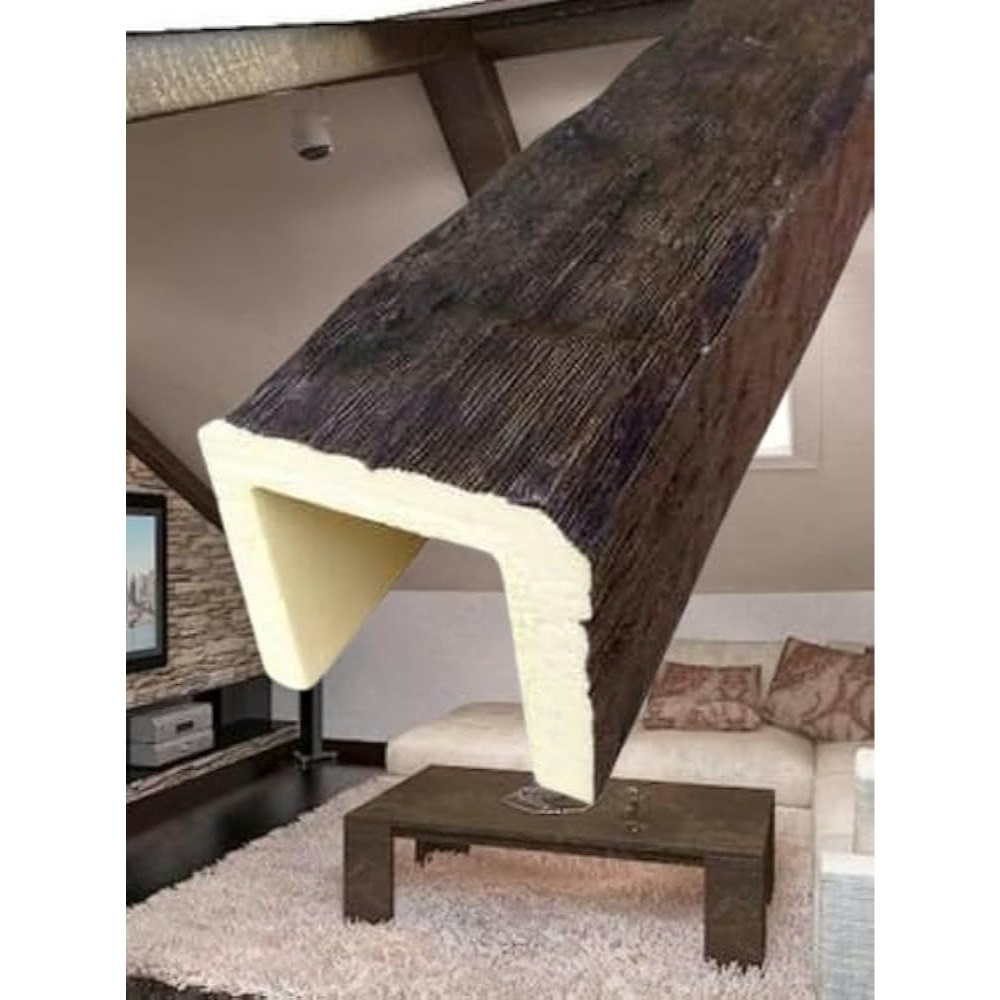
Technical References
ASTM standards cited in every specification
Test Data
Lab results from internal testing program
Updated 2026
Reviewed against current product specs