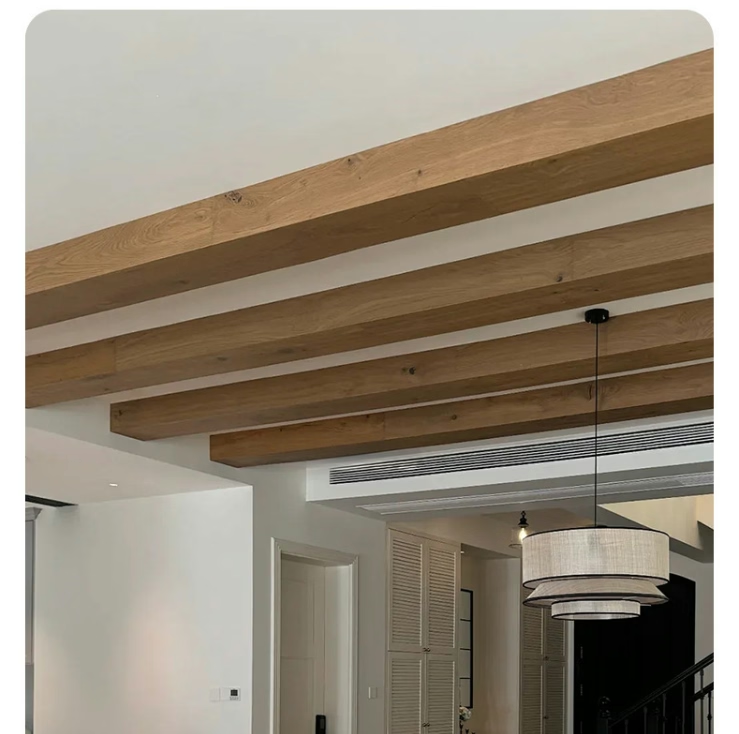
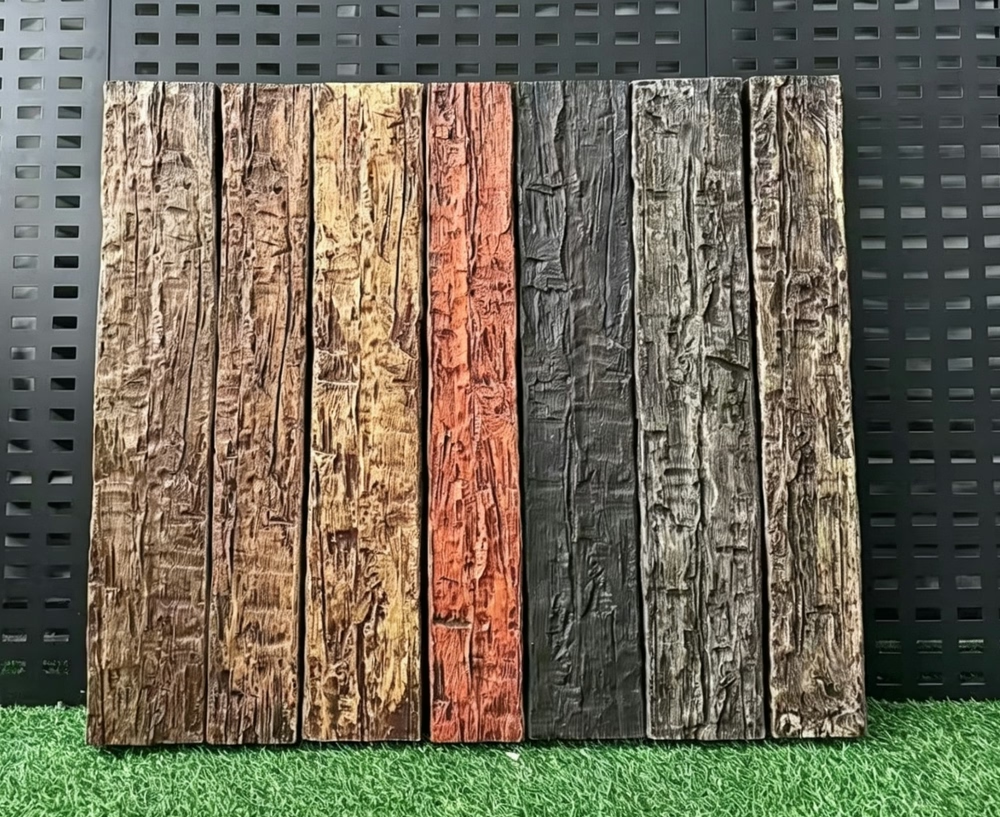
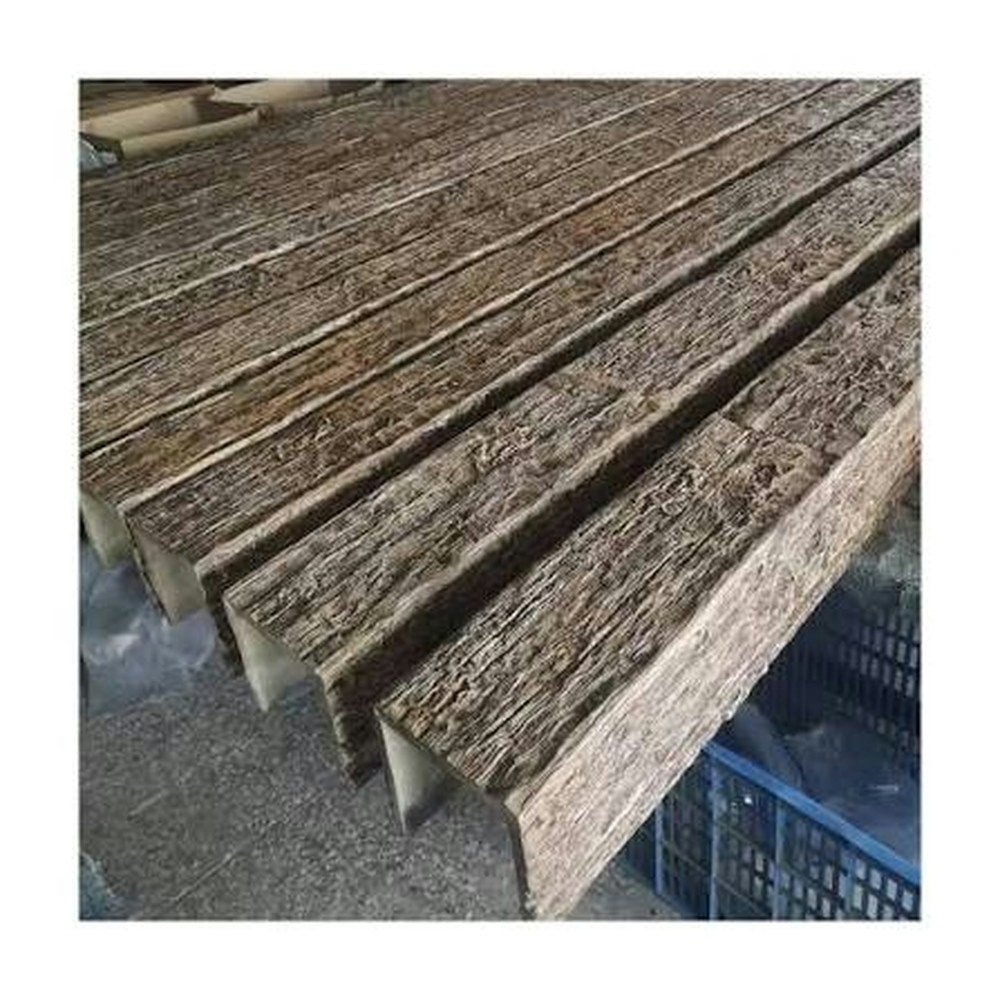
Bulk Wholesale PU Faux Wood Beams for Commercial & Residential Projects
Construction and renovation projects span contexts from pure commercial to purely residential with numerous variations between. Polyurethane faux wood beams serving both markets must accommodate requirements that overlap while differing in important respects. Understanding how quality products serve diverse applications reveals versatility that benefits suppliers and buyers alike.
Commercial applications typically demand higher durability standards than residential settings. Heavier traffic, more frequent cleaning, and greater wear characterize commercial environments. Beams meeting commercial durability requirements satisfy residential applications comfortably. The robust construction ensures long-term performance regardless of setting.
Residential applications often demand finer aesthetic detail than commercial specifications require. Homeowners evaluating products in personal spaces notice quality variations that commercial observers overlook. Products satisfying residential quality standards exceed commercial minimums typically. The aesthetic refinement enables residential success.
Installation expertise differs significantly between commercial and residential contexts. Commercial contractors bring specialized experience from repeated similar work. Residential installations often involve less experienced DIY efforts. Products balancing professional capability with accessible installation serve both markets effectively.
Budget dynamics in commercial and residential contexts show meaningful differences. Commercial projects typically operate within formal budgets controlled by professional oversight. Residential budgets often reflect personal financial constraints more directly. Pricing strategies serving both markets must accommodate these different dynamics.
Specification formality varies between market segments. Commercial specifications often follow established standards with formal documentation. Residential selection tends toward informal preference-based choice. Products positioned for both must accommodate specification approaches that differ substantially.
Maintenance resources differ based on property type. Commercial properties typically employ maintenance staff; residential properties rarely have dedicated maintenance. Products requiring minimal maintenance serve both contexts. The maintenance simplicity broadens applicability across markets.
Aesthetic preferences show commercial-residential variation. Commercial spaces often favor contemporary clean aesthetics. Residential markets include traditional preferences that commercial contexts might avoid. Product ranges serving both require versatility that narrow positioning cannot achieve.
Foreign trade serving both markets demands product flexibility that international diversity multiplies. Different countries emphasize different applications. Products capable of serving both enable market adaptability that specialization forecloses.
Supply relationships structure differently across markets. Commercial buyers often establish formal long-term arrangements. Residential purchasing tends toward transactional patterns. Suppliers serving both develop capabilities that accommodate different relationship structures.
Bulk wholesale strategies serving both commercial and residential markets create operational efficiencies. Manufacturing scale benefits both segments. Support infrastructure serves diverse requirements. The combined market coverage builds business resilience that single-market concentration lacks.
Technical References
ASTM standards cited in every specification
Test Data
Lab results from internal testing program
Updated 2026
Reviewed against current product specs