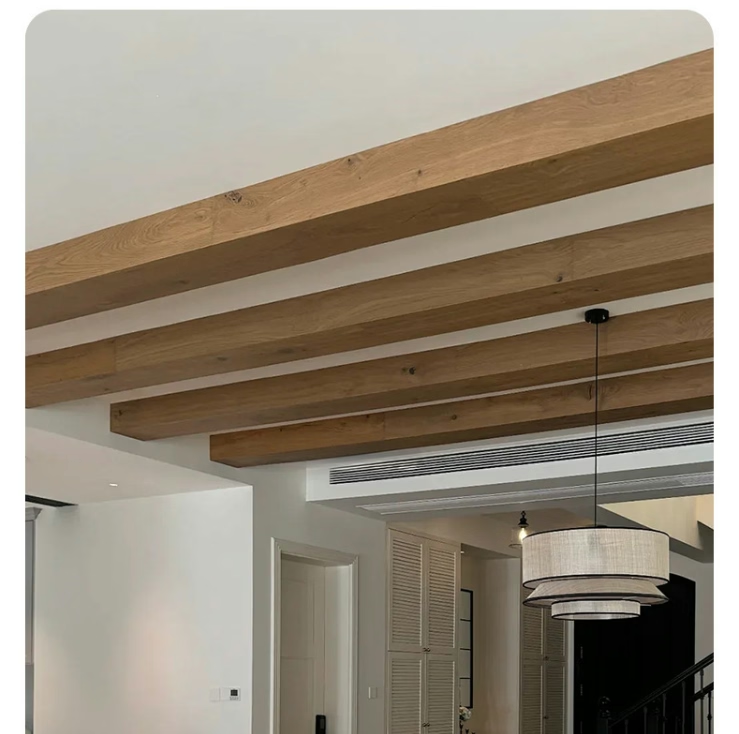
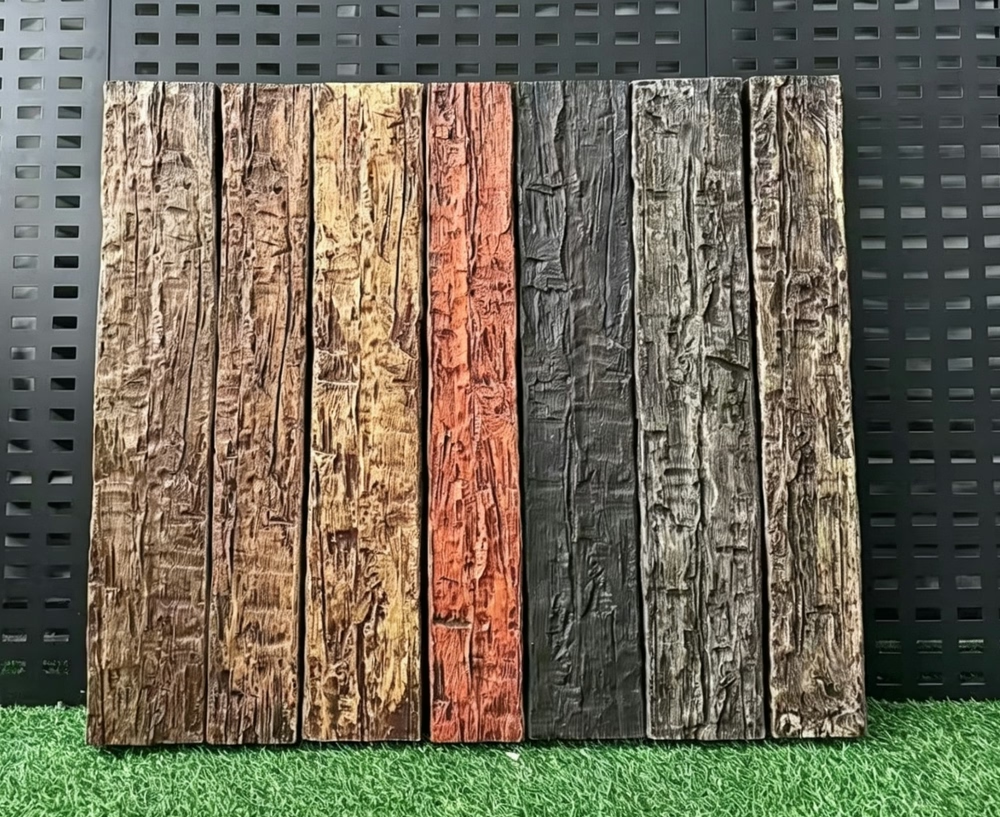
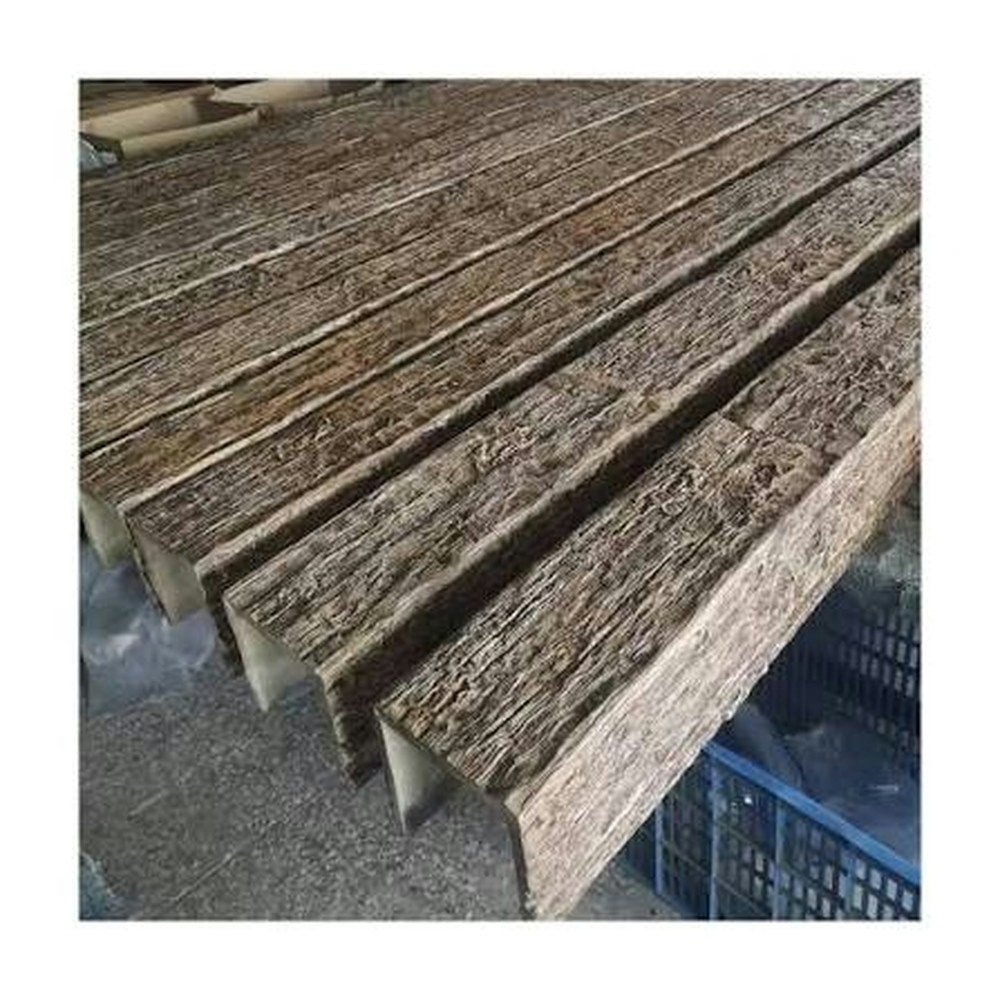
Cast Molded Polyurethane Faux Wood Beams
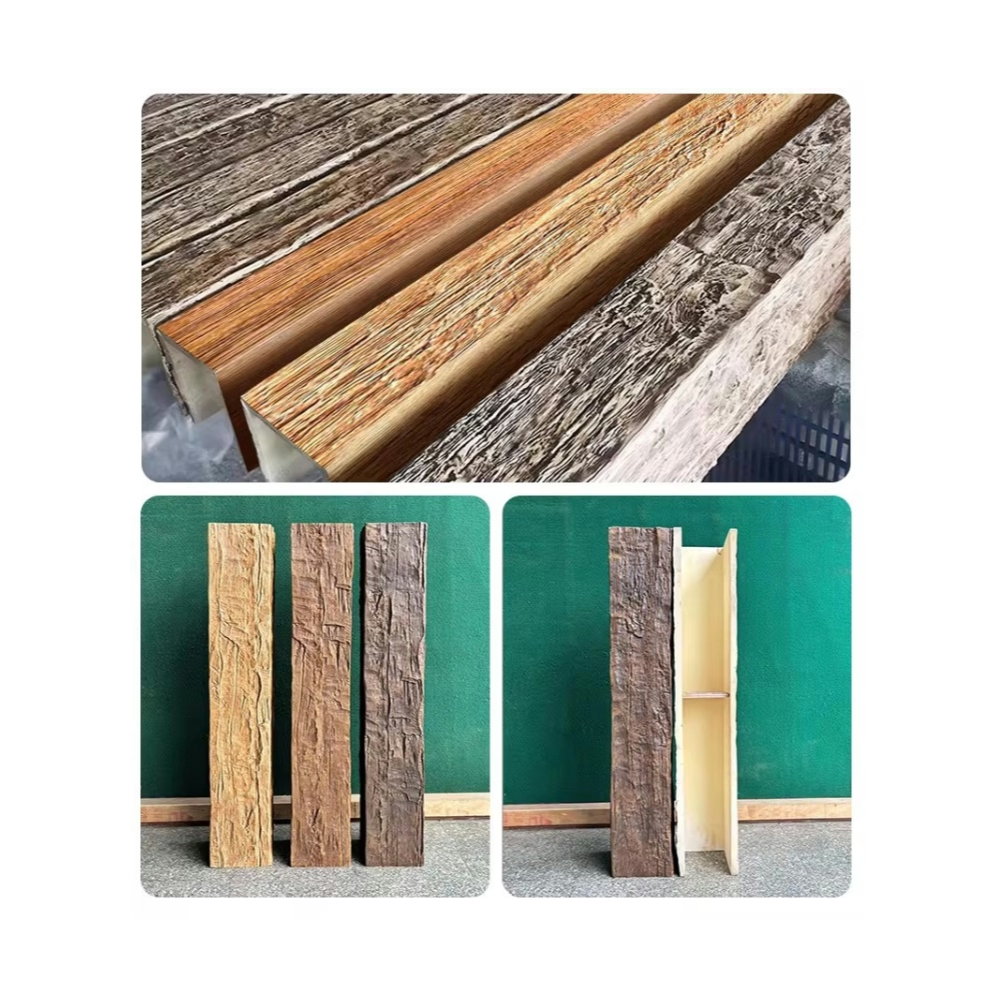
The manufacturing technology underlying quality polyurethane faux wood beams has evolved significantly over decades of development. Cast molding, sometimes called pour-and-cure or liquid molding, represents the production method that achieves the most realistic wood grain reproduction and the most consistent dimensional accuracy. Understanding this manufacturing process helps buyers evaluate product quality and select beams appropriate for specific project requirements.
Cast molding begins with master pattern creation, typically developed from authentic timber samples or custom architectural drawings. These master patterns capture every detail of genuine wood—knots, grain patterns, checking, and surface irregularities—that reproduction beams must replicate. Pattern makers skilled in wood reproduction translate visual characteristics into three-dimensional forms that subsequent production will duplicate faithfully.
The Casting Process Explained
Silicone rubber molds capture the master pattern's every contour through a multi-stage process. Liquid silicone poured over the master pattern cures to create flexible negative molds capable of thousands of reproductions while maintaining precise detail retention. Mold quality directly determines finished beam quality, making master pattern and mold creation the most critical manufacturing stages.
Polyurethane resin mixing follows precise formulations combining isocyanates, polyols, and specialized additives. Temperature control during mixing affects cure behavior and final material properties. Additives including pigments, UV stabilizers, and impact modifiers create specific performance characteristics that distinguish production grades.
The mixed polyurethane pours into waiting molds under controlled conditions. Vacuum degassing removes entrapped air bubbles that could compromise surface quality or structural integrity. Careful fill techniques prevent turbulent flow that might trap air in detailed areas like narrow grain lines or fine texture features.
Curing and Demolding
Thermal acceleration shortens cure times in production environments while ensuring complete polymerization. Controlled temperature chambers maintain consistent conditions that produce uniform results across production batches. Under-curing produces soft surfaces susceptible to damage, while over-curing creates brittleness that compromises impact resistance.
Demolding occurs once the part achieves sufficient green strength to handle safely. Trim operations remove flash—the thin excess material溢出 that fills mold seam gaps. This trimming requires skill to accomplish without damaging visible surfaces or altering dimensional accuracy.
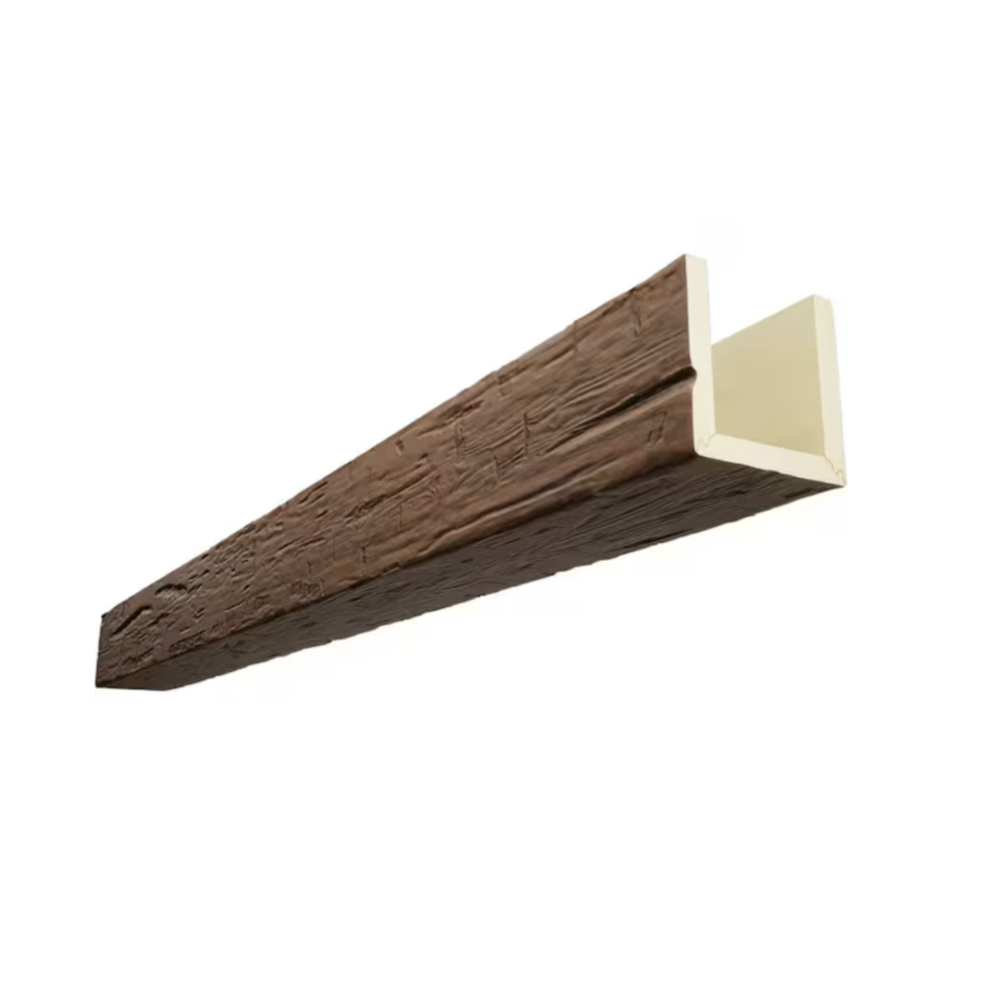
Surface Enhancement and Detailing
Post-casting operations add value that basic molding cannot achieve alone. Hand-applied highlights accentuate grain depth and knot darkness, creating the visual complexity that distinguishes premium products. These artisan operations add labor but produce results that purely automated production cannot match.
Priming prepares surfaces for painting or staining while providing additional protection against moisture penetration. Multiple primer coats with intermediate sanding create the foundation for durable finish systems that withstand years of use without deterioration.
Quality control inspection verifies every beam meets specifications before packaging and shipment. Dimensional verification, surface quality assessment, and finish adhesion testing ensure only conforming products reach customers.
Advantages of Cast Molding Technology
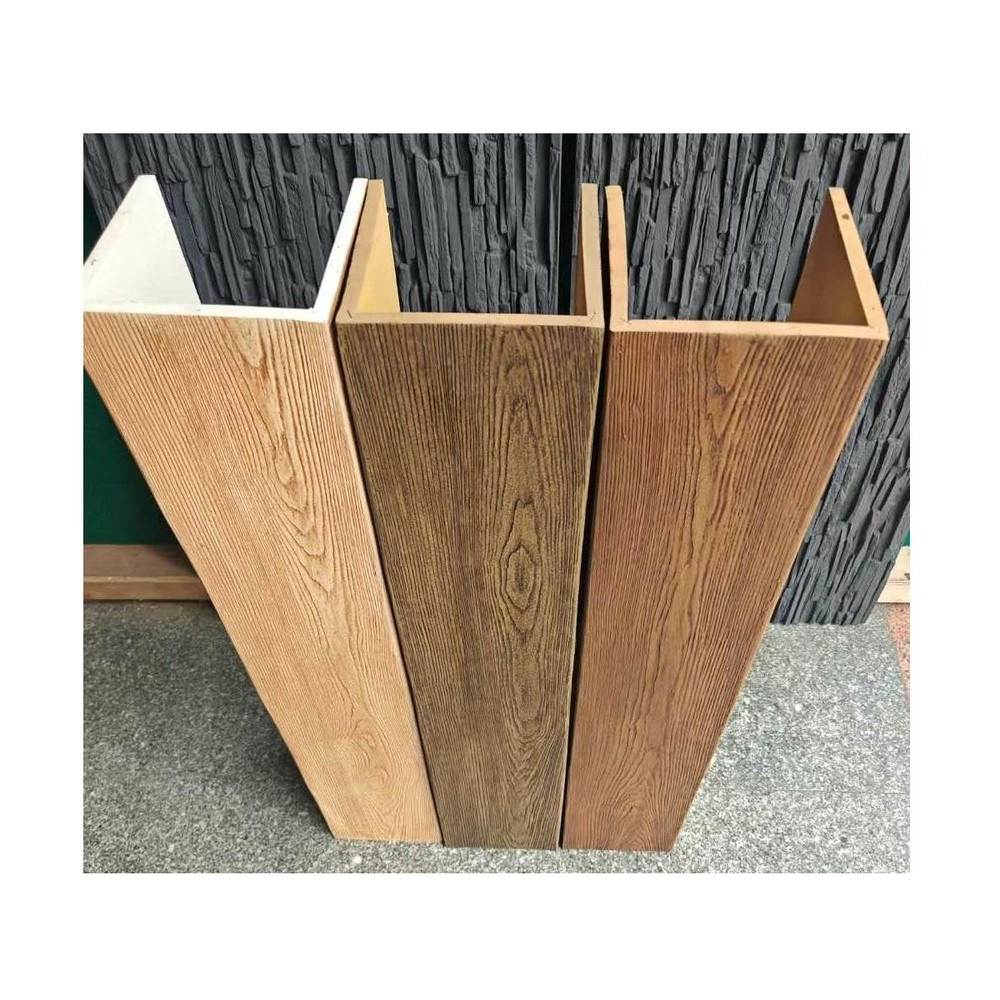
Design flexibility ranks among cast molding's most significant advantages. Complex profiles, compound curves, and intricate detailing present no greater manufacturing difficulty than simple rectangular sections. This versatility enables architectural creativity without production constraints that would otherwise limit design options.
Dimensional accuracy throughout beam lengths ensures consistent appearance and reliable installation. Unlike wood that seasons, warps, and twists unpredictably, cast polyurethane maintains its as-produced dimensions indefinitely. This stability simplifies installation and ensures results that continue looking good decades after installation.
Surface quality achieves wood-like warmth without wood's maintenance requirements. The tactile quality of well-cast beams feels substantial and authentic, avoiding the hollow plastic sensation that inferior production methods produce.
Comparing Production Methods
Reaction Injection Molding (RIM) serves larger architectural elements where shorter cycle times justify equipment investment. This variation on cast molding uses faster-reacting chemistry producing rigid or flexible parts with excellent surface reproduction.
Spray-up techniques apply polyurethane to molds without the mixing precision that pour methods achieve. These processes suit large, less detailed elements where production speed outweighs surface quality priorities.
Extruded polyurethane products offer continuous length production but sacrifice the detail reproduction that molds achieve. Extruded beams work well for simple profiles but cannot match cast products for realistic wood grain reproduction.
Selecting Quality Cast Molded Beams
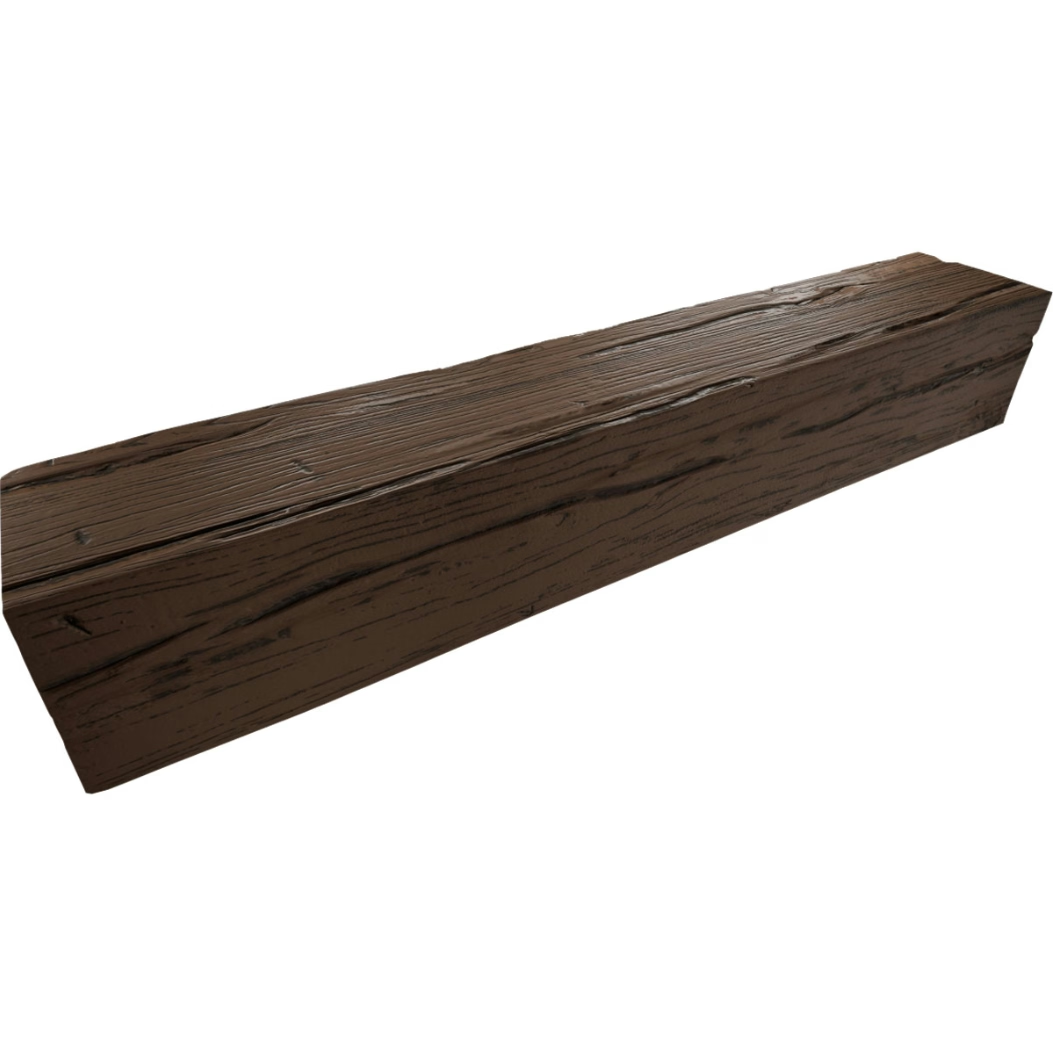
Visual inspection of sample beams reveals manufacturing quality that specifications cannot capture. Grain consistency, knot realism, and surface finish all vary significantly between producers. Requesting physical samples before committing to large orders prevents disappointment upon delivery.
Weight comparison between products of similar size indicates material density that affects durability and handling. Premium products use higher-density formulations providing better impact resistance and more authentic timber-like heft.
Finish adhesion testing on sample pieces predicts long-term performance in demanding applications. Simple tape-pull tests after finish application reveal whether surfaces will maintain their appearance through cleaning and use.
Conclusion
Cast molded polyurethane faux wood beams represent the intersection of manufacturing sophistication and design artistry. The controlled conditions of mold-based production enable consistent quality at scales that hand-crafting cannot achieve, while the attention to detail that skilled craftspeople provide ensures authentic wood appearance. These production methods make realistic faux beams accessible at price points that genuine timber cannot match.
Technical References
ASTM standards cited in every specification
Test Data
Lab results from internal testing program
Updated 2026
Reviewed against current product specs