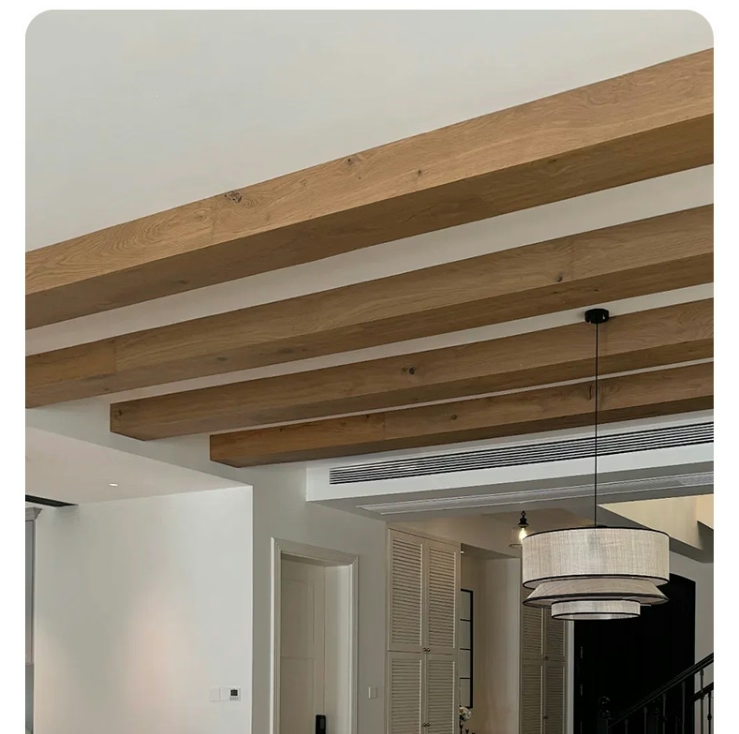
Casual Dining Room Faux Timber Beams for Warm Restaurant Ambiance
Restaurant interior design balances numerous competing considerations: aesthetic appeal, practical durability, acoustic comfort, and budget constraints. Ceiling beams offer significant impact on dining room atmosphere while demanding minimal sacrifice of valuable floor space. Faux timber beams provide the warmth and character that restaurant designers seek, delivered with installation simplicity and maintenance convenience that commercial environments demand.
The casual dining category encompasses diverse concepts from family-oriented chain restaurants to independent farm-to-table establishments. Each concept requires distinct aesthetic approaches while sharing fundamental requirements for durability and ease of maintenance. Understanding these shared and unique needs guides appropriate beam selection and specification.
Warmth Creation Through Material Selection
Wood tones create psychological warmth that influences dining behavior and perceived meal quality. Research into environmental psychology demonstrates that warm-appearing surroundings increase comfort perception and satisfaction ratings. Faux timber beams contribute significantly to this warmth quotient without the fire concerns that genuine timber raises in commercial kitchen proximity.
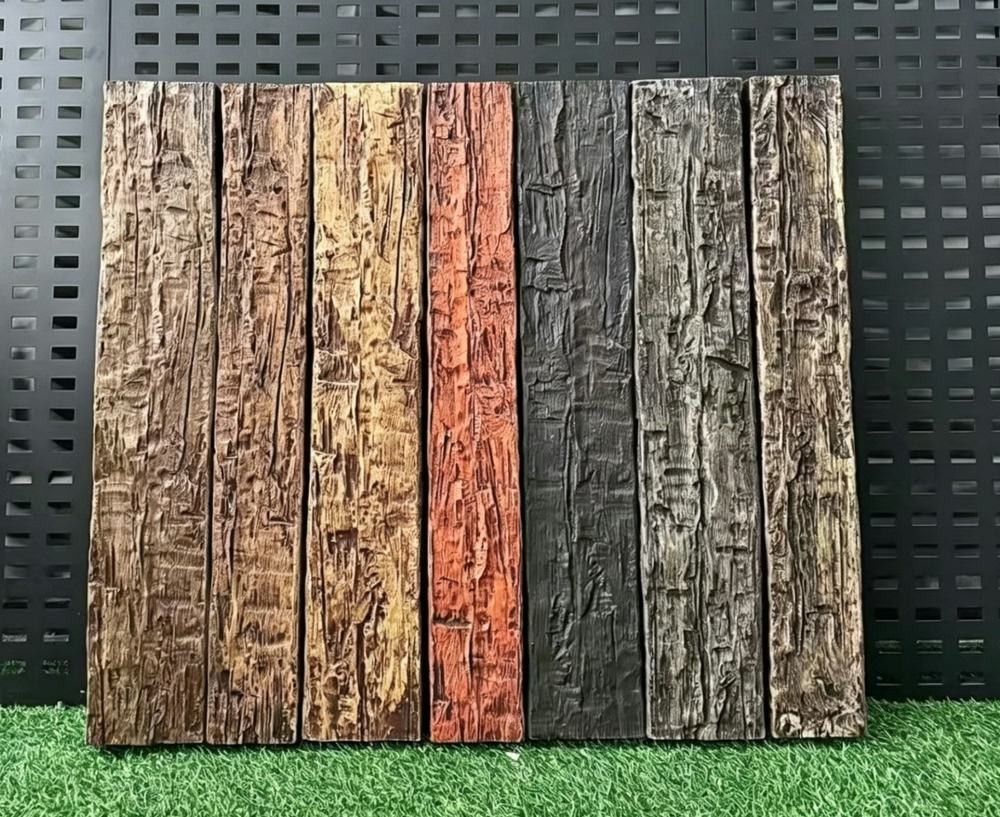
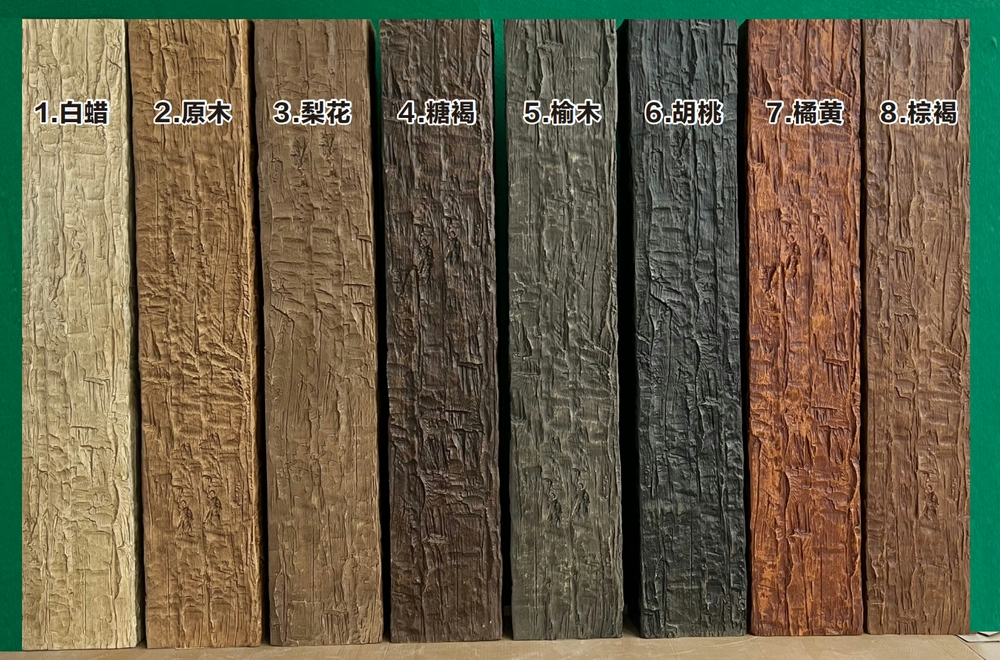
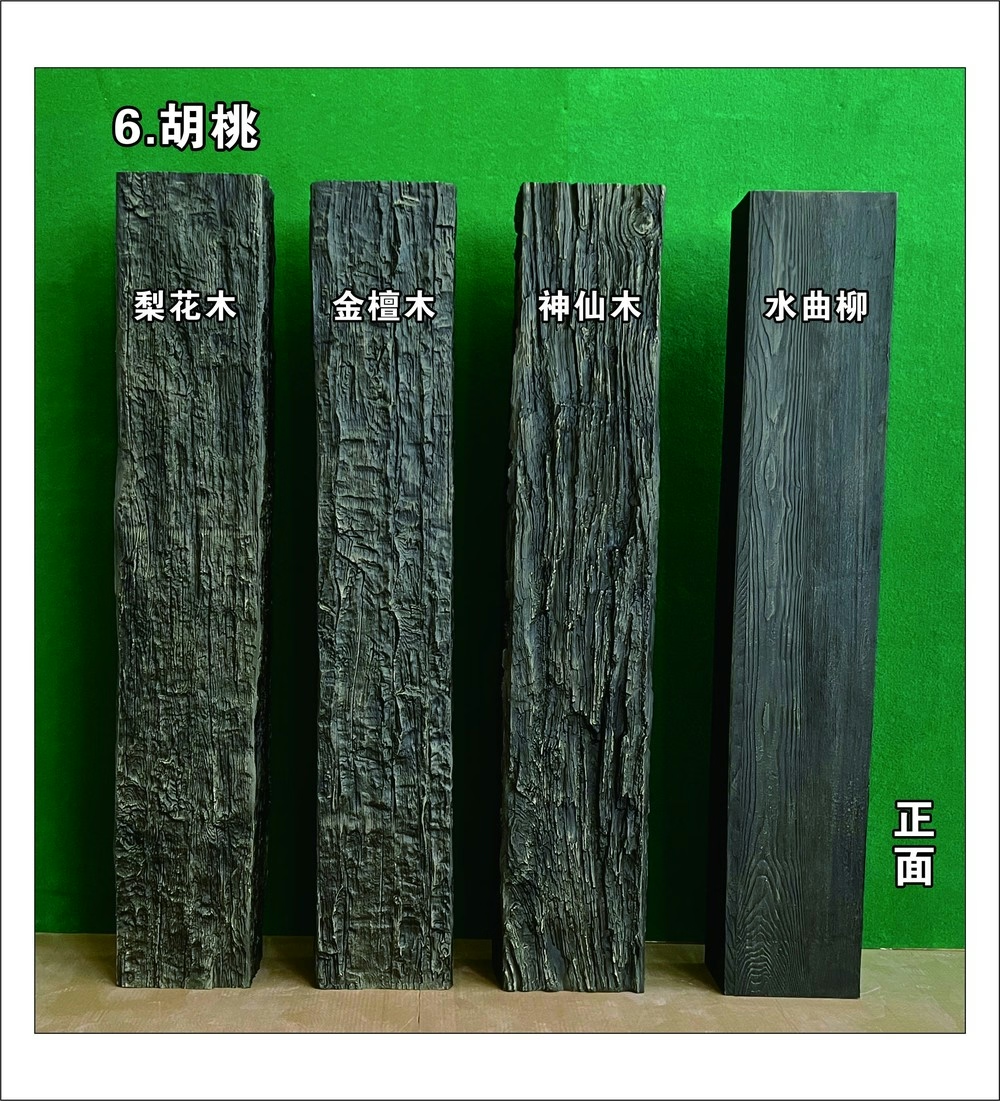
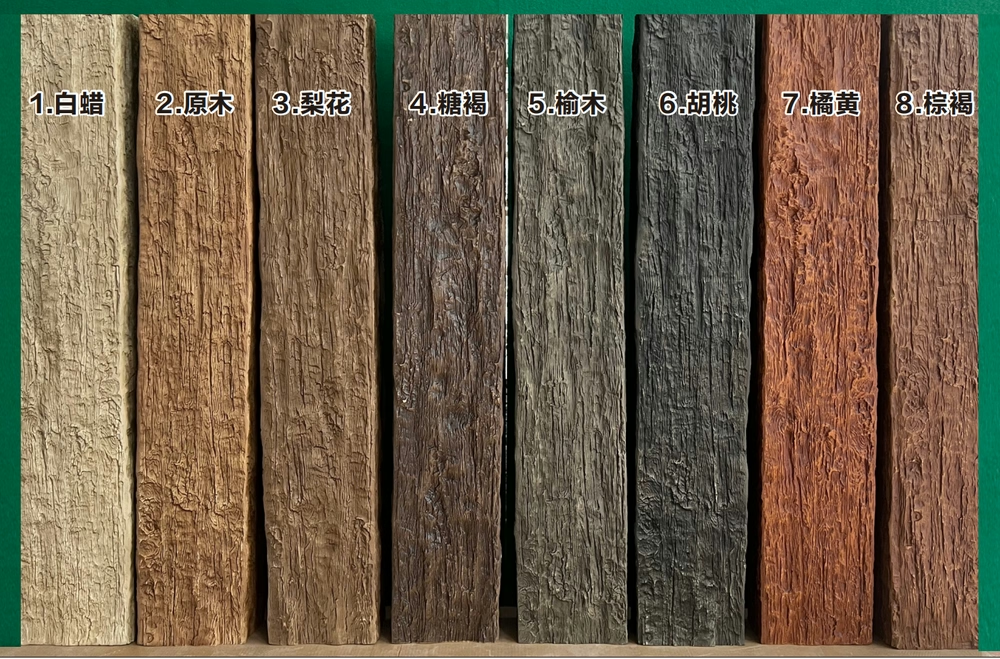
Species selection guides overall tone temperature within the warm spectrum. Honey oak tones project casual friendliness appropriate for family restaurants. Rich walnut and cherry finishes establish more upscale positioning without formal rigidity. Even painted beams in warm whites or soft creams maintain welcoming atmosphere when paired with timber accents.
Grain pattern intensity affects perceived authenticity and quality positioning. Bold, dramatic grain patterns suggest rustic authenticity suitable for lodge-style restaurants. Subtle, refined grain patterns project quality more appropriate for white-tablecloth establishments. Matching grain intensity to overall concept positioning ensures cohesive design communication.
Acoustic Considerations for Dining Spaces
Restaurants competing on conversation intimacy require acoustic management that beam installations can provide. Open-plan dining rooms with hard surfaces create uncomfortable noise levels that drive guests toward louder, less intimate competitors. Strategic beam placement introduces surface variation that breaks up sound reflections and moderates reverberation.
Solid and hollow beam constructions offer different acoustic benefits. Solid beams provide more substantial sound diffusion through their mass, scattering acoustic energy across varied angles. Hollow beams installed with careful spacing create beneficial interference patterns that reduce specific problem frequencies.
Acoustic engineers sometimes specify beam configurations targeting specific absorption coefficients. These technical requirements guide spacing, orientation, and size selection in restaurants where acoustic performance significantly impacts guest experience.
Installation Approaches for Commercial Environments
Restaurant ceiling construction varies significantly across building types and ages. Modern structures with open-web steel joists accommodate beam mounting through various hardware approaches. Historic buildings with exposed timber framing may require different techniques respecting original construction.
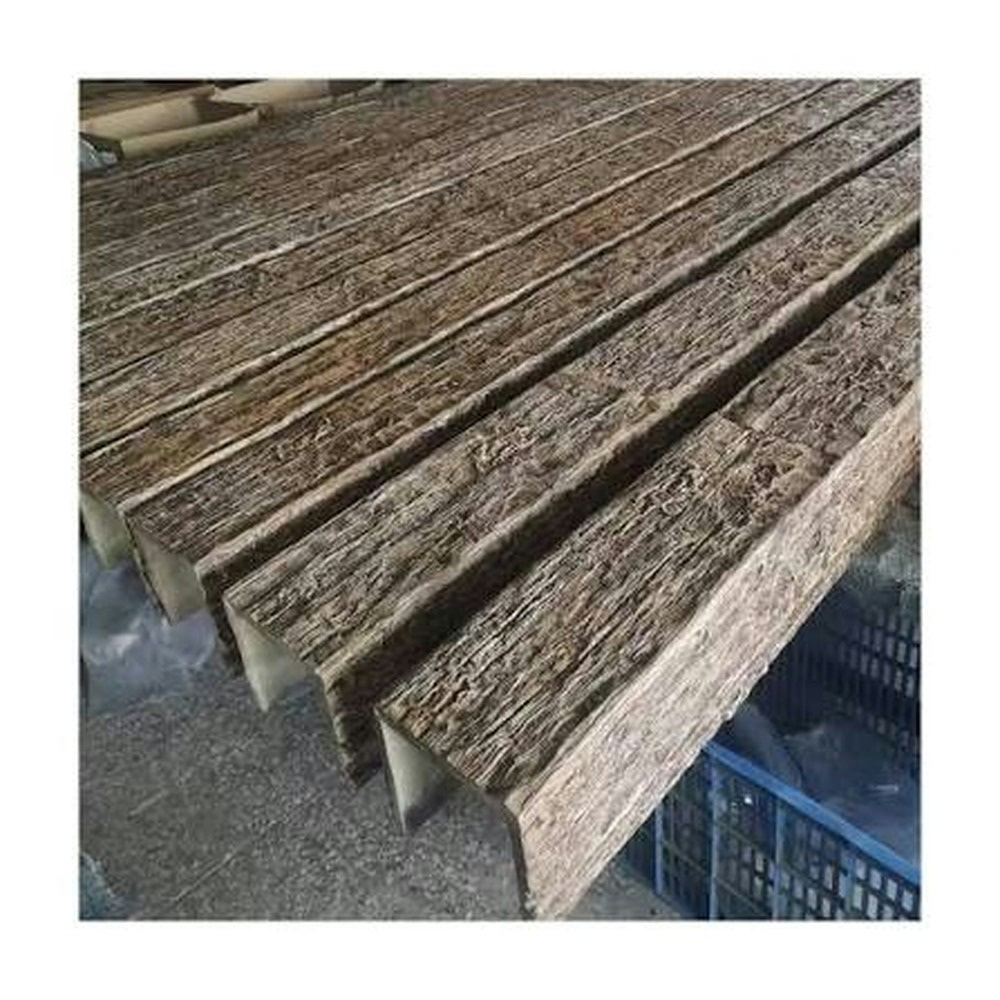
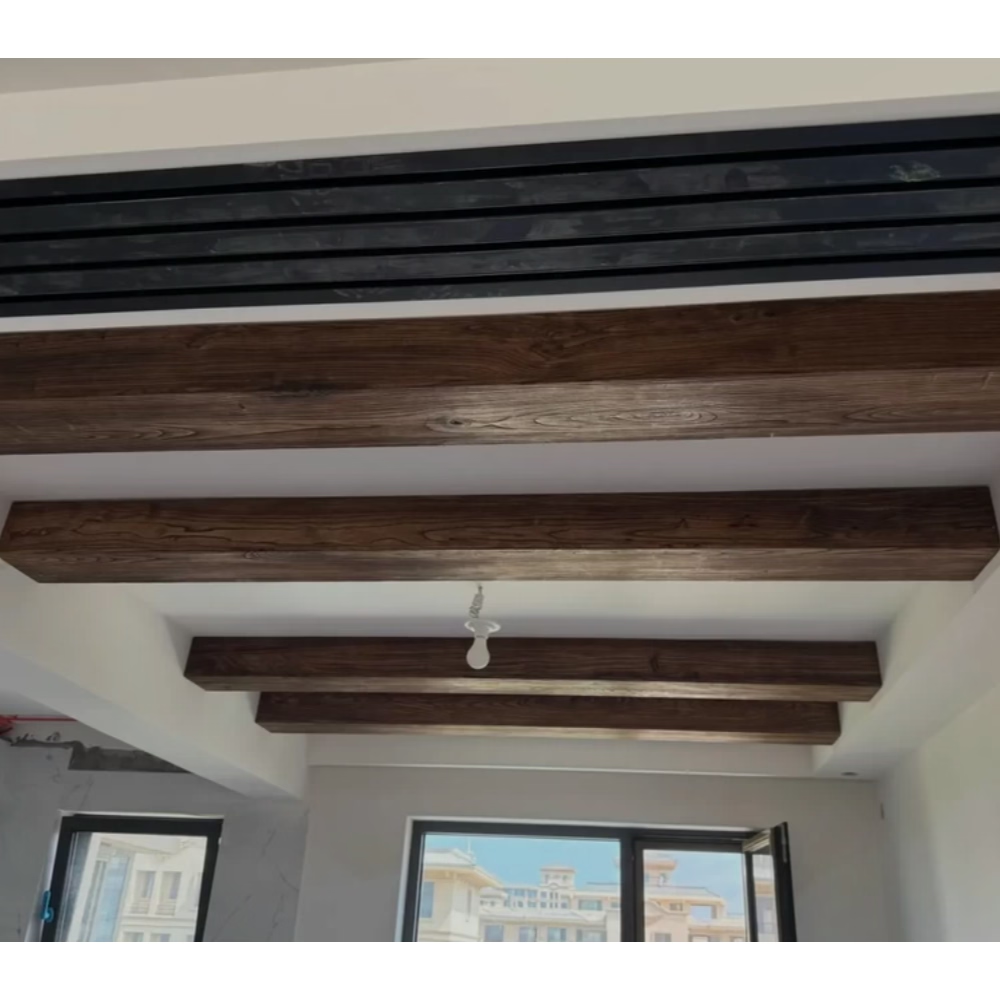
Structural steel beam wrapping transforms industrial ceiling elements into warm design features. U-shaped faux beam covers slide over existing steel beams, hiding industrial aesthetics while adding rustic character. This approach works particularly well in converted warehouse spaces where exposed structure originally defined the architecture.
Drop ceiling installations present challenges that surface-mounting addresses. Faux beams mounted above suspended ceiling grids create the appearance of exposed structure without requiring ceiling removal. This approach suits restaurants where hidden mechanical systems require ceiling access.
Lighting Integration for Restaurant Applications
Restaurant lighting serves multiple functions beyond illumination: ambiance creation, table accent, and wayfinding all influence guest experience. Beam installations must coordinate with these lighting strategies rather than conflicting with them.
Pendant lighting suspension from beams requires consideration of load capacity and mounting aesthetics. Concealed threaded rods through beam tops provide clean appearances while distributing loads appropriately. Recessed lighting within beam configurations creates dramatic uplighting that enhances timber textures.
Track lighting mounted to beam undersides provides flexibility for menu board illumination, table accent, or feature highlighting. This mounting approach positions lighting close to subjects while keeping fixtures visually integrated with ceiling architecture.
Maintenance and Cleanability
Commercial food service environments demand cleaning regimens that residential products cannot withstand. Beam surfaces must resist grease accumulation, tolerate frequent cleaning, and maintain appearance despite atmospheric conditions that would damage authentic timber.
Smooth-finished beams clean more easily than heavily textured alternatives. The slight texture authenticating wood grain need not impede cleaning if surface formulation includes soil resistance. Polyurethane surfaces with satin or semi-gloss finishes wipe clean without the absorption that porous materials exhibit.
High-reach cleaning equipment access matters in restaurants where ceilings accumulate cooking grease and atmospheric contaminants. Beams positioned too close together prevent proper cleaning and create inspection concerns for health department evaluators.
Concept-Specific Design Strategies
Farm-to-table restaurants benefit from reclaimed appearance aesthetics suggesting agricultural heritage. Faux beams weathered to suggest barn boards, weathered fencing, or rustic agricultural structures reinforce farm sourcing narratives that these restaurants emphasize.
Sports bars and casual dining chains require neutral aesthetics accommodating diverse team colors and seasonal decorations. Classic timber tones provide this versatility, accepting team banners and seasonal decor without clashing.
Ethnic cuisine restaurants use beam styling to establish cultural authenticity. Heavy timber suggesting European trattorias supports Italian concepts. Lighter timbers evoking tropical construction suit Polynesian or Southeast Asian themes.
Conclusion
Casual dining room faux timber beams serve practical and aesthetic functions in equal measure. These commercial-grade products create the warmth that dining occasions require while standing up to the demanding maintenance schedules that food service environments impose. Restaurant developers recognizing these dual benefits increasingly specify faux timber beams as essential elements of successful dining room design.
Technical References
ASTM standards cited in every specification
Test Data
Lab results from internal testing program
Updated 2026
Reviewed against current product specs