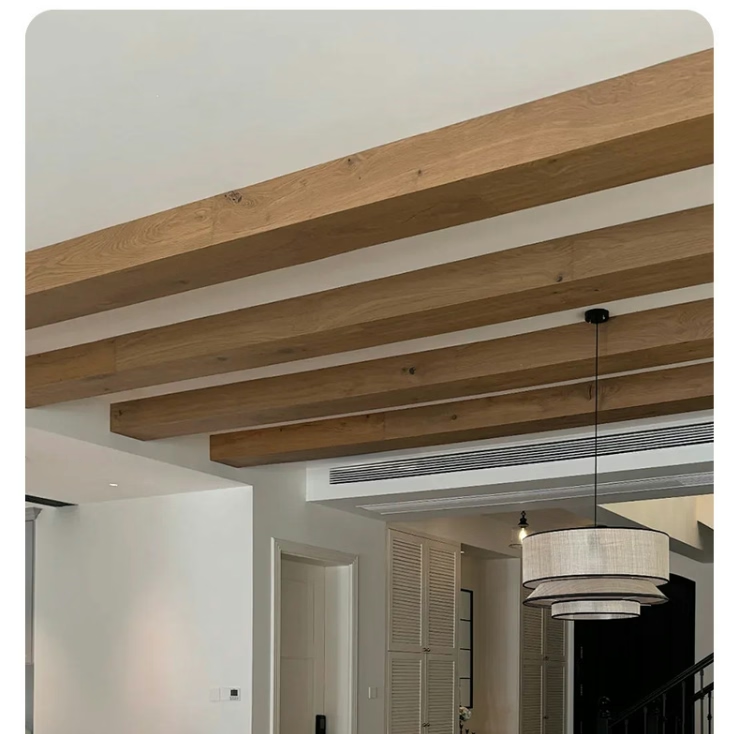
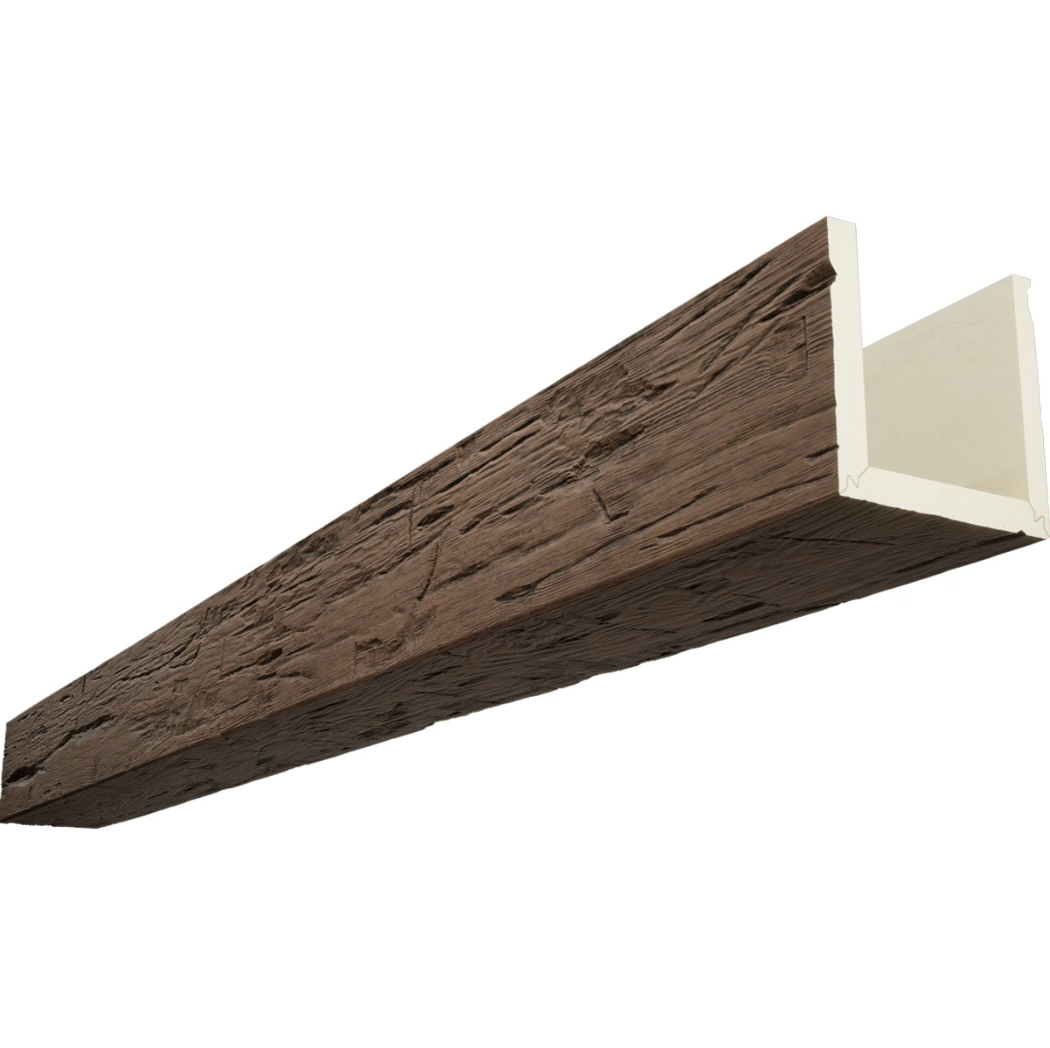
Elegant PU Resin Faux Timber Ceiling Beams for Nursing Home Interiors
A ceiling in a nursing home does more than cover ductwork and wiring. It shapes how residents feel when they wake up, eat lunch, and gather with family. The right beam treatment can turn a clinical box into a place that feels like someone's actual home.
Polyurethane resin faux timber beams have become a quiet favorite in senior living design for this reason. They look like the heavy reclaimed oak you'd find in a country inn, but they weigh a fraction of the real thing and behave very differently when it comes to fire safety, cleaning, and upkeep.

Why Beam Choice Matters in Care Settings
Senior living environments operate under a different set of rules than ordinary commercial interiors. Resident safety, infection control, and emotional comfort all sit at the top of the brief. Beams might seem like a finishing detail, but they influence every one of those priorities.
Resident Comfort and Familiarity
People in their seventies and eighties grew up surrounded by wood beams in farmhouses, mountain lodges, and older mid-century homes. Reproducing that visual vocabulary in a care setting gives residents something to recognize. Familiar surroundings reduce anxiety, particularly for residents living with dementia or memory loss.
A beamed ceiling reads as "home" in a way that flat drywall never quite manages. When the rest of the room is calibrated for accessibility and code compliance, the ceiling can carry the emotional weight of domesticity.
Acoustic Performance
Hard ceilings bounce sound around, which makes dining rooms and common areas feel chaotic during meals. Beams with surface texture and a bit of mass help scatter and absorb sound, especially when paired with acoustic panels behind them. Conversations get easier to follow, and the constant background noise that frustrates residents with hearing aids drops noticeably.
Some manufacturers offer PU beams with internal hollow cores that can be filled with acoustic insulation. This adds a layer of sound dampening without changing the visual treatment at all.
Why Polyurethane Works Better Than Solid Wood
Real timber has its place, but it's rarely the right answer in nursing home construction. Several practical concerns push the choice toward polyurethane resin.
Weight and Structural Load
Solid oak beams can weigh 80 to 150 pounds per linear foot depending on size. A nursing home's existing ceiling structure is rarely designed to carry that load without reinforcement. PU beams of the same visual size typically weigh between 3 and 7 pounds per linear foot, which means they can be installed on standard ceiling framing or even directly to drywall with proper anchors.
For retrofits in older buildings, this weight difference is decisive. Owners can add character to a space without engineering the entire ceiling structure around decorative timber.
Fire Performance
Healthcare codes in most jurisdictions require Class A or Class B fire ratings for visible ceiling materials. Solid timber burns readily and produces heavy smoke. PU faux beams can be manufactured with fire-retardant formulations that meet ASTM E84 Class A standards, with flame spread and smoke development ratings low enough to satisfy hospital-grade specifications.
This is more than a checkbox. During an evacuation, every minute of structural integrity and reduced smoke matters. Specifying fire-rated beams protects both residents and the staff caring for them.
Cleanability and Infection Control
Nursing homes undergo aggressive cleaning cycles. Wheelchair wheels leave scuff marks, food spills happen in dining rooms, and disinfectant gets sprayed on just about every surface. Real wood absorbs moisture, harbors bacteria in its grain, and slowly degrades with repeated chemical exposure.
PU resin beams have a closed, sealed surface that wipes clean with standard healthcare disinfectants. They don't absorb odors, and they won't swell, warp, or delaminate when exposed to the cleaners that facilities use every shift.
Design Choices That Make Sense
Picking the right beam profile matters as much as picking the right material. In care settings, certain configurations work better than others.
Avoiding Heavy Hand-Hewn Looks
Aggressive hand-hewn textures look great in restaurants and lodges, but in a nursing home they collect dust and can look institutional in the wrong way. Smoother dressed-timber profiles and light wire-brushed finishes give warmth without the rugged drama.
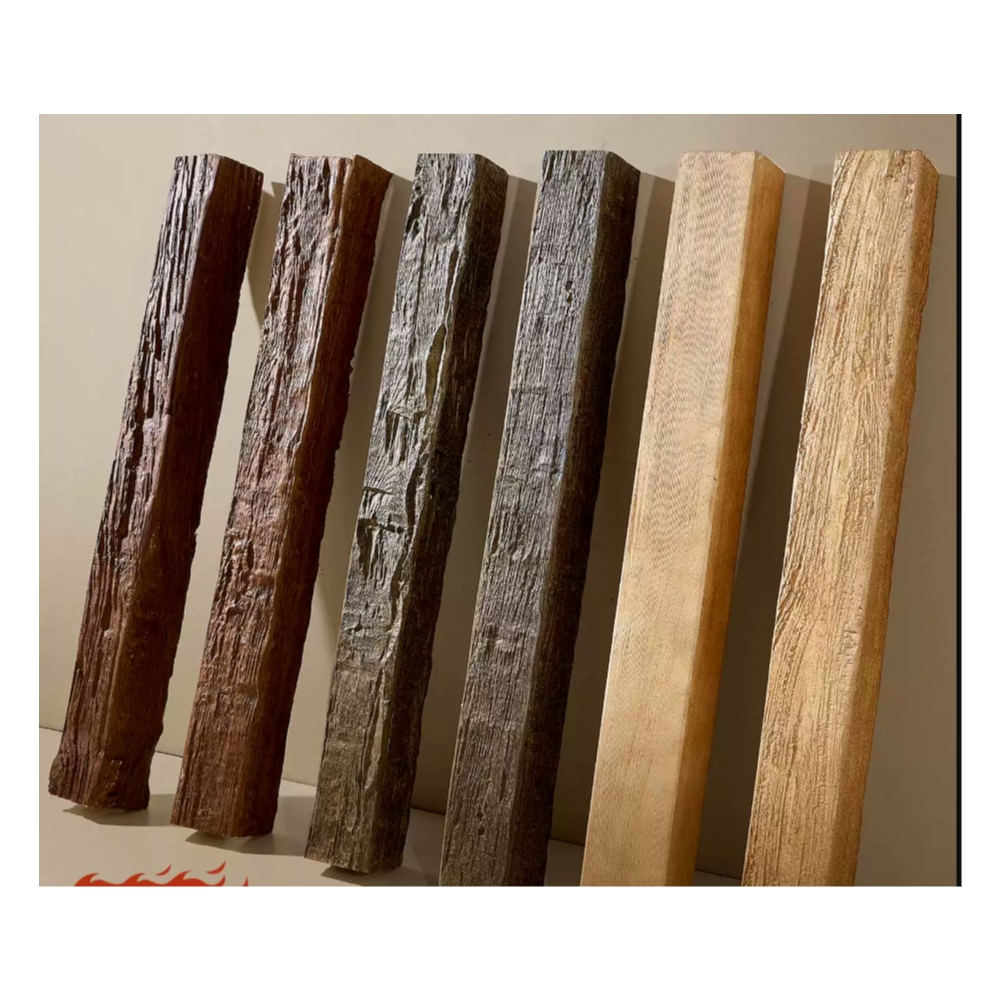
Light walnut, warm oak, and soft driftwood tones tend to read as residential rather than commercial. They pair well with the soft paint colors most facilities already use.
Beam Orientation and Sight Lines
Beams running parallel to the long axis of a room help with wayfinding for residents with low vision. They create visual lanes that draw the eye toward meaningful features like windows, fireplaces, or activity zones. Perpendicular beams can work in smaller rooms where the goal is to break up an uninteresting flat plane.
Avoid layouts that create confusing shadow patterns. In rooms where residents sit for long periods, glare and shifting light can be disorienting.
Coordination With Lighting
Ceiling beams in nursing homes shouldn't interfere with the high-output, glare-free lighting residents need. Flush-mounted LED strips between beams can provide ambient light without visible fixtures. Recessed downlights can be placed in the bays between beams to wash the ceiling evenly.
Emergency lighting and exit signs need clear sight lines from anywhere in the room. Beam layouts should be planned in coordination with the electrical engineer so that nothing important ends up blocked.
Installation Considerations
PU faux timber beams are forgiving to install, but care facilities have scheduling constraints that shape the work.
Working Around Residents
Most nursing homes can't shut down a wing for a week of renovations. Beams are an excellent candidate for off-hours installation. A trained crew can install 80 to 120 linear feet of beam per day, which means a typical 20-bed dining room can be completed in a long weekend with minimal disruption to residents.
Lightweight PU beams are also easy to handle in tight corridors and small resident rooms. Two installers can manage lengths that would require a small crane crew if they were solid timber.
Mounting Methods
Three common approaches work in healthcare settings:
- Direct screw-and-cap mounting to blocking in the ceiling. This is the most secure option for areas where staff use ladders or lifts near the beams.
- Hidden cleat systems for installations where no visible fasteners are acceptable.
- Adhesive mounting on smooth, flat ceilings using construction-grade polyurethane adhesive. This works well for retrofit projects where opening the ceiling isn't practical.
All three approaches should be specified with stainless or coated fasteners to prevent corrosion from humidified air in resident rooms.
Long-Term Performance
A beam installation in a nursing home typically needs to look good for 15 to 25 years without major intervention. PU faux timber handles that timeline well.
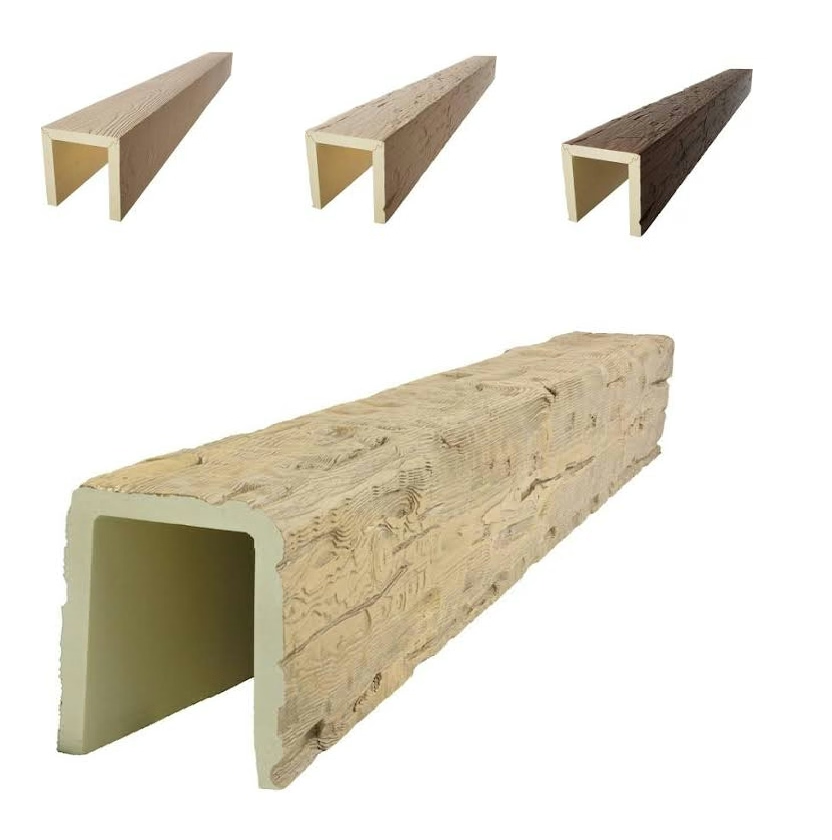
The color is part of the material, not a surface stain that wears off. Touch-ups for nicks or scrapes from maintenance equipment can be done with color-matched repair kits that blend into the surrounding texture. If a beam is seriously damaged by impact, individual sections can be replaced without disturbing the rest of the layout.
Annual inspection is usually limited to checking fasteners and looking for any separation at joints. There's no refinishing schedule, no sealing, and no treatment for wood-boring insects because there's no actual wood for them to consume.
A Note on Aesthetics and Dignity
The most important reason to choose good ceiling beams in a nursing home isn't technical. It's about dignity. Residents deserve interiors that feel considered, warm, and personal rather than generic and institutional. A beamed ceiling in the dining room signals that someone cared enough to make the space feel like a real home. That message lands, even with residents who can't articulate it.
Polyurethane resin beams let facility designers achieve that feeling within budget, within code, and within the practical limits of healthcare maintenance. They aren't a compromise. They're the right material for the job.
Technical References
ASTM standards cited in every specification
Test Data
Lab results from internal testing program
Updated 2026
Reviewed against current product specs