Elegant Walnut Tone PU Faux Ceiling Beams for Neutral Luxury Interiors
Neutral palettes dominate luxury interior design for a reason. They create calm. They let materials speak. They age gracefully. But neutral rooms can feel flat without something to anchor them, and that's where ceiling beams earn their place.
Walnut-toned faux beams add the kind of warmth and presence that neutral interiors need. They introduce depth without introducing color. They complement the carefully balanced palette rather than competing with it. Polyurethane construction means they achieve this effect without the weight or maintenance demands of real walnut timber.

Why Neutrals Need a Ceiling Element
A neutral interior relies on texture, proportion, and light to create visual interest. Walls in soft cream or warm white don't provide much variation. Furniture in muted tones blends into the space rather than standing out against it. Without something to break up the horizontal plane of the ceiling, the room can feel like a beautifully appointed box.
Beams solve this by adding a third dimension. They draw the eye upward. They create shadow and highlight. They break the ceiling plane into manageable sections that the brain reads as architecture rather than as decoration.
Walnut tones work particularly well because they introduce warmth that beige and cream walls alone can't provide. The contrast between soft wall color and rich timber tone creates exactly the kind of subtle drama that sophisticated interiors depend on.
Understanding Walnut Tones
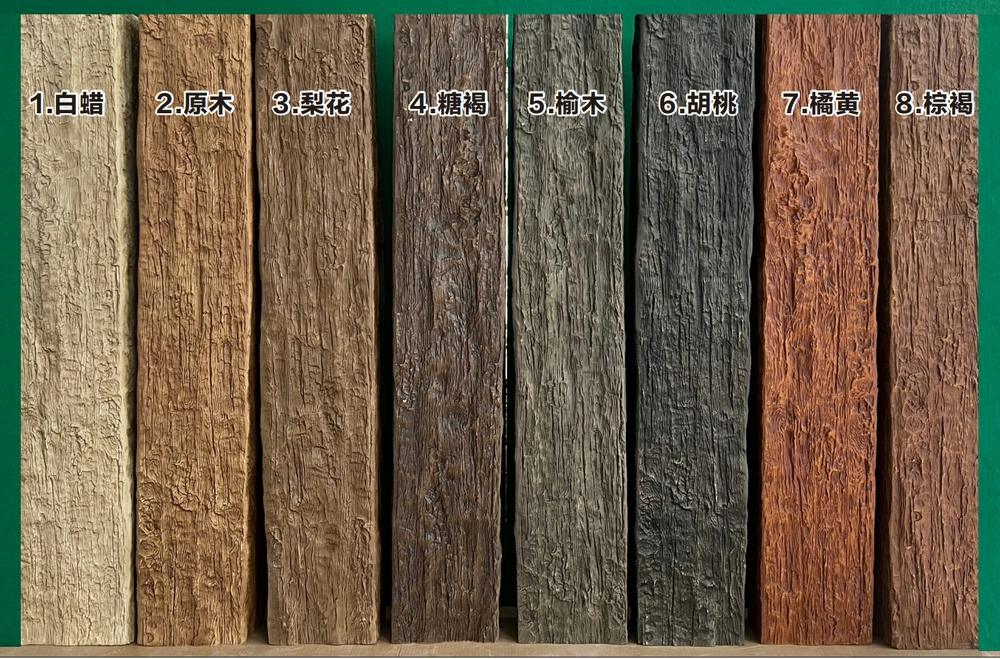
Walnut isn't a single color. It ranges from a pale honey brown to nearly black, with most commercial walnut falling in the middle range.
Light Walnut
Pale walnut tones work in rooms with cooler neutral palettes. If your walls lean toward greige or putty, a light walnut beam keeps the room feeling open and airy. The beam adds warmth without darkening the space.
This tone also works in rooms with lower ceilings. Heavy dark tones can make a low ceiling feel oppressive. Light walnut preserves the sense of openness while still providing architectural detail.
Medium Walnut
The classic walnut tone. Warm brown with red undertones that catch afternoon light beautifully. This tone works across most neutral palettes and most room sizes. It's the safe choice that rarely disappoints.
Medium walnut pairs well with travertine, limestone, and pale oak floors. It works alongside brass and bronze hardware. It complements both modern and traditional furniture styles.
Dark Walnut
Deep walnut with chocolate undertones. This tone makes a stronger statement. In rooms with high ceilings and abundant natural light, dark walnut beams add a layer of richness that justifies the dramatic palette.
Dark walnut works in studies, libraries, formal dining rooms, and primary bedrooms. It can feel heavy in smaller rooms or in spaces with limited natural light.
Choosing the Right Profile
The beam profile determines how dominant the ceiling treatment feels. Different profiles suit different neutral palettes.
Subtle Beams for Minimalist Neutrals
Minimalist interiors use slim profiles with clean lines. A 4x6 or 5x7 beam in medium walnut provides architectural interest without dominating the room. The beam becomes a feature rather than a focal point.
These slimmer profiles work in modern luxury homes where every element is intentionally restrained. They pair well with recessed lighting and concealed HVAC.
Substantial Beams for Layered Neutrals
Layered neutral interiors use texture and material variation rather than bold color. In these rooms, beams can take a more substantial profile. An 8x10 or even 8x12 beam in dark walnut becomes part of the architectural vocabulary of the room.
These larger profiles work in transitional and contemporary luxury homes. They suit coffered ceiling layouts, beam-and-panel designs, and treatments that include corbels.
Distressed Profiles for Rustic Neutrals
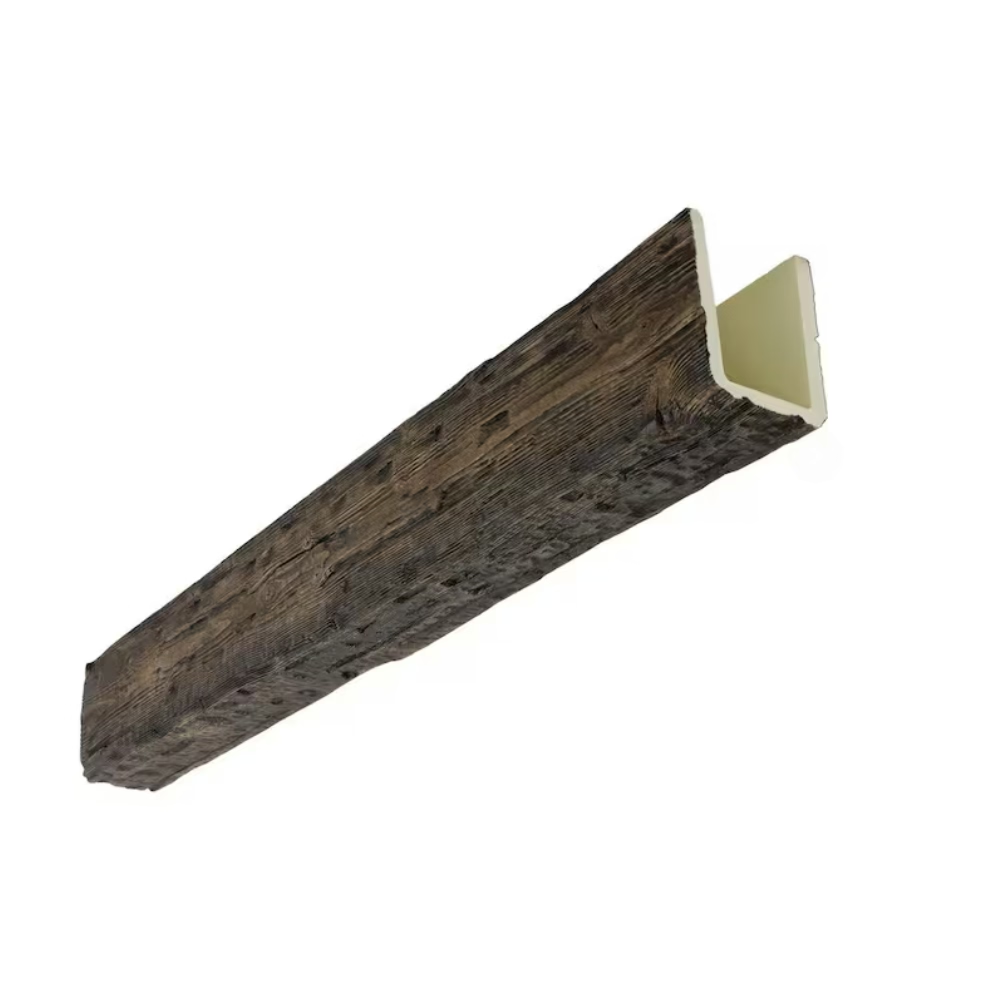
Neutral doesn't always mean modern. Rustic luxury uses neutral palettes combined with weathered materials. In these interiors, distressed walnut beams with visible hand-hewn facets complement the casual sophistication.
This approach works in French country, modern farmhouse, and updated traditional styles. The distressed profile adds character that smooth modern profiles can't.
Finish Considerations
The finish on a walnut faux beam affects how it interacts with the surrounding interior.
Matte Finishes
Matte walnut finishes absorb light rather than reflecting it. They feel grounded and natural. In rooms with abundant natural light, matte beams feel restful because they don't compete with the light itself.
Matte finishes also hide minor surface imperfections. They're practical in homes where the beams will see occasional contact from installation ladders or attic access.
Satin Finishes
Satin walnut finishes provide subtle reflectivity that highlights the grain pattern. They're the most versatile finish choice, working in both formal and casual settings. The slight sheen picks up ambient light without becoming distracting.
Most luxury installations use satin finishes because they photograph well and look appropriate in any lighting condition.
Gloss Finishes
Gloss finishes on faux walnut beams are unusual but appropriate in very formal settings. They suggest polished furniture and emphasize the beam as a designed element rather than as building material. Gloss finishes work in Art Deco influenced interiors and in some traditional luxury treatments.

Coordinating With Other Materials
Walnut beams in neutral interiors need to relate to something. Without a coordinating element, they can feel added on rather than integrated.
Floor Coordination
The most reliable way to integrate walnut beams is to pick up a walnut tone from the floor. This might be walnut flooring, a walnut-toned area rug, or walnut furniture. The eye reads the relationship between the beam and the floor as architectural logic.
If the floor is a different species, find another walnut element in the room. A console table, a chest, or a desk in walnut tones creates the connection that anchors the beams.
Hardware and Metal Accents
Walnut and brass have a long relationship in luxury design. The warmth of walnut complements the gold tones of brass better than it complements the cooler tones of chrome or nickel. Specify brass hardware, light fixtures, and door handles to reinforce the walnut ceiling.
For darker walnut tones, oil-rubbed bronze creates a similar harmony. The matte finish of bronze against the satin finish of walnut reads as quietly expensive.
Textile Echoes
Throw pillows, drapery, and upholstery in walnut tones reinforce the ceiling without competing with it. Use these textiles sparingly. A single walnut velvet pillow on a cream sofa creates a connection. Five walnut pillows create a cluttered effect.
Installation Notes
Walton faux beam installation follows standard PU beam procedures, with attention to a few specifics.
Lighting Coordination
Plan recessed lighting locations based on the final beam layout, not before. Recessed lights should sit in the bays between beams, positioned to wash the ceiling evenly. Downlights placed too close to a beam will create harsh shadows on the beam face.
Coordinate beam installation with electrical rough-in. The blocking for beam attachment often shares cavities with electrical runs. Planning ahead avoids costly rework.
Final Inspection Before Paint or Stain Touch-Up
After installation, walk the entire ceiling looking for scuffs, nail holes, or gaps. Most faux walnut beams come prefinished, so touch-ups are limited to filling nail holes with color-matched filler and addressing any minor damage from installation.
For unfinished beams that get stained on site, the painter should apply stain to a test piece before treating the installed beams. This confirms that the stain color reads correctly against the room's lighting.
The Quiet Power of Walnut
A neutral luxury interior doesn't need dramatic features to feel complete. It needs considered ones. Walnut faux ceiling beams deliver architectural presence and material warmth without overwhelming the carefully curated palette. They're the kind of detail that visitors notice without being able to identify exactly why the room feels so settled.
That's the goal. When the ceiling beams do their job, the room simply feels right.
Technical References
ASTM standards cited in every specification
Test Data
Lab results from internal testing program
Updated 2026
Reviewed against current product specs


