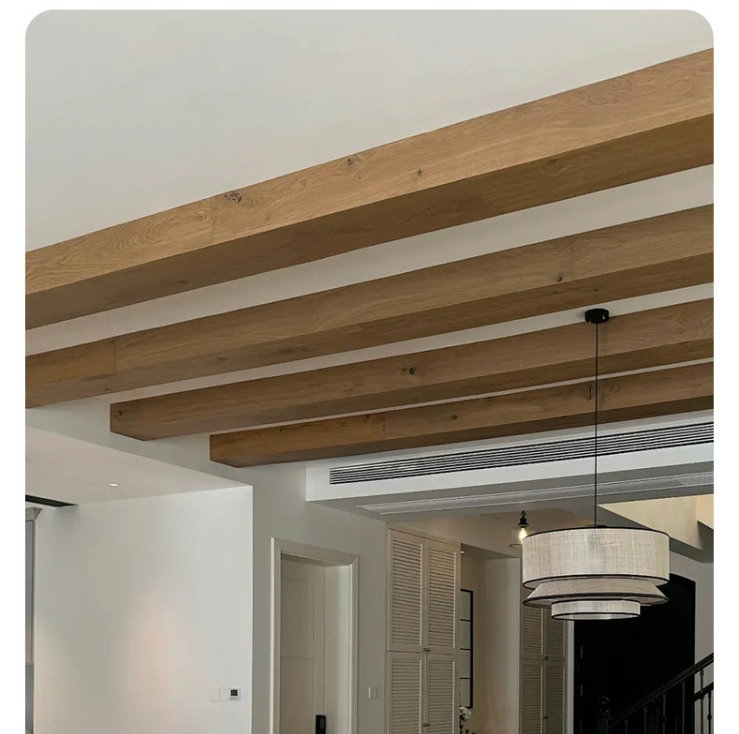
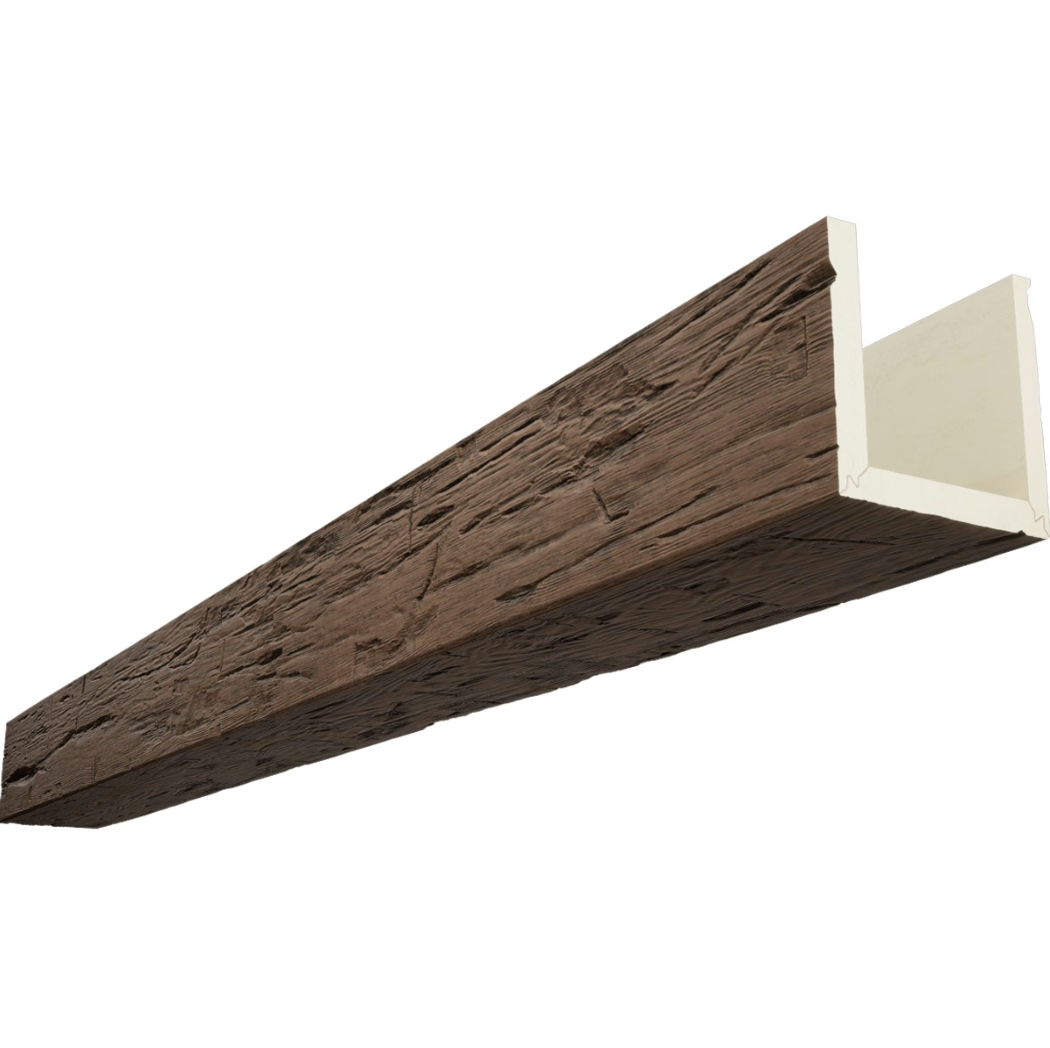
Emergency Stock Replenishment Supply for Commercial Ceiling Faux Beams
Commercial construction projects live and die by their schedules. A two-week delay in beam delivery can push back other trades, delay inspections, and cost the general contractor real money. Stock outages in faux ceiling beams are rare but not unheard of, and they always seem to happen at the worst possible time.
Planning for emergency stock replenishment before it's needed keeps projects moving when supply gets tight. Here's how commercial buyers approach the issue.

Why Beam Stockouts Happen
Several scenarios create beam supply shortages in commercial projects.
Specification Changes Mid-Project
The most common cause. A designer or owner decides partway through construction that the originally specified beam profile isn't right. They want a different size, finish, or texture. The new specification might not be readily available in the quantities needed.
This scenario plays out often in fast-track commercial projects where decisions get made under time pressure. The original spec was placeholder. The real spec comes later.
Order Quantity Errors
Takeoffs that underestimate the linear footage needed. Waste factors that don't account for cuts and matching. The crew installs what was ordered and finds themselves 20 linear feet short with a deadline looming.
Production Delays at the Manufacturer
Less common with established PU beam manufacturers, but production issues do happen. A mold gets damaged. A batch of material fails quality control. A facility has a production interruption.
The lead time for replacement production can be 4 to 8 weeks. If the project needs beams in 2 weeks, that delay becomes an emergency.
Damage in Transit or on Site
Beams arrive damaged. Beams get damaged during installation. A forklift accident takes out a stack of material. The replacement quantity isn't sitting in the local distributor's warehouse.
Building Emergency Supply Relationships
Commercial buyers who consistently face tight schedules develop relationships with suppliers specifically for emergency situations.
Preferred Supplier Agreements
Some commercial buyers maintain preferred supplier agreements with beam manufacturers or distributors. These agreements typically include provisions for emergency stock access.
The buyer commits to a certain annual volume. The supplier commits to maintaining agreed stock levels and providing emergency access when needed. The terms vary but the principle is the same: mutual commitment creates security for both parties.
Local Distributor Stock
Working with a local distributor who carries inventory provides emergency access without requiring the manufacturer to ship from their factory. Distributor stock might be smaller and less varied than what the manufacturer offers, but it's available immediately.
Distributors who specialize in faux beam products often maintain stock of common profiles and finishes. They know that commercial projects sometimes need material in 24 to 48 hours.
Manufacturer Stock Programs
Some manufacturers offer stock programs specifically for commercial customers. The buyer agrees to purchase a minimum quantity over a year. The manufacturer agrees to maintain a defined stock of the buyer's specified products.
These programs cost the buyer commitment but provide significant supply security. For commercial contractors who handle multiple projects per year, the math usually works in their favor.
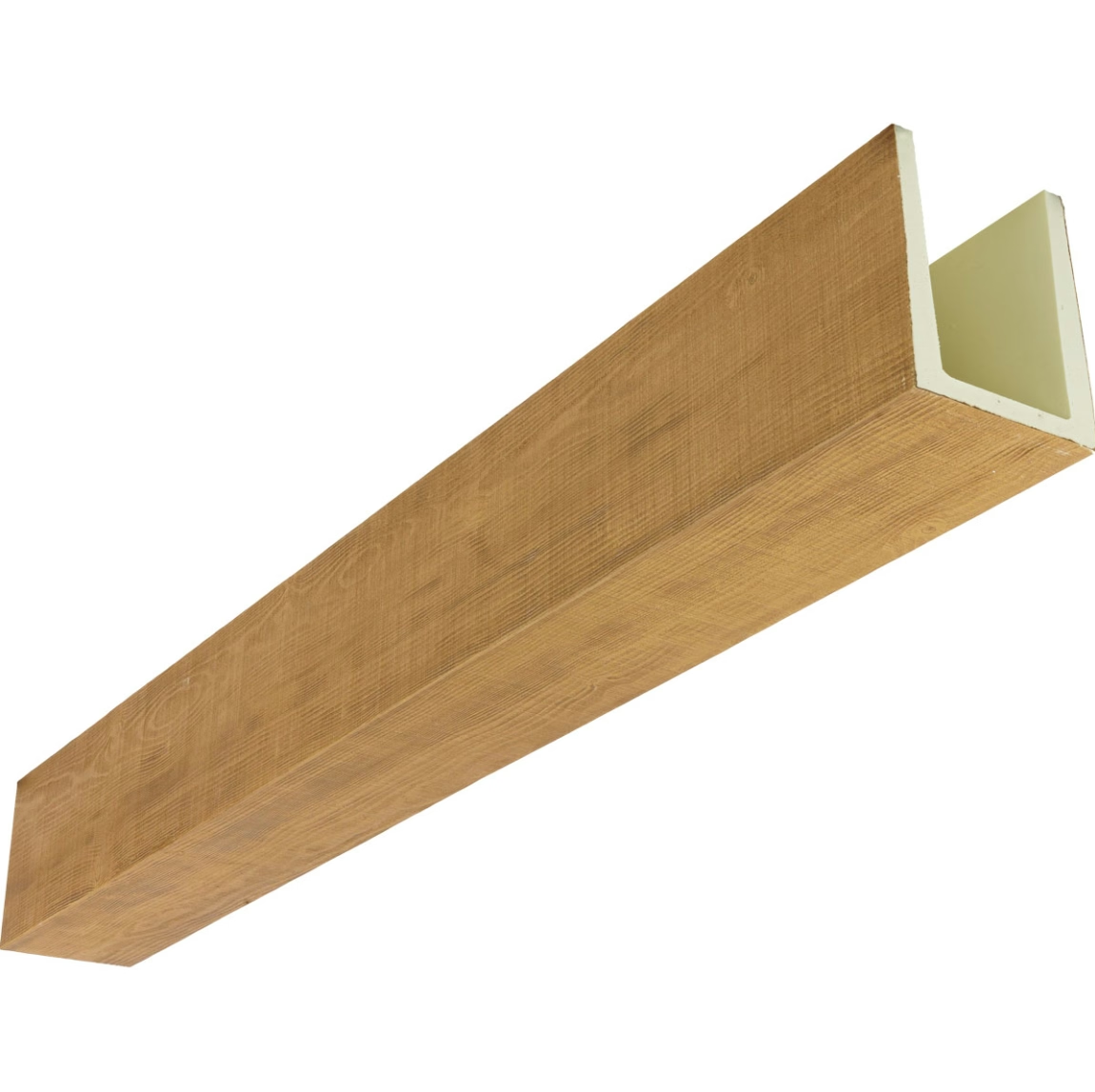
Stockpiling Strategies
Some commercial buyers choose to maintain their own emergency stock.
On-Site Stockpiling
For very large projects, keeping a buffer quantity of beams on site makes sense. The extra material stays wrapped and protected until needed. If the project runs smoothly, the extra stock gets returned or used on the next project.
The downside is the capital tied up in inventory and the warehouse space required to store beams properly.
Warehouse Stockpiling
Larger contractors maintain warehouse stock of common beam profiles and finishes. This stock serves as emergency supply for any project that needs fast replenishment.
Warehouse stockpiling works best for contractors with consistent project types. If your commercial projects always use 6x8 walnut beams with smooth texture, keeping 200 linear feet in your warehouse provides emergency coverage.
Regional Stockpiling
Some buying groups or trade organizations maintain regional stockpiles that members can access in emergencies. This approach spreads the cost of inventory across multiple buyers while providing supply security for each.
Lead Time Considerations
Understanding realistic lead times helps plan for emergencies.
Standard Production Lead Times
Most PU beam manufacturers quote 4 to 6 weeks for standard production orders. This assumes the mold exists and the raw materials are available. New molds or custom finishes extend the timeline.
Rush Production Possibilities
Some manufacturers offer rush production at premium pricing. Rush charges of 20 to 40 percent over standard pricing are common. The actual time savings depend on factory capacity at the moment.
In true emergencies, rush production might reduce a 6-week timeline to 3 weeks. That's faster but not immediate.
Stock Item Availability
Off-the-shelf stock items from distributors can be available in 1 to 3 days for local pickup. The limitation is that stock items cover only the most common profiles and finishes. Unique specifications won't be on the shelf.
Same-Day and Next-Day Options
A few distributors in major markets offer same-day or next-day delivery for emergency orders. These services come at significant premium pricing but provide the fastest possible supply for genuine emergencies.
The premium for same-day delivery can be 50 to 100 percent above standard pricing. For projects where every day of delay costs thousands, the math works.
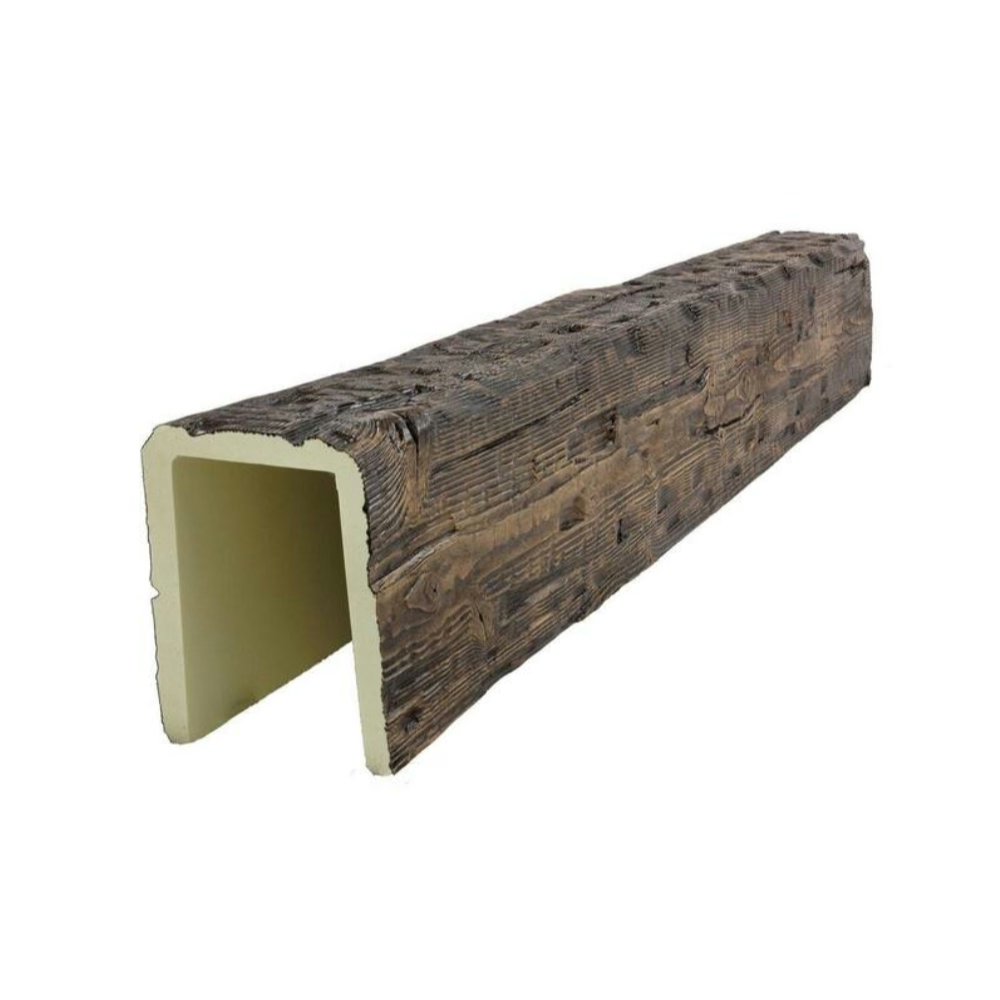
Documentation for Emergency Orders
When emergency supply becomes necessary, having documentation ready speeds the process.
Product Specifications
Maintain a file of all product specifications for current and recent projects. Include profile dimensions, finish details, texture descriptions, and any color codes. When emergency supply is needed, sharing these specifications with the supplier eliminates back-and-forth.
Project Documentation
Keep purchase orders, delivery receipts, and installation records. If a portion of an order was already delivered and installed, having that information helps the supplier match the existing material.
Compliance Documentation
For commercial projects, fire ratings, code compliance, and material safety data sheets matter. Emergency supply needs to meet the same compliance requirements as the original order. Having this documentation ready avoids delays during the emergency order process.
The Cost of Emergency Supply
Emergency supply costs more than planned supply. The premium varies but always exists.
Direct Cost Premiums
Rush production charges, expedited shipping, and distributor markup for stock items all add to the cost. A 20 to 50 percent premium over standard pricing is typical for emergency supply.
Indirect Costs of Delays
The bigger cost is usually the delay itself. If the beam installation is on the critical path, a two-week delay pushes back everything that follows. Other trades can't work. Inspections get delayed. The opening date slips.
A few thousand dollars in emergency supply premiums often saves tens of thousands in delay-related costs. The economics favor emergency supply when the alternative is significant schedule slip.
Insurance and Contract Implications
Some commercial contracts include liquidated damages for delays. These damages can dwarf the cost of emergency supply. In projects with strict completion deadlines, emergency supply might be the difference between profit and loss.
Building a Plan Before You Need It
The best time to plan for emergency supply is when you don't need it.
Identify Preferred Sources
Know which suppliers can provide emergency stock. Establish relationships before emergencies happen. Make sure the supplier knows your typical specifications and project types.
Negotiate Emergency Terms in Advance
Preferred pricing for emergency supply can be negotiated before the emergency exists. Suppliers are often willing to commit to premium pricing tiers for customers who agree to use them in emergencies.
Maintain Updated Specifications
Project specifications change. Make sure your documentation reflects current products and finishes. Emergency supply that doesn't match existing installed material creates a different kind of problem.
Plan for Realistic Contingencies
Most emergency supply situations involve a small percentage of additional material needed to complete a project. Plan for 5 to 10 percent contingency in your initial order. This buffer handles most minor shortages without requiring emergency action at all.
A Practical Approach
Emergency stock replenishment isn't something commercial buyers should hope to avoid. It's something they should plan for. The projects that stay on schedule through material challenges are the ones where the supply chain was planned before the challenge appeared.
That planning is what separates consistent on-time delivery from constant schedule slippage. It's not glamorous work, but it pays back every time something goes wrong.
Technical References
ASTM standards cited in every specification
Test Data
Lab results from internal testing program
Updated 2026
Reviewed against current product specs