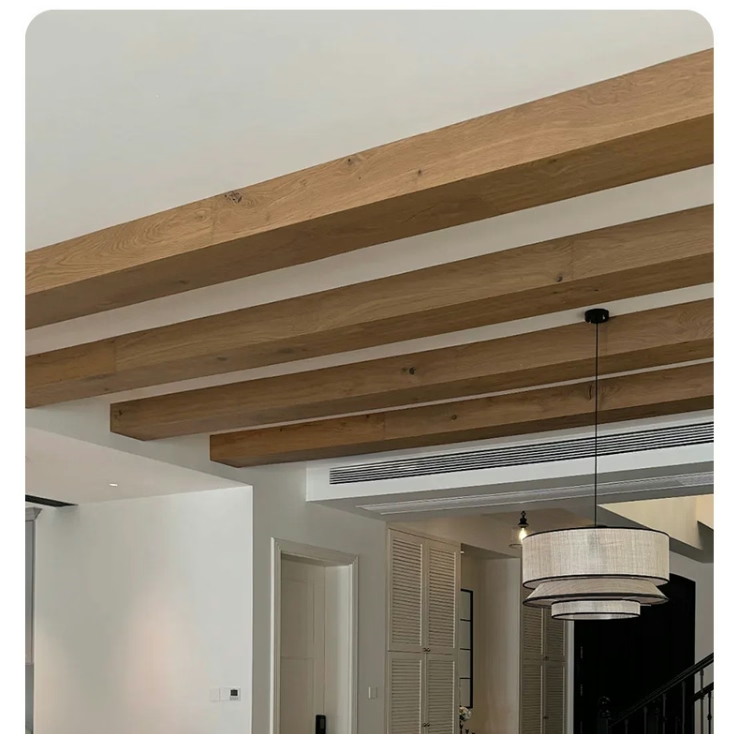
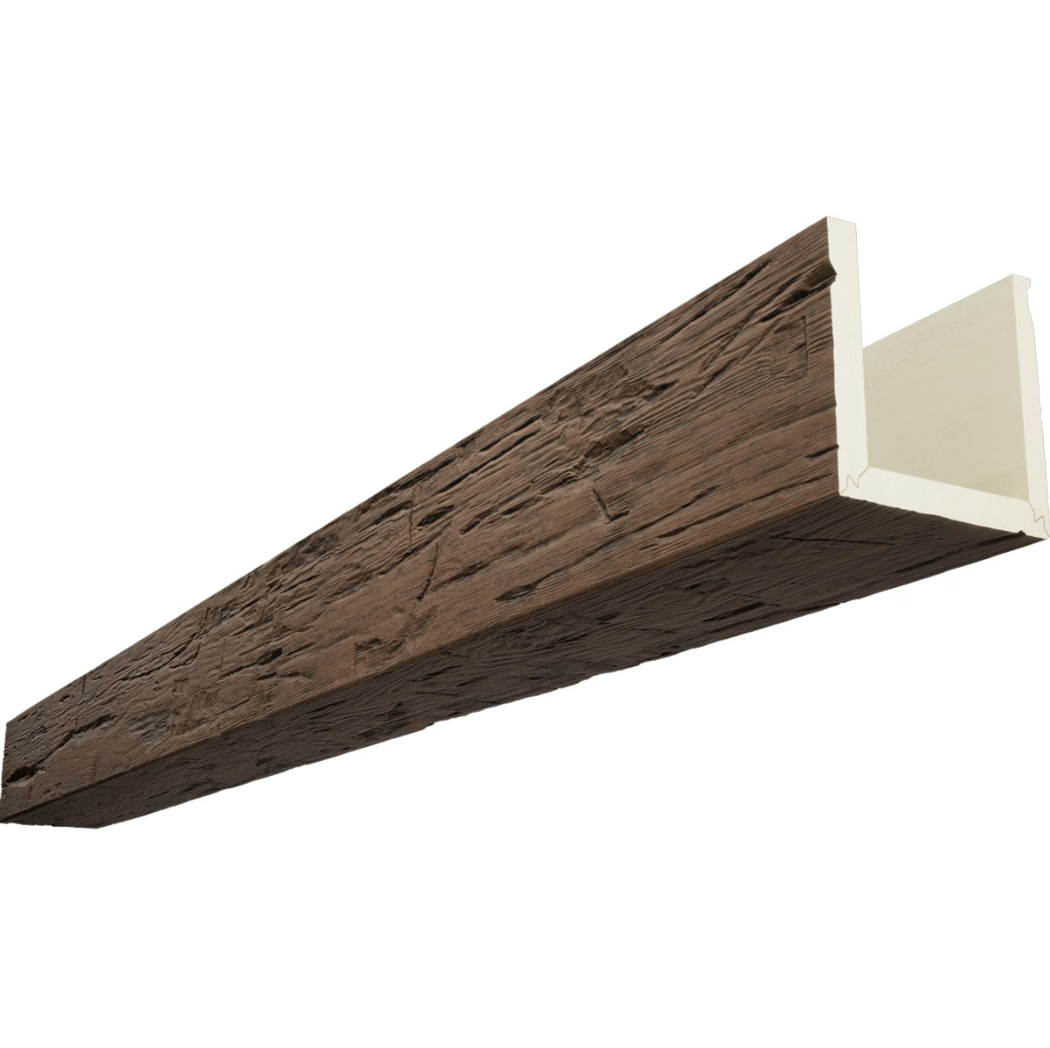
Interior design firms operate differently from individual designers. Studios have multiple team members working on projects simultaneously. Specifications move through formal processes involving project manuals, finish schedules, and client approval workflows. The studio's reputation depends on consistent execution across every project it touches. Trade programs designed for these professional environments recognize those differences and offer features that go well beyond simple percentage discounts.
The best trade programs for design firms function as extensions of the studio's own capabilities. They provide sample libraries that designers can use in client presentations, specification documents formatted for inclusion in project manuals, and technical staff who can answer detailed questions about product performance, code compliance, and installation requirements. These services save studio time and improve the quality of project documentation.
For design firms, choosing which trade programs to participate in is a strategic decision. The wrong program wastes administrative effort on benefits the studio rarely uses. The right program becomes integral to how the studio specifies and presents faux beams, justifying the time investment through better project outcomes and improved client satisfaction.
What distinguishes firm-focused programs
Trade programs aimed at design firms differ from general contractor or retail discount programs in several ways. The most obvious is the depth of specification support. Firm-focused programs typically provide CSI-formatted product data sheets, Masterspec-compatible specification language, and BIM objects that integrate with the documentation systems studios already use. This technical integration saves designers from having to create specifications from scratch.
Sample policies for design firms tend to be more generous than for individual designers. A studio working on multiple projects simultaneously needs access to a wider range of samples for client presentations. Trade programs often provide sample libraries on loan, allowing the studio to keep a curated selection of finishes and profiles available for immediate client review. Some programs replenish samples as they are used or damaged, keeping the library fresh.
Account structure for firms typically allows multiple users under a single account. A principal, senior designer, junior designer, and specification writer can all access the account with appropriate permission levels. This mirrors how studios actually work, where specifications move through multiple hands before being finalized. Single-user programs force studios to designate one person for all trade program interactions, creating bottlenecks.
Project tracking is another firm-level feature. Trade programs for design studios often provide dashboards showing all active projects, their specifications, order status, and shipping schedules. This visibility helps project managers coordinate across multiple simultaneous installations and ensures that specifications align with what is actually being delivered.
Typical qualification requirements
Design firms seeking trade program membership typically need to demonstrate legitimate professional practice at a firm level. Business registration documents, professional liability insurance certificates, and portfolios of completed work are common requirements. The firm should be operating as a business entity rather than as individual freelance designers, though some programs accommodate both structures.
The size of the firm may affect program tier but rarely affects basic qualification. A solo design practice can often access the same program as a 50-person studio, though the tier within the program may differ based on annual volume or project count. Programs that exclude small firms in favor of large ones are missing the point of professional support, since small firms often need specification assistance more than large ones.
Professional affiliations can streamline qualification. Membership in ASID, IIDA, or equivalent international bodies provides third-party verification of professional status that firms can submit in lieu of detailed business documentation. Programs that recognize these affiliations make the application process faster for member firms.
Some programs require an initial consultation or studio visit as part of qualification. A manufacturer's representative may meet with the firm's principals to understand their practice areas, typical project types, and client base. This consultation helps the manufacturer tailor their support to the firm's actual needs and establishes a personal relationship that benefits both sides.
Benefits beyond pricing
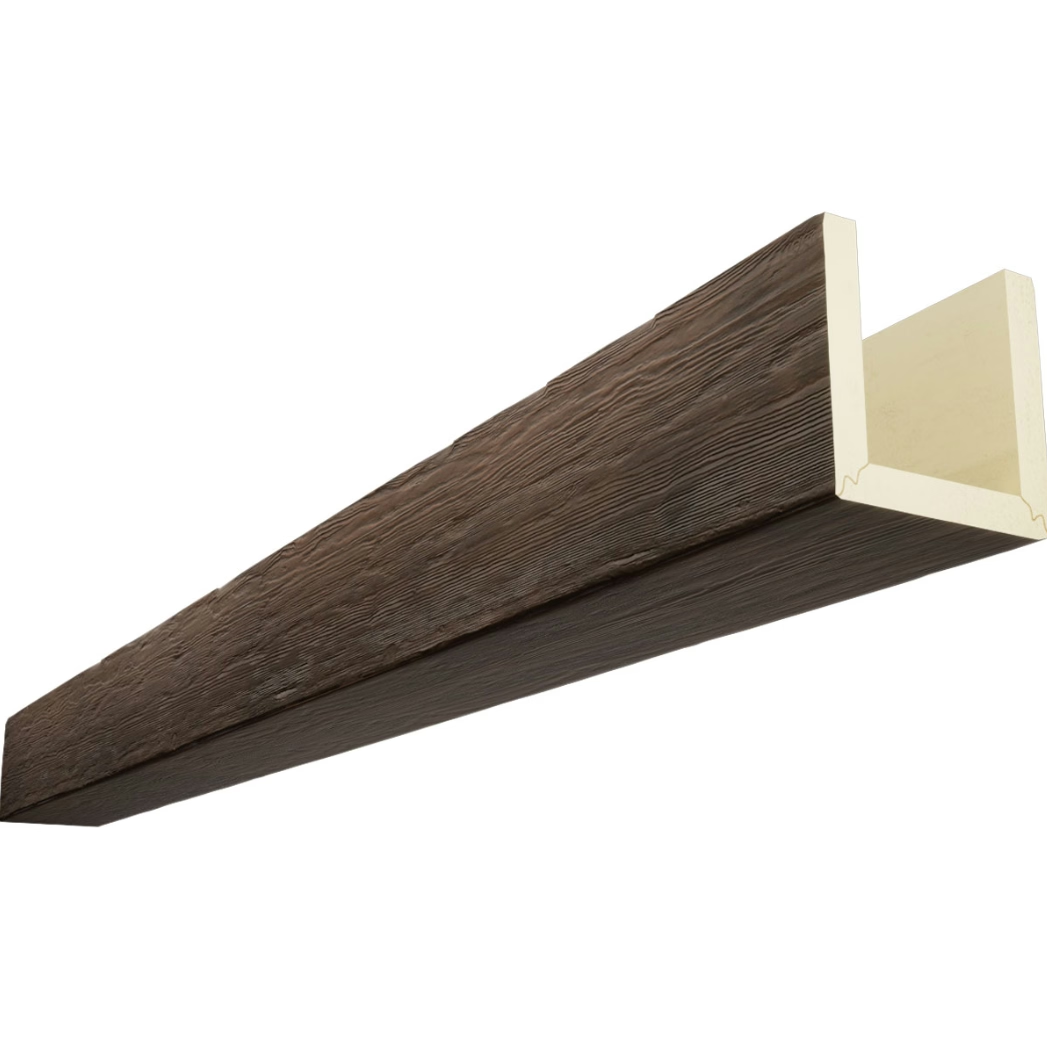
The pricing discounts offered through firm-focused trade programs are typically similar in percentage terms to other trade programs, but the supporting benefits often justify the program's value. Sample libraries represent one of the most valued benefits. A studio that can walk into a client meeting with physical samples of every available finish and profile presents more professionally than one that has to promise to send samples later.
Specification document access saves significant time. CSI-format product data sheets, CAD details, and specification language that can be inserted directly into project manuals allow designers to focus on project-specific requirements rather than generic documentation. For firms handling multiple projects with tight timelines, this documentation support can save hours per project.
Technical consultation provides expert advice on complex specifications. Design firms working on hospitality, healthcare, or commercial projects often have detailed performance requirements for materials. Fire ratings, acoustic properties, VOC emissions, and structural considerations all enter the specification conversation. Trade program technical staff who can answer these questions help firms specify correctly the first time rather than discovering problems during construction.
Continuing education opportunities through trade programs help design firms maintain professional credentials and stay current on product innovations. Manufacturer-led webinars, factory tours, and CEU courses provide learning opportunities that contribute to firm staff development while also building the manufacturer's relationship with the firm.
Co-marketing opportunities allow firms to benefit from manufacturer marketing investments. Manufacturers often feature their trade program partners in case studies, on their websites, and in industry publications. This exposure helps firms attract new clients and demonstrate their access to premium products and resources. The manufacturer's marketing reaches an audience the firm might not access independently.
How firms use trade programs in practice
The most effective integration of trade programs into a design firm's workflow happens when the program becomes part of standard operating procedures. Junior designers learn about the trade program during onboarding and use it as their default resource for faux beam specifications. Senior designers reference trade program documentation when reviewing project specifications. Project managers use the trade program dashboard to track order status across active projects.
Sample presentation strategy often revolves around trade program resources. Rather than maintaining their own sample library, some firms rely on trade program sample loans for client presentations. This approach reduces the firm's inventory carrying costs while ensuring access to current samples. The loans are tracked and returned when projects conclude, with the manufacturer maintaining the master sample inventory.
Specification templates developed with trade program support become firm standards over time. A specification template that incorporates manufacturer-provided language, with firm-specific modifications for project requirements, speeds up the specification process for future projects. The template evolves as the manufacturer's offerings expand and as the firm's preferences become clearer.
Client education materials provided through trade programs help firms explain product choices to clients. A manufacturer brochure explaining the difference between cast and etched faux beams, for example, supports a designer's recommendation in a client meeting. The third-party validation of manufacturer materials often carries more weight with clients than the designer's own explanation alone.
Comparing trade programs across manufacturers
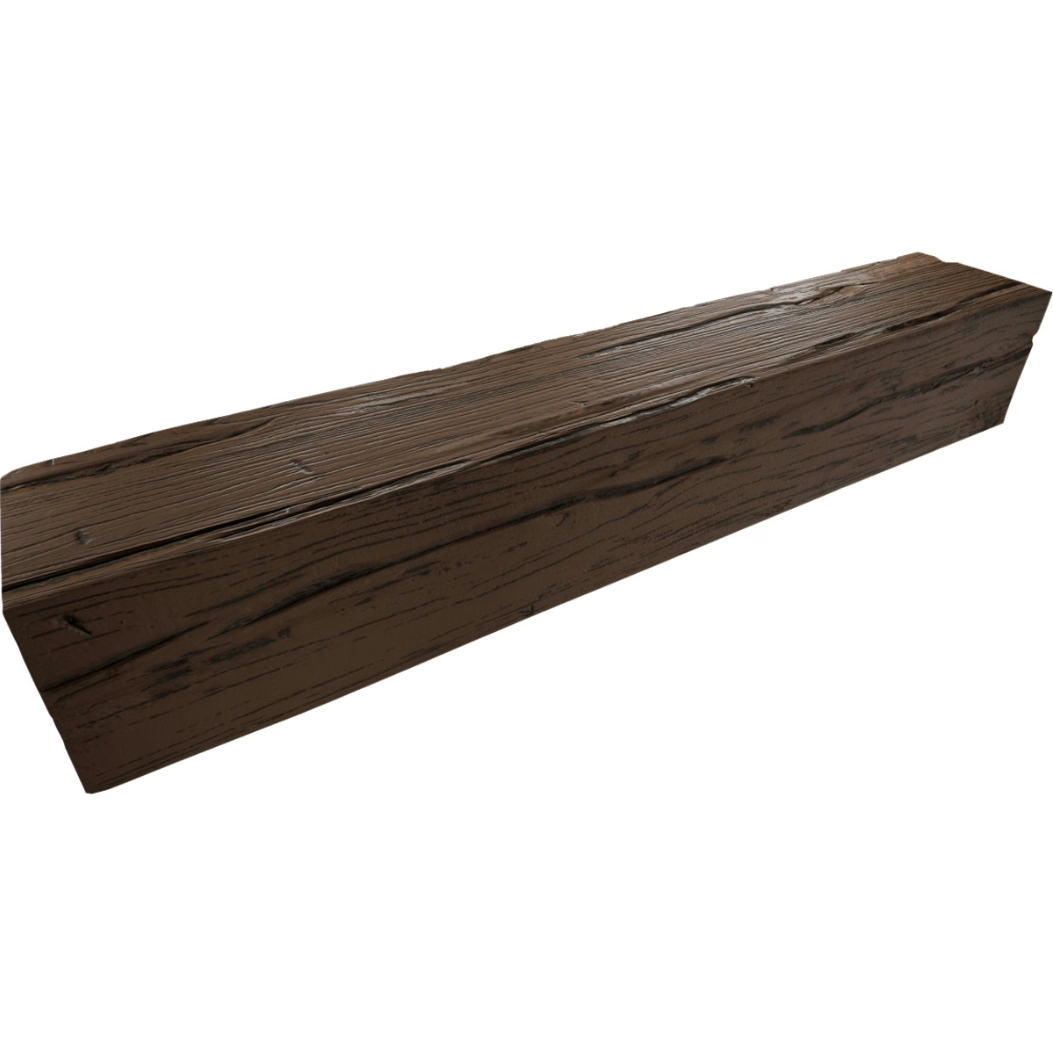
Not all manufacturer trade programs serve design firms equally well. Some programs originated as contractor loyalty rewards and have been adapted for designers with mixed success. Others were designed specifically for design professionals from the start and reflect that focus in their structure and benefits.
Documentation quality is a key differentiator. Manufacturers who invest in professional CSI-format documents, BIM objects, and detailed installation guides provide more value than those who offer only basic product brochures. Design firms that use formal specification processes need documentation that integrates with those processes, and manufacturers who recognize this need are easier to work with.
Sample availability and turnaround affect how quickly firms can respond to client requests. A manufacturer who maintains sample inventory and ships within 24 to 48 hours enables faster client presentations than one whose samples come from distant warehouses with longer lead times. For firms working on tight project timelines, sample availability can determine whether a manufacturer's products get specified at all.
Technical support responsiveness matters when specifications involve complex requirements. A firm specifying faux beams for a healthcare project needs answers about infection control compatibility, cleanability, and code compliance. Manufacturers whose technical staff can address these specialized questions quickly earn a place on the firm's preferred supplier list.
Relationship management style varies between manufacturers. Some assign dedicated account representatives who learn the firm's preferences and become trusted resources. Others provide generalized support through customer service queues without dedicated contacts. The dedicated approach typically produces better outcomes for firms that specify the manufacturer's products regularly.
Building a long-term relationship
The best outcomes for design firms come from developing long-term relationships with a smaller number of manufacturers rather than spreading specifications across many. Concentrating volume with selected suppliers unlocks better pricing, deeper support, and stronger co-marketing opportunities. The trade program relationship becomes a strategic asset that improves over time.
Communication frequency strengthens the relationship. Regular check-ins with the manufacturer's representative, even when no specific project is active, keeps the relationship current. Sharing information about upcoming projects, client preferences, and emerging trends helps the manufacturer prepare to support the firm's work. The manufacturer can develop new finishes or profiles based on this intelligence.
Feedback loops benefit both sides. When a project goes well, sharing that success helps the manufacturer understand what works. When something goes wrong, constructive feedback helps the manufacturer improve. Firms that provide thoughtful, detailed feedback become valued partners whose input shapes product development and service improvements.
The relationship eventually transcends the trade program mechanics. The manufacturer's representative becomes someone the firm calls for advice on complex specifications, even when the question does not directly involve a current order. The firm becomes a resource the manufacturer consults when developing new products or refining existing ones. This mutual investment creates value that neither side could generate independently.
Technical References
ASTM standards cited in every specification
Test Data
Lab results from internal testing program
Updated 2026
Reviewed against current product specs